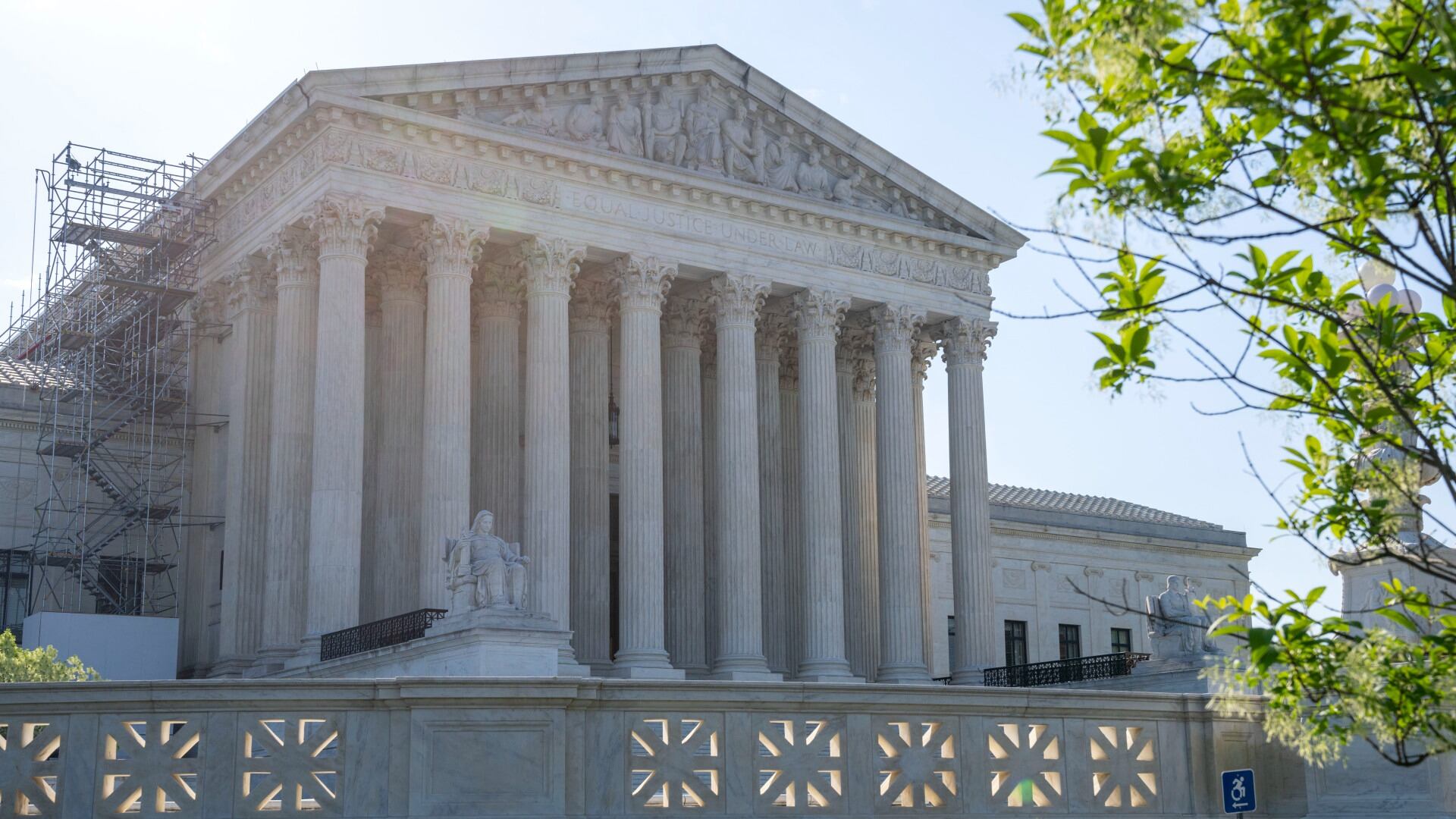
The Supreme Court is seen, Friday, April 21, 2023, ahead of an abortion pill decision in Washington. (AP Photo/Jacquelyn Martin)
By Mark Sherman
The Supreme Court on Tuesday allowed the drawing of a new Alabama congressional map with greater representation for Black voters to proceed. The new districts also could help Democrats trying to flip control of the House of Representatives.
The justices, without any noted dissent, rejected the state's plea to retain Republican-drawn lines that were turned down by a lower court.
In refusing to intervene, the high court allowed a court-appointed special master's work to continue. On Monday, he submitted three proposals that would create a second congressional district where Black voters comprise a majority of the voting age population or close to it.
The redrawing of the state's districts follows a June decision by the Supreme Court in which the state's congressional map that was drawn to reflect 2020 census results was found to dilute the voting power of the state’s Black residents. The map, which was used in the 2022 midterm elections, had just one majority Black district out of seven seats in a state where Black residents make up more than a quarter of the population.
A second district with a Democratic-leaning Black majority could send another Democrat to Congress at a time when Republicans hold a razor-thin majority in the House of Representatives. Federal lawsuits over state and congressional districts also are pending in Georgia, Louisiana and Texas.
Stark racial divisions characterize voting in Alabama. Black voters overwhelmingly favor Democratic candidates, and white voters prefer Republicans.
The lead plaintiff in the redistricting case, Evan Milligan, called Tuesday's ruling a “victory for all Alabamians” and said it puts the state closer to a map that provides fair representation. “It’s definitely a really positive step,” Milligan said in a telephone interview.
Alabama Attorney General Steve Marshall’s office did not immediately comment on the decision.
A three-judge panel has scheduled a hearing next week on proposed plans submitted by Richard Allen, the lawyer appointed by the judges. Allen's three proposals would alter the boundaries of Congressional District 2 so that Black voters comprise between 48.5% and 50.1% of the voting-age population, a shift that could put the seat in Democratic hands.
By contrast, the district drafted by GOP lawmakers and unanimously rejected by the three judges had a Black voting-age population of 39.9%, meaning it would continue to elect mostly white Republicans, according to data simulations run by those challenging the Republican plan.
The judges said Alabama lawmakers deliberately defied their directive to create a second district where Black voters could influence or determine the outcome.
Milligan and other Black voters had argued Alabama’s rearranged congressional map still meant that candidates preferred by Black voters had no chance of winning outside a single congressional district, now represented by Rep. Terri Sewell, the only Democrat and the only Black member of Alabama’s congressional delegation.
“It basically said if you were Black in Alabama, your vote would count for less,” Milligan said. “It was our duty and honor to challenge that.”
The state had wanted to use the newly drawn districts while it appeals the lower-court ruling to the Supreme Court.
Though Alabama lost its case in June by a 5-4 vote, the state leaned heavily on its hope of persuading one member of that slim majority, Justice Brett Kavanaugh, to essentially switch his vote.
The state’s court filing repeatedly cited a separate opinion Kavanaugh wrote in June that suggested he could be open to the state’s arguments in the right case. Kavanaugh, borrowing from Justice Clarence Thomas’ dissenting opinion, wrote that even if race-based redistricting was allowed under the Voting Rights Act for a period of time, “the authority to conduct race-based redistricting cannot extend indefinitely into the future.”
Associated Press writer Kim Chandler contributed to this report from Montgomery, Ala.
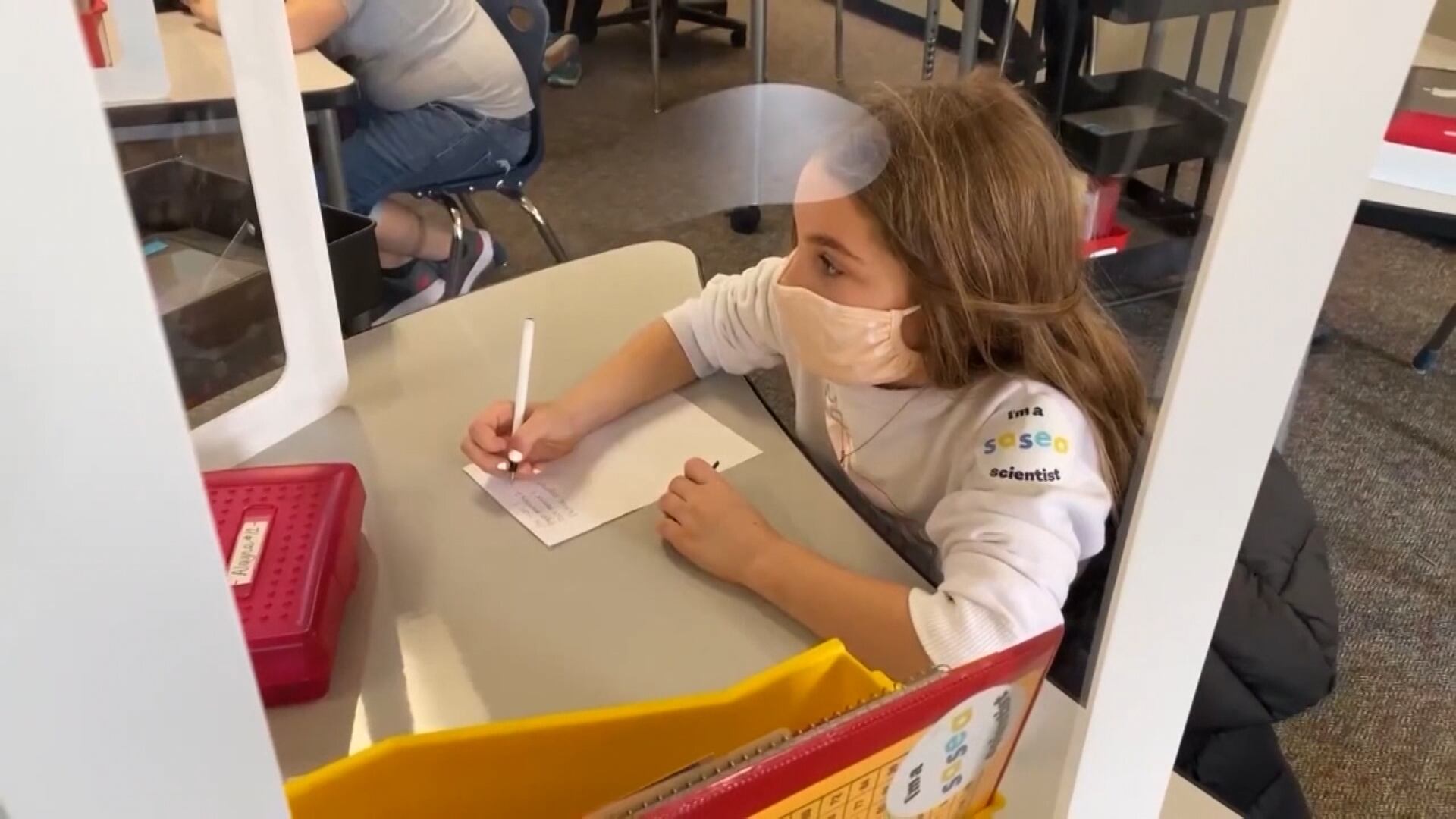
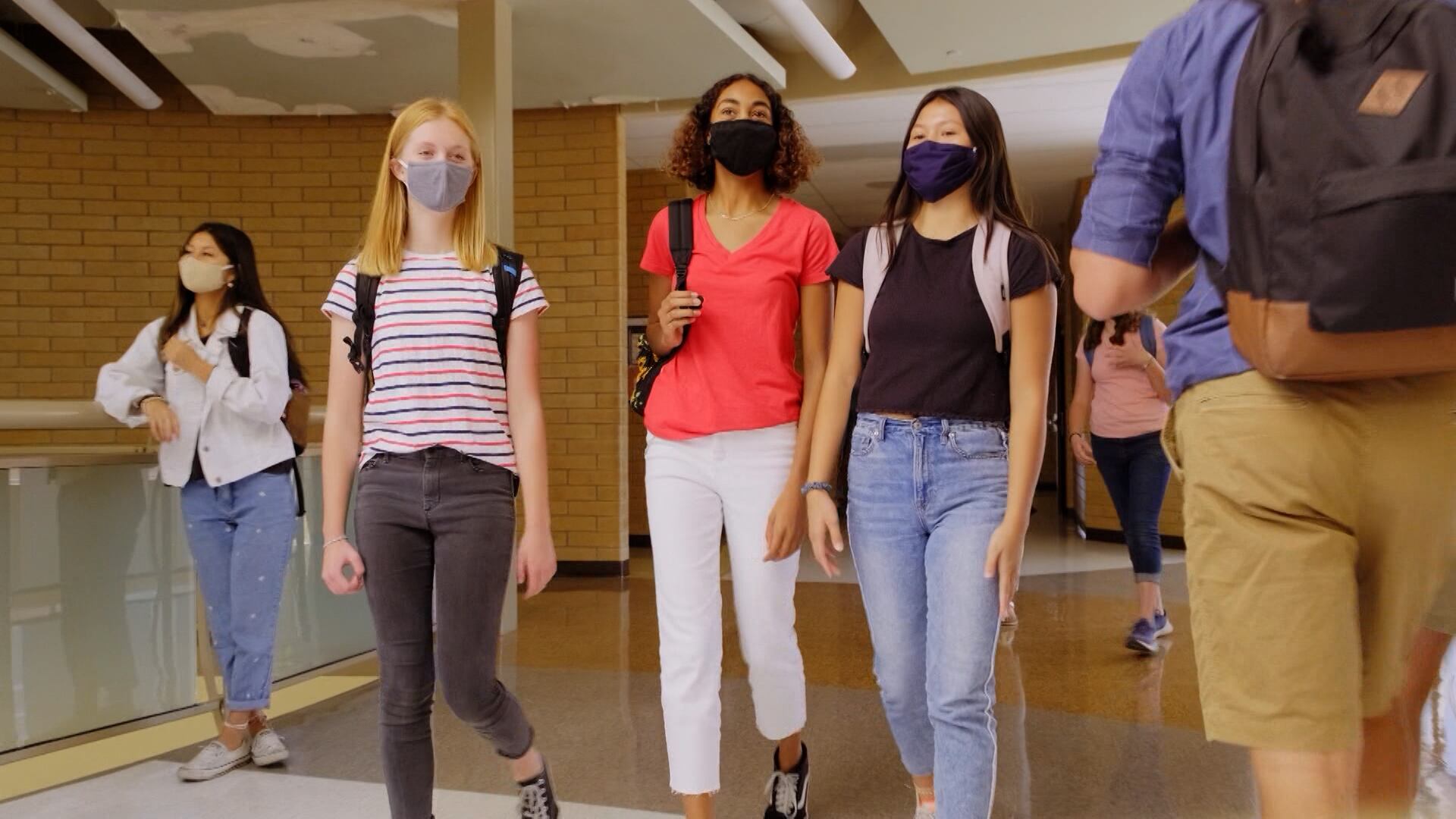
After the Chicago teachers union voted to work remotely due to what they say is a lack of safety protocols amid the COVID-19 surge, the school system canceled classes on Wednesday, citing harm that remote learning has done to the city's children. Randi Weingarten, president of the American Federation of Teachers, joined Cheddar to discuss the issues surrounding the latest dispute between educators and schools. She said that the return to in-person learning would likely be halted until more COVID tests could be provided for districts. "This is a terrible situation for everybody, and we need the testing, and we need the masks," she said. "It's the omicron surge that has created this disruption, and we are trying to do the best we can. And this is the only school district that has this kind of action right now." The teachers might not be returning to their schools for at least two weeks amid the ongoing tensions.
Illinois State Senator Robert Martwick joins Cheddar News to discuss the new bill he co-sponsored allowing students in the state to take 5 mental health days without a doctor's note.
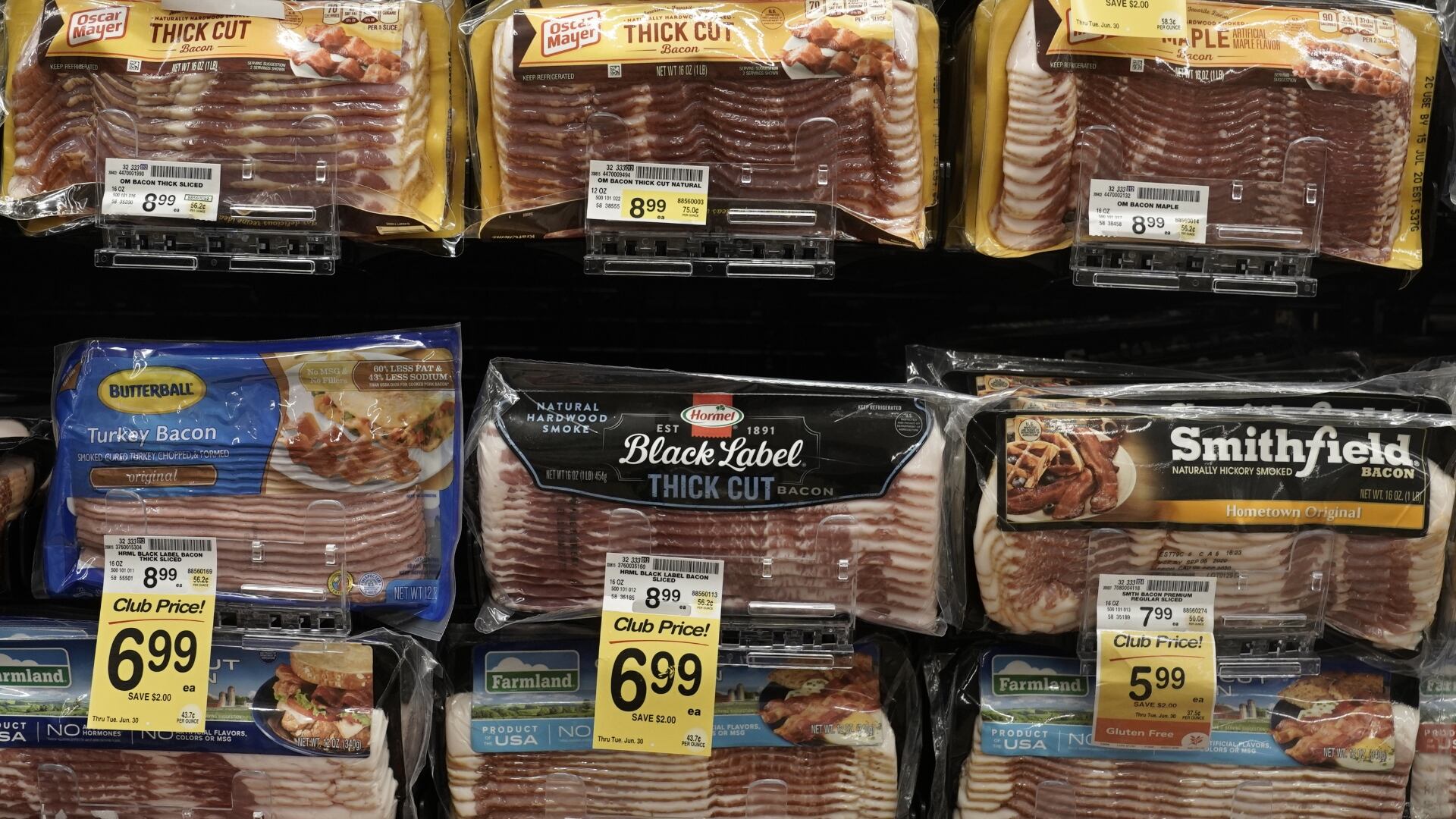
On Monday, President Biden announced his new plan to take on inflation by taking down the big meat monopolies - turning to the federal government's antitrust authorities to investigate the major meatpackers that control a significant share of the market. The White House plans to devote one billion dollars to aiding independent meat and poultry producers in an effort to undercut the few powerful meat producers that have control of the sector. Austin Frerick, deputy director of Thurman Arnold Project at Yale, joins Cheddar News to discuss.
As the pandemic drags on, so does the widespread great resignation. In November alone, 4.5 million Americans quit their jobs, marking a new record high, and showing a 9 percent jump from the month prior. On the flip side, the number of people filing tax paperwork to start new businesses is surging, with over 430,000 new businesses launching in November. Rhett Buttle, the founder of Public Private Strategies and national business advisor to the Biden for President campaign, joined Wake Up with Cheddar to discuss.
New York Attorney General Letitia James is ramping up a civil investigation into The Trump Organization. The AG's office has subpoenaed Ivanka Trump and Donald Trump Jr. They have refused to comply with the subpoenas. Bradley Moss, national security attorney, joins Cheddar News to discuss the next steps in this investigation.
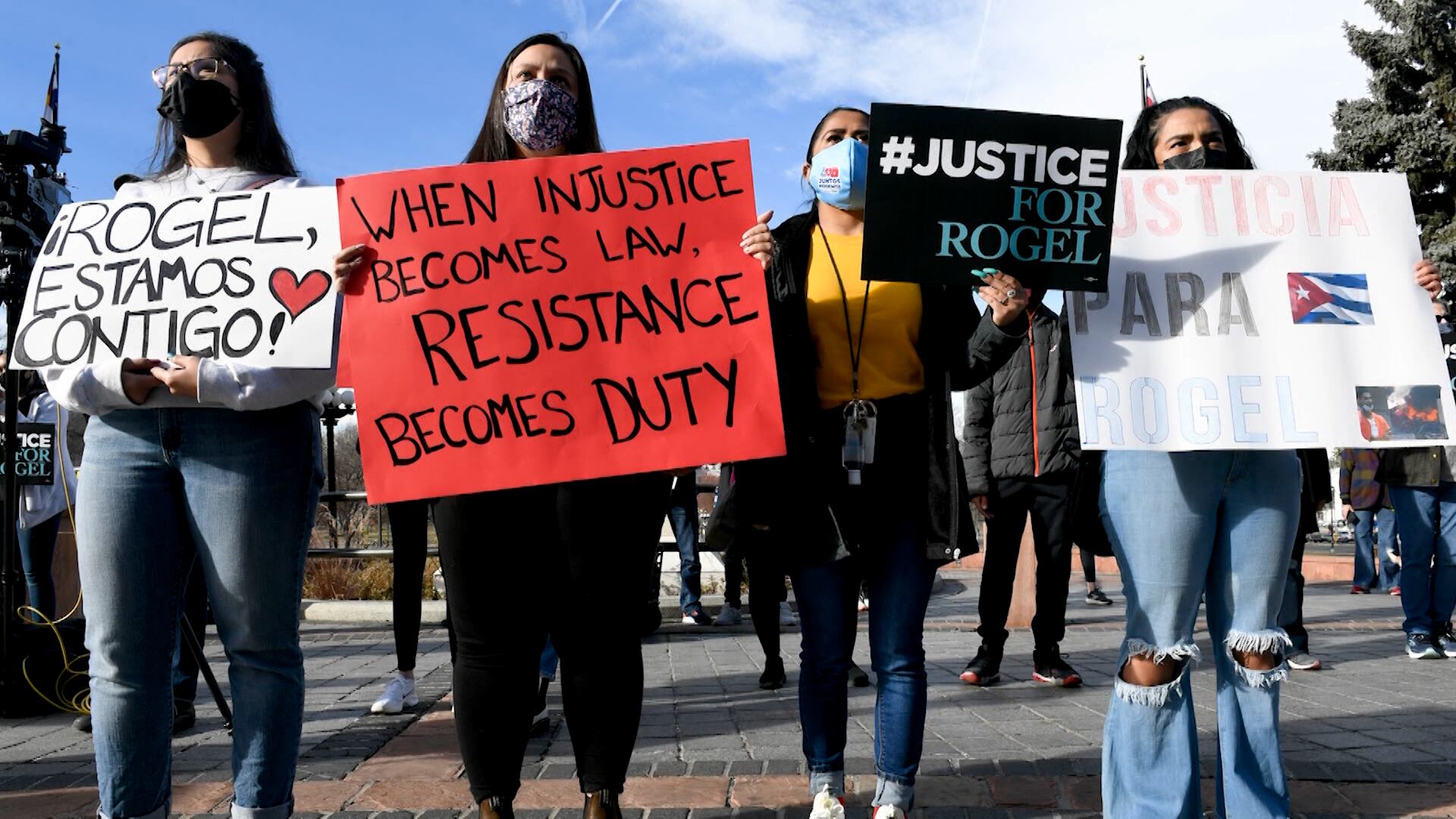
Colorado Gov. Jared Polis has officially reduced the 110-year prison sentence of truck driver Rogel Aguilera-Mederos to 10 years, calling the initial lengthy sentence “unjust.” Dan Gilleon, constitutional attorney at Gilleon Law Firm APC, joined Cheddar to discuss more.
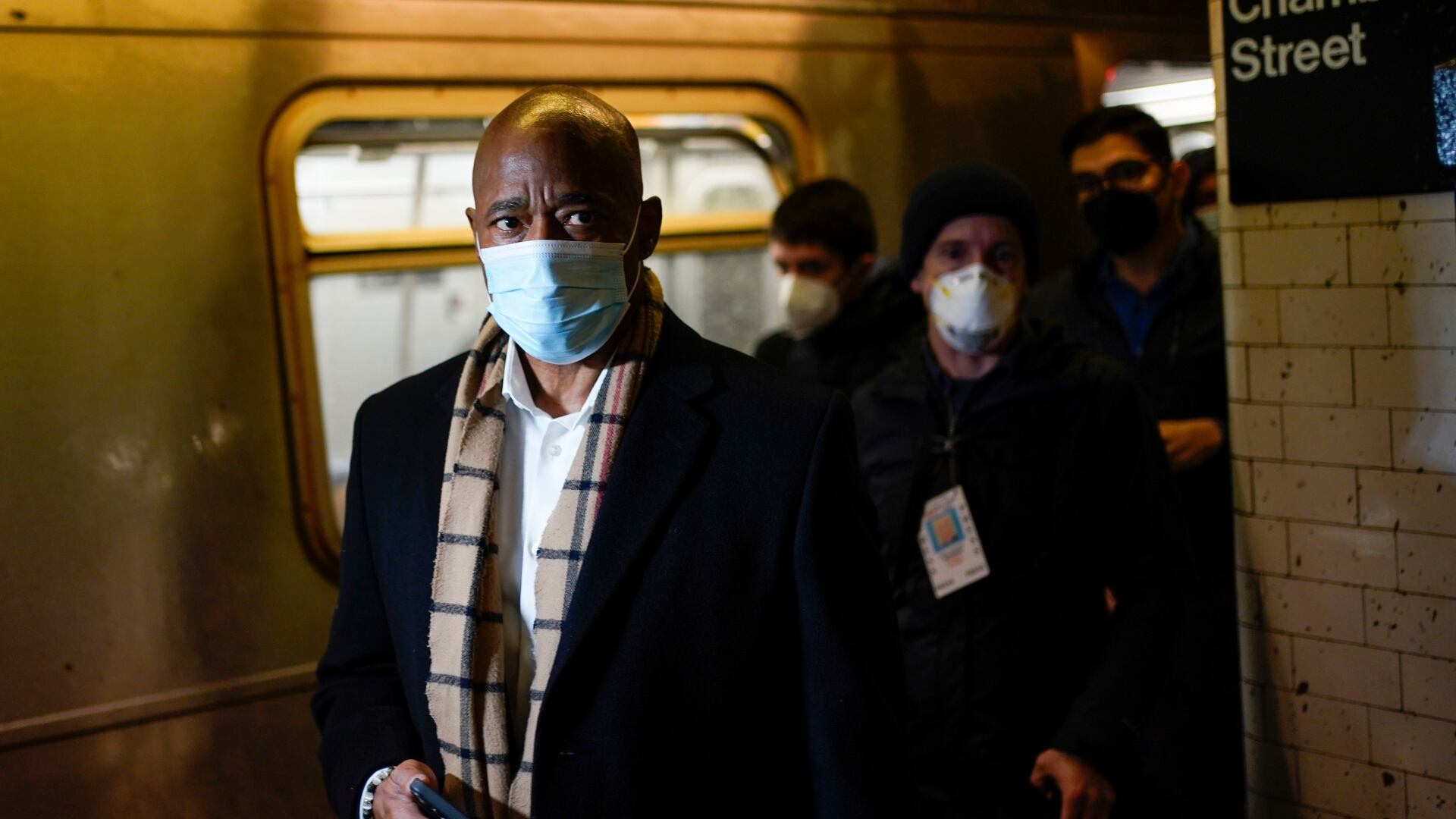
Former Brooklyn Borough President Eric Adams was sworn in as the newest Mayor of New York City. Adams is now expected to work on a number of issues such as crime and coronavirus. Erin Durkin,, reporter at PoliticoNY, joins Cheddar News to discuss more.
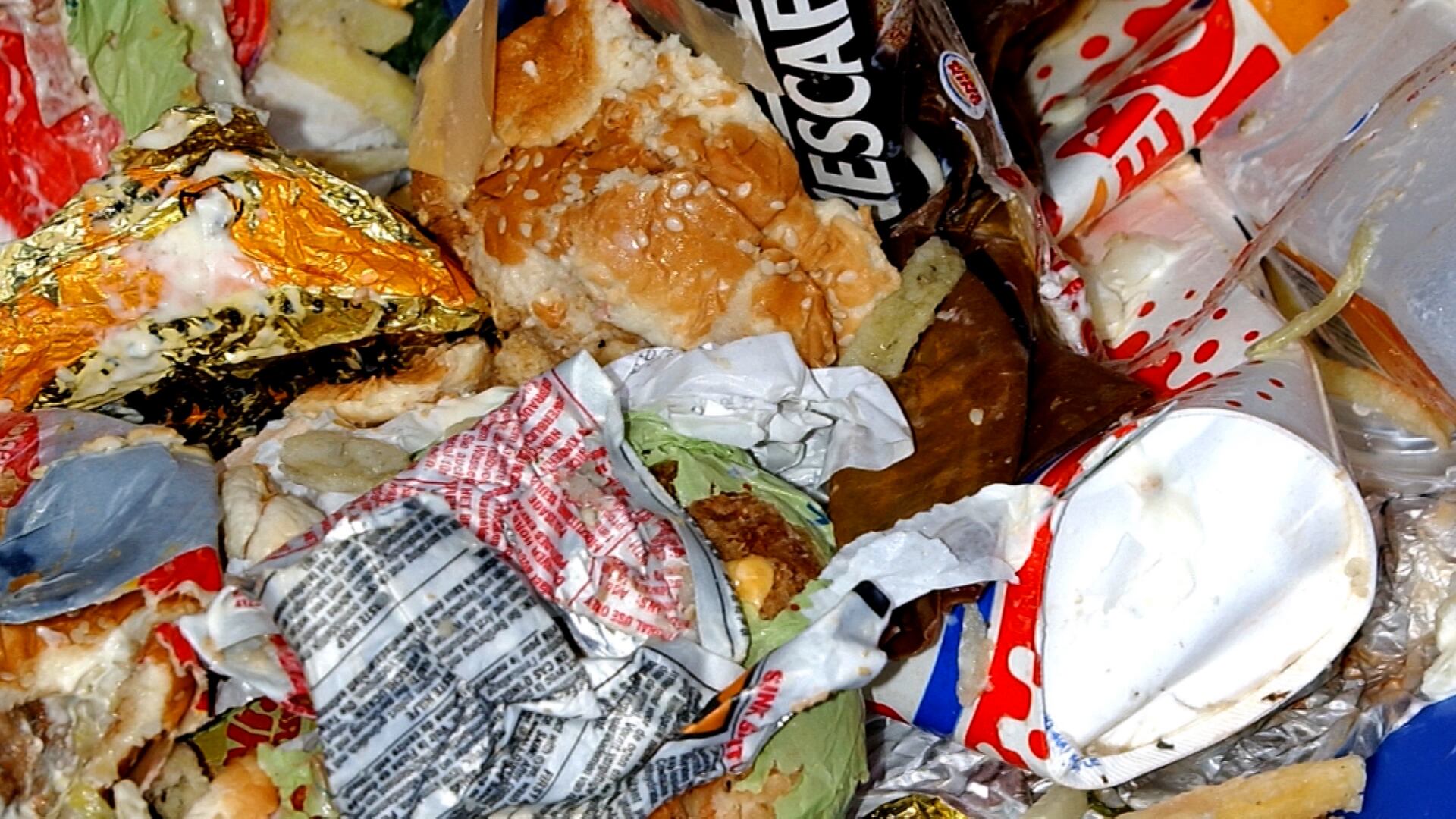
California's new composting law will affect what residents do in their kitchens. As of this week, Californians will have to recycle excess food in an effort to reduce emissions caused by food waste. Cities and counties will turn recycled food into compost or use it as a renewable energy source. California's new law is the largest mandatory residential food waste recycling program in the country. Rachel Wagoner, Director of the California Department of Resources, Recycling and Recovery called the law 'the biggest change to trash' since recycling started in the 1980s. She joined Cheddar Climate to discuss.
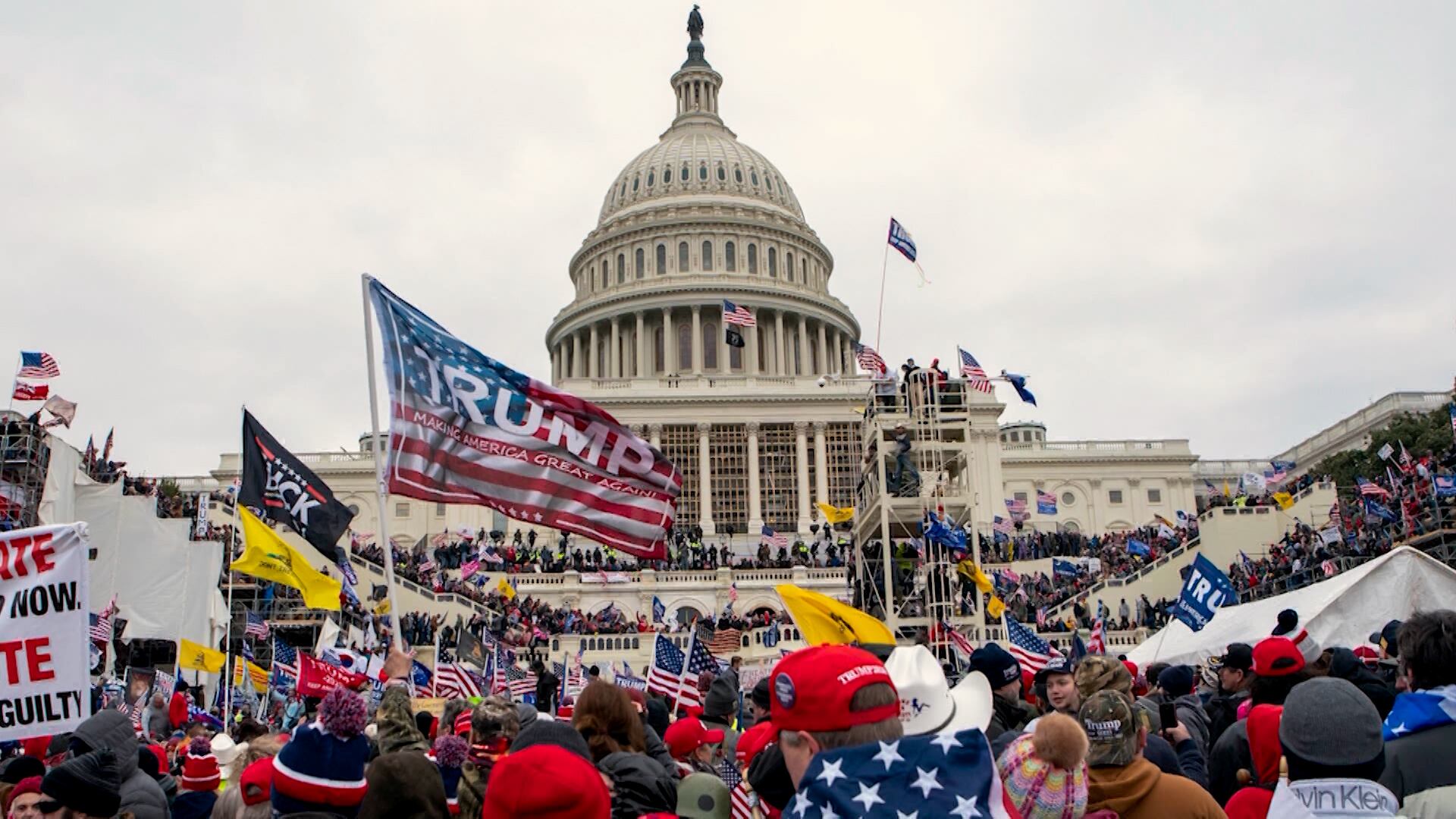
As the U.S. comes up on the first anniversary of the January 6 insurrection.,A.C. Thompson, investigative reporter at ProPublica, joined Cheddar's Baker Machado to discuss updates to American Insurrection by FRONTLINE, ProPublica and Berkeley Journalism’s Investigative Reporting Program. The documentary investigates the attack on the Capitol touched off by the lie that the presidential election was stolen from Donald Trump but with new information gleaned since the event including interviews with lawmakers and law enforcement and the evolution of groups like the Boogaloo Boys and the Proud Boys behind the attack. "In some ways those groups that were kind of the vanguard of January 6 are maybe no longer relevant because their message is everywhere," he said.