By Mark Sherman

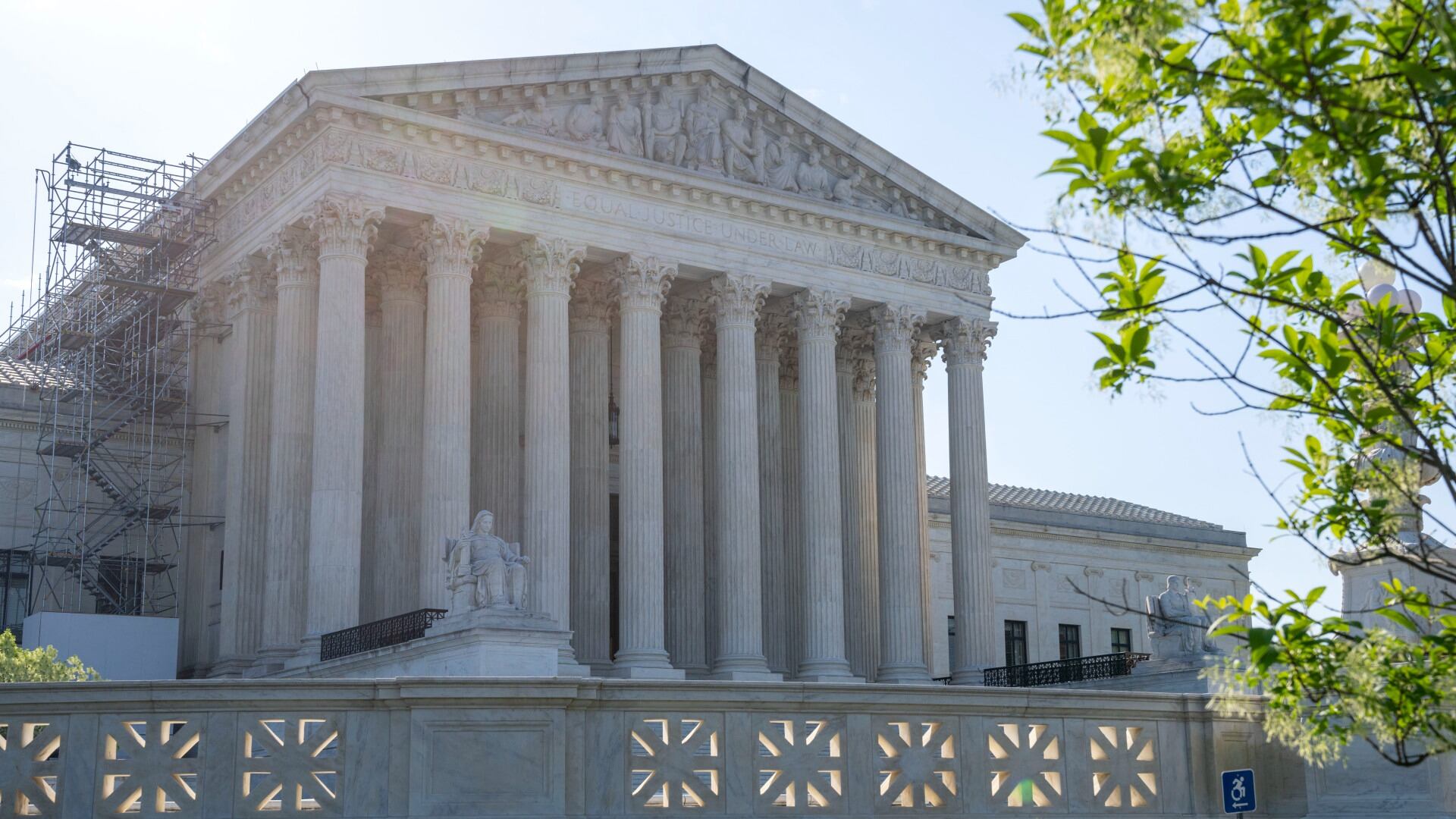
The Supreme Court on Tuesday allowed the drawing of a new Alabama congressional map with greater representation for Black voters to proceed. The new districts also could help Democrats trying to flip control of the House of Representatives.

The justices, without any noted dissent, rejected the state's plea to retain Republican-drawn lines that were turned down by a lower court.

In refusing to intervene, the high court allowed a court-appointed special master's work to continue. On Monday, he submitted three proposals that would create a second congressional district where Black voters comprise a majority of the voting age population or close to it.

The redrawing of the state's districts follows a June decision by the Supreme Court in which the state's congressional map that was drawn to reflect 2020 census results was found to dilute the voting power of the state’s Black residents. The map, which was used in the 2022 midterm elections, had just one majority Black district out of seven seats in a state where Black residents make up more than a quarter of the population.

A second district with a Democratic-leaning Black majority could send another Democrat to Congress at a time when Republicans hold a razor-thin majority in the House of Representatives. Federal lawsuits over state and congressional districts also are pending in Georgia, Louisiana and Texas.

Stark racial divisions characterize voting in Alabama. Black voters overwhelmingly favor Democratic candidates, and white voters prefer Republicans.

The lead plaintiff in the redistricting case, Evan Milligan, called Tuesday's ruling a “victory for all Alabamians” and said it puts the state closer to a map that provides fair representation. “It’s definitely a really positive step,” Milligan said in a telephone interview.

Alabama Attorney General Steve Marshall’s office did not immediately comment on the decision.

A three-judge panel has scheduled a hearing next week on proposed plans submitted by Richard Allen, the lawyer appointed by the judges. Allen's three proposals would alter the boundaries of Congressional District 2 so that Black voters comprise between 48.5% and 50.1% of the voting-age population, a shift that could put the seat in Democratic hands.

By contrast, the district drafted by GOP lawmakers and unanimously rejected by the three judges had a Black voting-age population of 39.9%, meaning it would continue to elect mostly white Republicans, according to data simulations run by those challenging the Republican plan.

The judges said Alabama lawmakers deliberately defied their directive to create a second district where Black voters could influence or determine the outcome.

Milligan and other Black voters had argued Alabama’s rearranged congressional map still meant that candidates preferred by Black voters had no chance of winning outside a single congressional district, now represented by Rep. Terri Sewell, the only Democrat and the only Black member of Alabama’s congressional delegation.

“It basically said if you were Black in Alabama, your vote would count for less,” Milligan said. “It was our duty and honor to challenge that.”

The state had wanted to use the newly drawn districts while it appeals the lower-court ruling to the Supreme Court.

Though Alabama lost its case in June by a 5-4 vote, the state leaned heavily on its hope of persuading one member of that slim majority, Justice Brett Kavanaugh, to essentially switch his vote.

The state’s court filing repeatedly cited a separate opinion Kavanaugh wrote in June that suggested he could be open to the state’s arguments in the right case. Kavanaugh, borrowing from Justice Clarence Thomas’ dissenting opinion, wrote that even if race-based redistricting was allowed under the Voting Rights Act for a period of time, “the authority to conduct race-based redistricting cannot extend indefinitely into the future.”

Associated Press writer Kim Chandler contributed to this report from Montgomery, Ala.

Share:
More In Politics
China's Crackdown on Free Rress
A new report by the Foreign Correspondents Club of China warns that press freedom in the most populous country in the world is declining at an alarming speed. Cheddar News speaks with Steven Butler, Asia Program Coordinator at the Committee to Protect Journalists, about the hardships journalists face in China.
Rep. Nancy Mace Wants Dem Support for Amazon-Backed GOP Cannabis Reform Bill
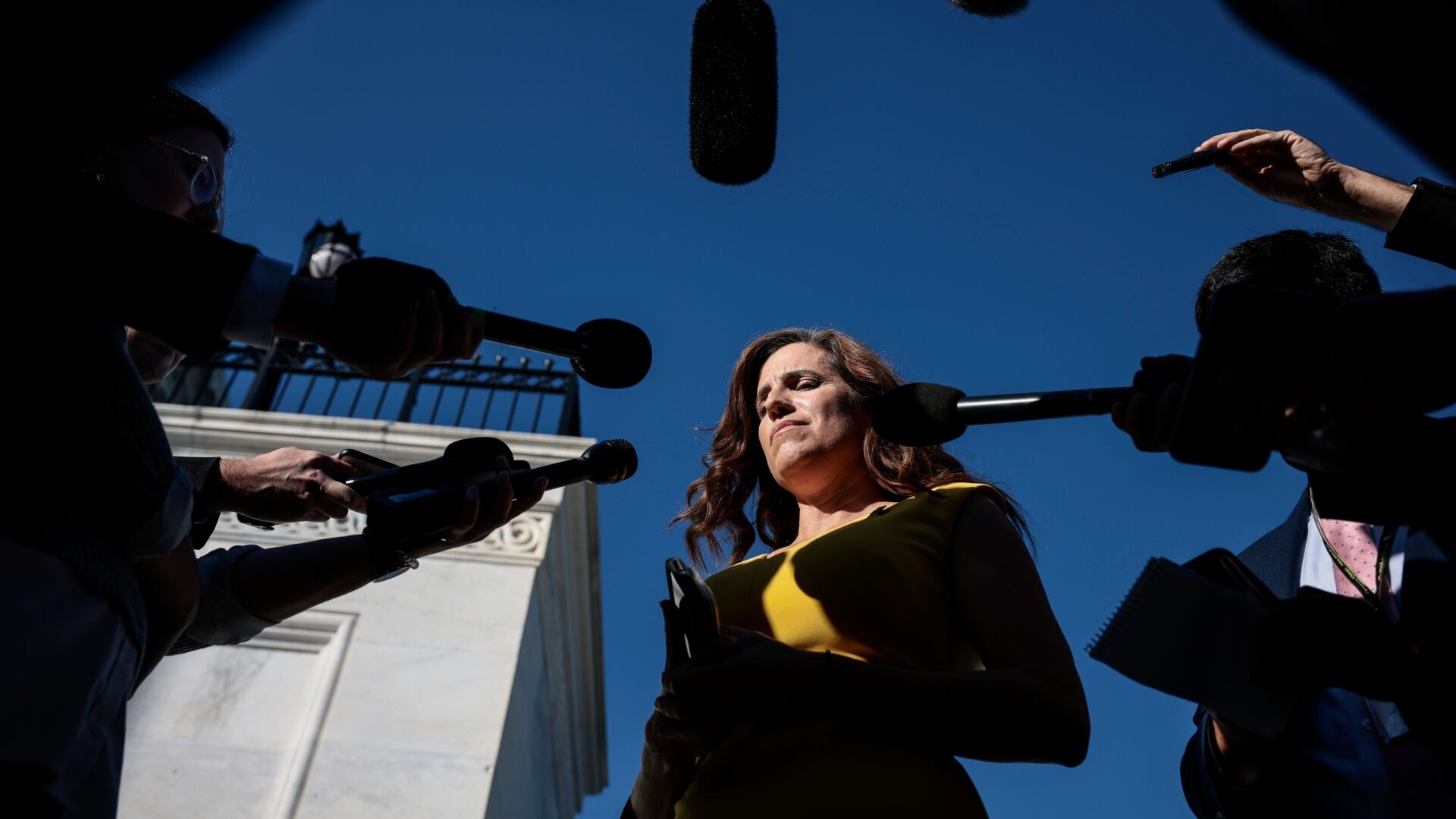
Rep. Nancy Mace (R-S.C. 1st District) joined Cheddar to discuss her cannabis legalization bill, the States Reform Act, and the prospects for gaining bipartisan support for a bill that has garnered the endorsement of e-commerce giant Amazon. This legislation is supported by businesses large and small, Amazon obviously being the most recent and largest business to support it," Mace said. "They don't want to sell pot. But what it does do is it affects their working employment pool." She stated that 10 percent of eligible new hires for Amazon are affected by restrictive marijuana laws. The representative also explained that the bill leaves equity provisions up to the states rather than mandating them on a federal level.
Lawmakers Call On MTA To Install Doors On Subway Platforms
After a number of tragic subway incidents, the MTA is facing increased pressure to install subway platform screens to help prevent injury or death. However, according to an earlier report from the MTA, installing these prevented measures isn't feasible. New York City Council Member Keith Powers, joined Cheddar to discuss more.
2020 Census Data Shows New Gerrymandering Battle
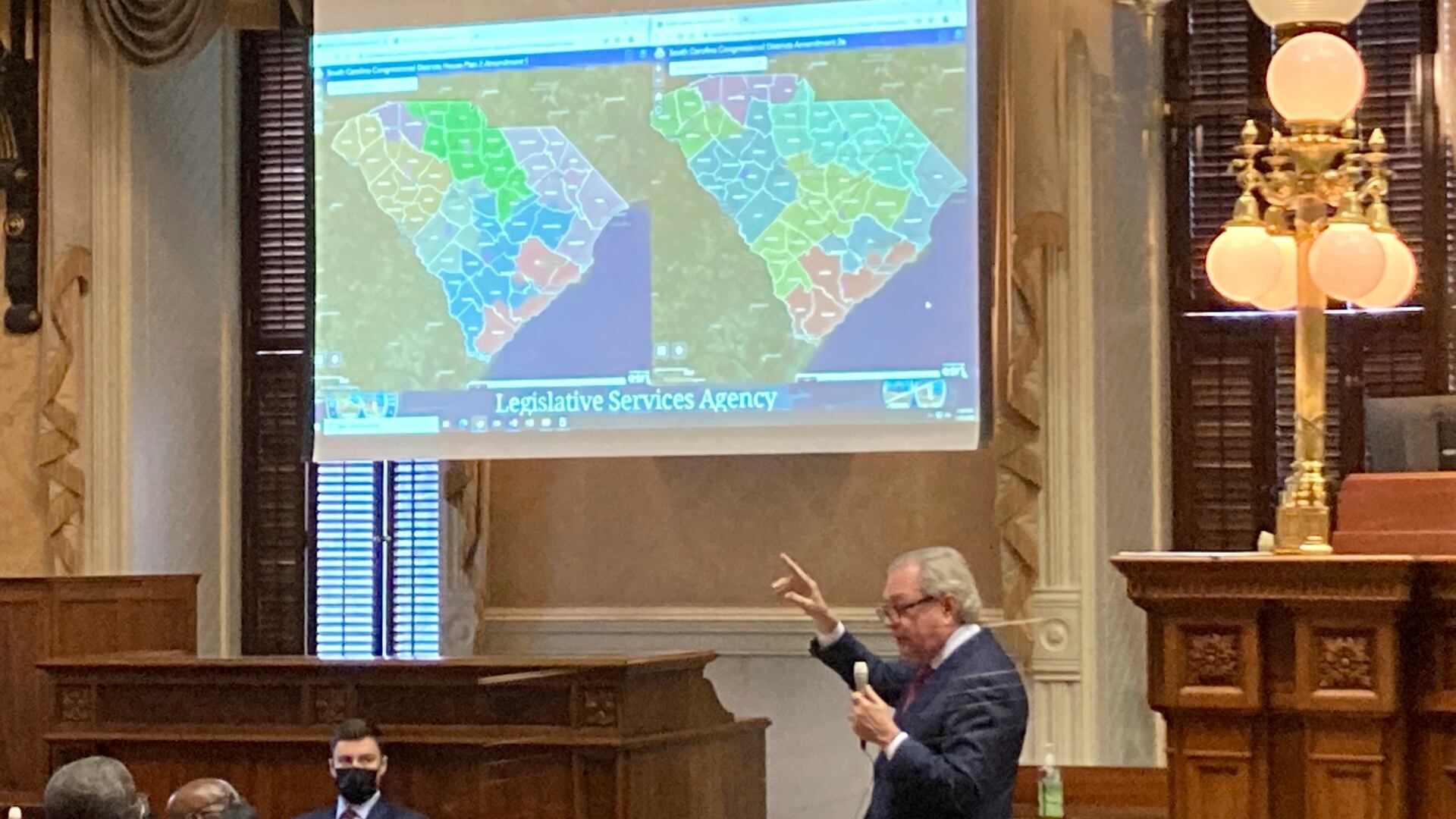
Across the country, states are working to redraw their congressional lines in what is often known as gerrymandering. These news lines are expected to determine the balance of power between Democrats and Republicans within the next decade. Senior Counsel for the Brennan Center's Democracy Program, Michael Li, joined Cheddar to discuss more.
California To Dismantle Death Row
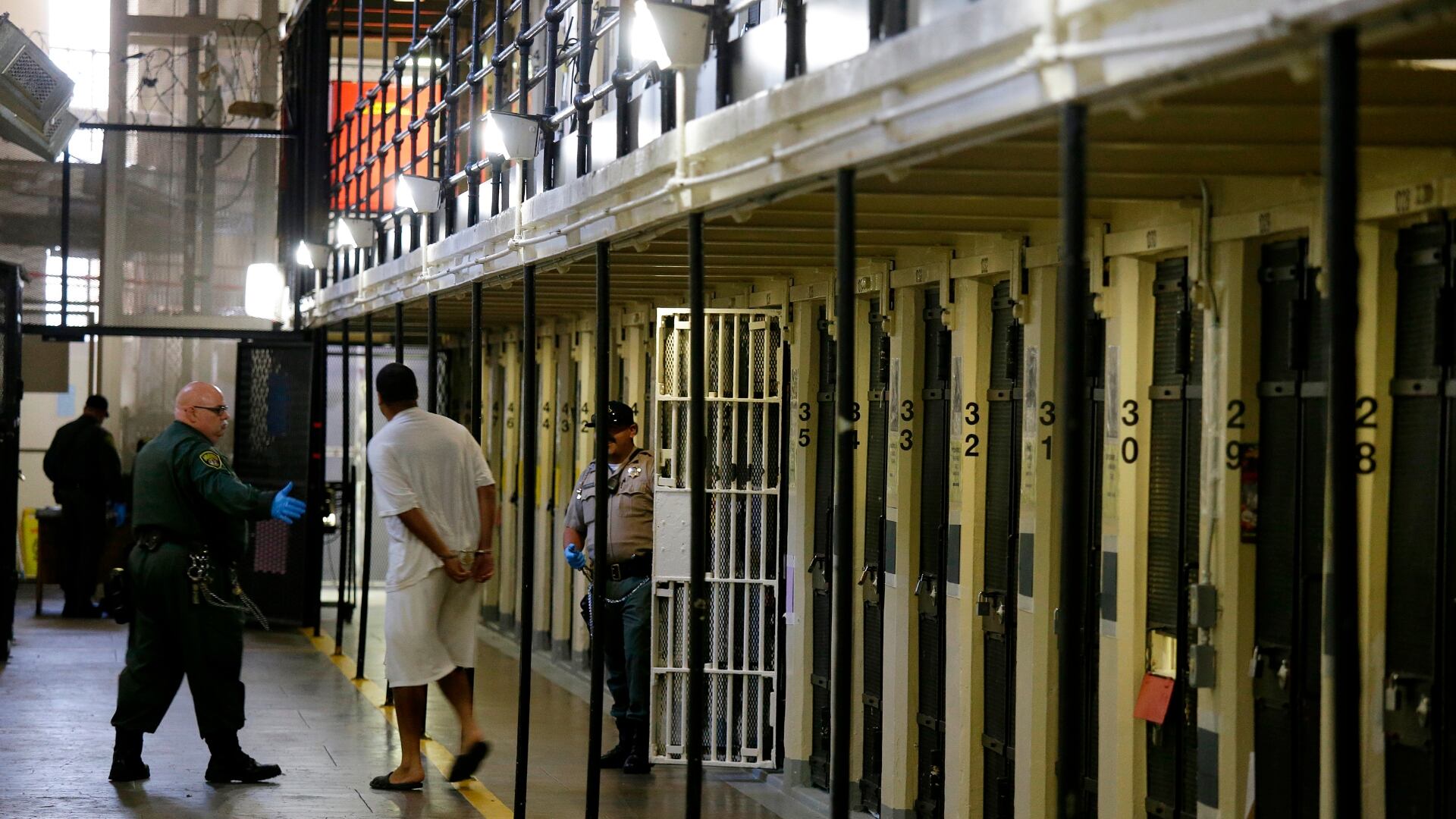
The state of California is officially planning to close its death row in the next two years. That state's governor Democrat Gavin Newsom says the plan is now to move all condemned inmates to other prisons and turn it into, as he calls it, a positive healing environment. Former U. S. Assistant Attorney and Legal Analyst, David Katz, joined Cheddar to discuss more.
Stocks Close Near Session Highs to Begin February
Anthony Saccaro, Founder and President of Providence Financial, joins Cheddar News' Closing Bell, where he elaborates on why he is excited that the market is beginning to rebound and believes February has the potential to be a good month after a turbulent January.
Congressional Democrats Demand Answers From Crypto Miners Over Environmental Impact
Cryptocurrency is expected to become a part of our daily lives — but what sort of environmental impact does it have? As the U.S. becomes the crypto mining capital of the world, climate advocates are worried about mining companies reopening old coal plants, using massive amounts of energy, wasteful hardware, and more. Congressional Democrats led by Senator Elizabeth Warren are demanding answers from mining firms about their electricity use and waste levels. John Belizaire, CEO of Soluna Computing, joins Cheddar Climate to discuss the congressional letters, how crypto mining can become a green industry, and more.
Supreme Court To Hear Challenge To Affirmative Action
The Supreme Court will reconsider race-based affirmative action in college admissions. The court will examine admissions policies at Harvard University and The University of North Carolina Chapel Hill, which count the race of applicants as a factor in admissions. The court has upheld affirmative action policies in the past, saying it helps to create more diverse student bodies. However, the conservative Supreme Court could be skeptical and even possibly hostile to such policies. Nick Anderson, Higher Education Writer, Washington Post joined Cheddar's Opening Bell to discuss.
Load More