The Stranger Things Netflix is Doing With Advertising
'Stranger Things' is everywhere as more brands are jumping on the supernatural trend. Coca-Cola, Tide, and Baskin-Robbins are just a few to team up with Netflix. The streaming service has avoided advertising for years, but are they ready to cash in on the opportunity? Cheddar senior reporter Michelle Castillo breaks it all down.
Update: After publication of the story, Netflix clarified no company made direct payments to be featured in "Stranger Things," including Coke and Baskin Robbins. Many companies, like New Coke, were chosen because of their accuracy to the 1980s era and were written into the script before outreach to the brands, Netflix claims. Companies featured in the show were involved in marketing partnerships. They were allowed to use "Stranger Things" characters in certain products, which in turn helped promote the show.
Other companies like Nike, Lego and H&M participated in consumer product deals with Netflix. These companies paid a licensing fee to sell "Stranger Things" products.
For more details, please visit: https://cheddar.com/media/stranger-promos-netflix-teams-up-with-big-names-for-hit-show
With concerns about misinformation spreading online, European Union officials want to more closely regulate artificial intelligence, and they're asking the world's biggest tech companies for help.
Sens. Elizabeth Warren, Ron Wyden, Ed Markey, and Mazie Hirono sent a letter to top officials at Twitter expressing their concerns over the platform's privacy policy.
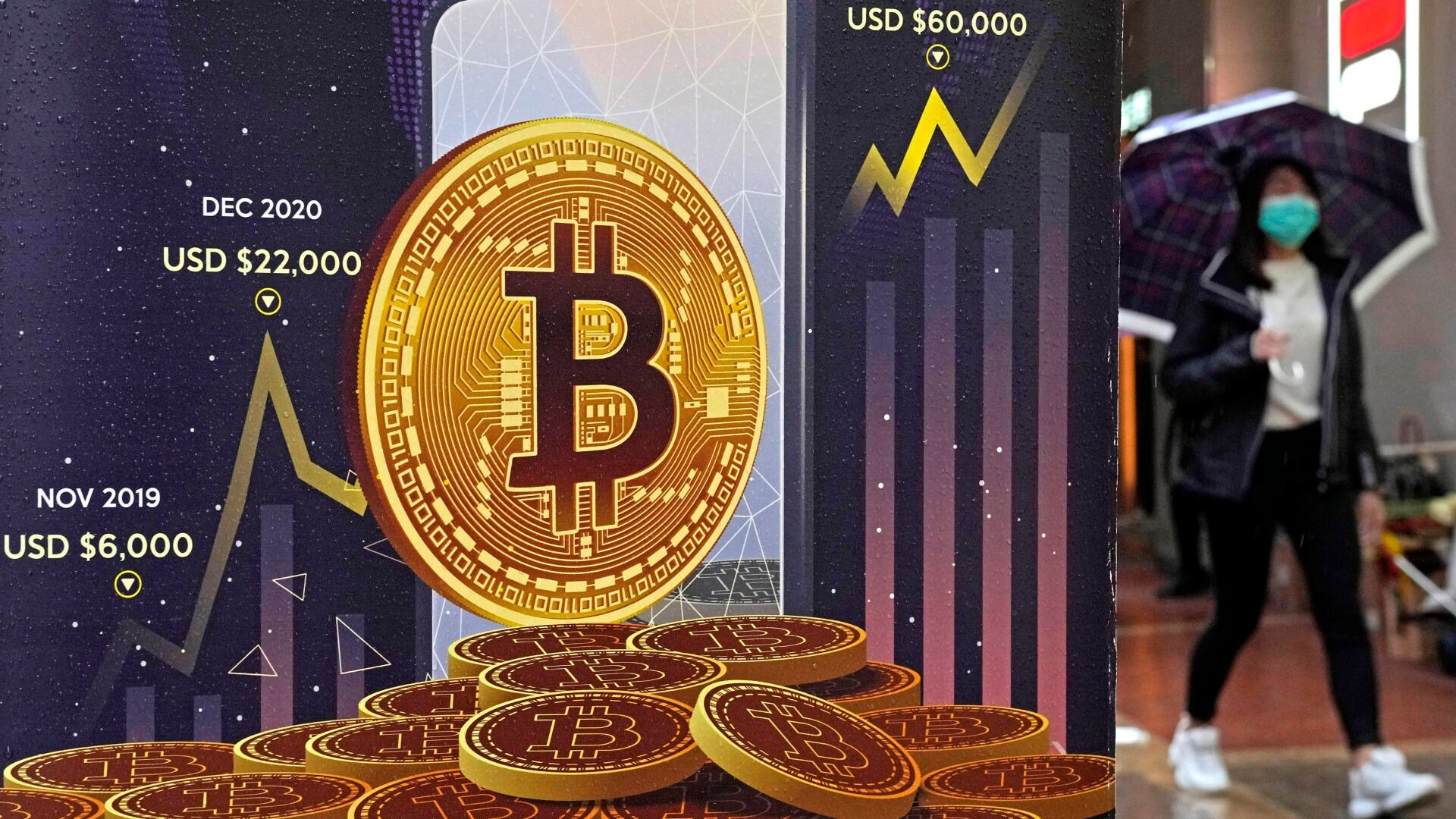
The world's largest cryptocurrency exchange Binance and its founder Changpeng Zhao are accused of misusing investor funds, operating as an unregistered exchange and violating a slew of U.S. securities laws in a lawsuit filed by the SEC.
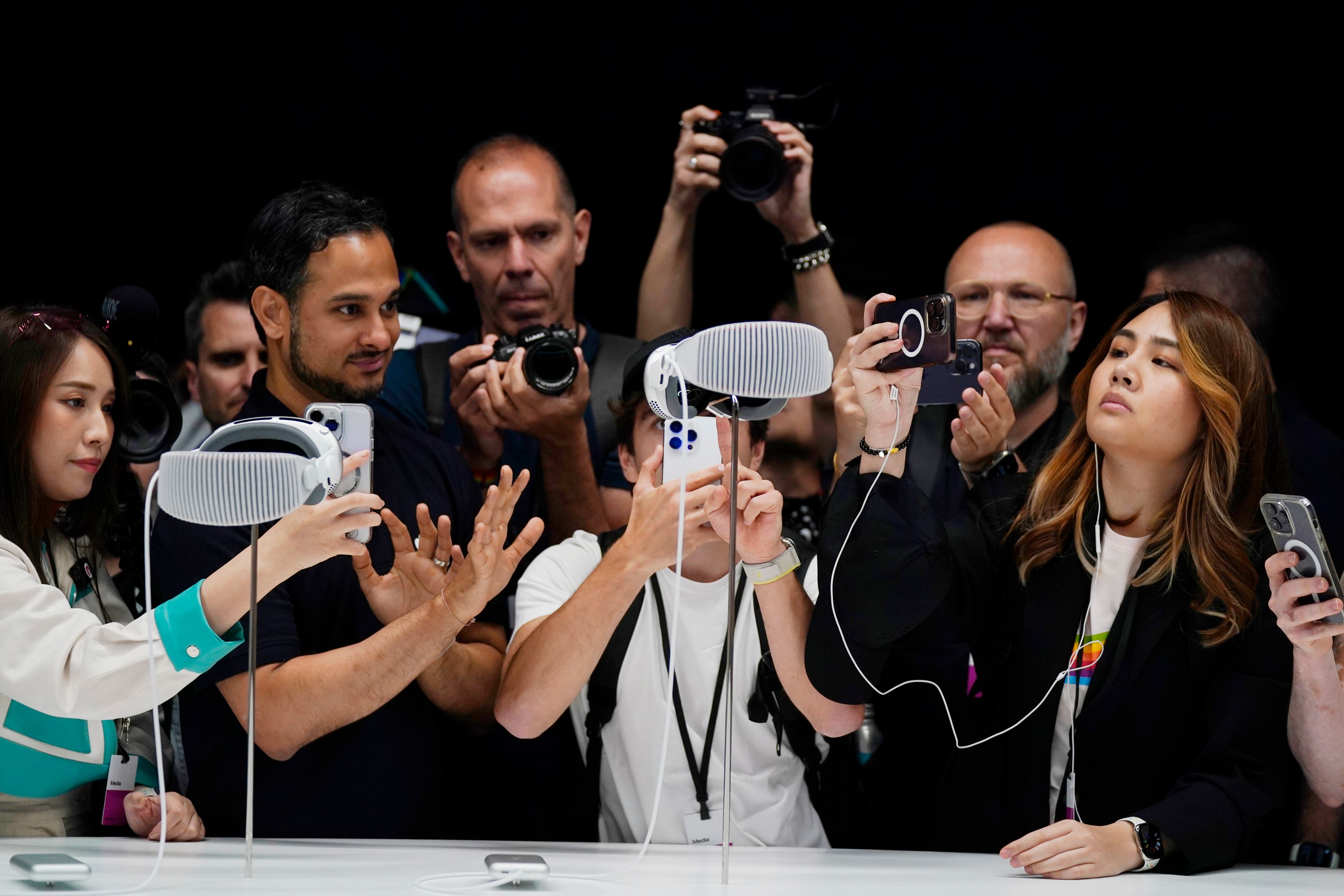
Apple on Monday unveiled a long-rumored headset that will place its users between the virtual and real world, while also testing the technology trendsetter's ability to popularize new-fangled devices after others failed to capture the public's imagination.
Customers of Venmo, PayPal and CashApp should not store their money with these apps for the long term because the funds might not be safe during a crisis, the Consumer Financial Protection Bureau warned on Thursday.