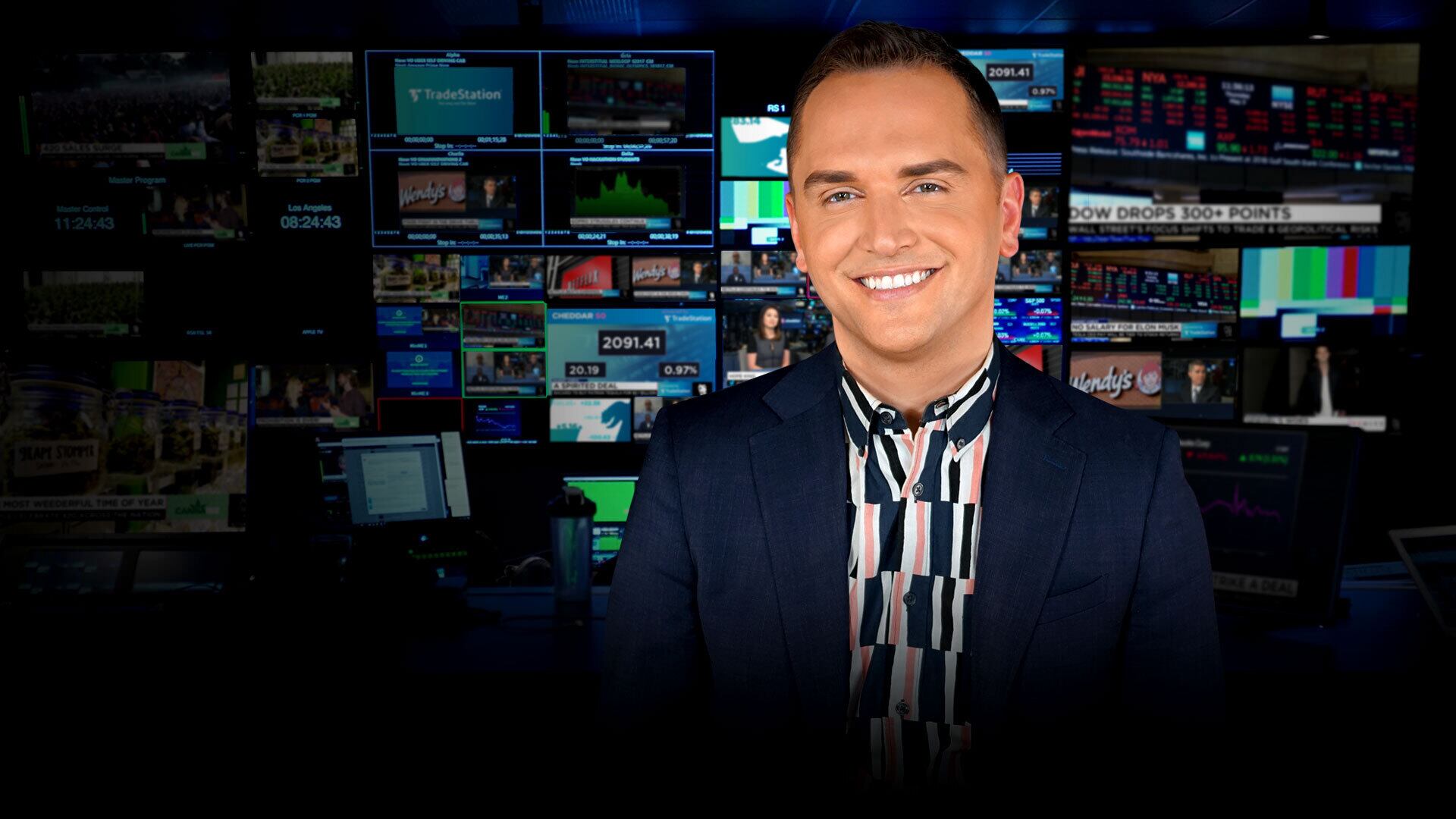
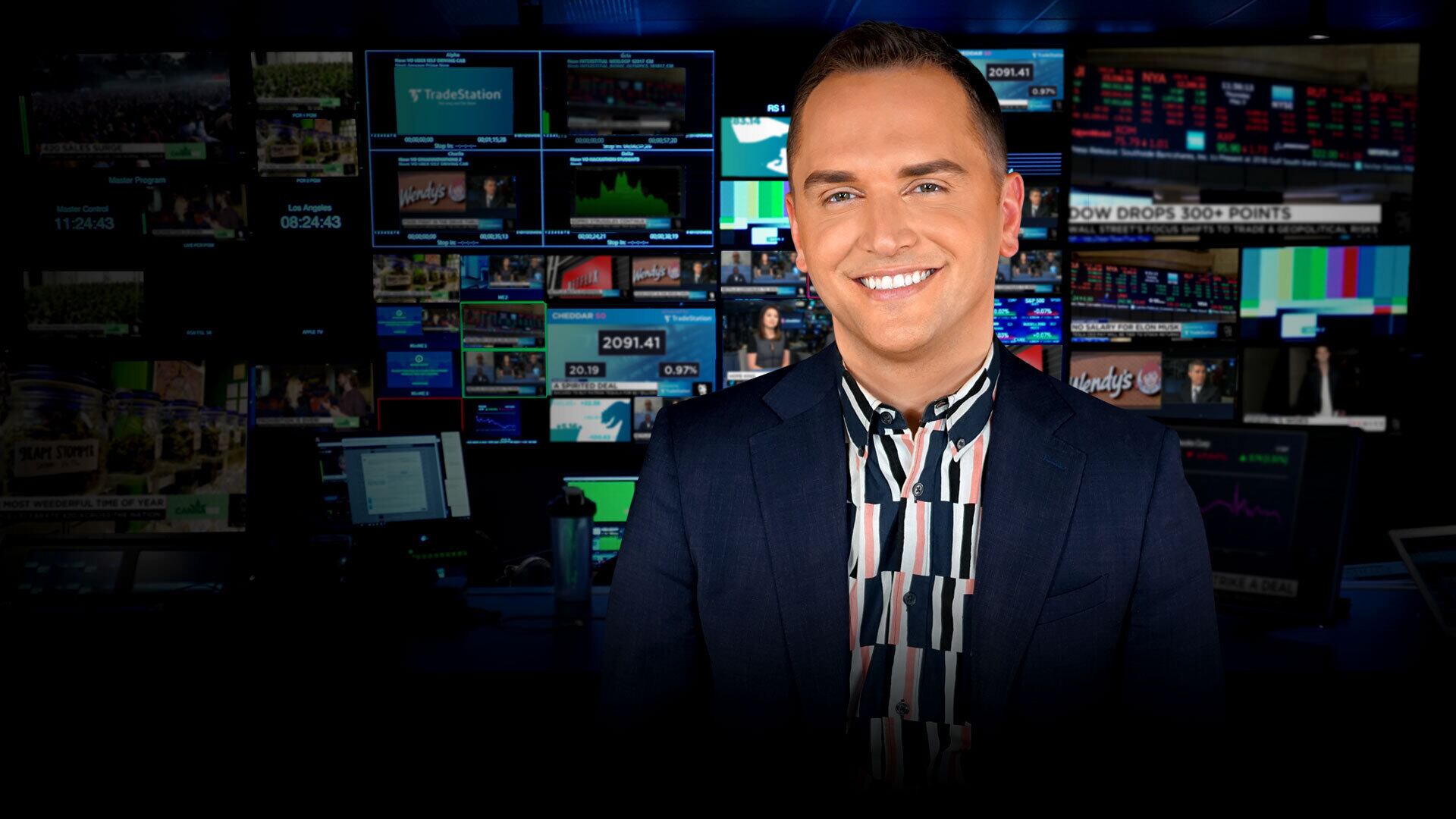
When you sing along to a soundtrack or hear your favorite jingle you may not understand the history of that sound. A lot goes into bringing music to your ears. Oscar Hoglund, CEO of the music licensing platform Epidemic Sound, joins Cheddar to discuss its expansion to the U.S. and blending video and audio.
Hoglund explains that the site has created a massive library, to which you can subscribe for unlimited use or license tracks per second. Its clients range from the smallest YouTube content creators to huge production companies. He talks about the trend of blending video and audio and why he's encouraged by other media companies such as Facebook teaming up with music licsening sites.
Plus, artist payment within the music industry is a controversial subject, many thinking the artist doesn't get the proper amount of compensation. Hoglund says Epidemic Sound strives for a 50/50 revenue split with all artists. He hopes that it encourages musicians to stay on the site.
Some parts of Twitter's source code — the fundamental computer code on which the social network runs — were leaked online, the social media company said in a legal filing that was first reported by The New York Times.
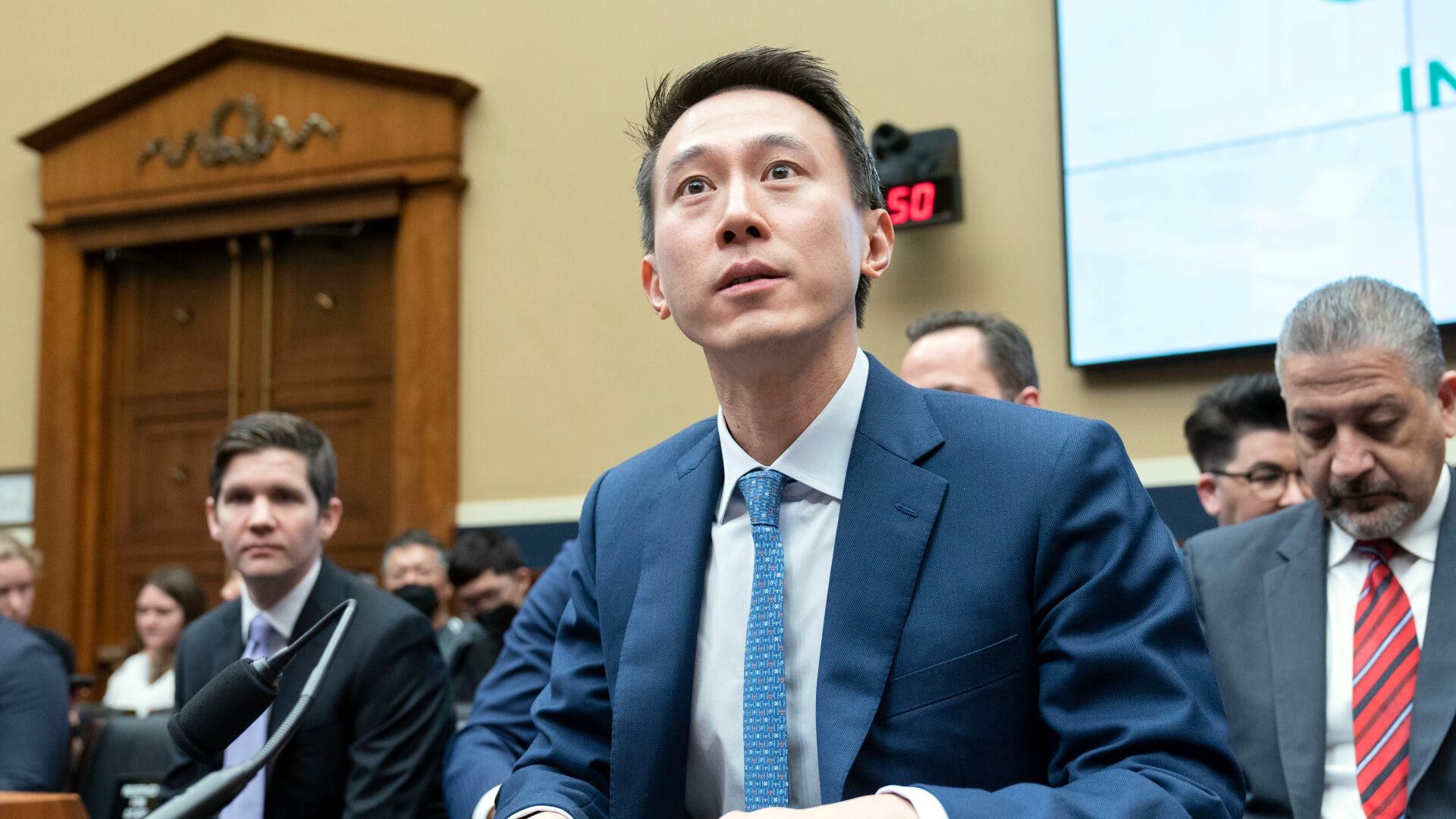
While data privacy still remains one of TikTok's biggest challenges, it may face a larger problem in order to stay in the United States: content moderation.
Governor Spencer Cox signed two measures restricting how easily children in the state can access platforms like TikTok and Twitter, setting the precedent in the U.S.
Activision Blizzard on Thursday released its first annual report on diversity and inclusion, and the results showed that the company has a long way to go before hitting its goals.
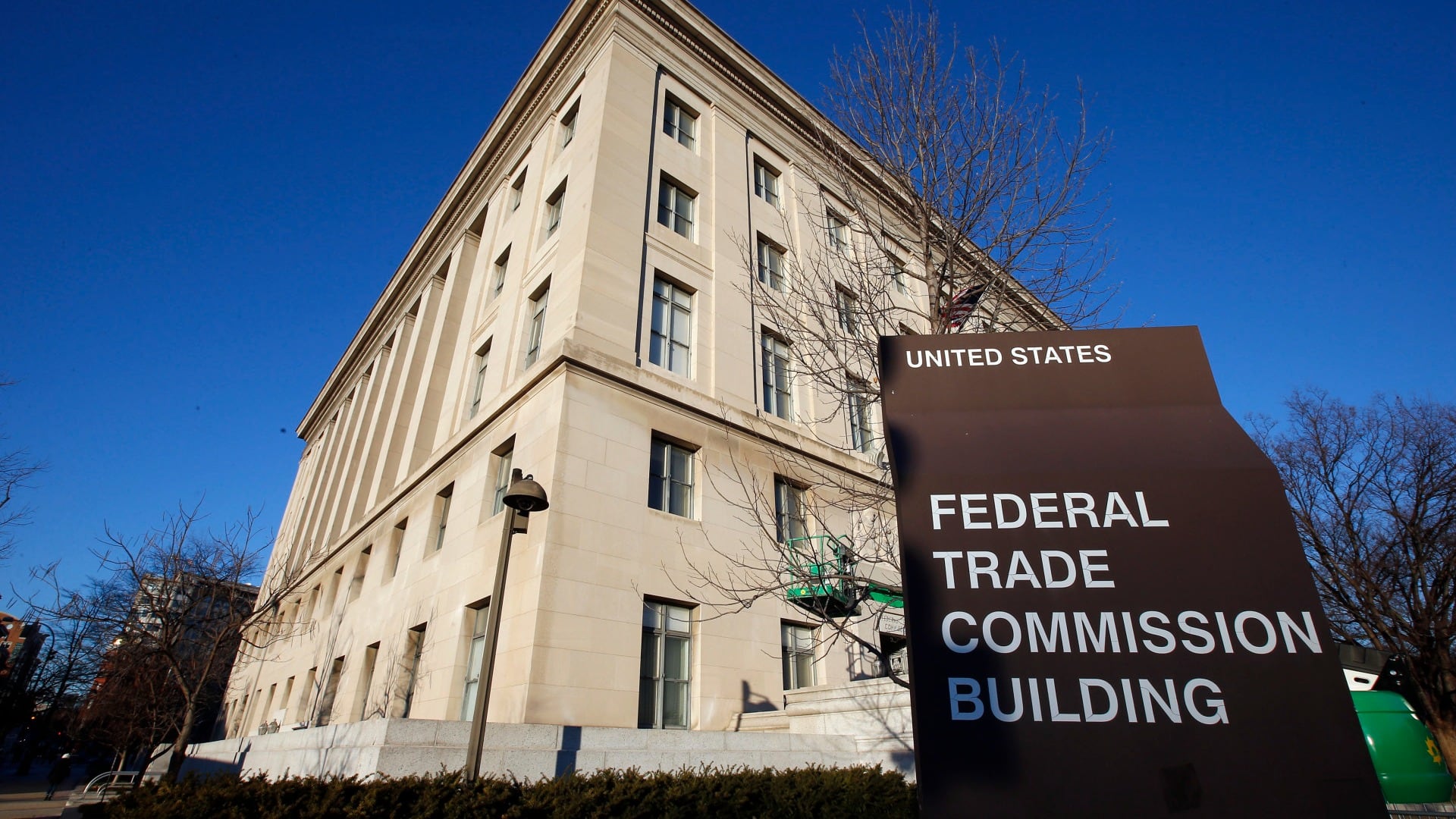
The Federal Trade Commission (FTC) has proposed a new rule that would make it easier for consumers to cancel free subscriptions. The so-called "click to cancel" provision requires sellers to make it as easy for users to cancel subscriptions as it was to subscribe.