Ever wonder how a dolphin sleeps while still swimming? Or how a giraffe sleeps while standing up? Cara Santa Maria, Narrator of Smithsonian Earth's "The Secret World of Animal Sleep" joins Cheddar to explore the wild world of sleeping animals.
Marine mammals only shut down half their brain while sleeping, leaving the other half of their body to stay afloat and be alert for prey. She explains how the higher up on the food chain you are, the more sleep you get. That's why prey species like giraffes can only afford mere minutes of sleep at a time, while lions revel in over 20 hours of luxurious slumber a day.
Arctic ground squirrels survive harsh Canadian winters through skilled hibernation. Entering a state of controlled hypothermia, their body temperatures drop to 27°F – the lowest ever recorded in a mammal.
Riggs Eckelberry, CEO of OriginClear, which manufactures modular clean water systems, provided background on the water safety crisis in the U.S. He also provided best practices on how to test and filter water at home.
The Centers for Disease Control and Prevention is warning of a rare and mysterious deadly fungal infection that is spreading at an alarming rate around the country.
New research shows that exposure to polyfluoroalkyl substances (PFAS), also known as "forever chemicals" can hamper growth and development in children by "altering hormonal and metabolic pathways."
The Centers for Disease Control and Prevention (CDC) on Monday warned that a deadly fungus called Candida auris (C. auris) is spreading at an "alarming rate" in the U.S. healthcare facilities.
Karuna Therapeutics' top-experimental schizophrenia drug significantly reduced symptoms in a late-stage trial but there were concerns that it could cause hypertension in patients.
One of television's most successful writers made a big donation to the Cedars Sinai Medical Center in Los Angeles to help underserved community members gain the skills to become health care professionals.
The UN Intergovernmental Panel on Climate Change (IPCC) has released a new report providing multiple options for how the world can survive and adapt to climate change.
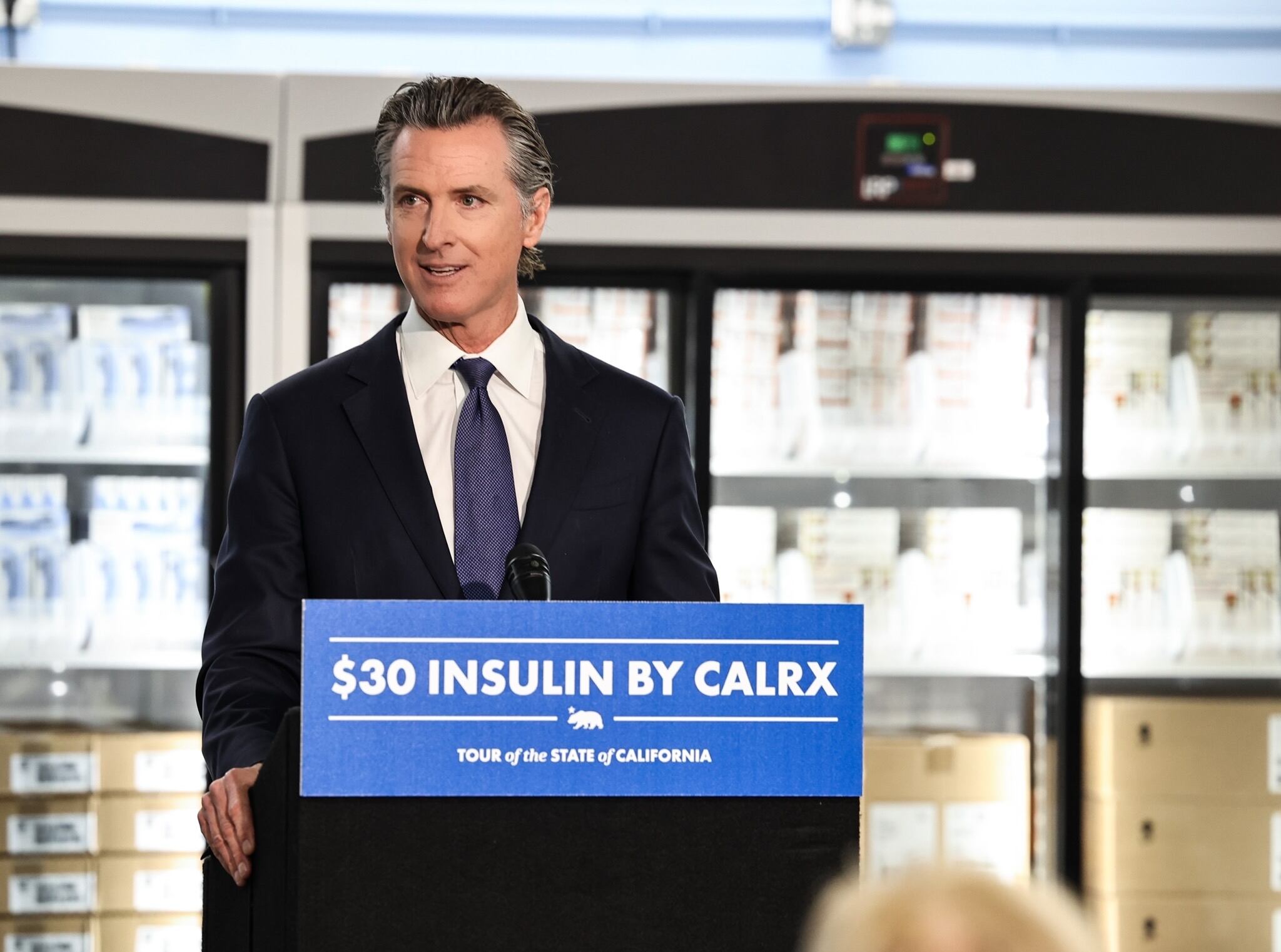
California Gov. Gavin Newsom over the weekend announced that the state has secured a contract with CIVCA to make $30 insulin available to all who need it. He also announced that the state will start manufacturing Naloxone, an emergency medication used to rapidly reverse the effects of an opioid overdose.