Ever wonder how a dolphin sleeps while still swimming? Or how a giraffe sleeps while standing up? Cara Santa Maria, Narrator of Smithsonian Earth's "The Secret World of Animal Sleep" joins Cheddar to explore the wild world of sleeping animals.
Marine mammals only shut down half their brain while sleeping, leaving the other half of their body to stay afloat and be alert for prey. She explains how the higher up on the food chain you are, the more sleep you get. That's why prey species like giraffes can only afford mere minutes of sleep at a time, while lions revel in over 20 hours of luxurious slumber a day.
Arctic ground squirrels survive harsh Canadian winters through skilled hibernation. Entering a state of controlled hypothermia, their body temperatures drop to 27°F – the lowest ever recorded in a mammal.
Two new cholesterol drugs were shown to be safe and effective in new research presented at an annual meeting of the American Heart Association on Sunday.
Researchers are working with growers to help counter the effects of more volatile weather systems with improved hop varieties that can withstand drought and by adding winter barley to the mix.
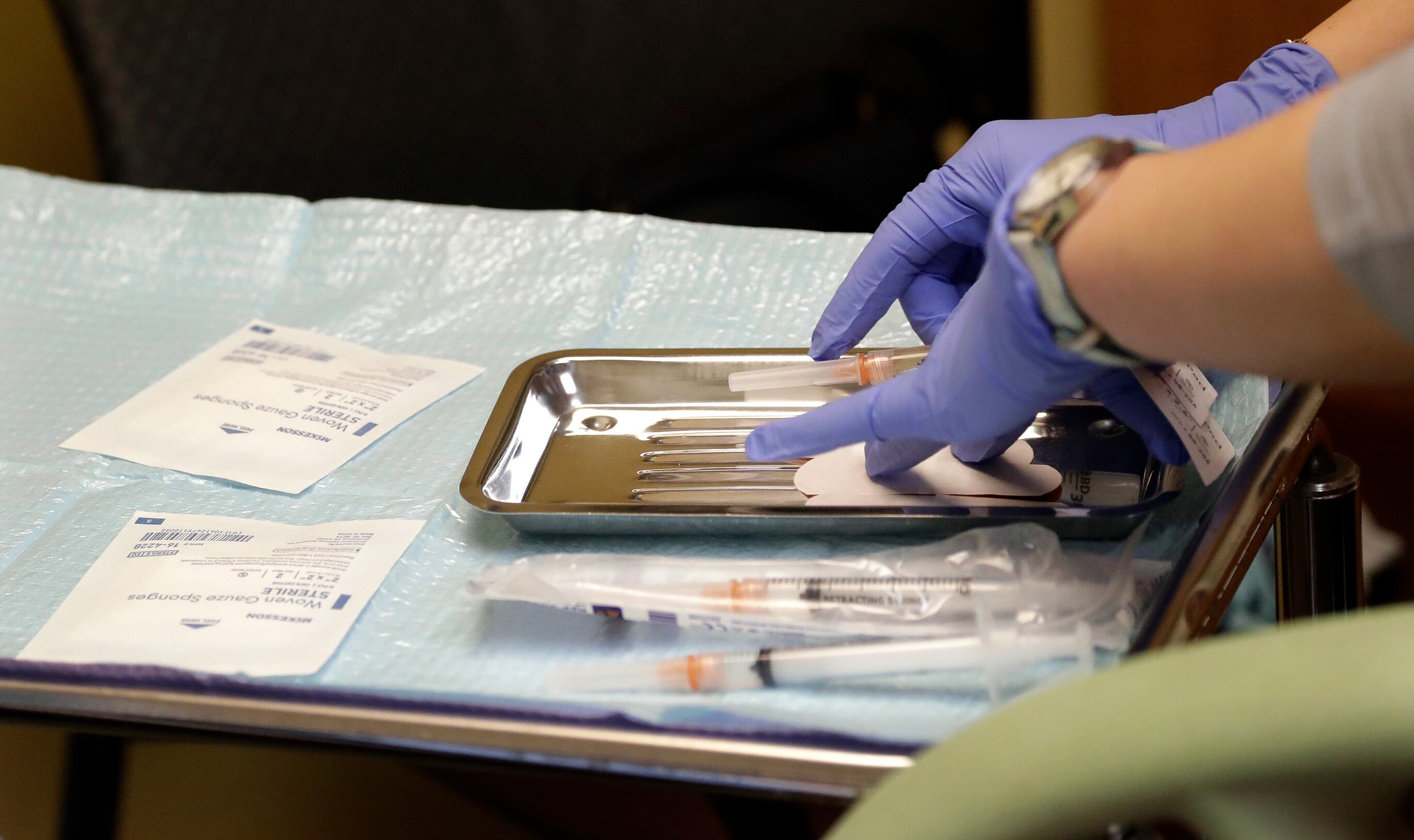
The proportion of U.S. kindergartners exempted from school vaccination requirements has hit its highest level ever, 3%, U.S. health officials said Thursday.
New research shows that people can be genetically predisposed to having sleep problems like insomnia and that these signs can show up in early childhood.
The National Zoo's three giant pandas, Mei Xiang, Tian Tian and their cub Xiao Qi Ji. on Wednesday began their long trip to China, leaving behind an empty panda exhibit with no certainty that pandas ever would again take up residence there.