Ever wonder how a dolphin sleeps while still swimming? Or how a giraffe sleeps while standing up? Cara Santa Maria, Narrator of Smithsonian Earth's "The Secret World of Animal Sleep" joins Cheddar to explore the wild world of sleeping animals.
Marine mammals only shut down half their brain while sleeping, leaving the other half of their body to stay afloat and be alert for prey. She explains how the higher up on the food chain you are, the more sleep you get. That's why prey species like giraffes can only afford mere minutes of sleep at a time, while lions revel in over 20 hours of luxurious slumber a day.
Arctic ground squirrels survive harsh Canadian winters through skilled hibernation. Entering a state of controlled hypothermia, their body temperatures drop to 27°F – the lowest ever recorded in a mammal.
The World War II veteran who walked into the hearts of a nation in lockdown as he shuffled up and down his garden to raise money for healthcare workers has died after testing positive for COVID-19.
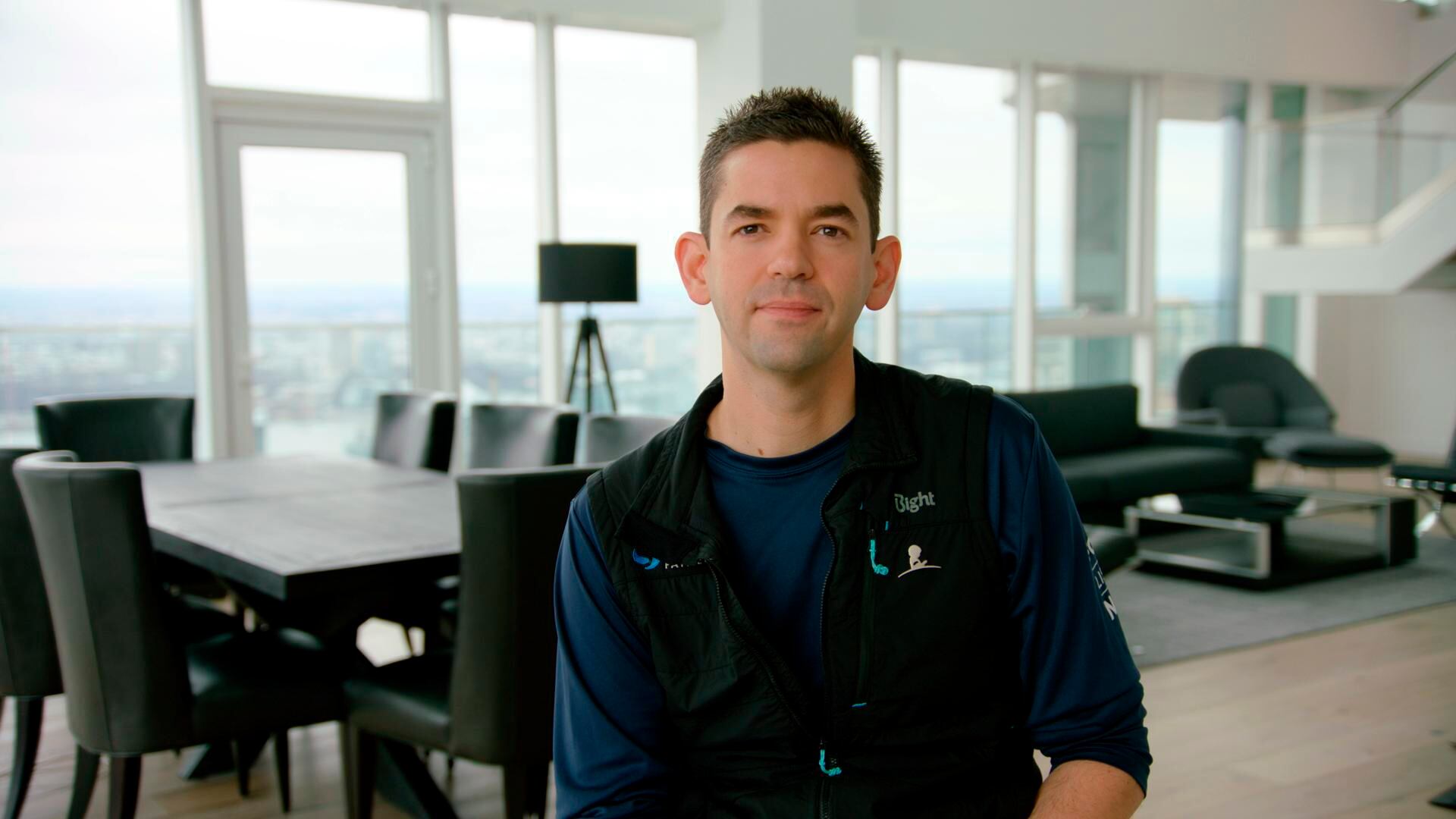
Pennsylvania entrepreneur Jared Isaacman aims to use the trip to raise $200 million for St. Jude Children's Research Hospital.
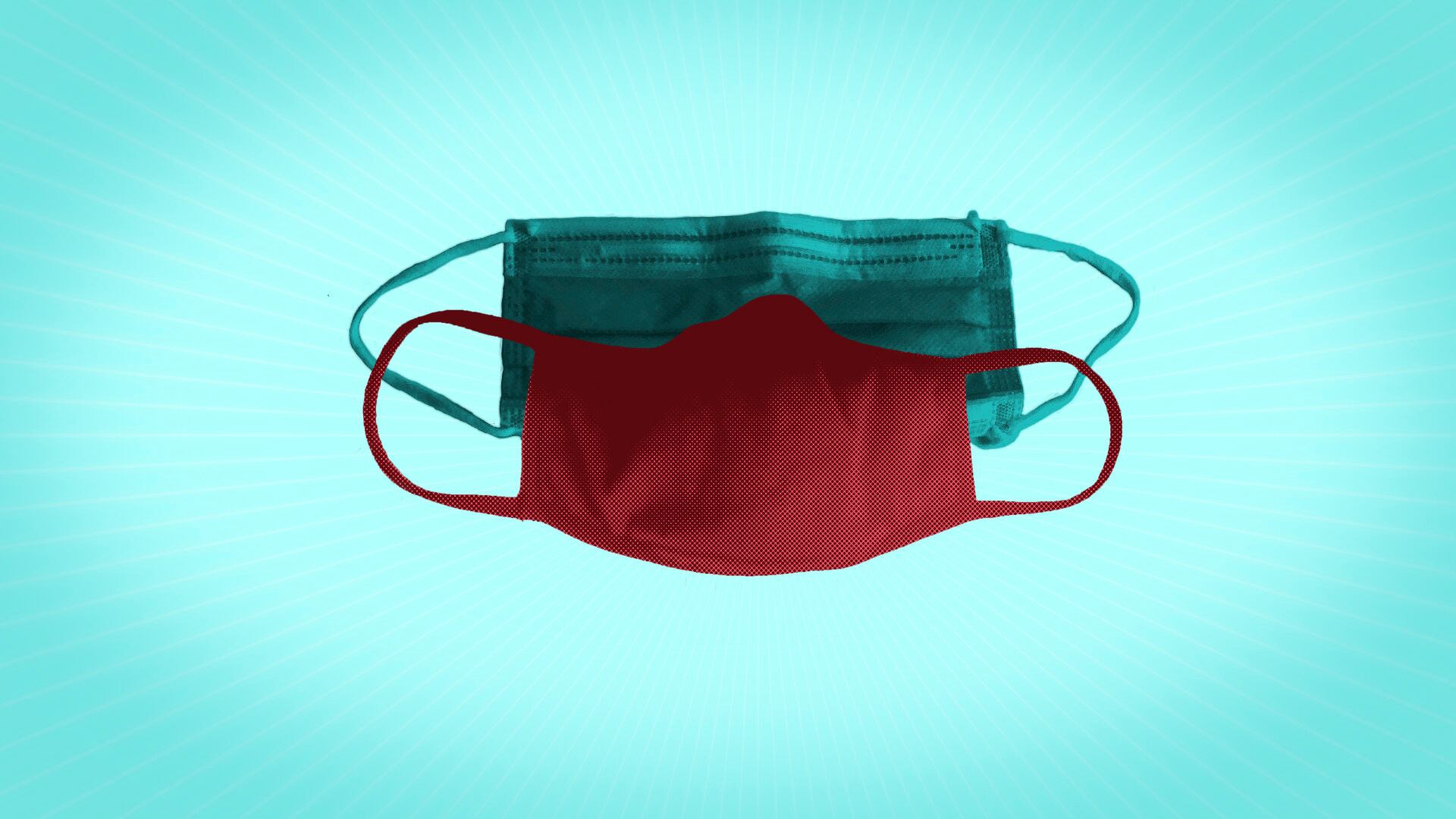
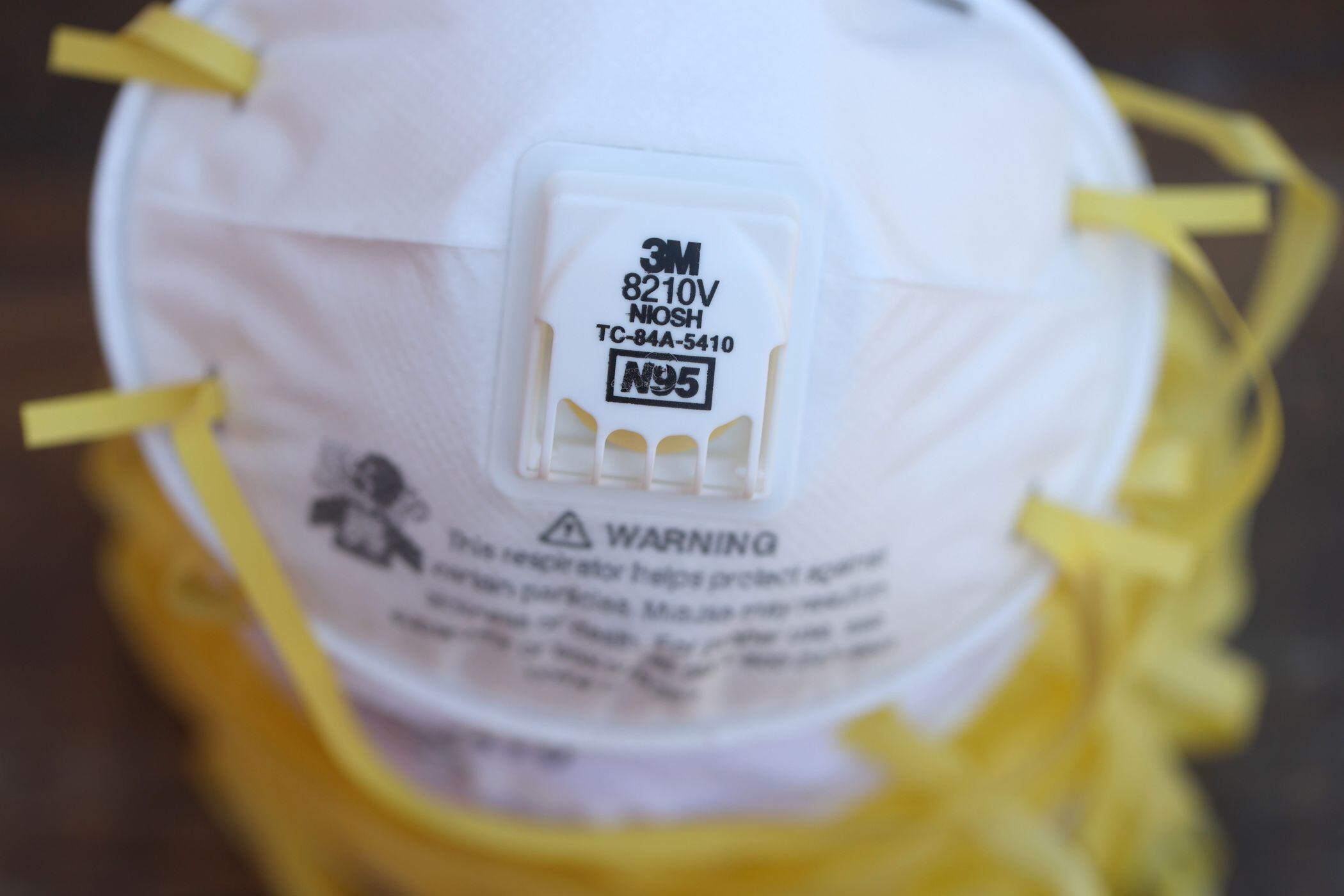
Does wearing two masks provide more protection?
Geraldine Barnuevo, , environmental strategies and sustainability senior manager at GM, spoke to Cheddar about what's in store for the automaker following its big pledge to go carbon neutral by 2040.
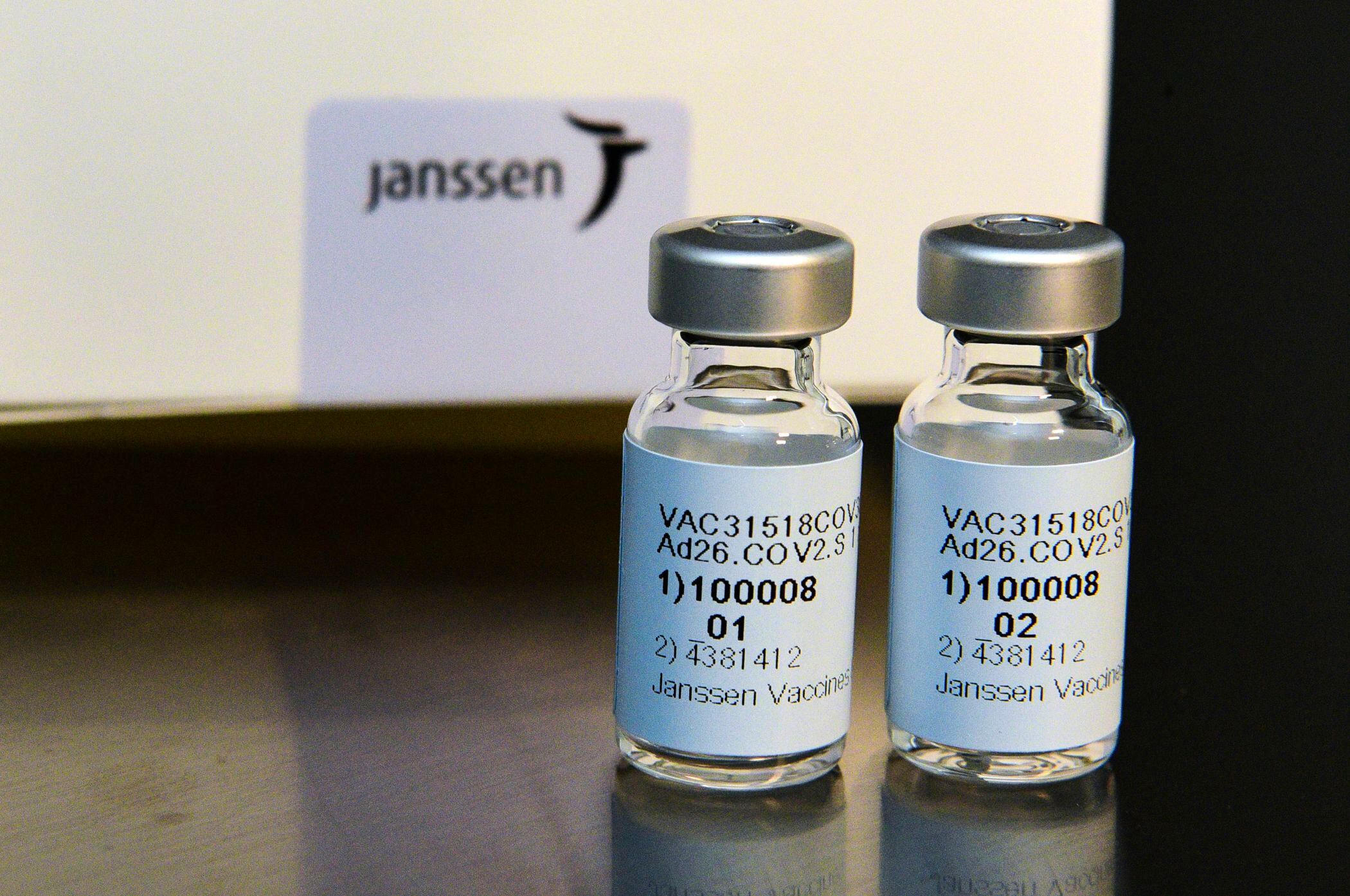
Johnson & Johnson says its vaccine appears to protect against COVID-19 with just one shot.
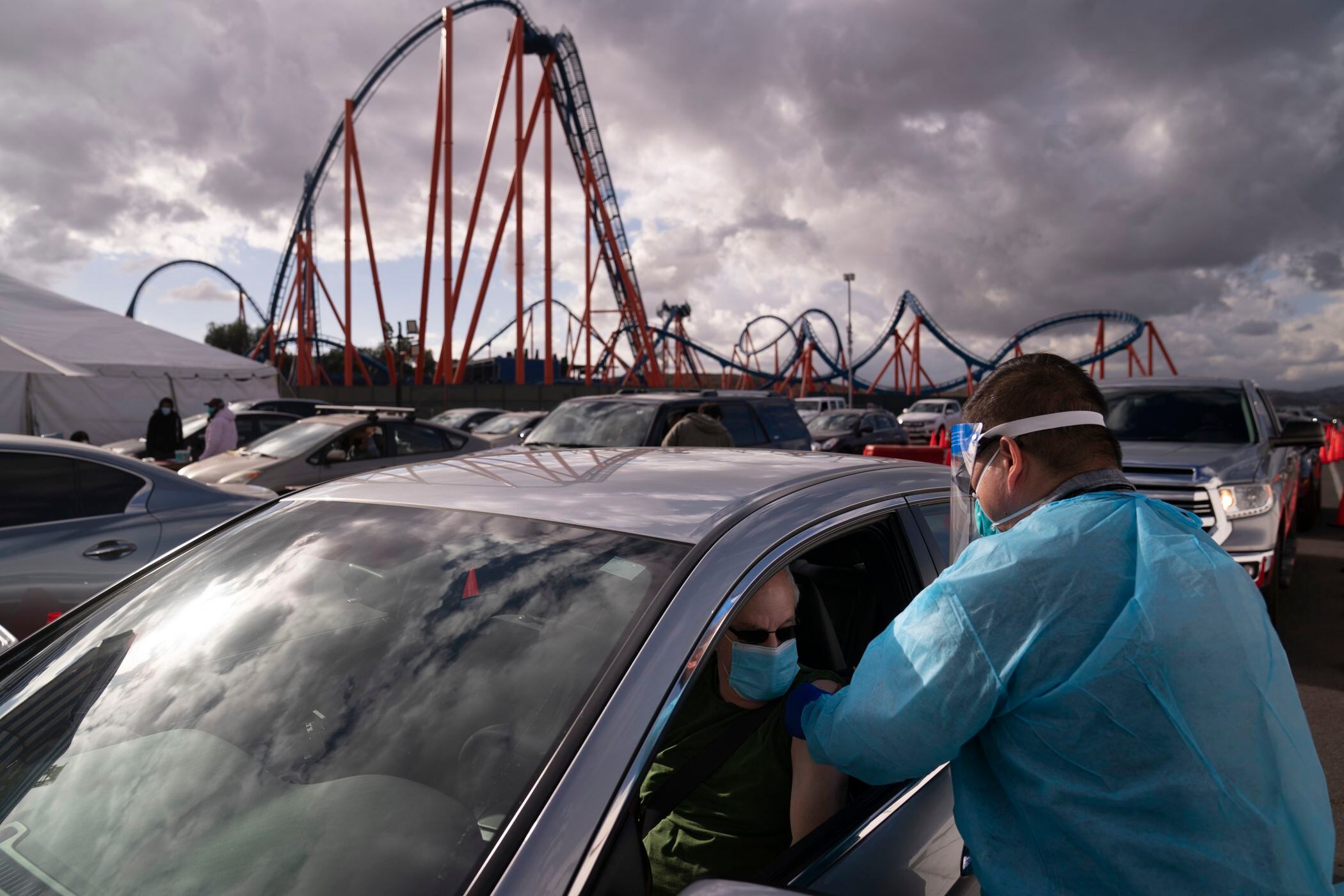
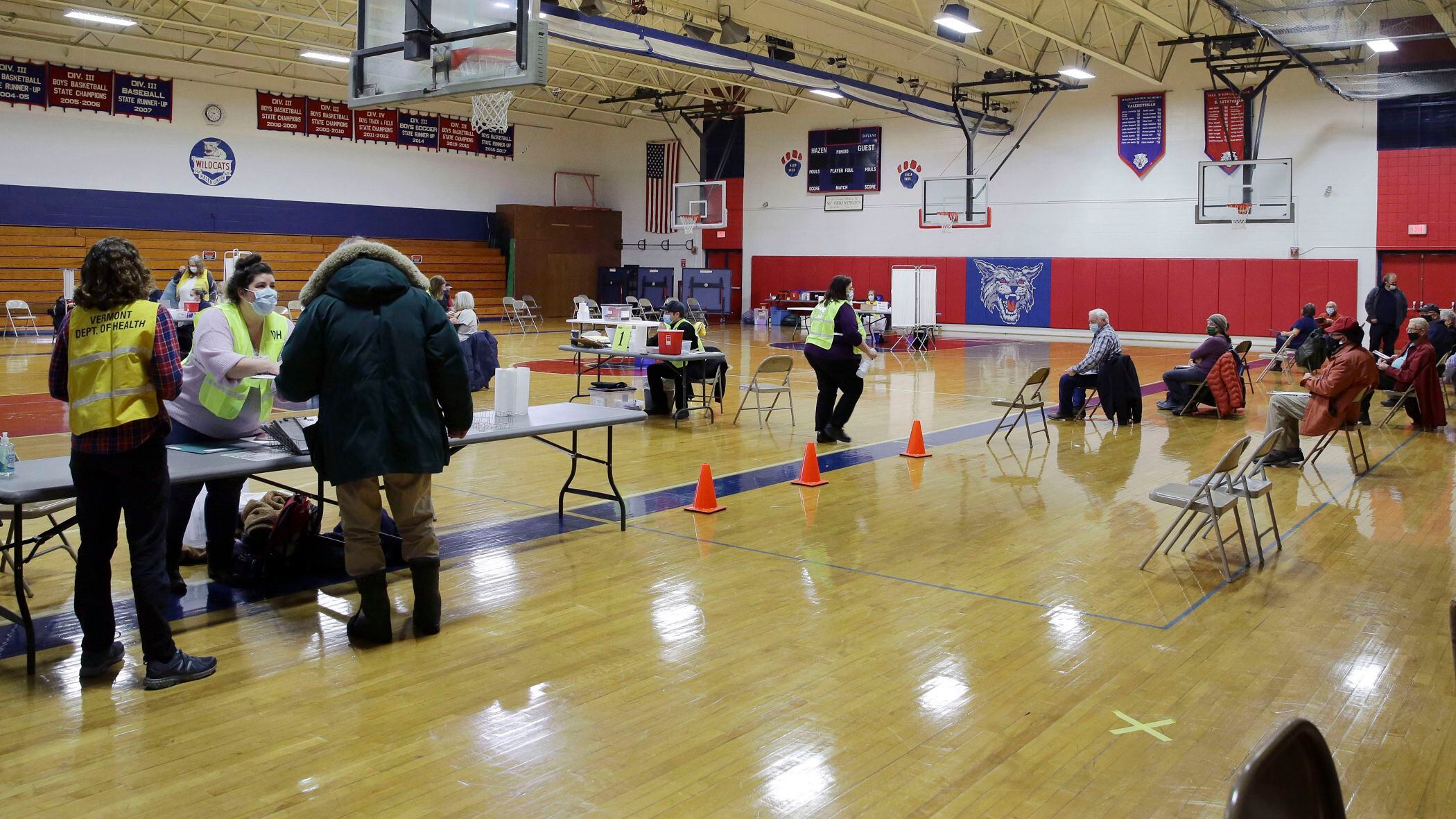
Event organizers and other unconventional logistics experts are using their skills to help the nation vaccinate as many people against COVID-19 as possible.
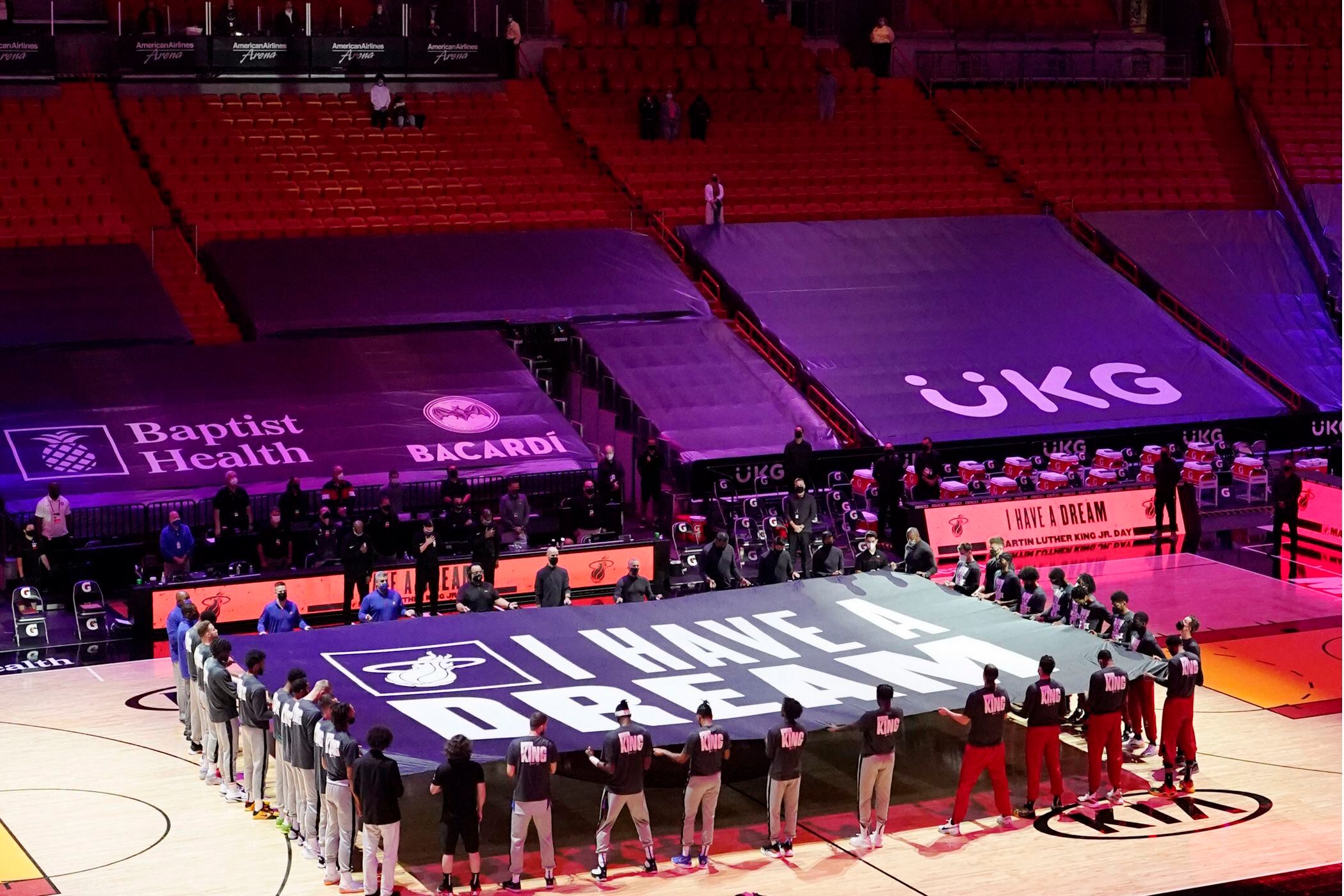
The Heat will use coronavirus-sniffing dogs at AmericanAirlines Arena to screen fans who are coming to their home games.
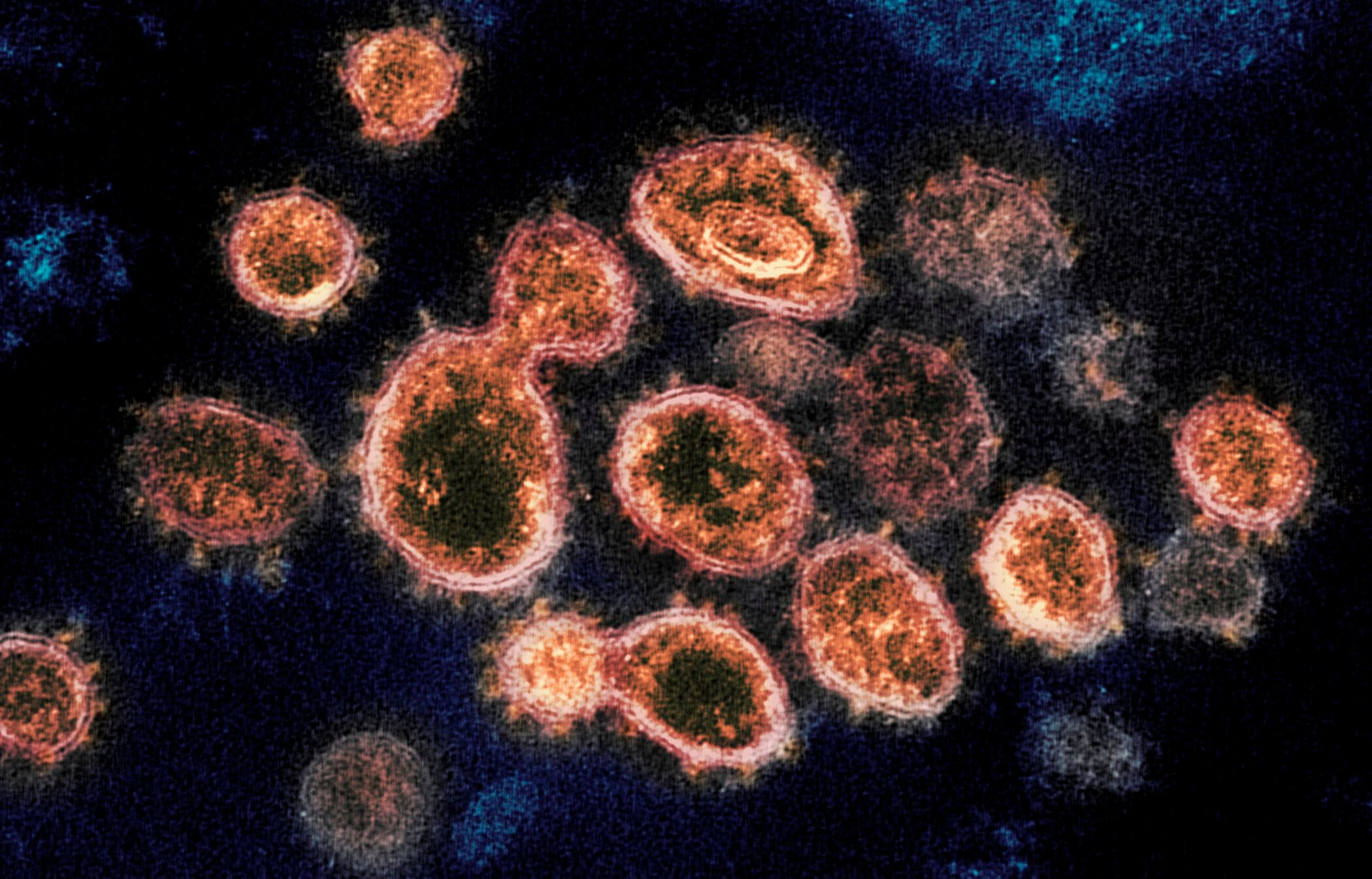
A new variant of the coronavirus has emerged in the United States.
John Banovetz, chief technology officer at 3M, spoke with Cheddar about how we can better prepare for future pandemics based on lessons learned from COVID.
Employers weigh the pros and cons of potentially mandating workers get the COVID vaccine or incentivizing them to get the shots, a conundrum complicated by legal considerations.