Ever wonder how a dolphin sleeps while still swimming? Or how a giraffe sleeps while standing up? Cara Santa Maria, Narrator of Smithsonian Earth's "The Secret World of Animal Sleep" joins Cheddar to explore the wild world of sleeping animals.
Marine mammals only shut down half their brain while sleeping, leaving the other half of their body to stay afloat and be alert for prey. She explains how the higher up on the food chain you are, the more sleep you get. That's why prey species like giraffes can only afford mere minutes of sleep at a time, while lions revel in over 20 hours of luxurious slumber a day.
Arctic ground squirrels survive harsh Canadian winters through skilled hibernation. Entering a state of controlled hypothermia, their body temperatures drop to 27°F – the lowest ever recorded in a mammal.
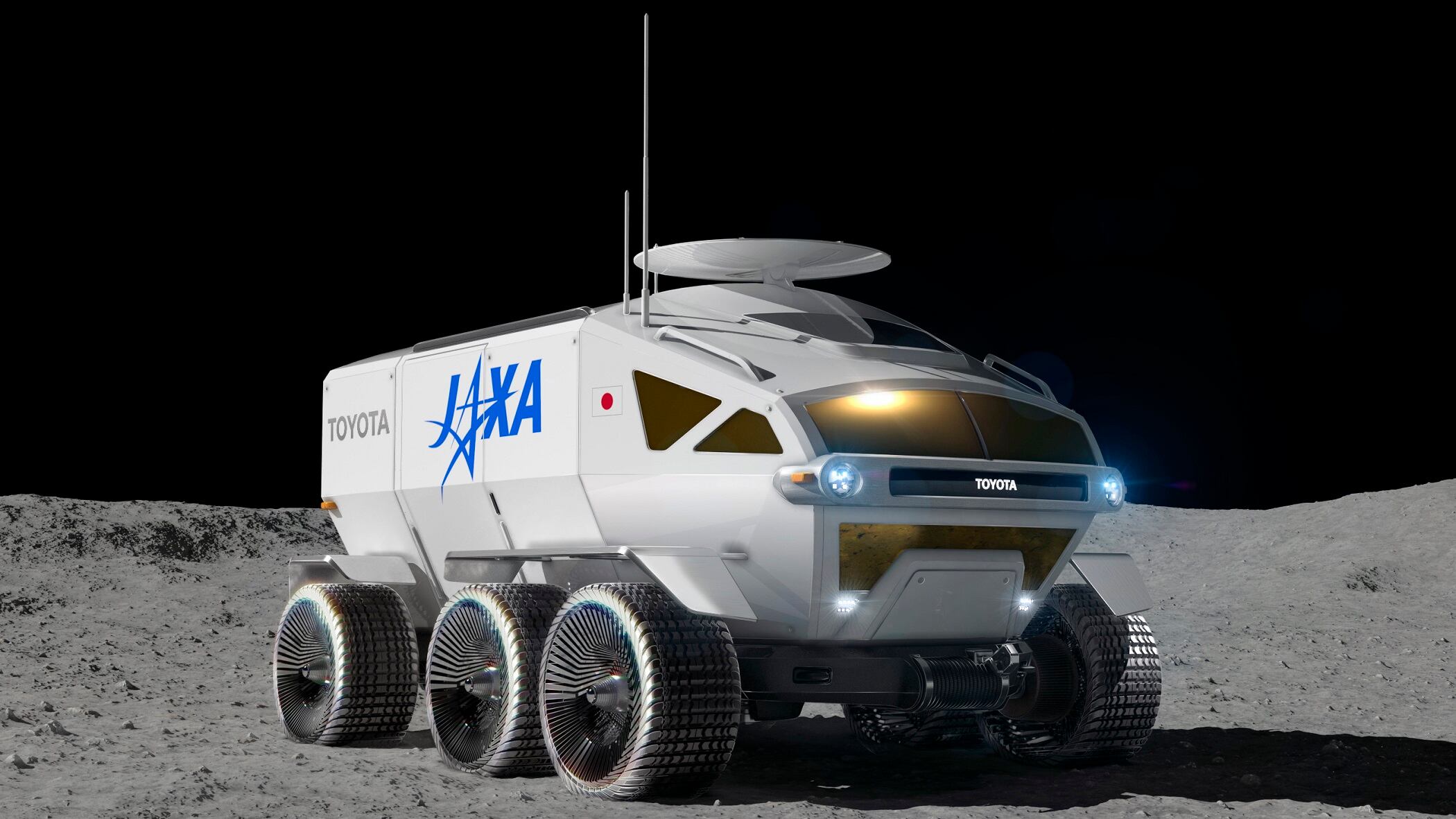
Toyota says it's working with Japan’s space agency on a vehicle to explore the lunar surface, with ambitions to help people live on the moon by 2040 and eventually live on Mars.
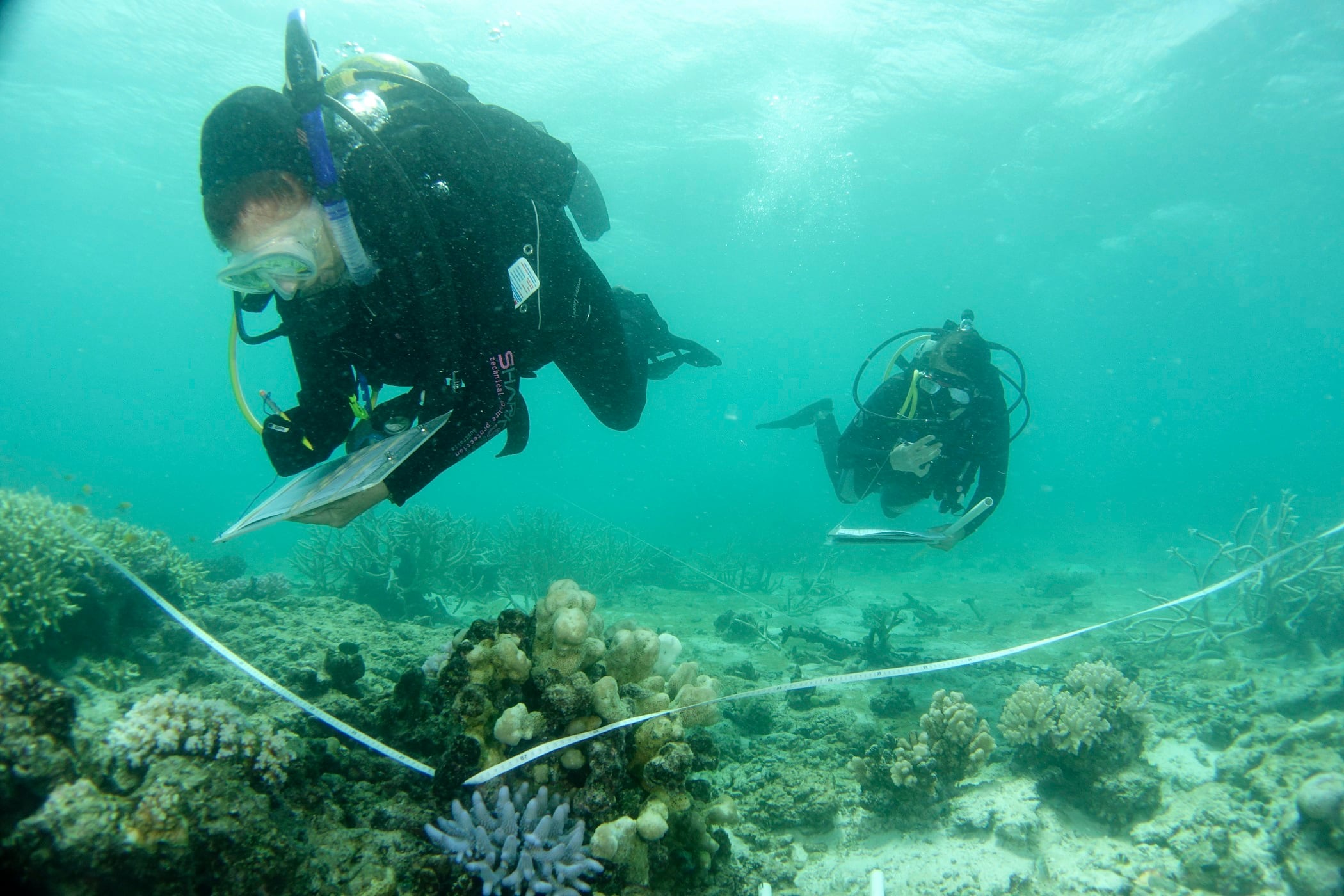
he Australian government has pledged to spend another 1 billion Australian dollars ($704 million) over nine years on improving the health of the Great Barrier Reef after stalling a UNESCO decision on downgrading the natural wonder’s World Heritage status.
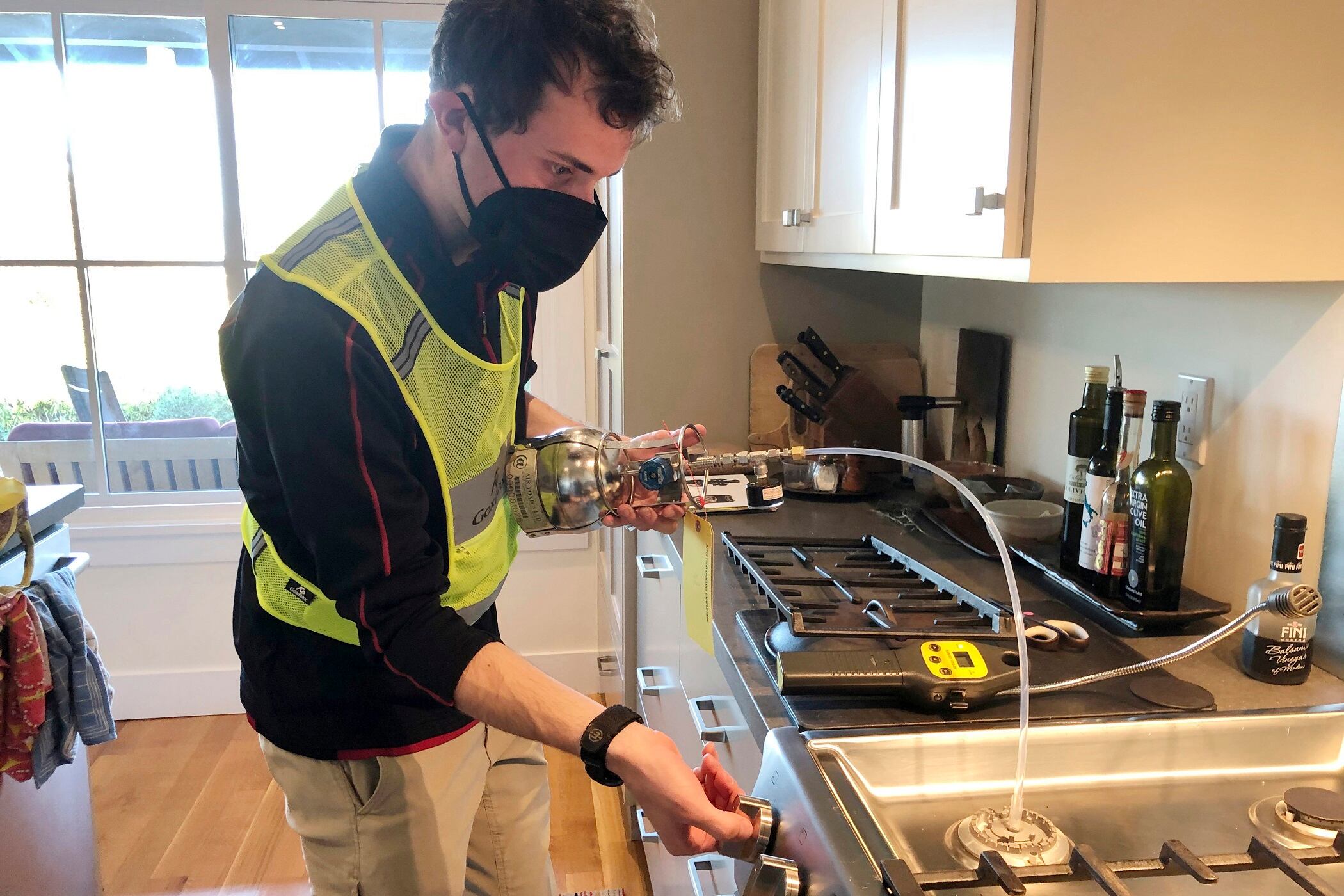
The study by California researchers that was published in Thursday’s journal Environmental Science & Technology found that more than 2.6 million tons of methane leaks into the air from gas stoves in the United States even when they aren't running.
Denmark’s government says it will scrap most pandemic restrictions next week, even as neighboring Sweden has extended its own measures for another fortnight.
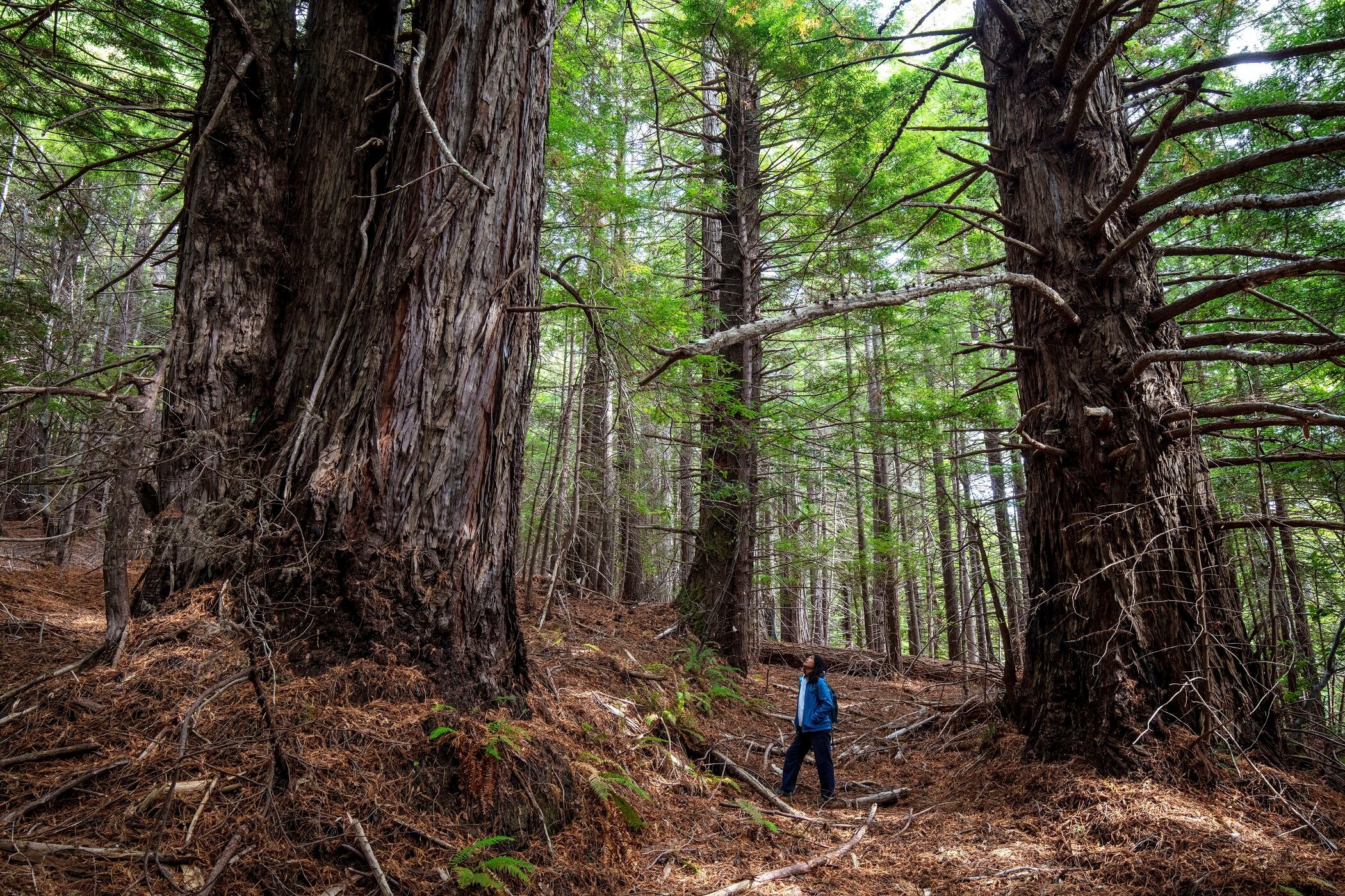
A conservation group is turning over a historic redwood grove on the Northern California coast to descendants of the original Native American inhabitants.
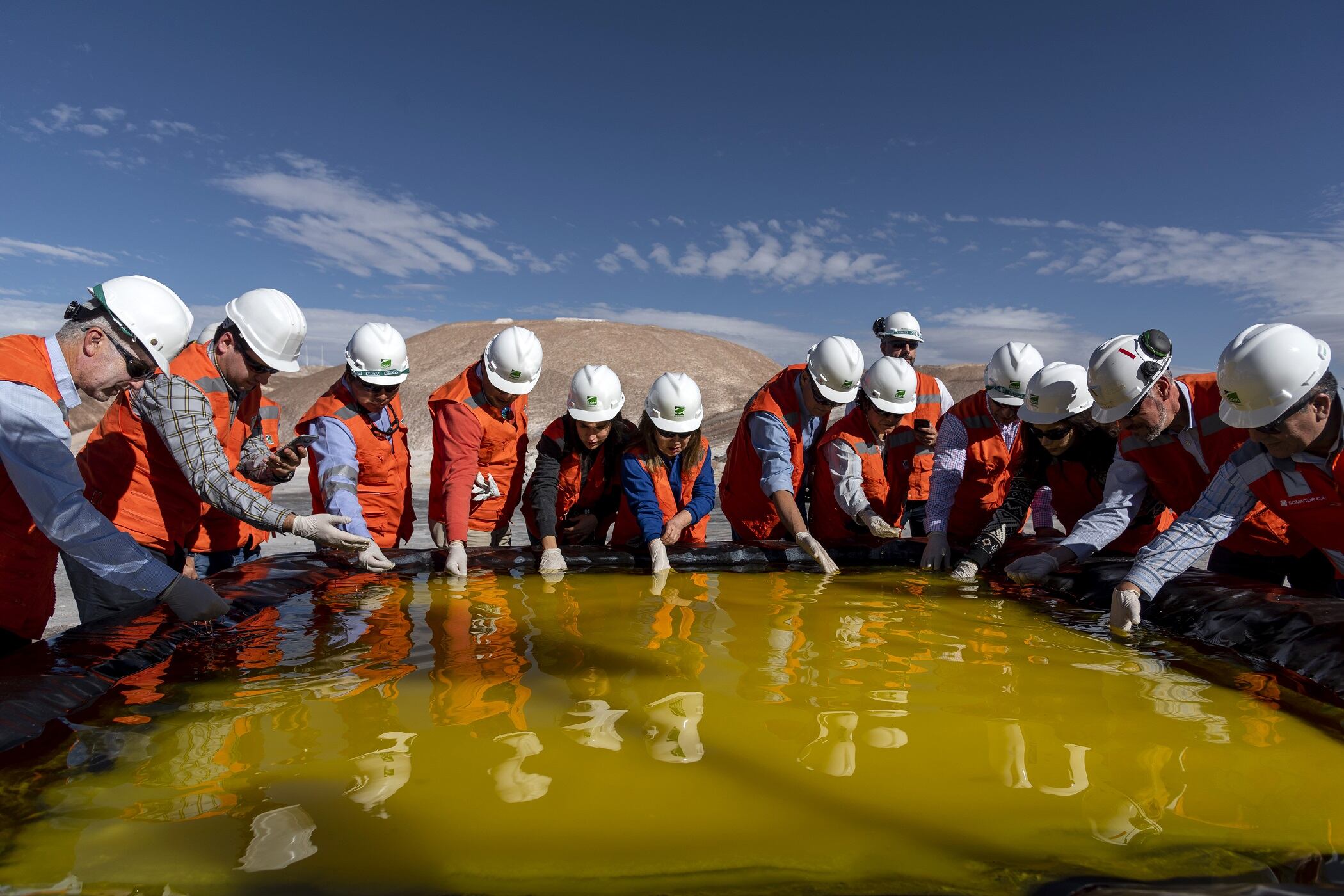
Arguably the biggest challenge to the rise of electric vehicles is their outsized demand for rare earth minerals. Cheddar's Alex Vuocolo does a deep dive into the struggle over securing supply chains for a green tech future.
New research suggests giving extra cash to low-income mothers can change their infants’ brain development.
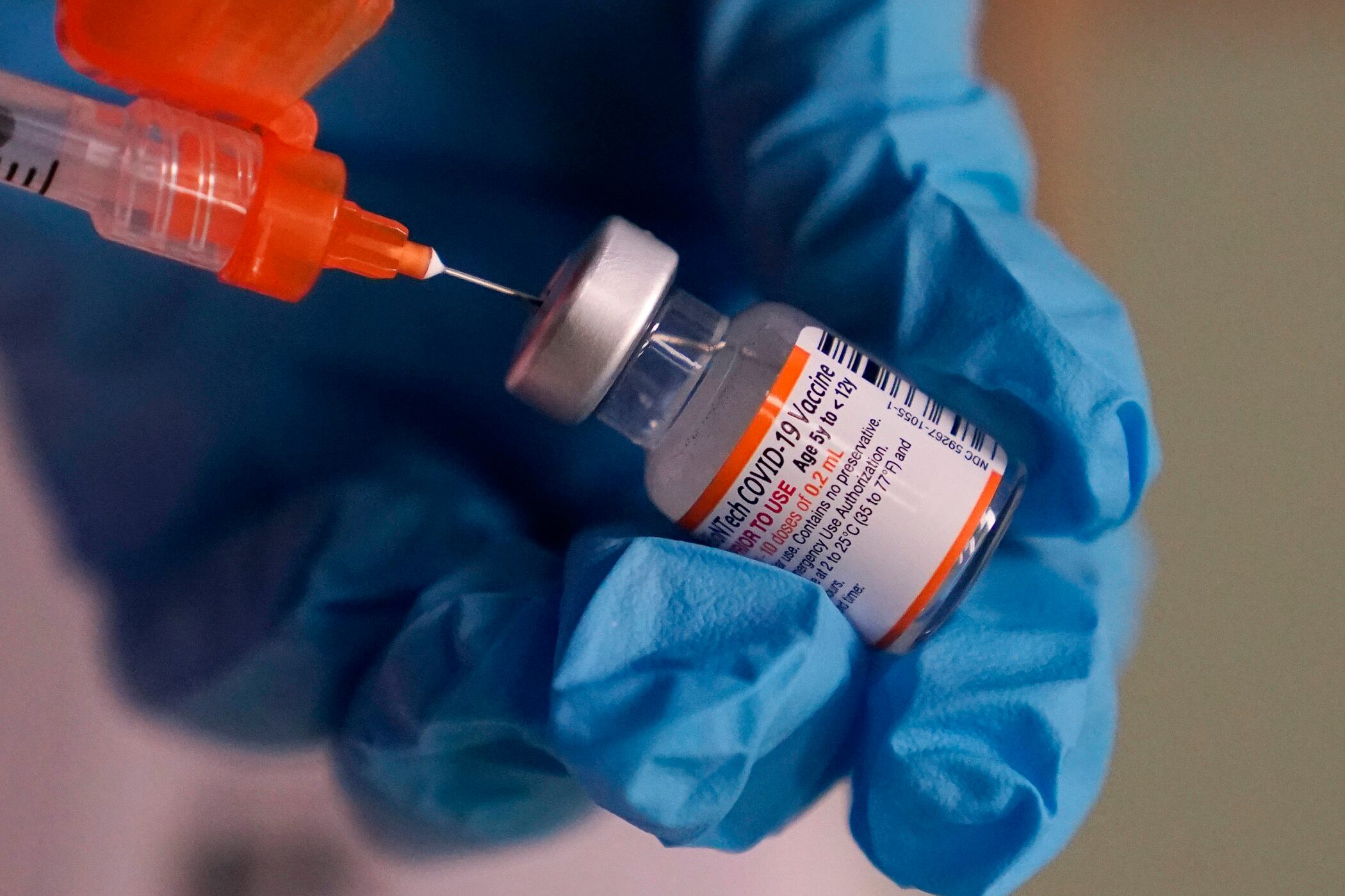
Pfizer and BioNTech have begun studying a COVID-19 vaccine tweaked to match to the omicron variant in healthy adults.
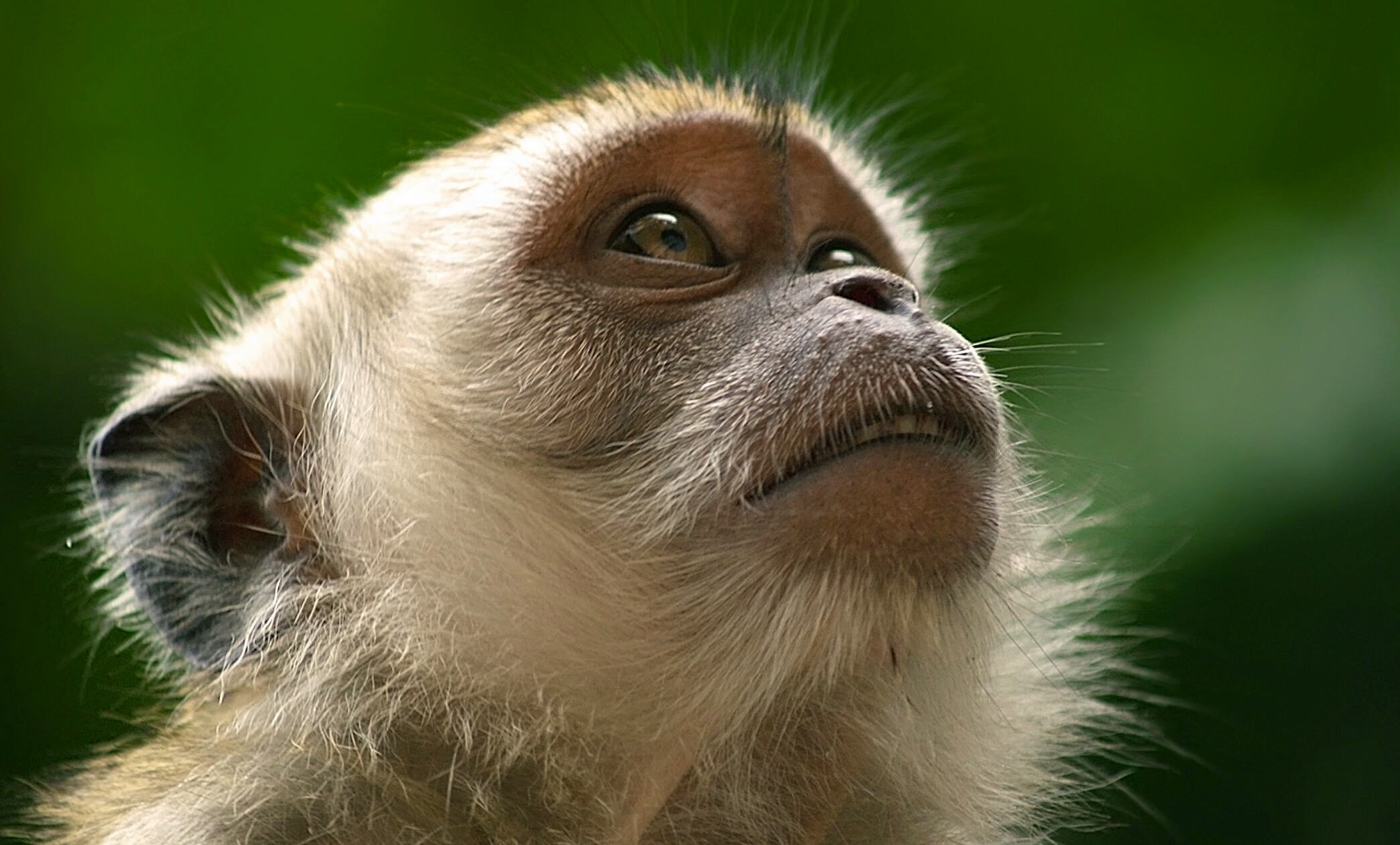
Federal authorities say the last of the escaped monkeys from a Pennsylvania highway crash of a truck towing a trailer load of the animals has been accounted for.
They say life is about the journey, not the destination — and how you get there makes all the difference. Americans shunned train stations, roadways, and airports amid the coronavirus pandemic, never realizing things could be fundamentally different when they return. In this episode, we're exploring the evolving world of transportation, from how we get around to how goods get to us.