Ever wonder how a dolphin sleeps while still swimming? Or how a giraffe sleeps while standing up? Cara Santa Maria, Narrator of Smithsonian Earth's "The Secret World of Animal Sleep" joins Cheddar to explore the wild world of sleeping animals.
Marine mammals only shut down half their brain while sleeping, leaving the other half of their body to stay afloat and be alert for prey. She explains how the higher up on the food chain you are, the more sleep you get. That's why prey species like giraffes can only afford mere minutes of sleep at a time, while lions revel in over 20 hours of luxurious slumber a day.
Arctic ground squirrels survive harsh Canadian winters through skilled hibernation. Entering a state of controlled hypothermia, their body temperatures drop to 27°F – the lowest ever recorded in a mammal.
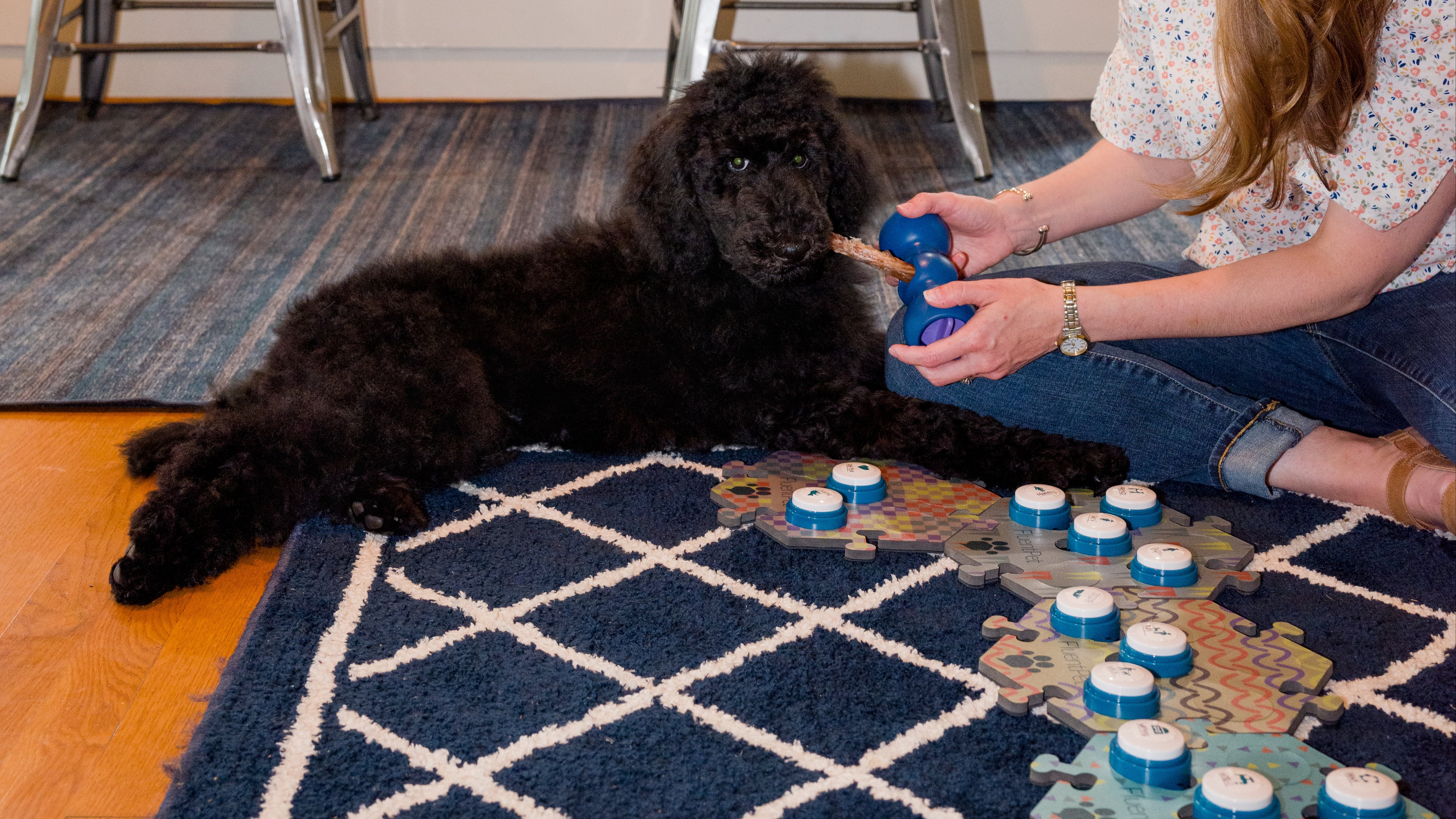
Los Angeles-based FluentPet has developed a series of tiles it claims help four-legged companions communicate with their humans.
The World Health Organization chief says the coronavirus remains a global health emergency.
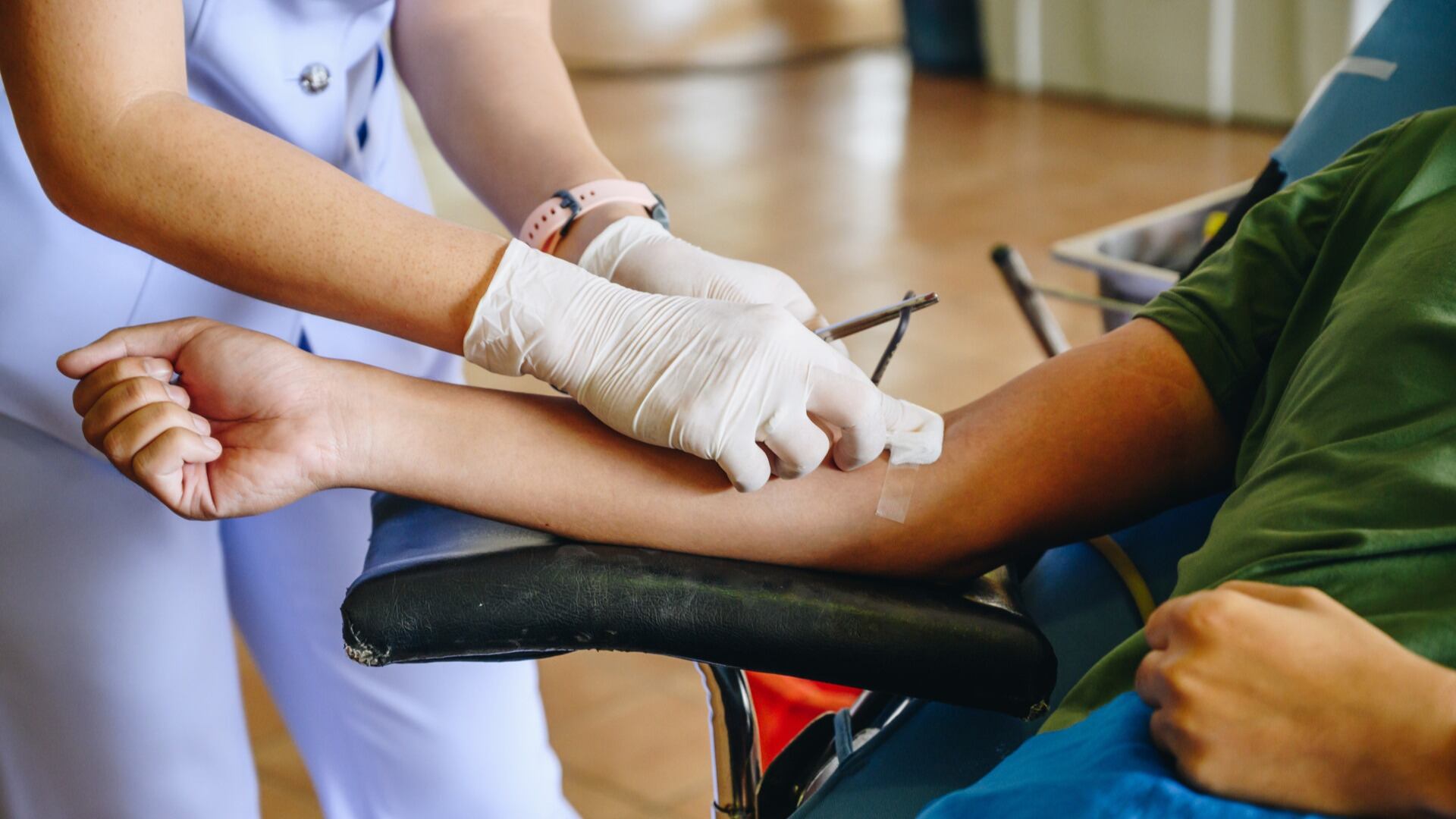
The Food and Drug Administration is changing its policy to make it easier for gay men to donate blood.
Blue Origin is sending an all-female crew into orbit next year, according to The Wall Street Journal.
Jeff Bezos' girlfriend is leading an all-female space mission aboard a Blue Origin spacecraft.
The Food and Drug Administration is raising concerns about the long-term effects of CBD.
CVS and Walmart are cutting back pharmacy hours due to a shortage of pharmacists.
The U.S. plans to make it easier for gay and bisexual men to give blood by easing restrictions on groups that typically face higher risks of HIV.
Five former Memphis police officers were charged with murder in the death of Tyre Nichols, the FDA explores yearly COVID vaccines, and New York City explores electric Uber and Lyft rides. Here is everything you Need2Know for Friday, January 27, 2023.
The Food and Drug Administration is joining an international probe that is taking a closer look at some cough syrups that have killed over 300 children worldwide.