The RNC's Kayleigh McEnany on Parkland: The GOP Can Make Change
The deadly attack on a Parkland, Fla., high school last week mobilized not only students to demand action on gun control, but also may have spurred action in Washington.
On Tuesday, President Trump asked the Department of Justice for regulations that would ban so-called “bump stocks.” It’s a move that Republican National Committee spokeswoman Kayleigh McEnany says shows the issue doesn’t have to be a partisan one.
“Our party can make change. Just because you’re pro-Second Amendment, just because you are with the NRA or seeing money from the NRA, that doesn’t mean you don’t want to do everything possible to avert tragedies like this,” she told Cheddar. “That’s why you’re seeing Republican lawmakers talk about background check systems and Republican lawmakers also talking about bump stocks. These are things that are compatible with the Second Amendment.”
Nineteen-year-old Nikolas Cruz opened fire at Marjory Stoneman Douglas High School on Valentine’s Day, an attack that left 17 dead and more than a dozen injured.
In the wake of the attack, several students have emerged as advocates for gun control, organizing marches to local and federal government offices and addressing what they saw as President Trump’s inadequate response to the events.
Over the weekend, Trump expressed support for a bipartisan bill introduced by Senators John Cornyn (R-TX) and Chris Murphy (D-CT) to fix the background check system. That legislation was prompted by a shooting at a Sutherland Springs, Tex., church in November. The “bump stock” bill meanwhile, also bipartisan, came after the Las Vegas attack in October, in which a shooter used the devices to make a semi-automatic rifle act like a machine gun.
McEnany, who’s from the state of Florida, says that gun control regulations have to be a joint effort between states and the federal government.
“This has to be a multi-pronged approach,” she said. “We also need to look at mental health. We also need to look at the missed warning signs at the FBI, the fact that they were called and proper protocol wasn’t followed.”
For full interview, [click here](https://cheddar.com/videos/rnc-spokeswoman-kayleigh-mcenany-republicans-are-pro-second-amendment-anti-tragedy).
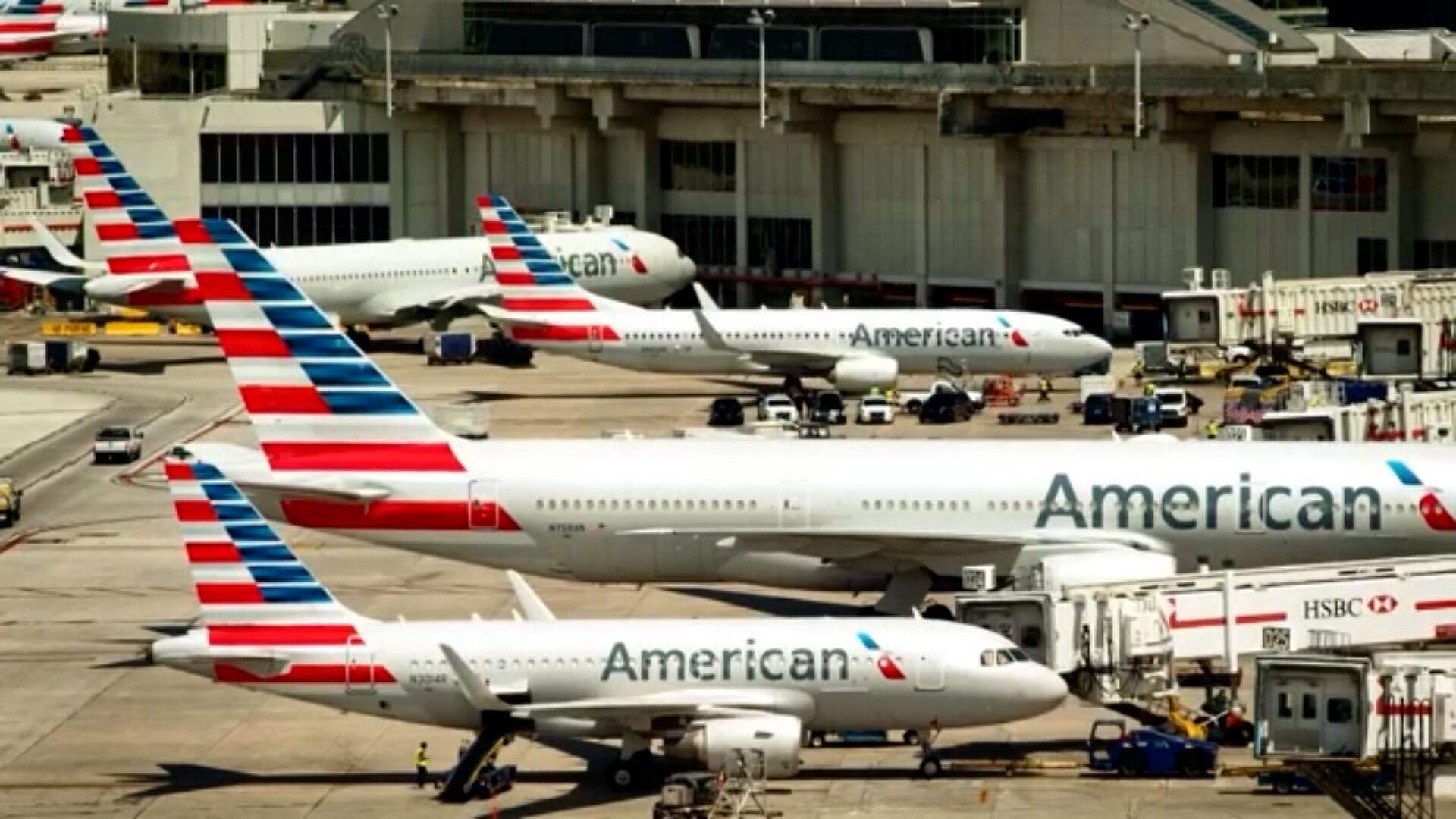
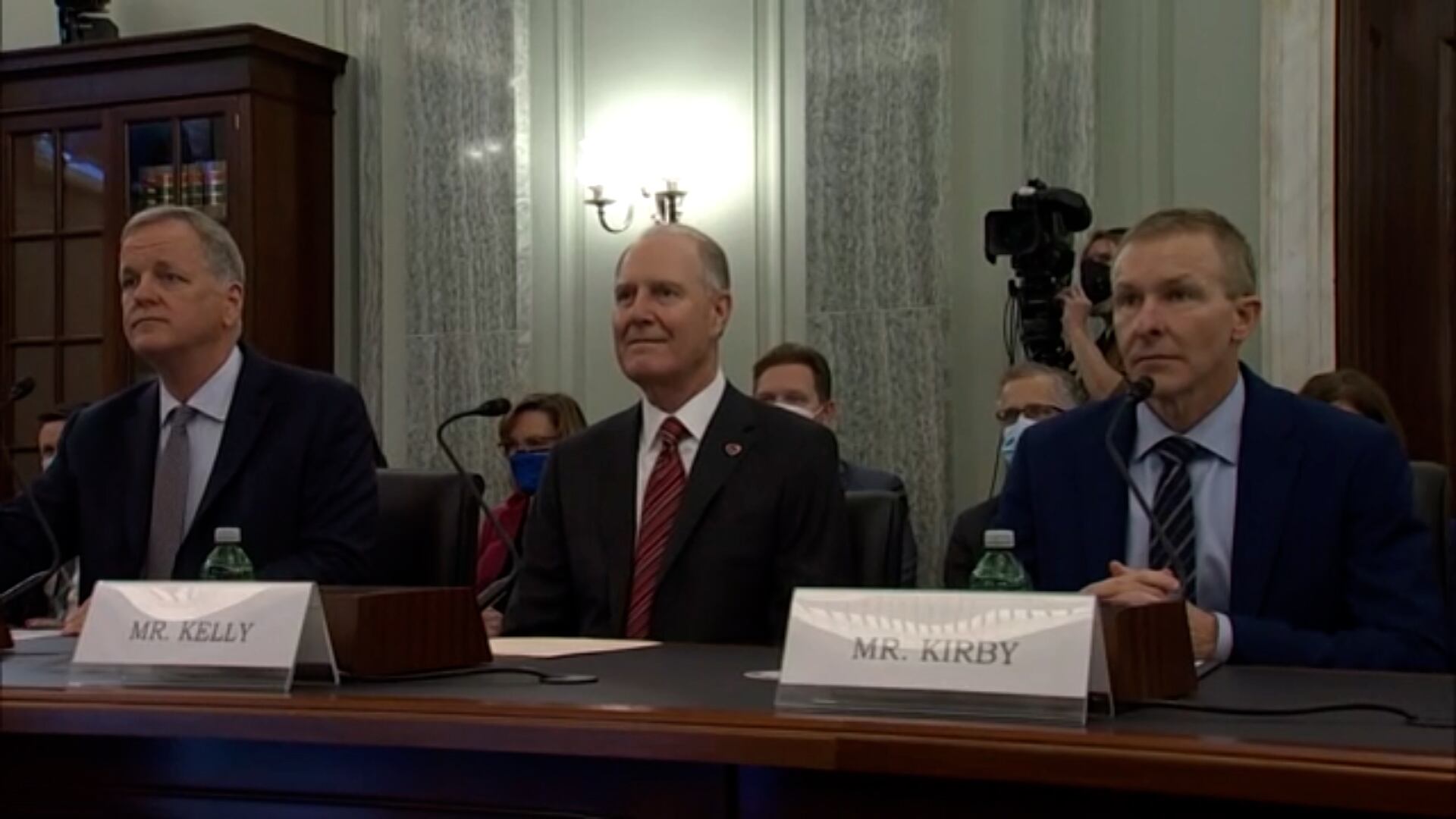
Airline executives faced tough questions from Congress on Wednesday, with the Senate panel grilling top CEOs on how they used that $54 billion Covid-19 government lifeline.
This hearing comes as airlines continue to face staffing shortages and widespread delays. Jason Ader, Leisure Analyst and CEO of SpringOwl Asset Management joined Cheddar's Opening Bell to discuss.
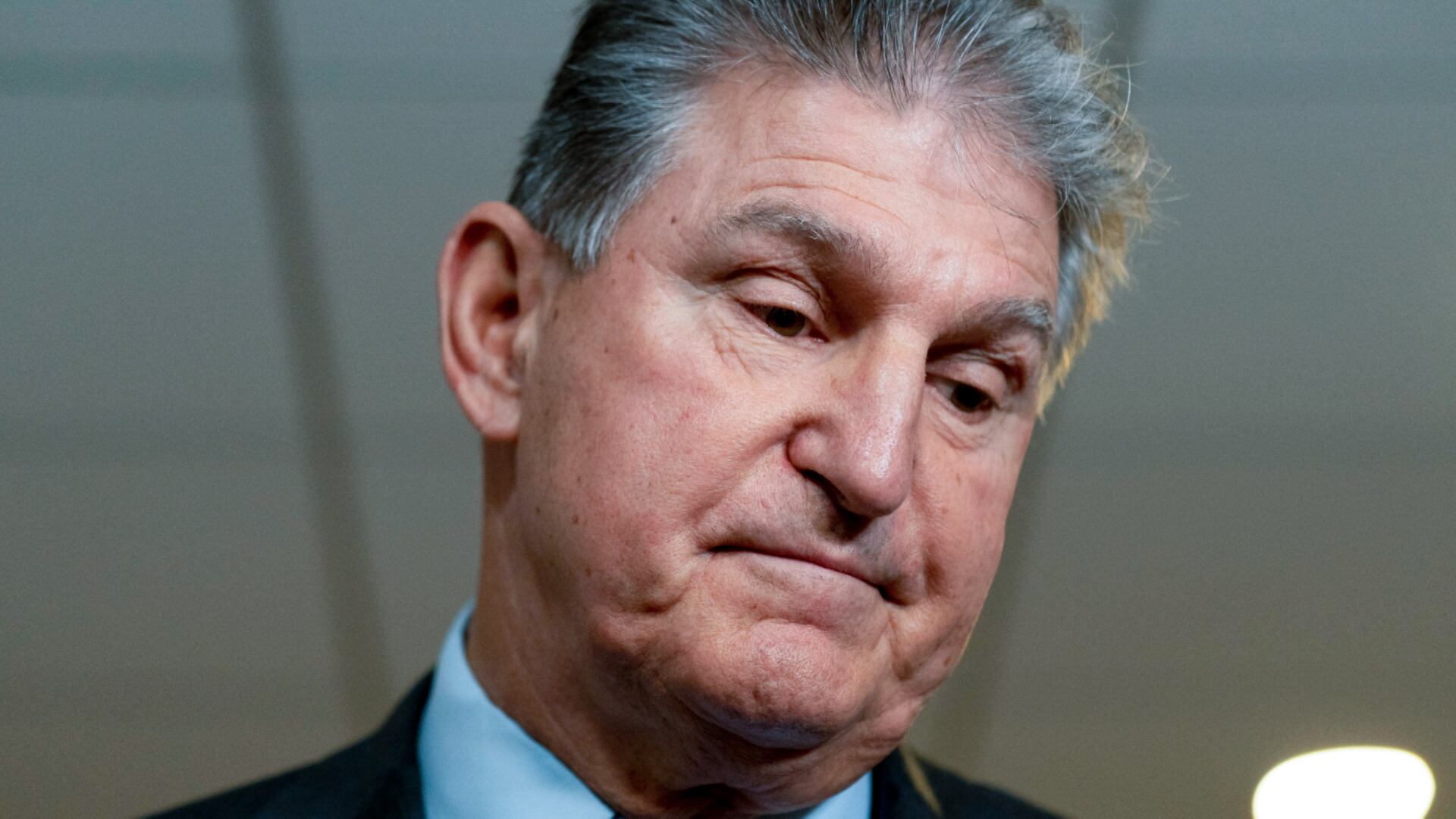
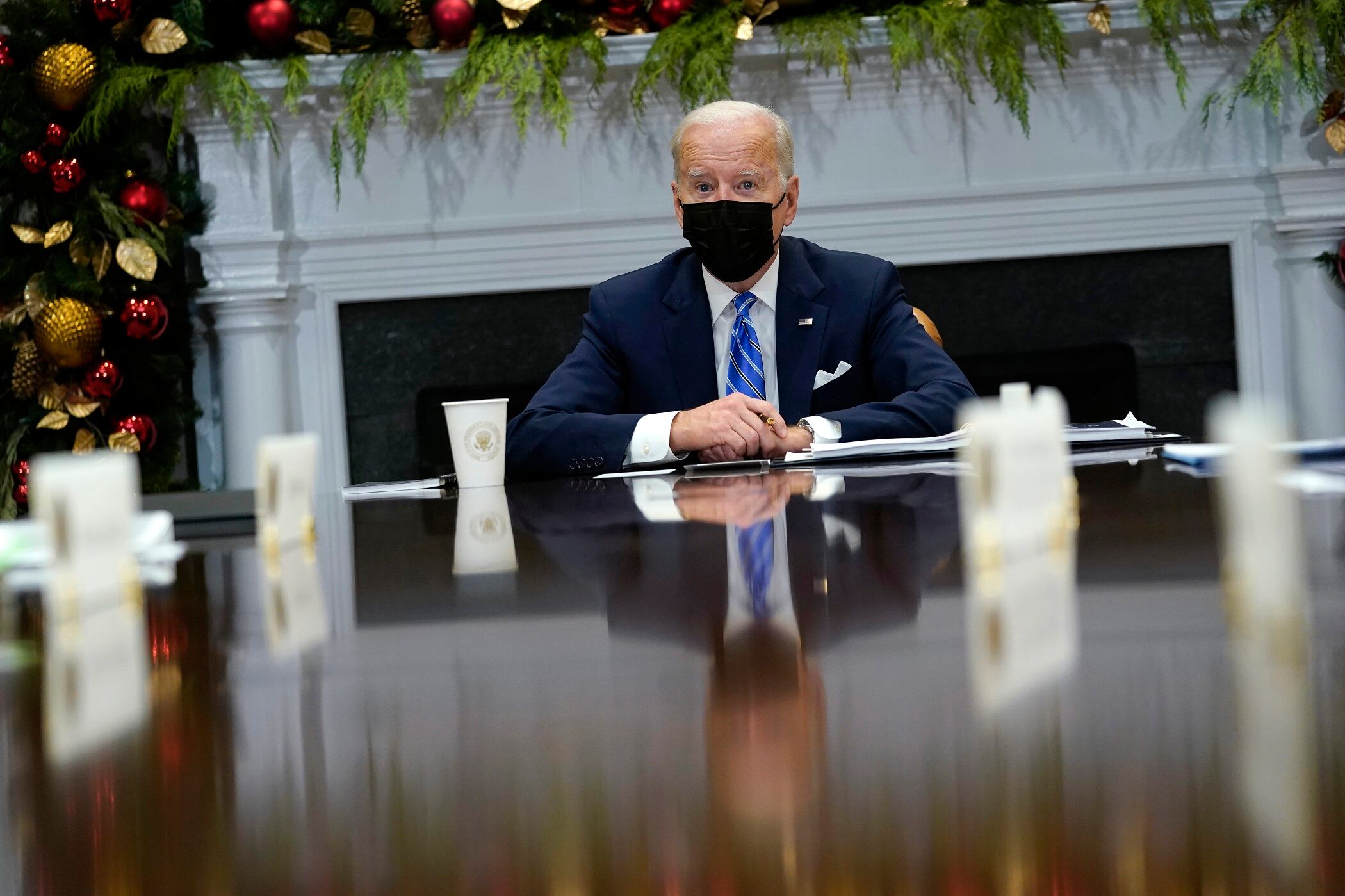
The Hill's White House Correspondent Alex Gangitano joined Wake Up With Cheddar to break down the deterioration of Senator Manchin and President Biden's relationship, as the White House calls out the West Virginia lawmaker for "breaching his commitments to the President."
Airline executives faced tough questions from a Senate panel on Wednesday after receiving a $54 billion dollar Covid-19 government lifeline. Congress approved the fund in three rounds covering much of US airlines’ payroll costs for 18 months. During the hearing lawmakers asked CEO’s how they used the federal bailout funds, about staffing issues, flight cancellations, and delays. U.S. airlines reported a record $35 billion dollar loss last year when travel came to an abrupt halt because of the pandemic. Michael Boyd, CEO at the Boyd Group International explains why customers may not be returning to the skies quite so soon.
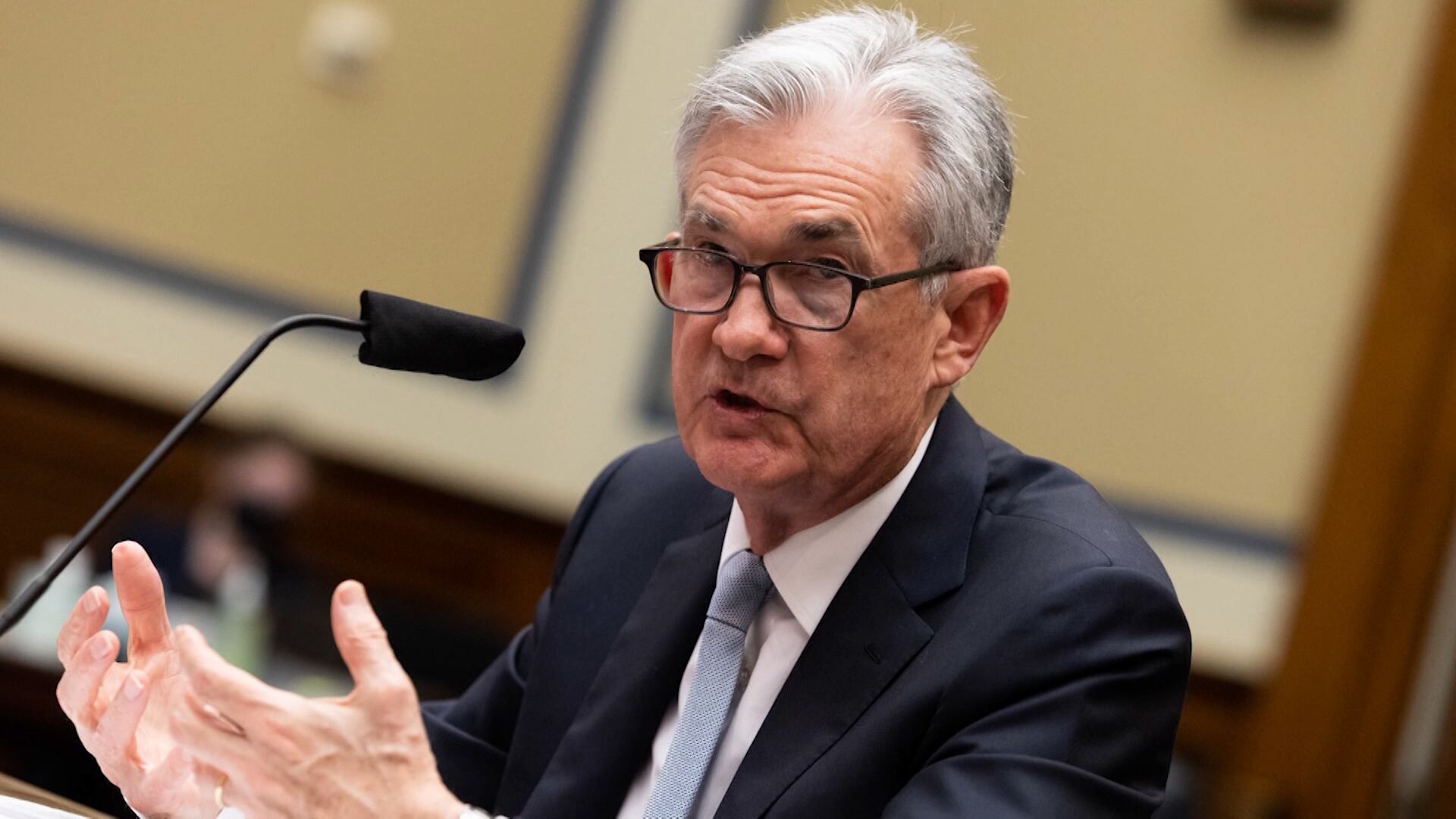
Senior Global Market Strategist at Wells Fargo Investment Institute Scott Wren joined Wake Up With Cheddar to recap the central bank's policy change, and how it may impact the economy moving forward.
Carlo's joined by a quarantining Baker to discuss the headlines from the weekend as Omicron spreads like wildfire, Manchin kills Biden's signature bill and Spider-Man throws a lifeline to the box office.
President Joe Biden is pledging to do “whatever it takes, as long as it takes” to help Kentucky and other states recover and rebuild after a series of deadly tornadoes that he says left a trail of unimaginable devastation.
The Federal Reserve has nixed the controversial word "transitory" to describe inflation in its latest policy statement. The change in language comes as the Fed plans to speed up its tapering of monthly asset purchases.