The RNC's Kayleigh McEnany on Parkland: The GOP Can Make Change
The deadly attack on a Parkland, Fla., high school last week mobilized not only students to demand action on gun control, but also may have spurred action in Washington.
On Tuesday, President Trump asked the Department of Justice for regulations that would ban so-called “bump stocks.” It’s a move that Republican National Committee spokeswoman Kayleigh McEnany says shows the issue doesn’t have to be a partisan one.
“Our party can make change. Just because you’re pro-Second Amendment, just because you are with the NRA or seeing money from the NRA, that doesn’t mean you don’t want to do everything possible to avert tragedies like this,” she told Cheddar. “That’s why you’re seeing Republican lawmakers talk about background check systems and Republican lawmakers also talking about bump stocks. These are things that are compatible with the Second Amendment.”
Nineteen-year-old Nikolas Cruz opened fire at Marjory Stoneman Douglas High School on Valentine’s Day, an attack that left 17 dead and more than a dozen injured.
In the wake of the attack, several students have emerged as advocates for gun control, organizing marches to local and federal government offices and addressing what they saw as President Trump’s inadequate response to the events.
Over the weekend, Trump expressed support for a bipartisan bill introduced by Senators John Cornyn (R-TX) and Chris Murphy (D-CT) to fix the background check system. That legislation was prompted by a shooting at a Sutherland Springs, Tex., church in November. The “bump stock” bill meanwhile, also bipartisan, came after the Las Vegas attack in October, in which a shooter used the devices to make a semi-automatic rifle act like a machine gun.
McEnany, who’s from the state of Florida, says that gun control regulations have to be a joint effort between states and the federal government.
“This has to be a multi-pronged approach,” she said. “We also need to look at mental health. We also need to look at the missed warning signs at the FBI, the fact that they were called and proper protocol wasn’t followed.”
For full interview, [click here](https://cheddar.com/videos/rnc-spokeswoman-kayleigh-mcenany-republicans-are-pro-second-amendment-anti-tragedy).
Almost 2 years into the pandemic, supply chain woes continue to wreak havoc on our everyday lives.
From groceries to chip shortages, both consumers and retailers are feeling the strain with prices only climbing as a result. Data intelligence company Morning Consult is out with its U.S. Economic Outlook for November revealing just how much of a threat these hold-ups could pose to the greater economic recovery. John Leer, Chief Economist at Morning Consult joined Cheddar's Opening Bell.
After many years and at least two presidents hoping to overhaul America's infrastructure, congress finally came to an agreement. The House passed the bipartisan infrastructure bill late Friday, receiving thirteen republican votes but failing to earn votes from the six progressive squad members. Joseph Zeballos-Roig, Economics Reporter at Insider joined Cheddar's Opening Bell to discuss the economic impact of the bill.
Jill and Carlo discuss the scenes of joy at American airports as borders reopen, another tool in the Covid toolbox, the latest in the Astroworld crowd crush tragedy and more.
Frank Lee, Managing Director at Miracle Mile Advisors, joins Cheddar News' Closing Bell, where he explains why markets are soaring after the Dow, S&P, Nasdaq, and the Russell 2000 all reached new record closes to begin the trading week.
The Biden Administration's mandate for COVID vaccinations by large employers has been put on hold by federal courts as GOP-led states and some businesses push back on the order's legality. Jonathan Adler, a law professor at Case Western Reserve University, joined Cheddar to discuss the legal challenges to implementing such mandates through OSHA (Occupational Safety and Health Administration). "Certainly expanding vaccinations is a good thing, and as vaccination rates go up that's better for all of us," Adler said. "But there are some legal questions about whether or not it's appropriate to use a law about occupational safety and health as the means to do that."
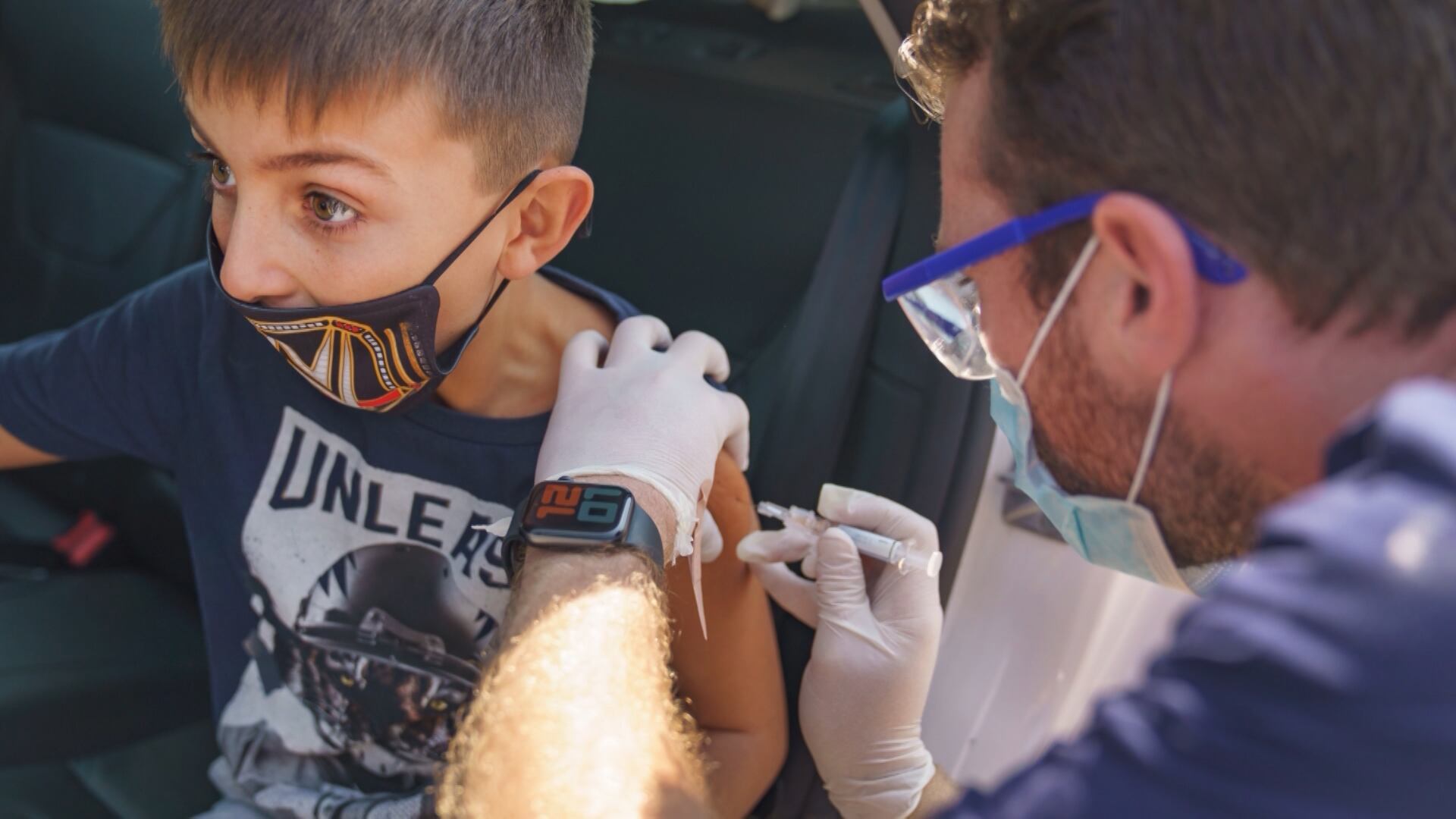
The Biden administration is giving businesses a deadline to implement a vaccination mandate, saying companies can take until after the holiday season. Andew Noymer, Associate Professor of Population Health and Disease Prevention at the University of California, Irvine, joined Cheddar to discuss.
Jacob Rubashkin, reporter and analyst at Inside Elections, joined Cheddar to discuss Republicans' wins on election night and what they mean for Democrats going forward.
James Astill, Washington Bureau Chief at The Economist, joins Cheddar News to discuss the latest issue, 'ONE YEAR ON: The calamity facing Joe Biden and the Democrats.'
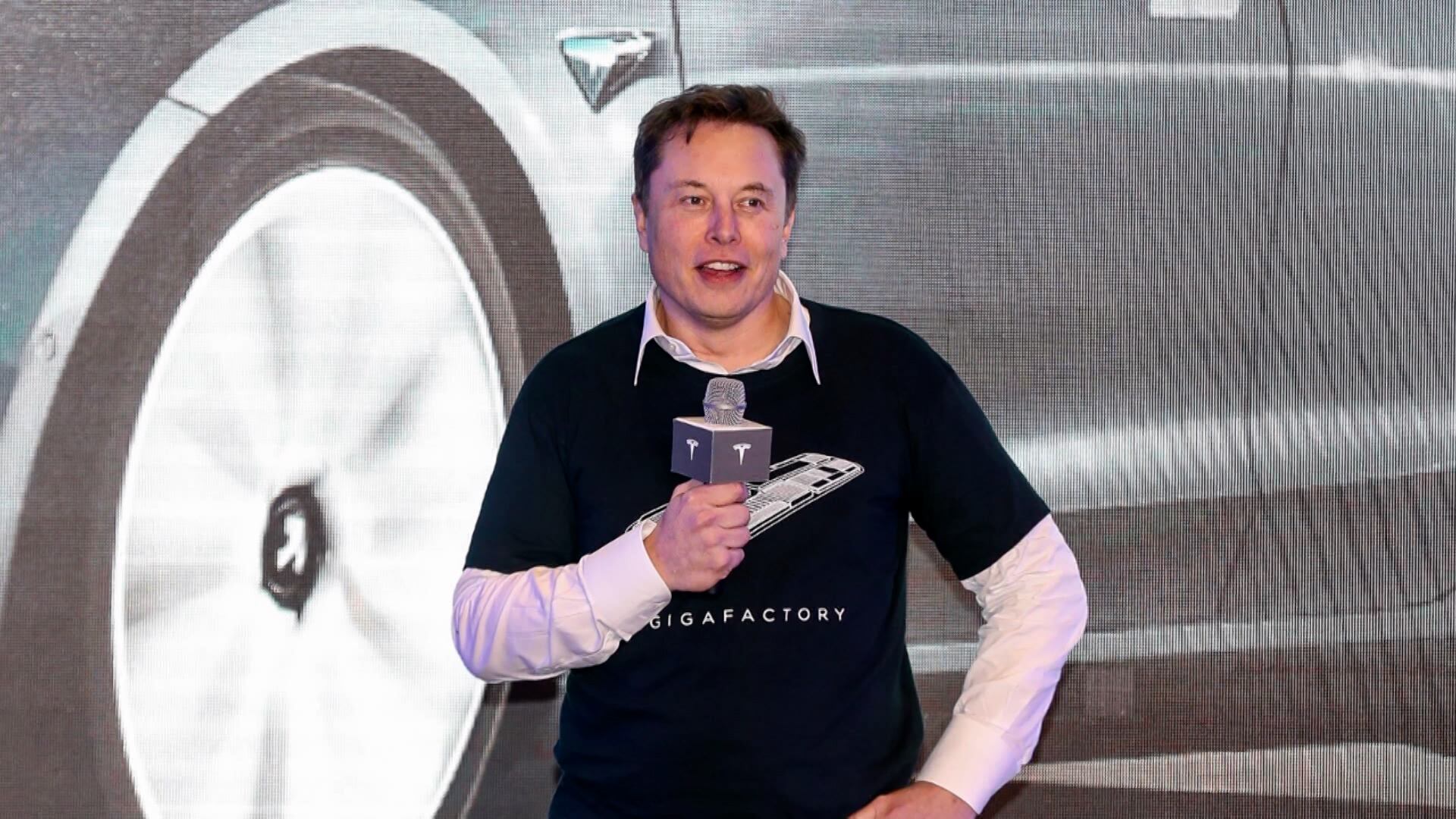
Elon Musk asked Twitter if he should sell about $20 billion worth of his Tesla stock and about 58 percent of those who answered said yes. The Tesla CEO pledged to abide by the results of the poll, whichever way it went. Arun Sundararajan, NYU Stern professor & author of "The Sharing Economy: The End of Employment and the Rise of Crowd-Based Capitalism," joined Cheddar to discuss what the Twitter poll says about America's attitude towards billionaires and the nation's tax system.