VF Hive editor Jon Kelly, Kristen Scholer and the rest of the Hive Panel discuss the biggest stories of the week in politics, business and technology. Emily Jane Fox reports on her story on the rise of Hoda Kotb to Matt Lauer's former spot on the 7am and 8am hours of the Today Show on NBC. She discusses the notion that this role would have traditionally gone to a male. The panel also discusses a report on Fox that NBC had access to data indicating Matt Lauer's favorability had been declining for years.
Nick Bilton joins the discussion to weigh in on Uber's recent $20 billion haircut with latest investment from Softbank. They also talk about how this could impact a potential return for former CEO Travis Kalanick.
Bess Levin reports on the resurfacing of Anthony Scaramucci and what may be next for him. They debate the likelihood of a return to the White House for The Mooch. Tom Frank joins in to discuss Trump's use of Twitter in his feud with Kim Jong-un. Nick Bilton weighs in to talk about how far the social media platform has become, and the unfortunate things it can now be used for.
Emily Jane Fox returns to report on the recent trouble for Donald Trump Jr. in the Russia investigation. They discuss whether President Trump can protect his son and create separation from Don Jr. and Jared Kushner.
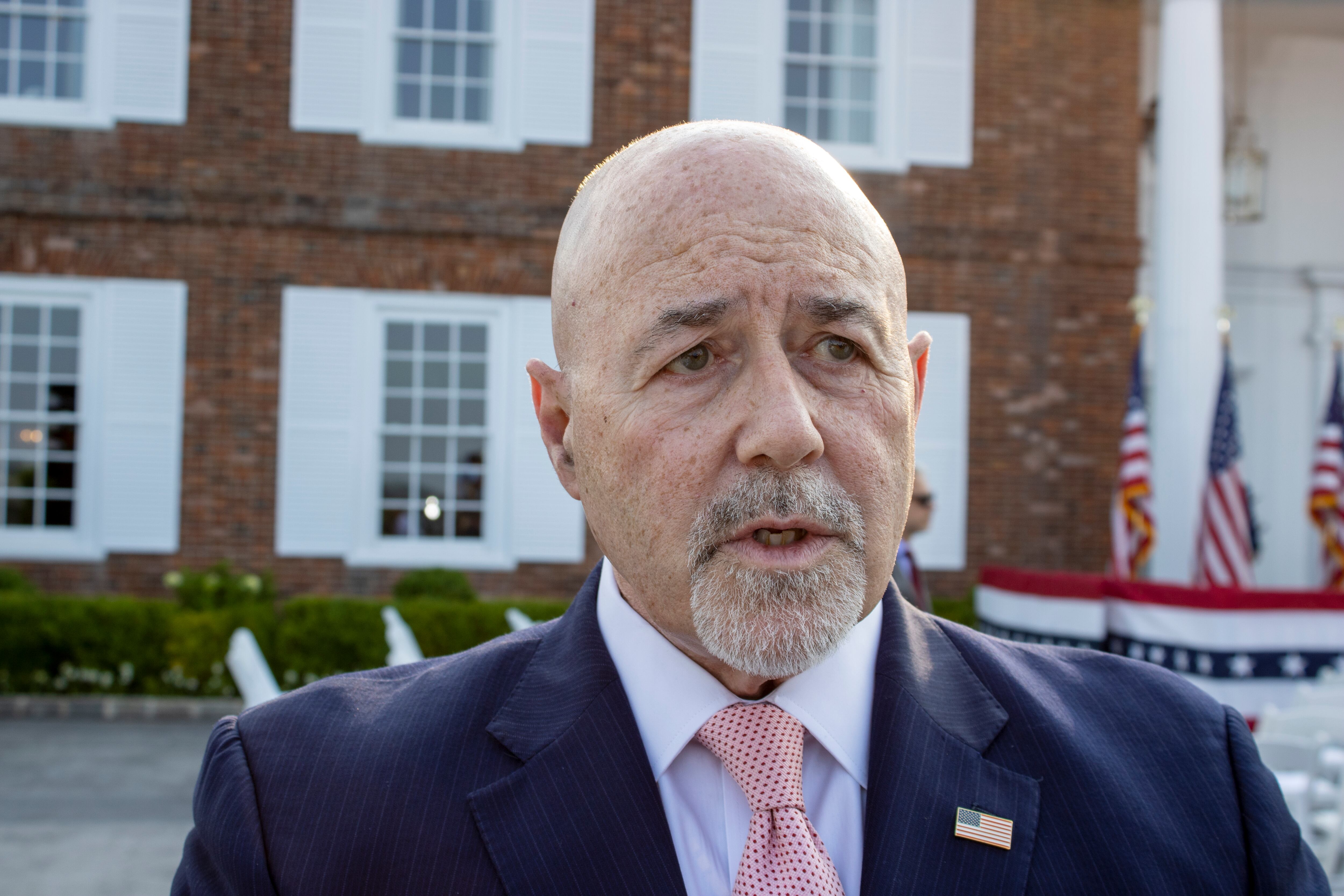
The lawyer for former NYPD commissioner Bernard Kerik turned over thousands of pages and documents to a special counsel as part of an investigation into Kerik's alleged involvement to overturn the results of the 2020 election.
Israel’s parliament on Monday approved the first major law in Prime Minister Benjamin Netanyahu’s contentious plan to overhaul the country’s justice system, triggering a new burst of mass protests and drawing accusations that he was pushing the country toward authoritarian rule.
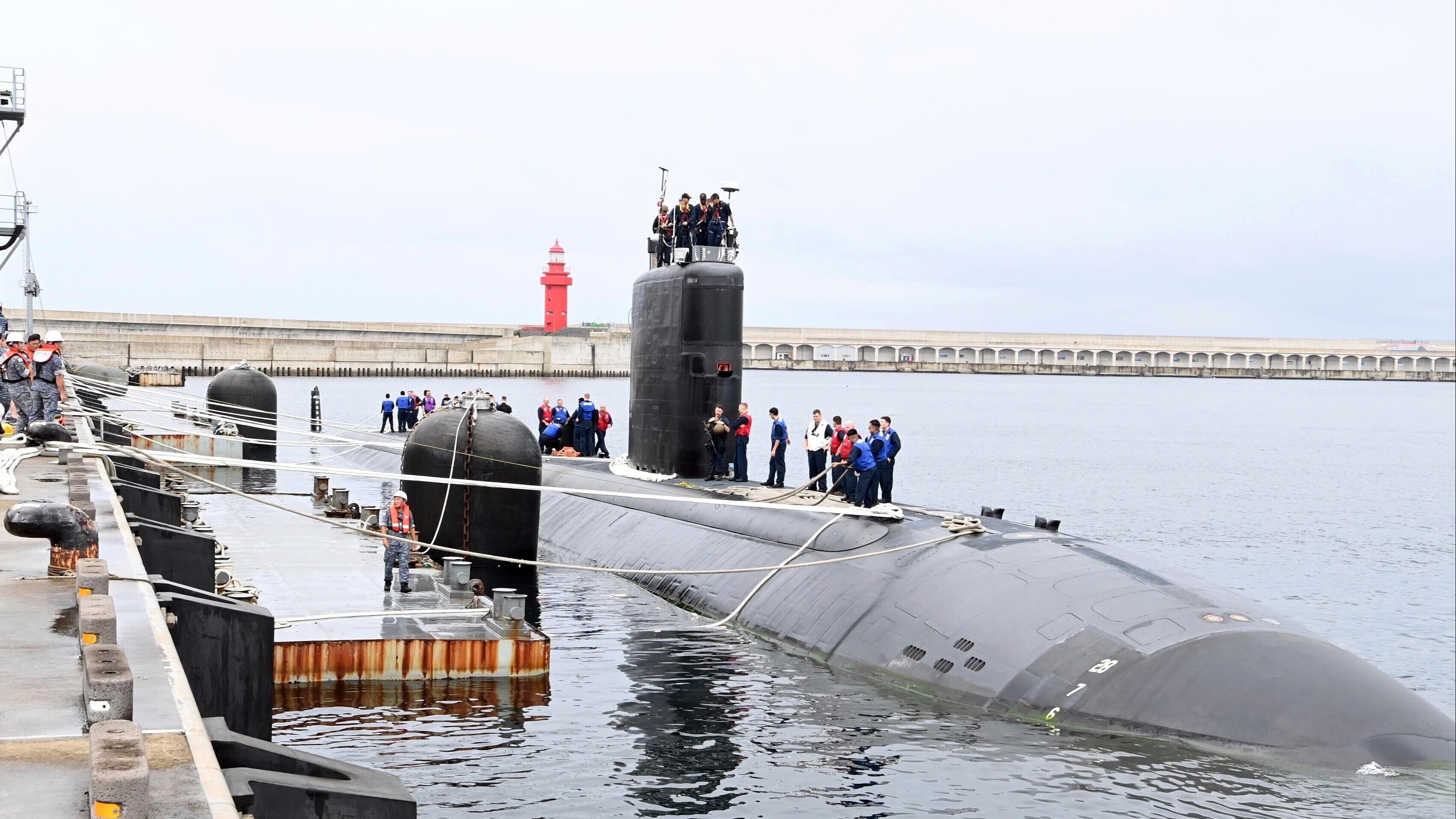
North Korea fired two short-range ballistic missiles into its eastern sea, South Korea’s military said Tuesday, adding to a recent streak in weapons testing that is apparently in protest of the U.S. sending major naval assets to South Korea in a show of force.
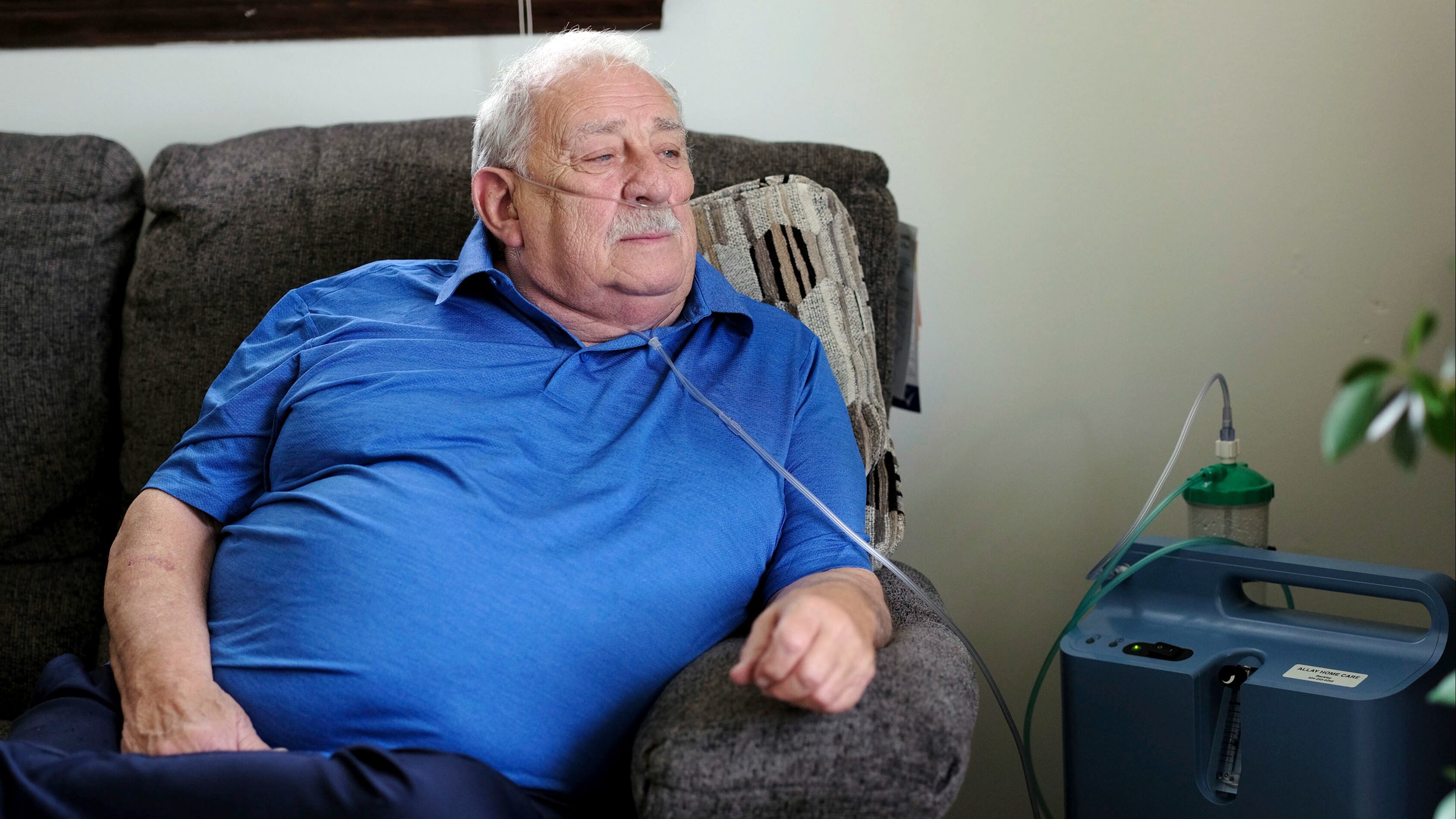
Now the federal Mine Safety and Health Administration has proposed a rule that would cut the current limit for silica exposure by half — a major victory for safety advocates. But there is skepticism and concern about the government following through after years of broken promises and delays.
A state trooper's account of officers denying migrants water in 100-degree Fahrenheit (37.7 Celsius) temperatures and razor wire leaving asylum-seekers bloodied has prompted renewed criticism.