South Korea taking steps to ban Bitcoin. The news shining a light on regulation of cryptocurrency, and ways government can and would step in. InfoTech's President and CEO Matti Kon explains the need for regulation for potential dangers in this space.
Kon explains that governments cracking down on the crypto space is not a new thing. What is different in this case is the amount of power and weight South Korea holds in the field. The obsession with cryptocurrency has hit strikingly high numbers. This meant the crypto industry took a hit after the South Korea news.
South Korea also has a high unemployment rate. For some in the country, the obsession spilled into an opportunity to bring in revenue.
On the negative side of crypto trading, Kon explains that cryptocurrencies do have ties to the dark web and dark activity. Cryptocurrency is helping to fund crime around the world.
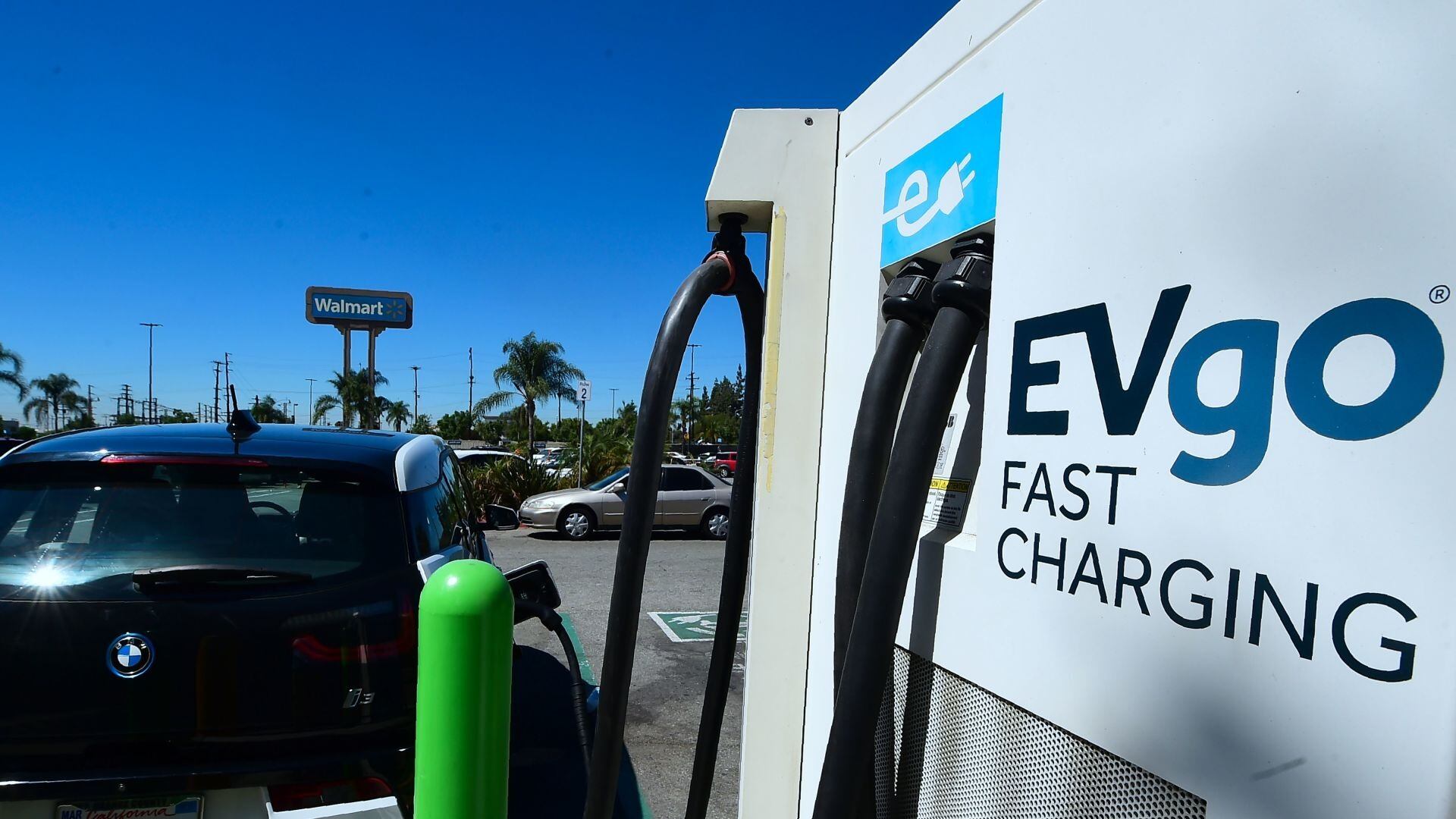
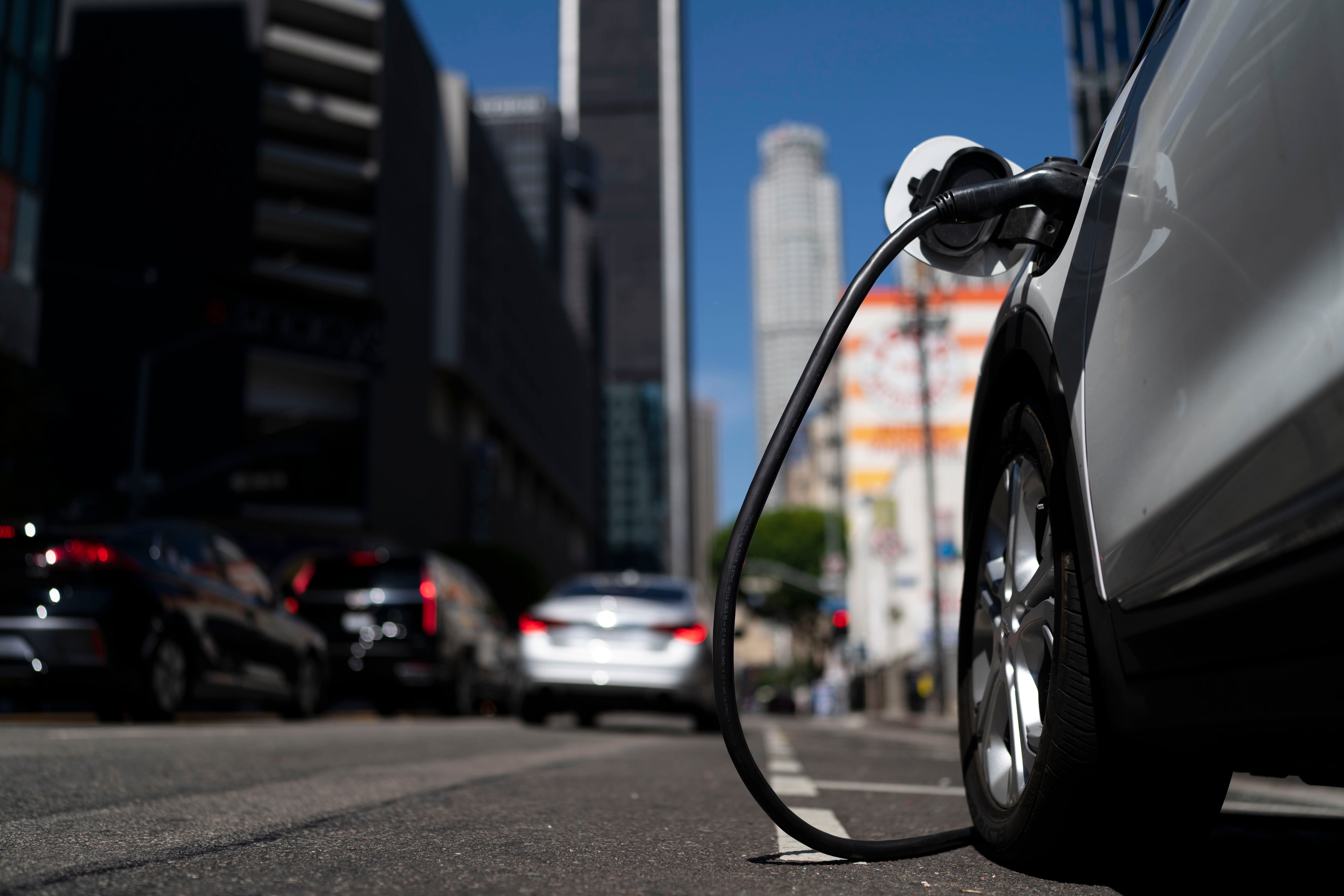
New regulations from the U.S. government may cause the price of electric vehicles to go up.
English Wikipedia raked in more than 84 billion views this year, according to numbers released Tuesday by the Wikimedia Foundation, the non-profit behind the free, publicly edited online encyclopedia. And the most popular article was about ChatGPT (yes, the AI chatbot that’s seemingly everywhere today).
The highly-anticipated trailer for Grand Theft Auto VI is out earlier than expected.
AT&T announced a new partnership with Swedish communications company Ericsson.
Hackers accessed the personal data of 6.9 million users via the genetic testing company 23andMe.
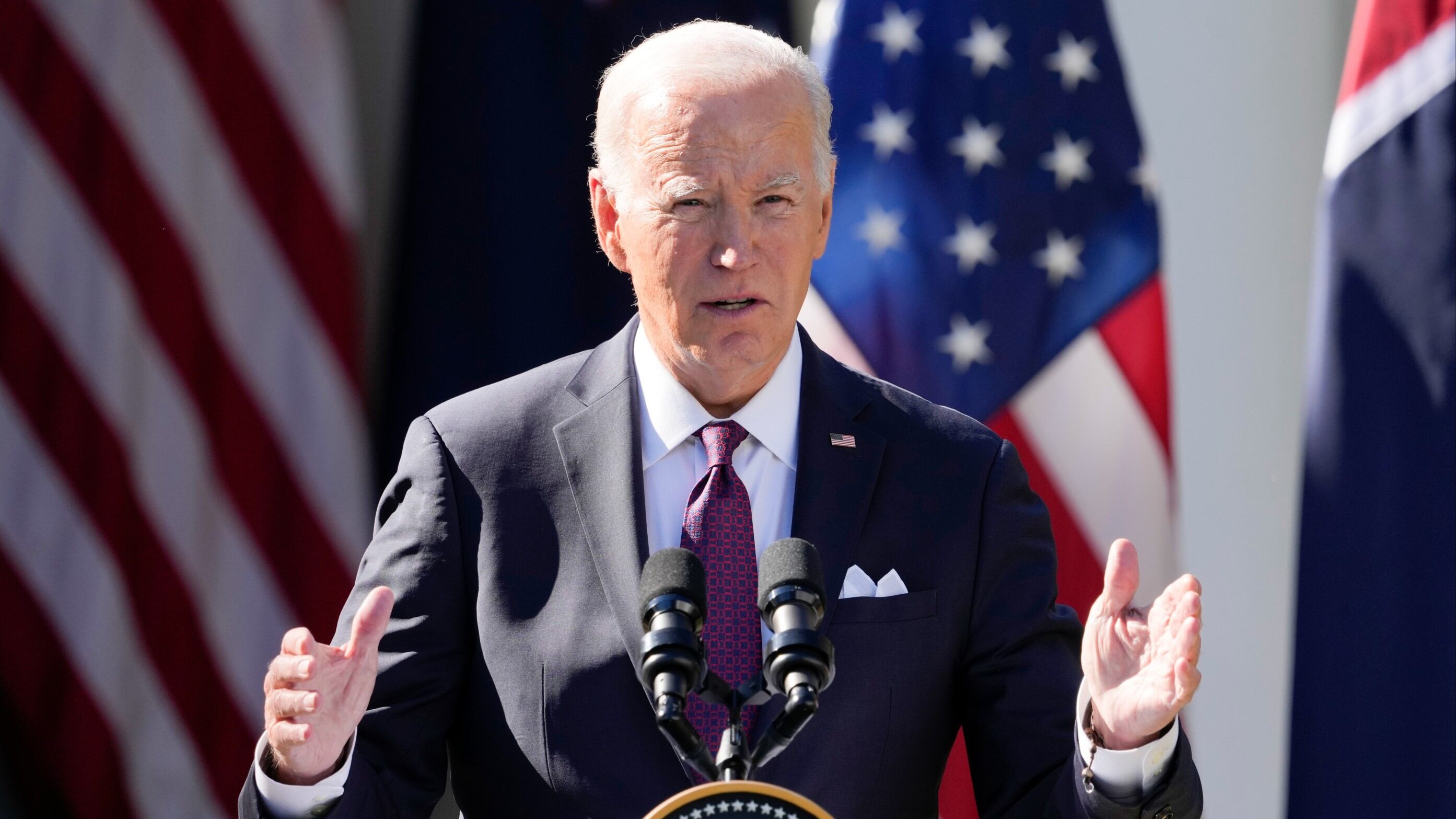
The Biden administration says electric vehicles made with battery materials from China will not be eligible for the full EV tax credit under new proposed rules.
You may soon be able to charge your car while driving. Cheddar News explains.
Google is moving forward with its previously-announced plan to delete inactive accounts and all associated data.
The network of nearly 4,800 fake accounts was attempting to build an audience when it was identified and eliminated by the tech company, which owns Facebook and Instagram.
Someone in China created thousands of fake social media accounts designed to appear to be from Americans and used them to spread polarizing political content in an apparent effort to divide the U.S. ahead of next year's elections, Meta said Thursday.