South Korea taking steps to ban Bitcoin. The news shining a light on regulation of cryptocurrency, and ways government can and would step in. InfoTech's President and CEO Matti Kon explains the need for regulation for potential dangers in this space.
Kon explains that governments cracking down on the crypto space is not a new thing. What is different in this case is the amount of power and weight South Korea holds in the field. The obsession with cryptocurrency has hit strikingly high numbers. This meant the crypto industry took a hit after the South Korea news.
South Korea also has a high unemployment rate. For some in the country, the obsession spilled into an opportunity to bring in revenue.
On the negative side of crypto trading, Kon explains that cryptocurrencies do have ties to the dark web and dark activity. Cryptocurrency is helping to fund crime around the world.
David Ewalt, Editor-in-Chief at Gizmodo joins Cheddar News to discuss a TikTok moderator suing the platform over mental trauma caused by graphic videos
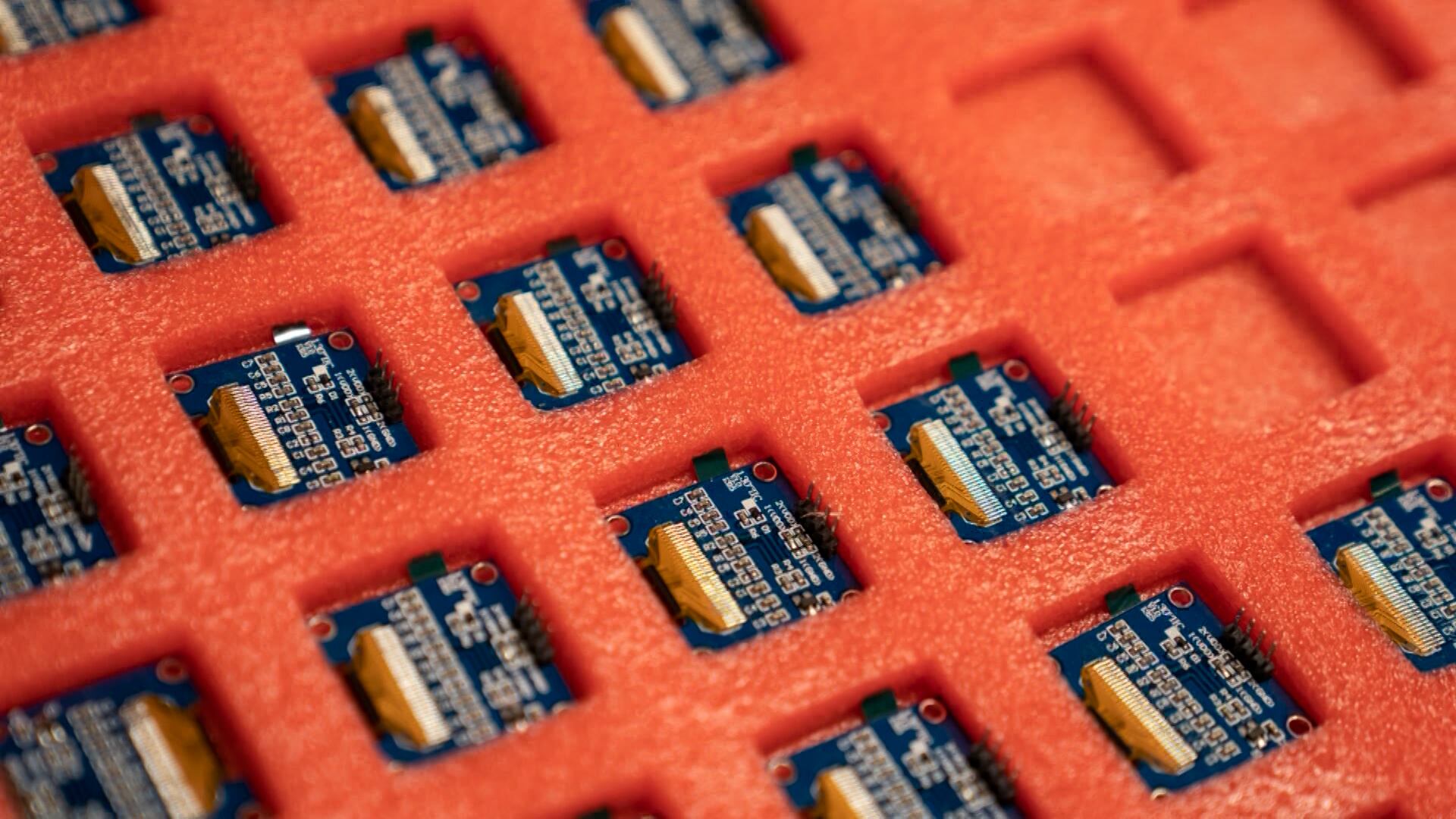
Daniel Newman, Founding Partner and Principal Analyst at Futurum Research, joins Cheddar News' Closing Bell, where he says the markets are going to feel very uncomfortable receiving news of more potential setbacks for chip manufacturers after already enduring a lengthy chip shortage.
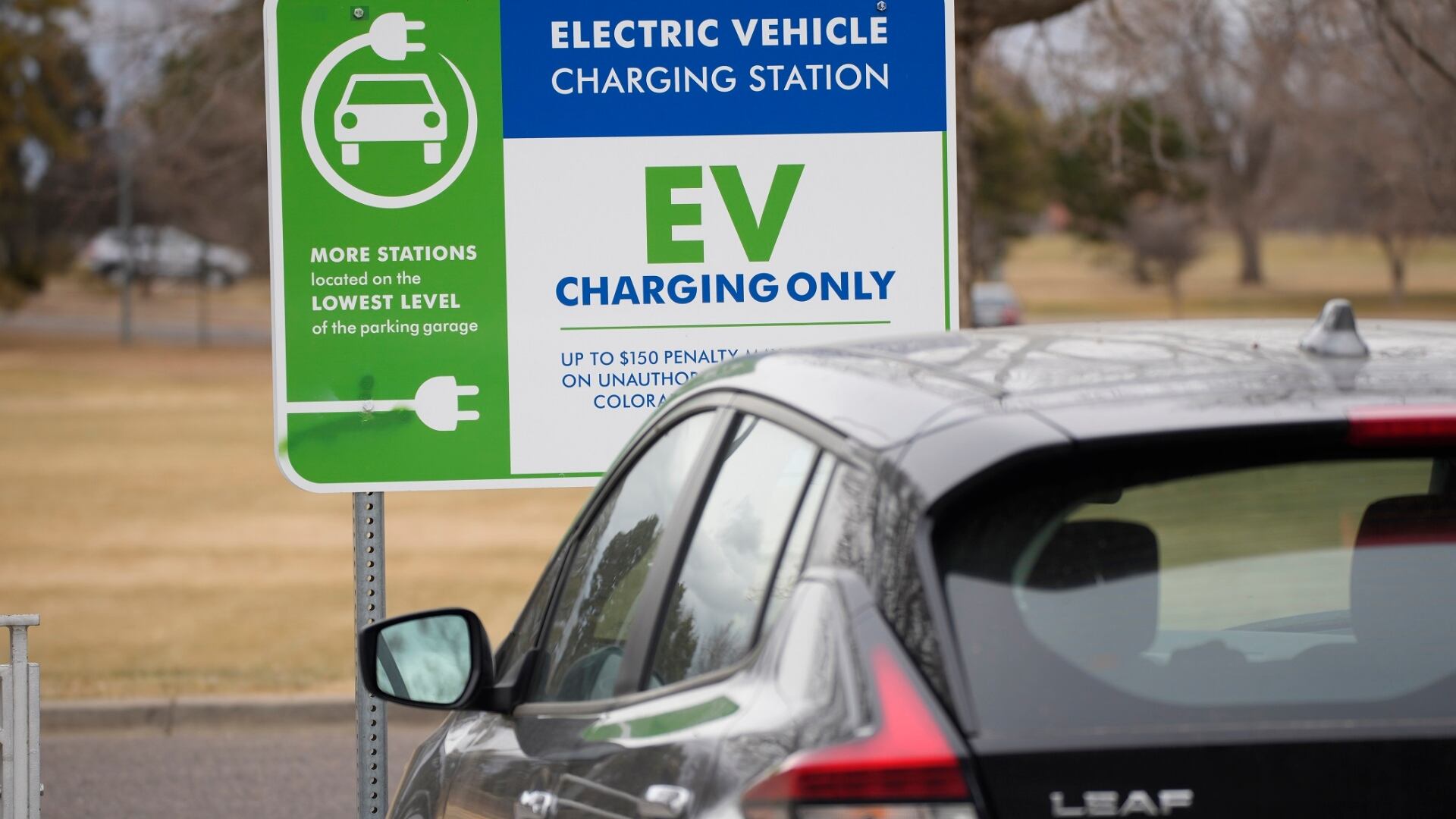
The federal government and numerous industries have been preparing for a greener future, setting goals to reduce greenhouse emissions by switching to electric vehicles. But the next hurdle to clear is convincing the wider public to get on board. Arun Kumar, managing director in automotive practice at AlixPartners, spoke to Cheddar's Ken Buffa about consumer trends related to EV transition and said he believes a widespread switch is imminent in 2022. Despite this, he acknowledged there are still significant obstacles to overcome, including high prices and more charging stations. "Without charging infrastructure, people are going to struggle with increasing adoption of electric vehicles in the future," Kumar told Cheddar. "I think by 2030 our estimate is that about a million chargers need to be put in place nationally in the U.S."