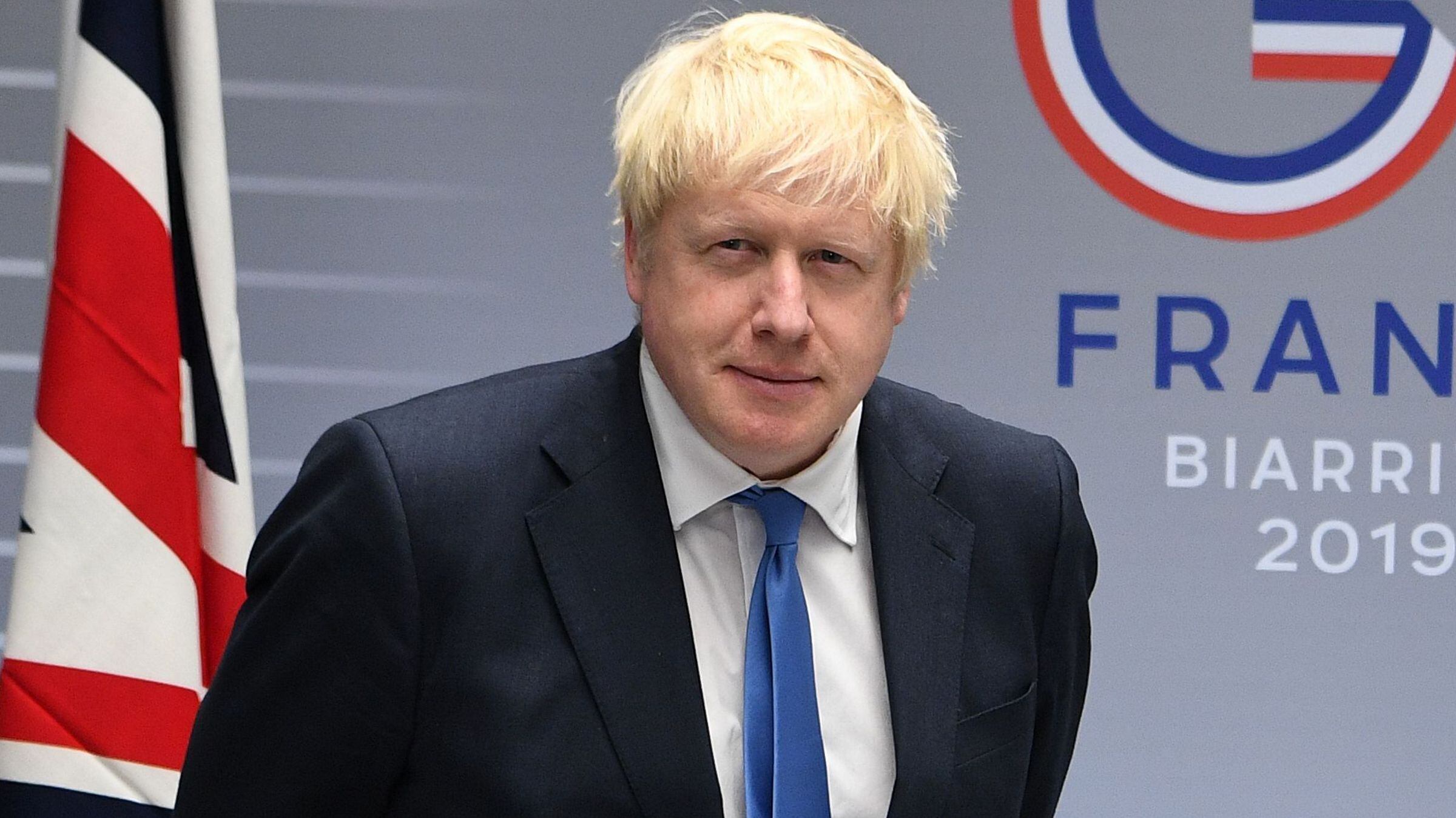
The British pound sterling fell sharply after British PM Boris Johnson announced he was asking for Parliament to be suspended from mid-September until mid-October ー a highly controversial move known as "progrogue" which was given formal approval by Queen Elizabeth II Wednesday.
Critics say the move is intended to keep MPs from avoiding a no-deal Brexit and plunged the British government into crisis once again, two months before a looming deadline. The surprise move drew immediate outrage from opposition leaders, and the leader of the Liberal Democrat party had even written to the queen in hopes of her witholding consent for the suspension.
At midday in London, the GBP was down 1 percent against the U.S dollar, a sign that investors once again believe the UK is increasingly likely to "crash out" of the European Union on October 31.
Johnson's plan would extend a previously planned suspension for political party conferences and would further shorten the time Parliament has to debate Brexit after it returns from its summer recess next week.
Other members of Parliament took to Twitter to express shock at the maneuver to keep Parliament from assembling.
An online petition to demand Parliament not be prorogued had received more than 300,000 signatures in a matter of hours. Meanwhile, word of organized protests spread across social media.
The news from London helped push Treasury yields lower in the U.S., which had already been under pressure over China trade tensions. The yield on the 30-year Treasury dripped below 2 percent ー a signal that the combination of geopolitical worries from London to Beijing is increasing the odds of a global recession.
The global oil benchmark surpassed $90 for the first time in more than seven years. This comes as growing tensions between Russia and Ukraine add to concerns about the already-tight market. Jay Hatfield, Chief Investment Officer at ICAP, joined Cheddar to discuss what this benchmark means for the oil industry, and what might happen if Russia does invade its neighbor.
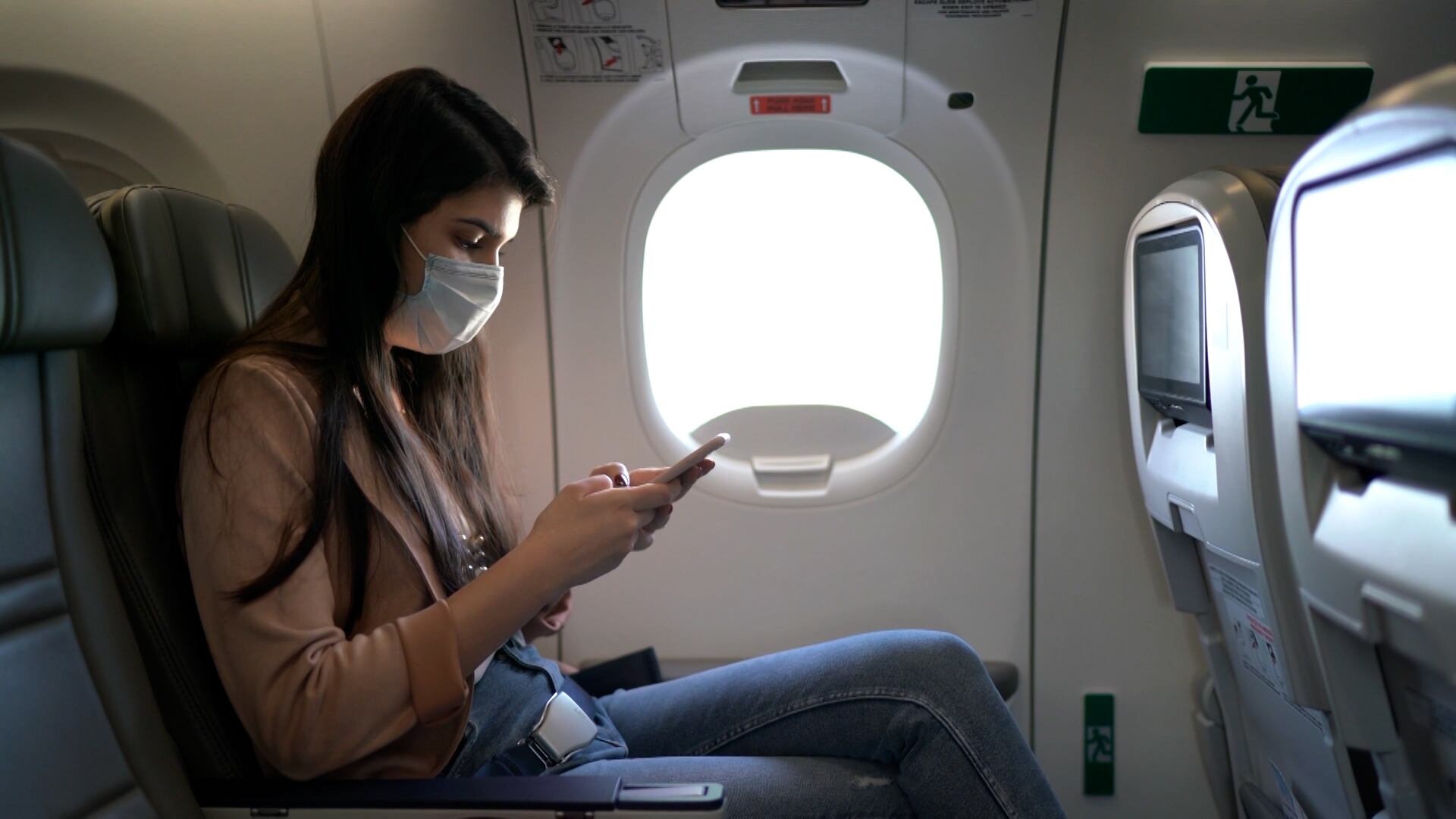
The EU relaxed its Covid travel restrictions for vaccinated individuals among the union's 27 member states, doing away with testing or quarantine requirements for travelers. This comes soon after the World Health Organization said the omicron variant could help make the pandemic more manageable. The new rules take effect February 1st. Bryce Conway, Founder, 10xTravel joined Cheddar's Opening Bell to discuss.
General Motors will be releasing its earnings report on Tuesday. Paulina Likos, investing reporter for U.S. News & World Report, joined Cheddar News to discuss how investors will be eyeing the automaker's forecast as it expands its EV division and attempts to navigate a supply shortage."Investors, first and foremost, are going to want to understand how the company has been able to navigate the chip shortage and how they're going to be able to do that throughout the year to come," Likos noted.
If you're in China you may have noticed that the 1999 film "Fight Club" which features Brad Pitt has somehow got itself a new ending. In the new ending on the streaming service Tencent, the narrator is killed and the explosions are replaced with a black screen saying "the police arrested criminals".It's unclear as to exactly why the changes were made. However, it is the latest example of China playing by its own rules when it comes to entertainment and attempting to control everything its citizens watch. Media Reporter at Axios, Sarah Fisher, joined Cheddar to discuss more.
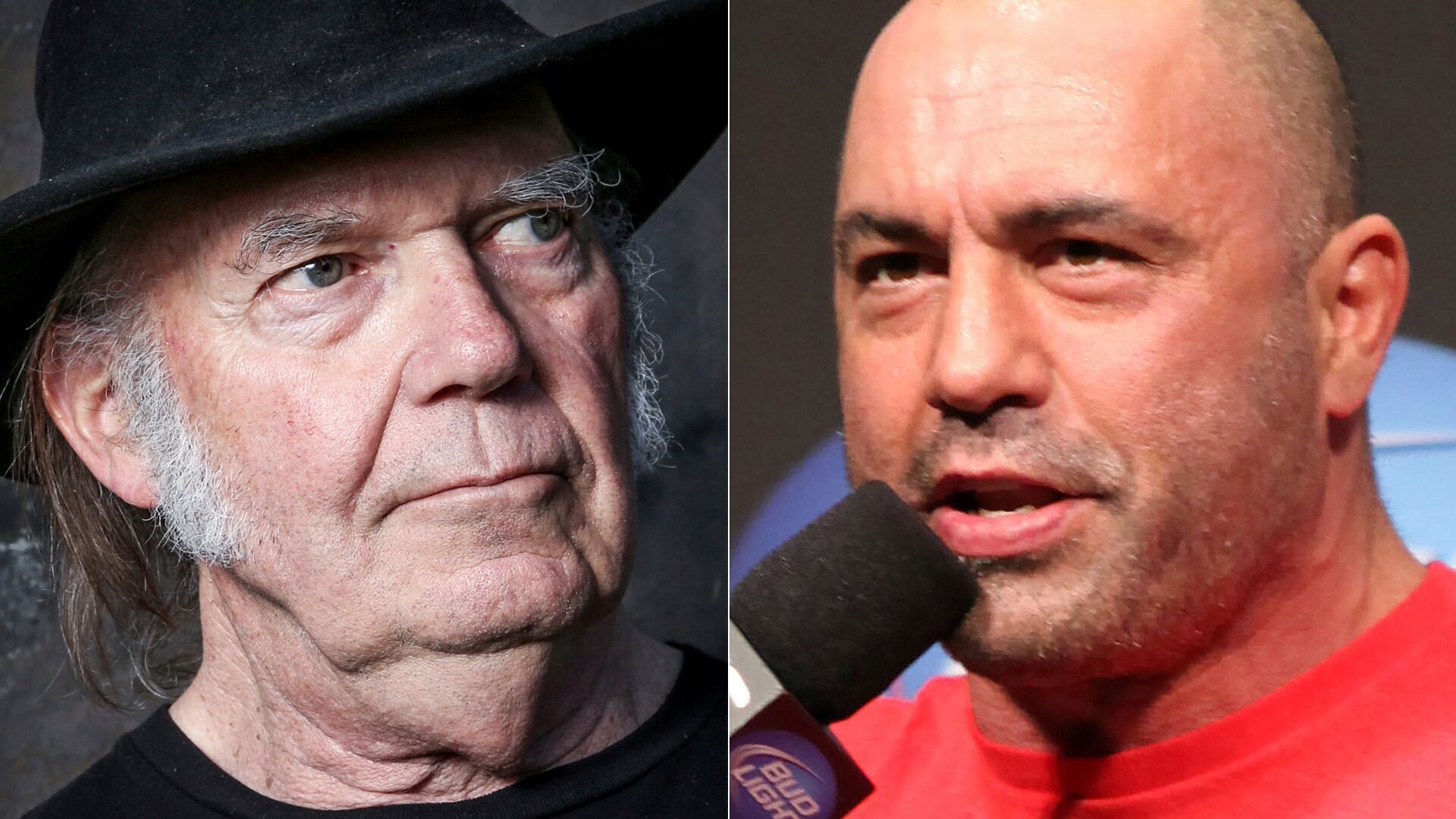
Neil Young gave the streaming service Spotify an ultimatum demanding that his music be removed if the Joe Rogan experience remained on the platform. Joe Rogan's platform has been questioned a number of times as a result of some of his takes on covid treatment strategies and at times downright misinformation. Ultimately, Spotify decided to stick with Joe Rogan's podcast. The Director for the Business and Entertainment Program at American University, John Simson, joined Cheddar to discuss more.