Hanneke Weitering, staff writer for Space.com, explains what makes the super moon so special. Wednesday's super moon was also an eclipse moon, a blood moon, and a blue moon, the first of its kind in North America since 1866.
Weitering explains super moons happen whenever the moon is closest to earth and the moon is full. A blood moon can only happen when the moon is in total eclipse. It appears reddish in color because it's illuminated by sunlight filtered and refracted by the Earth's atmosphere.
Weitering says the next lunar eclipse will take place in July, but people in North America will not be able to see it.
Drugmaker giant Eli Lilly CEO Dave Ricks said during a Senate Committee hearing that the company will not raise the price of insulin products.
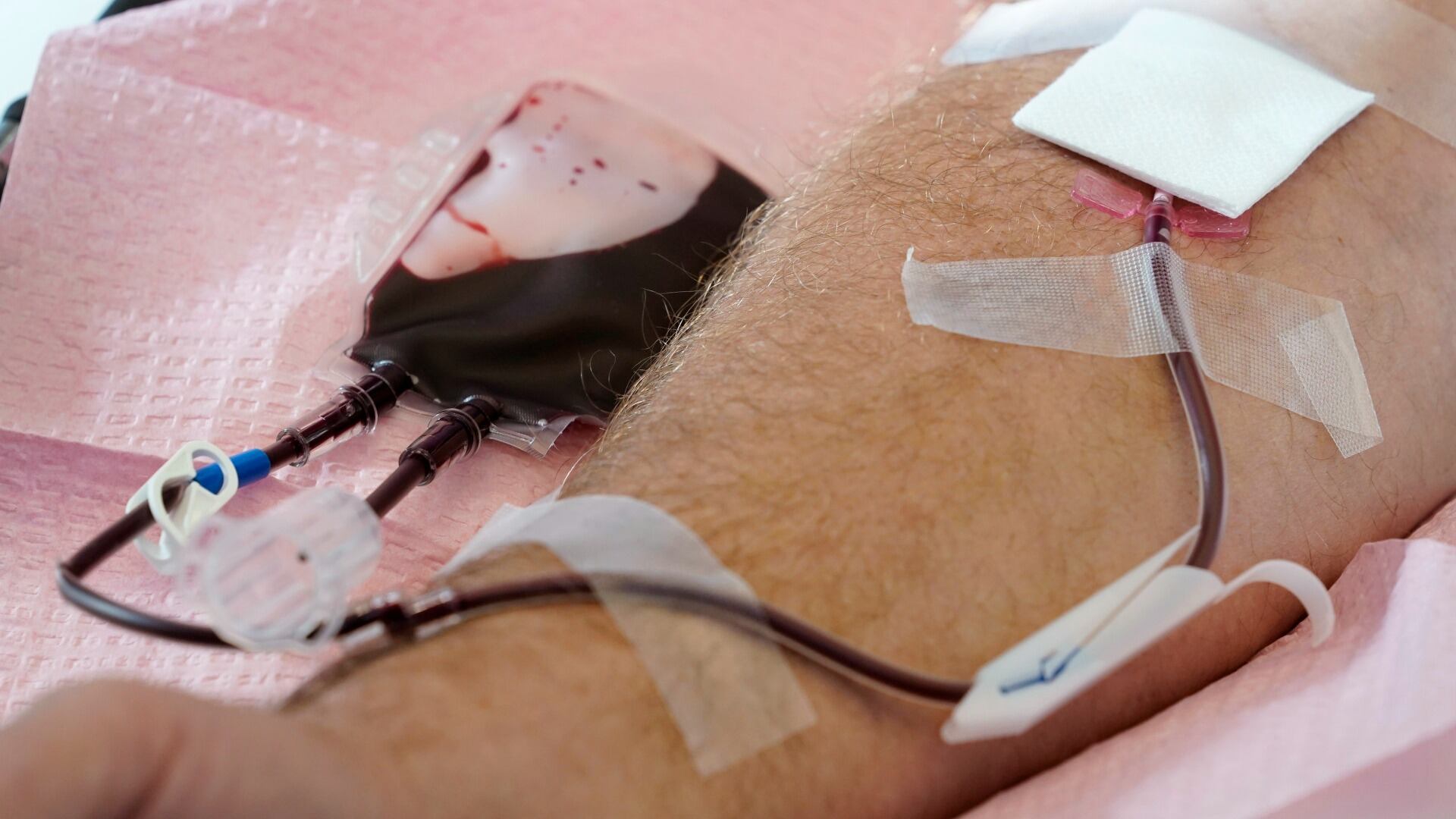
New blood donations rules will allow sexually active gay and bisexual men in monogamous relationships to give in the FDA guidelines ease decades-old restrictions put in place to protect the blood supply from HIV.
A new study finds an experimental skin patch shows promise to treat toddlers who are highly allergic to peanuts.
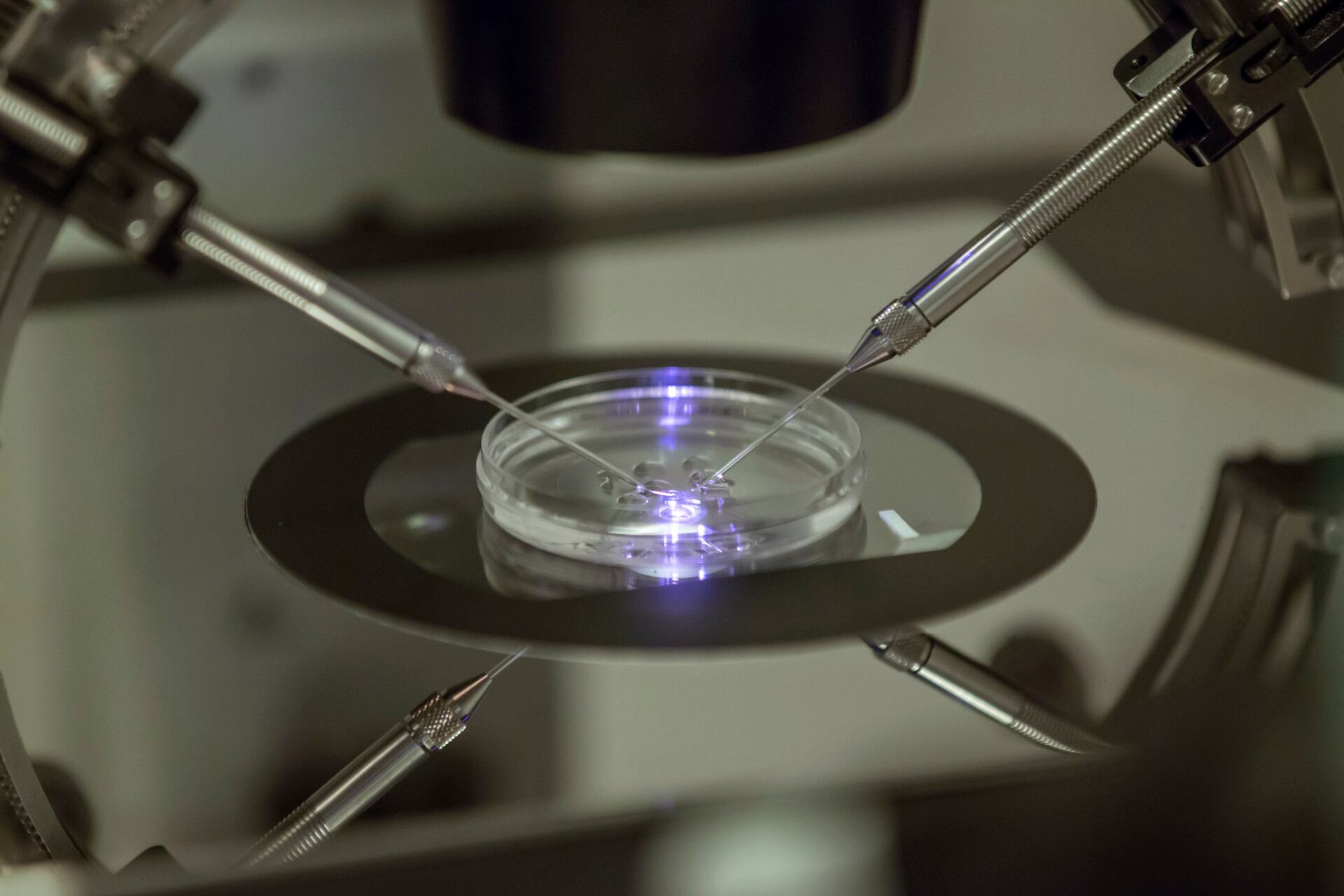
Britain's fertility regulator on Wednesday confirmed the births of the U.K.'s first babies created using an experimental technique combining DNA from three people, an effort to prevent the children from inheriting rare genetic diseases.
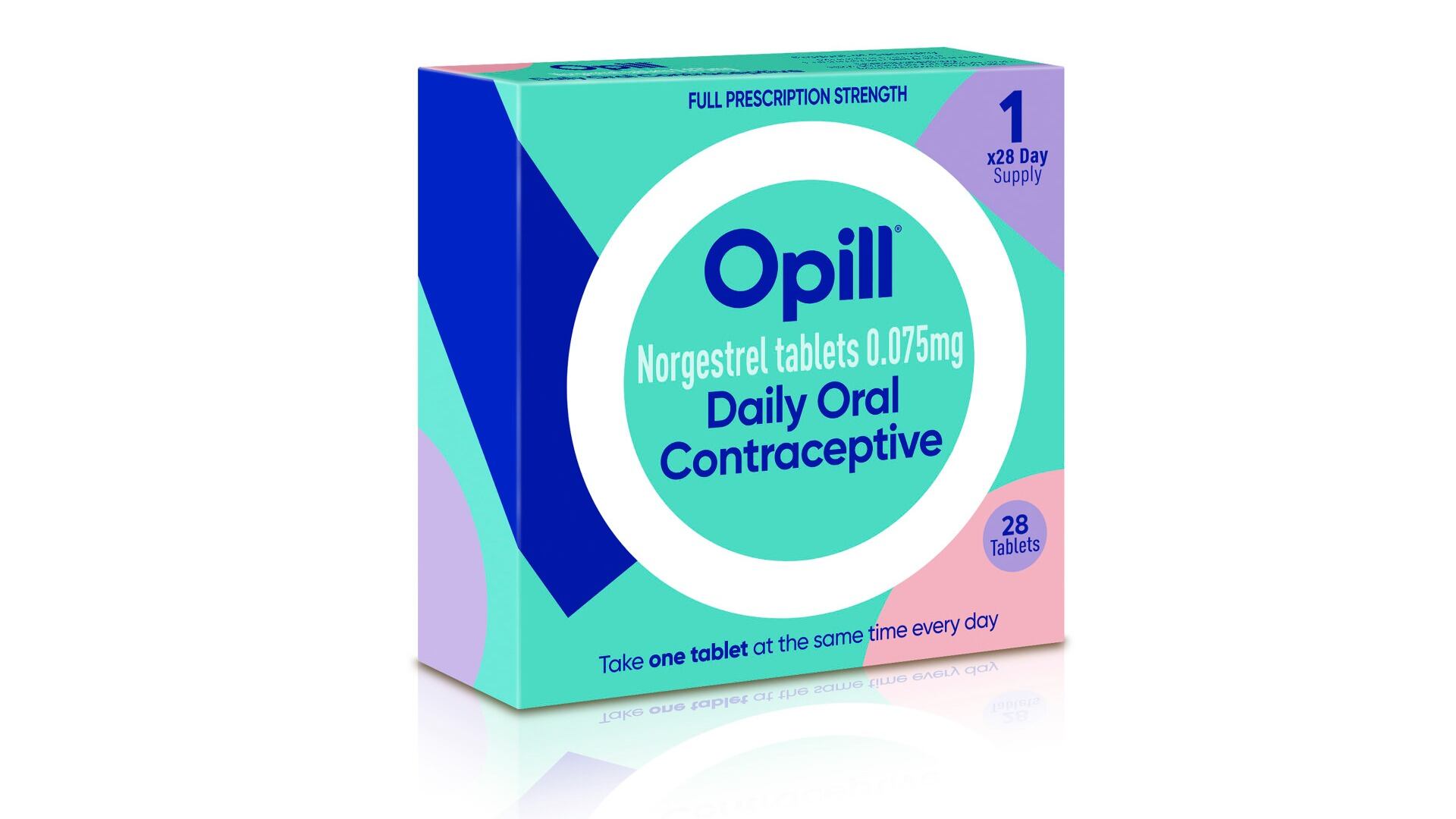
Federal health advisers said Wednesday that a decades-old birth control pill should be sold without a prescription, paving the way for a likely U.S. approval of the first over-the-counter contraceptive medication.
Colette Morales, instructor at Core 95, joined Cheddar News to teach a few basic yoga poses aimed at strengthening multiple areas of the body simultaneously.
A group of nationally-recognized medical experts are suggesting women start getting breast cancer screening at 40 years old.
The Food and Drug Administration is kicking off a two-day meeting to consider whether to let people get birth control pills without a prescription, with a decision expected by the summer.
Be Well: How Yoga Can Benefit Children
Be Well: Understanding Strokes and How Doctors Work to Reverse Their Effects