Hanneke Weitering, staff writer for Space.com, explains what makes the super moon so special. Wednesday's super moon was also an eclipse moon, a blood moon, and a blue moon, the first of its kind in North America since 1866.
Weitering explains super moons happen whenever the moon is closest to earth and the moon is full. A blood moon can only happen when the moon is in total eclipse. It appears reddish in color because it's illuminated by sunlight filtered and refracted by the Earth's atmosphere.
Weitering says the next lunar eclipse will take place in July, but people in North America will not be able to see it.
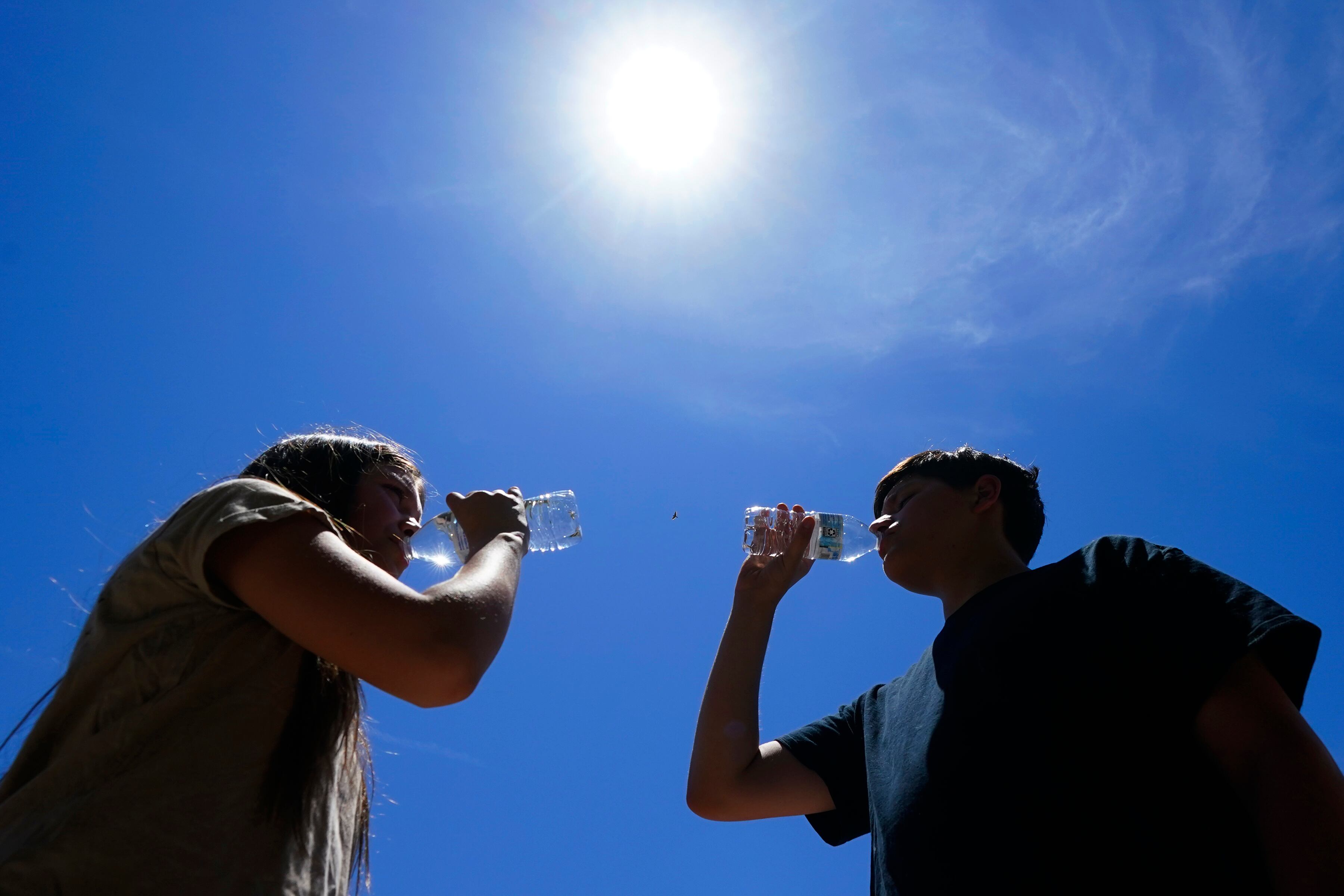
High temperatures continue to affect people in the U.S. and abroad, including in Iran where it reached 152 degrees on Sunday. The southwestern part of the U.S. continues to experience extreme weather after over a week of a heat wave.
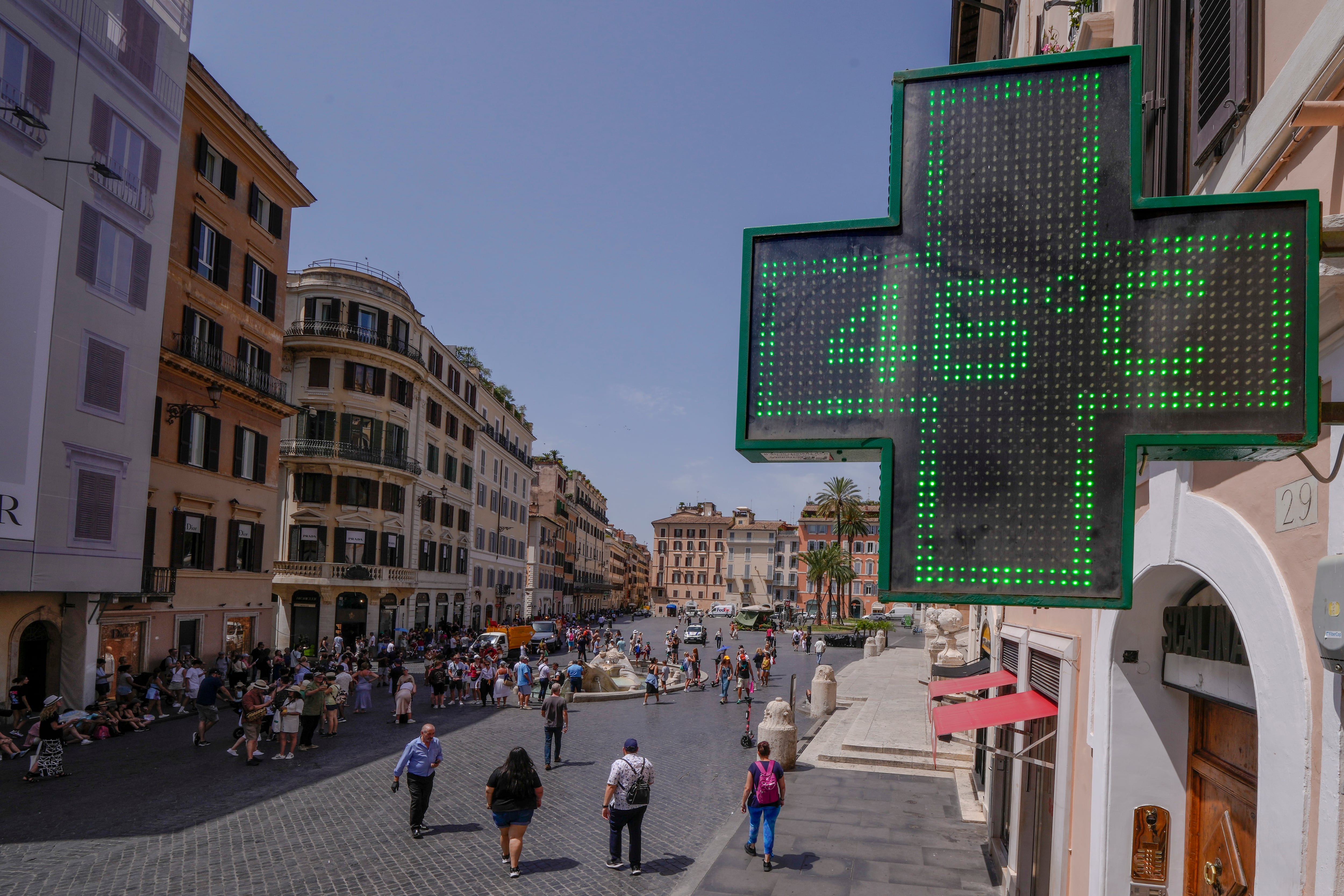
Officials warned residents and tourists packing Mediterranean destinations on Tuesday to stay indoors during the hottest hours as the second heat wave in as many weeks hits the region and Greece, Spain and Switzerland battled wildfires.
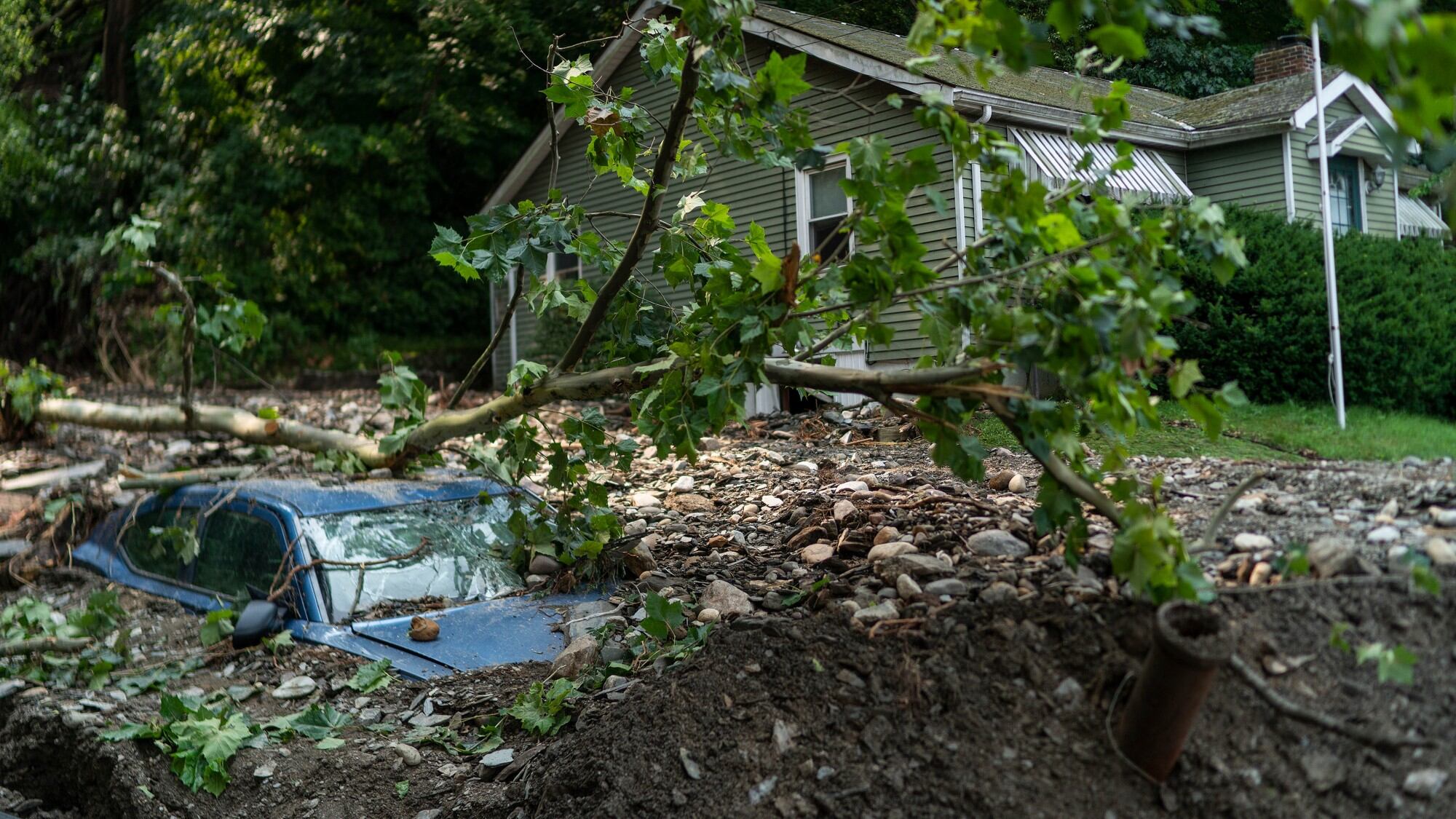
While the East Coast grappled with the aftermath of downpours that closed roads and rendered the water supply undrinkable in places, the West and other parts of the country contended with sizzling temperatures and unsafe air quality attributed to Canadian wildfires.
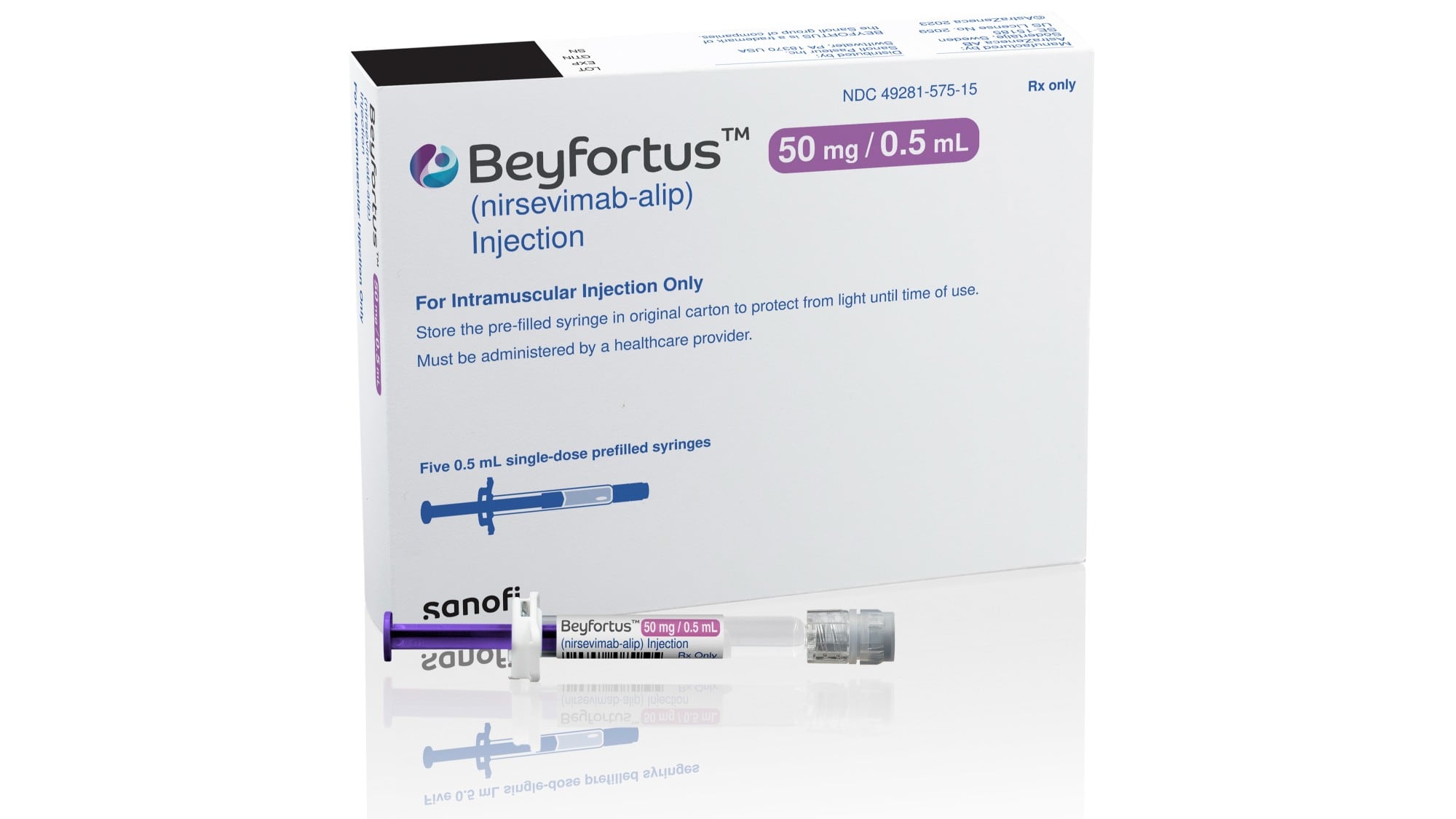
U.S. officials on Monday approved the first long-acting drug to protect babies and toddlers against a respiratory virus that sends tens of thousands of American children to the hospital each year.