Hanneke Weitering, staff writer for Space.com, explains what makes the super moon so special. Wednesday's super moon was also an eclipse moon, a blood moon, and a blue moon, the first of its kind in North America since 1866.
Weitering explains super moons happen whenever the moon is closest to earth and the moon is full. A blood moon can only happen when the moon is in total eclipse. It appears reddish in color because it's illuminated by sunlight filtered and refracted by the Earth's atmosphere.
Weitering says the next lunar eclipse will take place in July, but people in North America will not be able to see it.
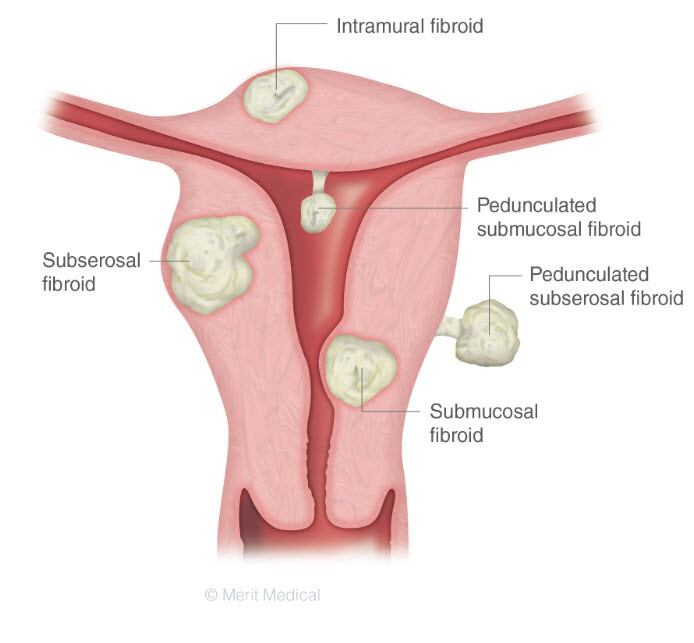
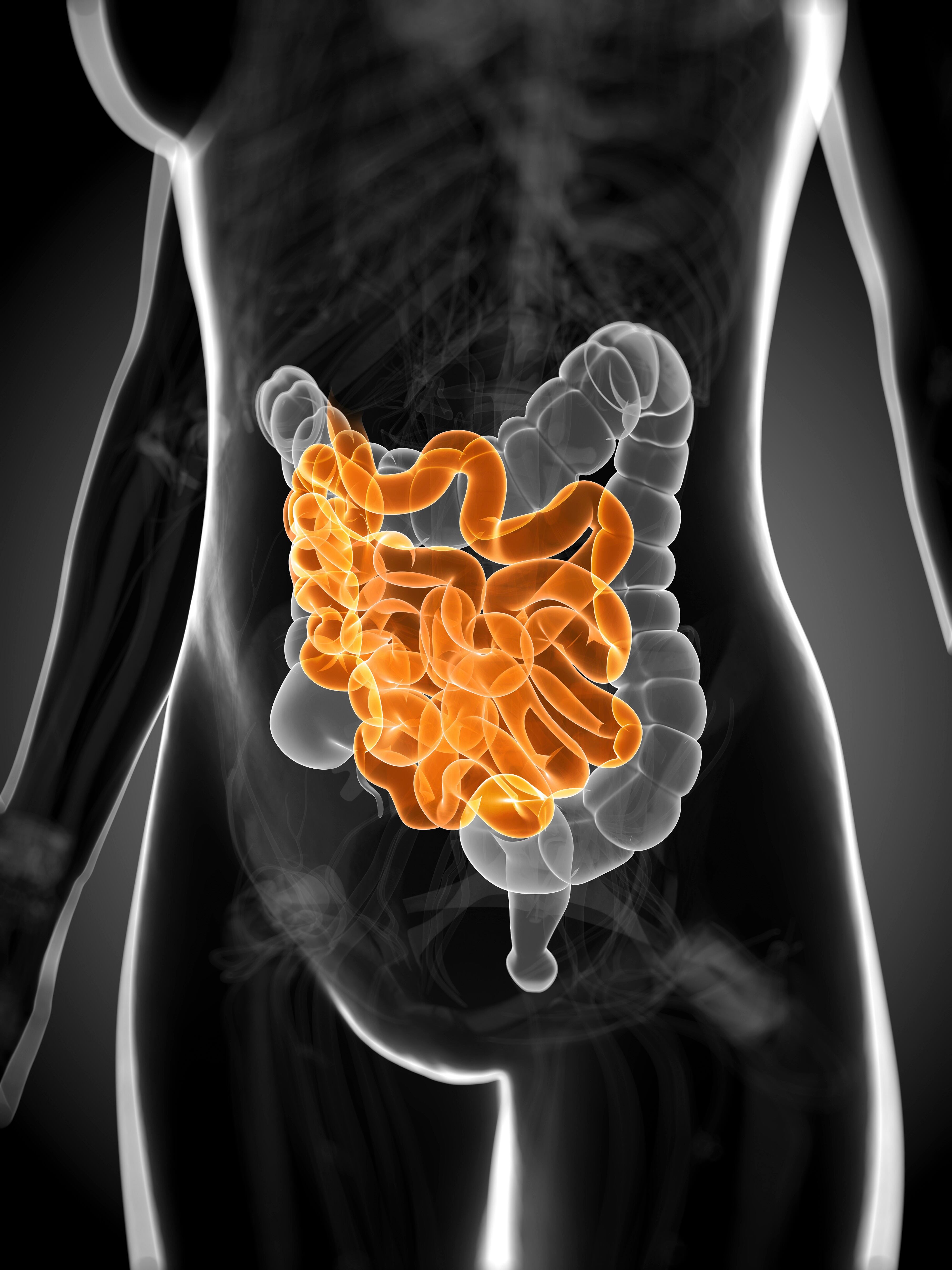
Data shows that 20% to 80% of women will develop fibroids by age 50. Cheddar News explains as Fibroid Awareness month allows people a chance to learn about the painful condition.
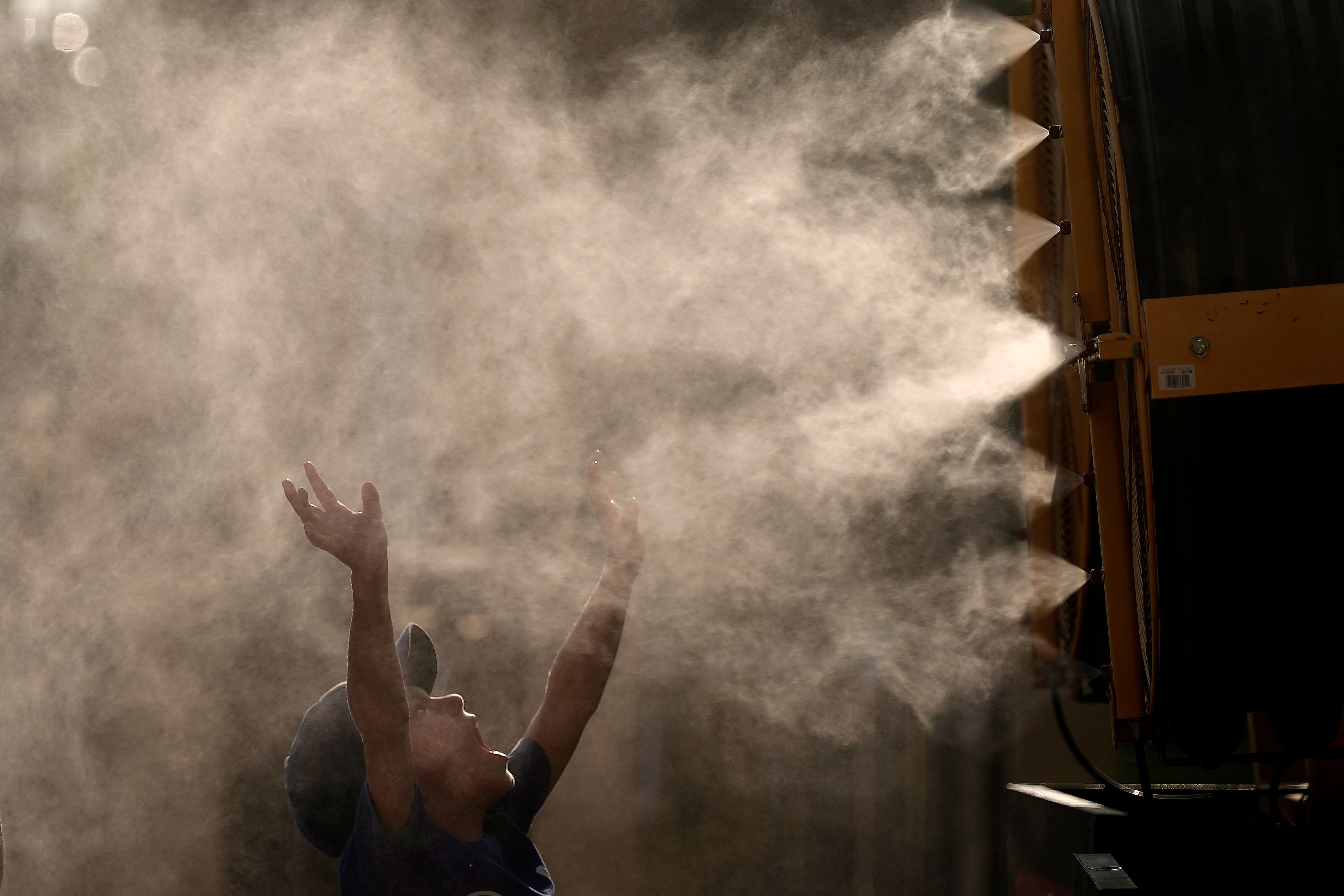
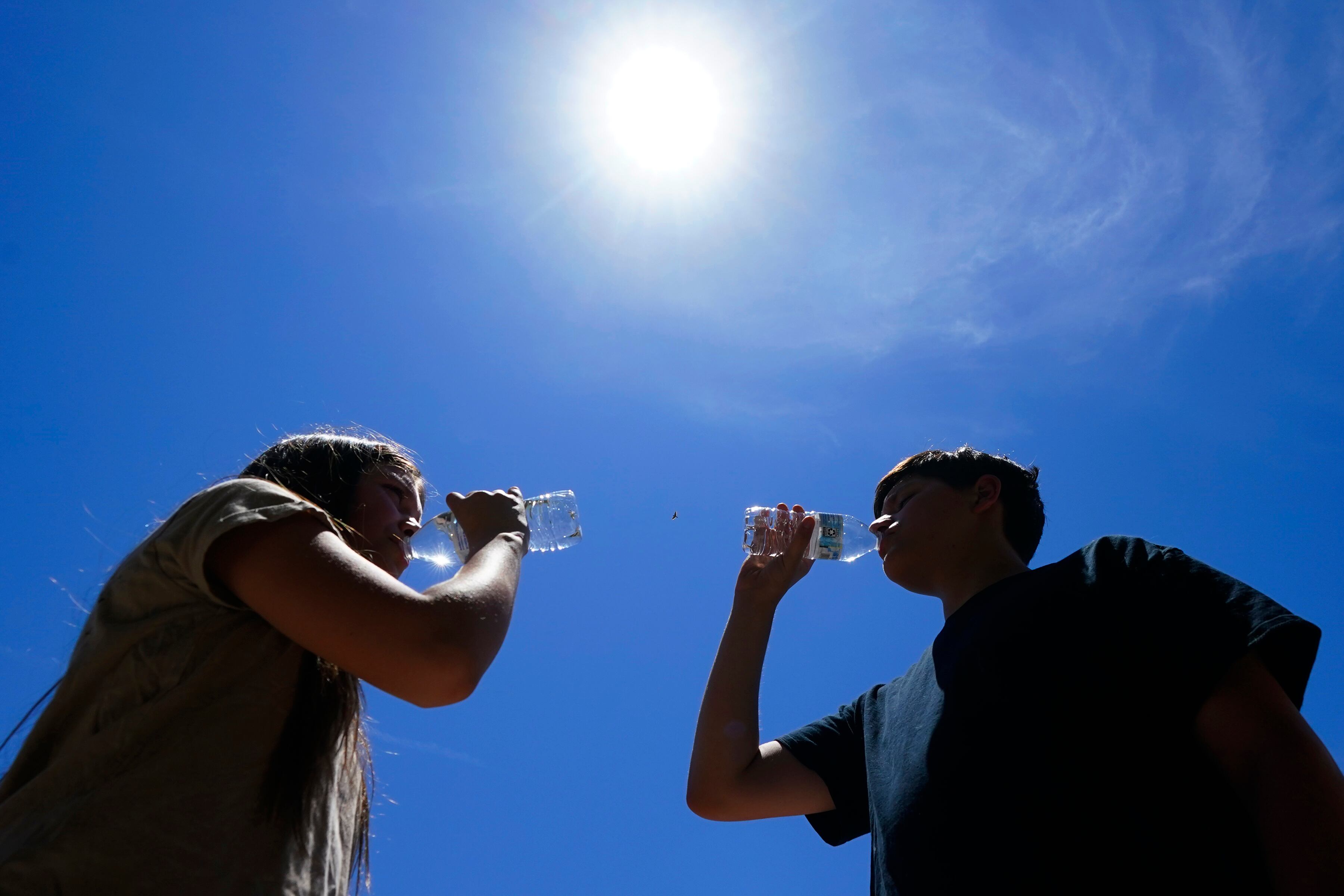
The heat wave continues to break records across the country with Phoenix recording 19 straight days of over 110 degrees as the southwestern cities are also coming close to records as well. Iran recorded a heat index of 152 degrees on Sunday with high temperatures affecting a big portion of the planet.
July is Fibroid Awareness Month, and it's an opportunity to raise awareness for uterine fibroids, a painful condition estimated to impact a staggering 26 million women nationwide. Cheddar's own Ashley Mastronardi spoke to one woman who shares her life-changing experience with fibroids.
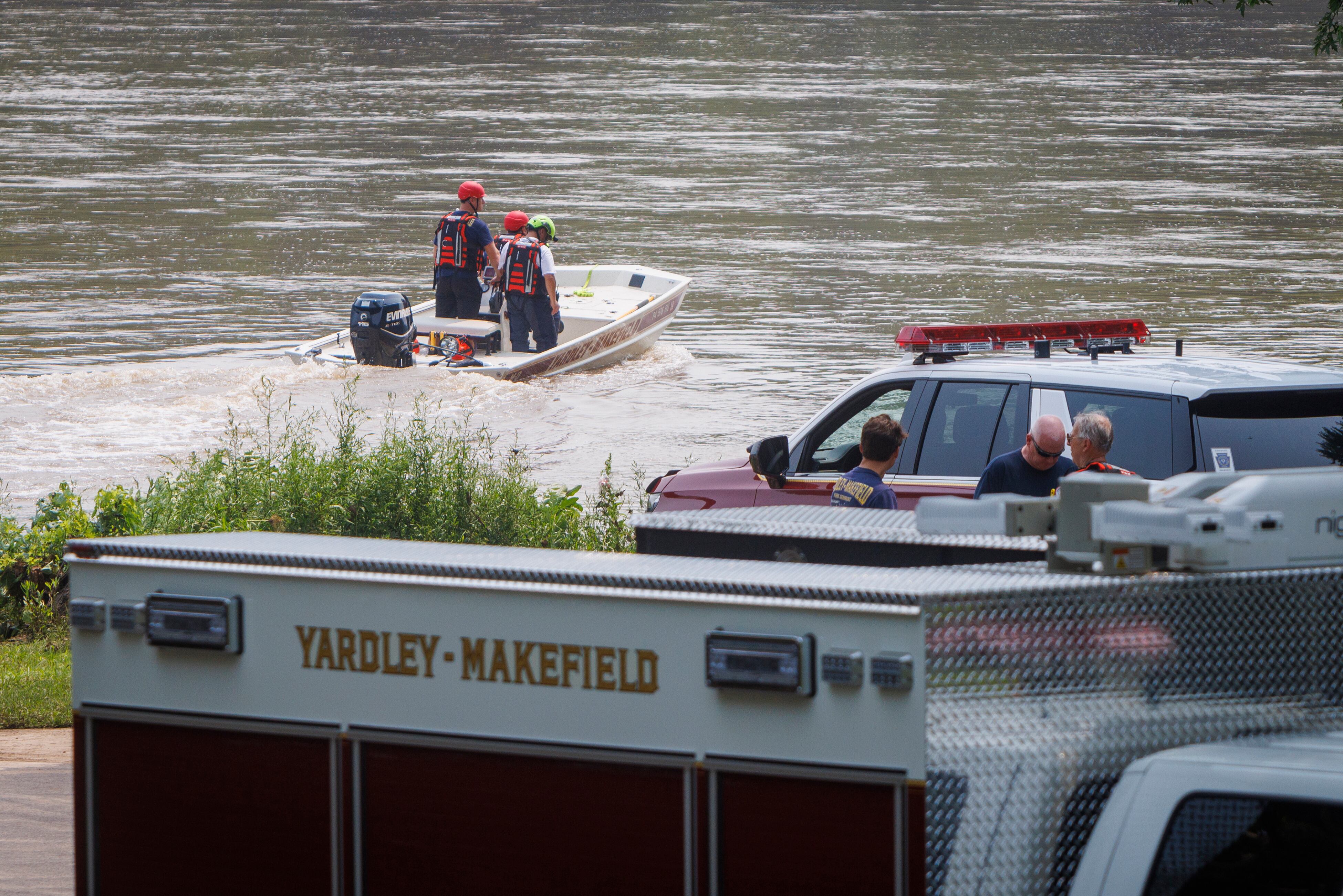
High-water rescue crews pulled people from flooded homes and vehicles Wednesday in Kentucky, where waves of thunderstorms prompted flash flood warnings and watches. A search continued for two children swept away after torrential rains in the northeastern United States.