Hanneke Weitering, staff writer for Space.com, explains what makes the super moon so special. Wednesday's super moon was also an eclipse moon, a blood moon, and a blue moon, the first of its kind in North America since 1866.
Weitering explains super moons happen whenever the moon is closest to earth and the moon is full. A blood moon can only happen when the moon is in total eclipse. It appears reddish in color because it's illuminated by sunlight filtered and refracted by the Earth's atmosphere.
Weitering says the next lunar eclipse will take place in July, but people in North America will not be able to see it.
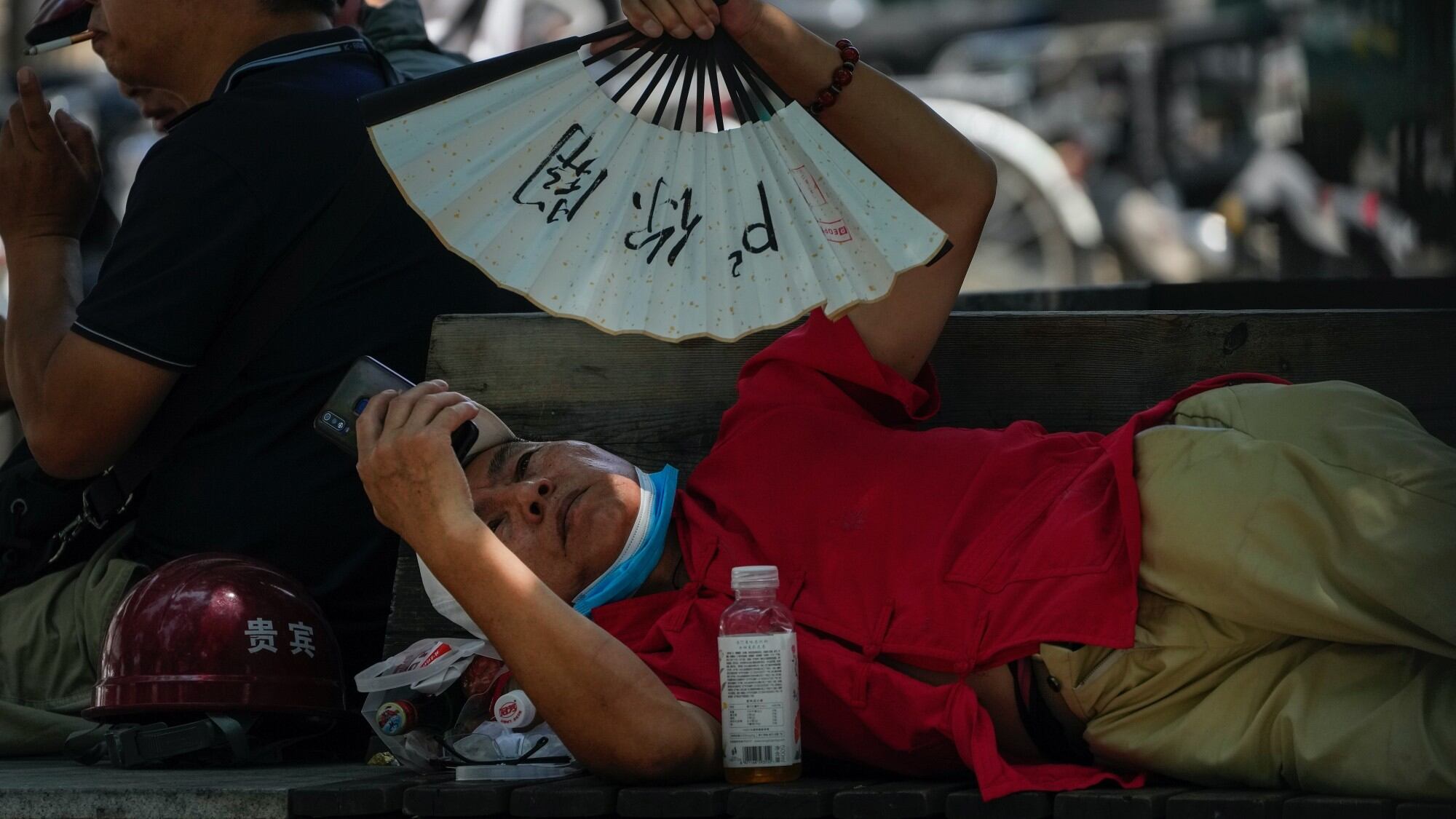
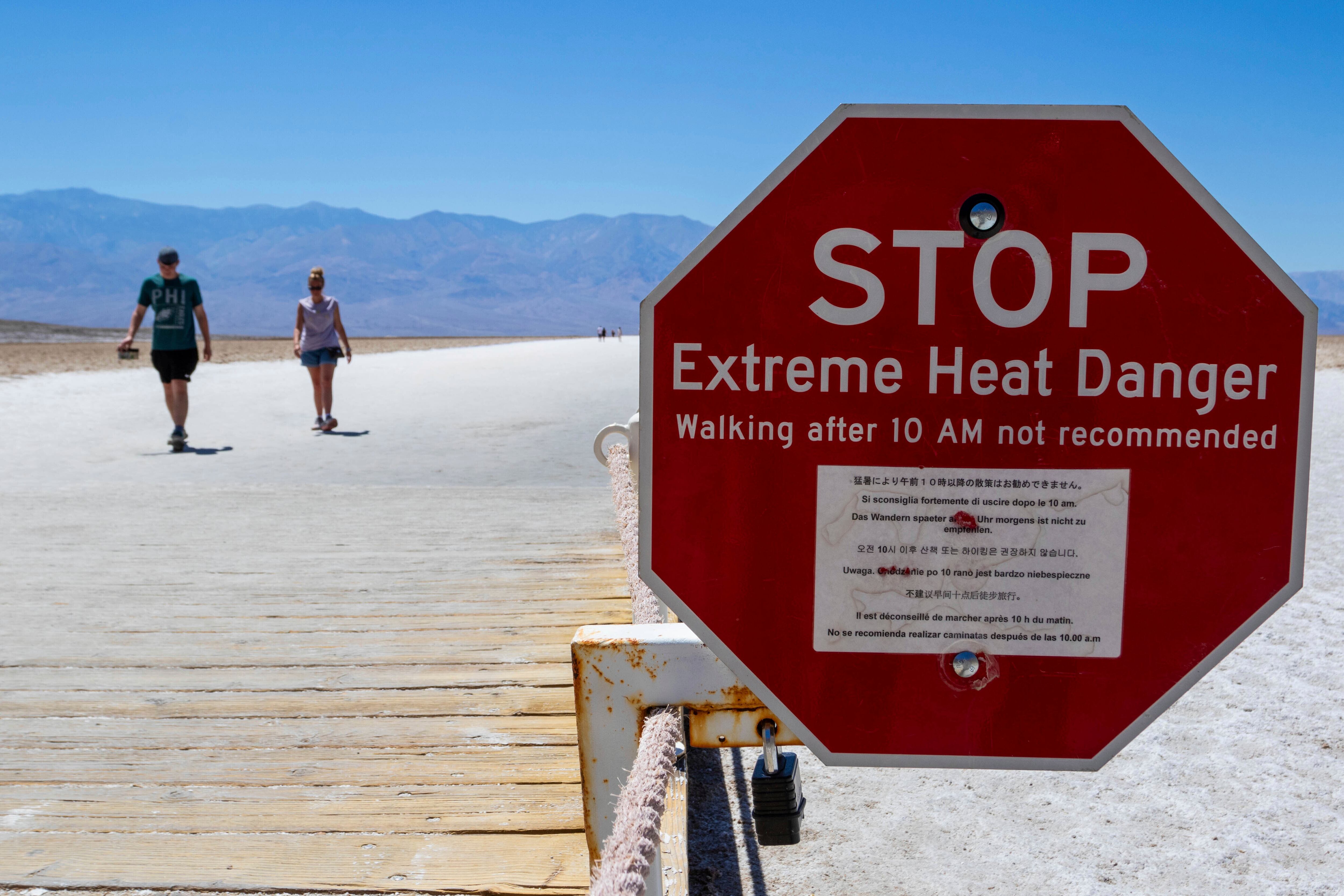
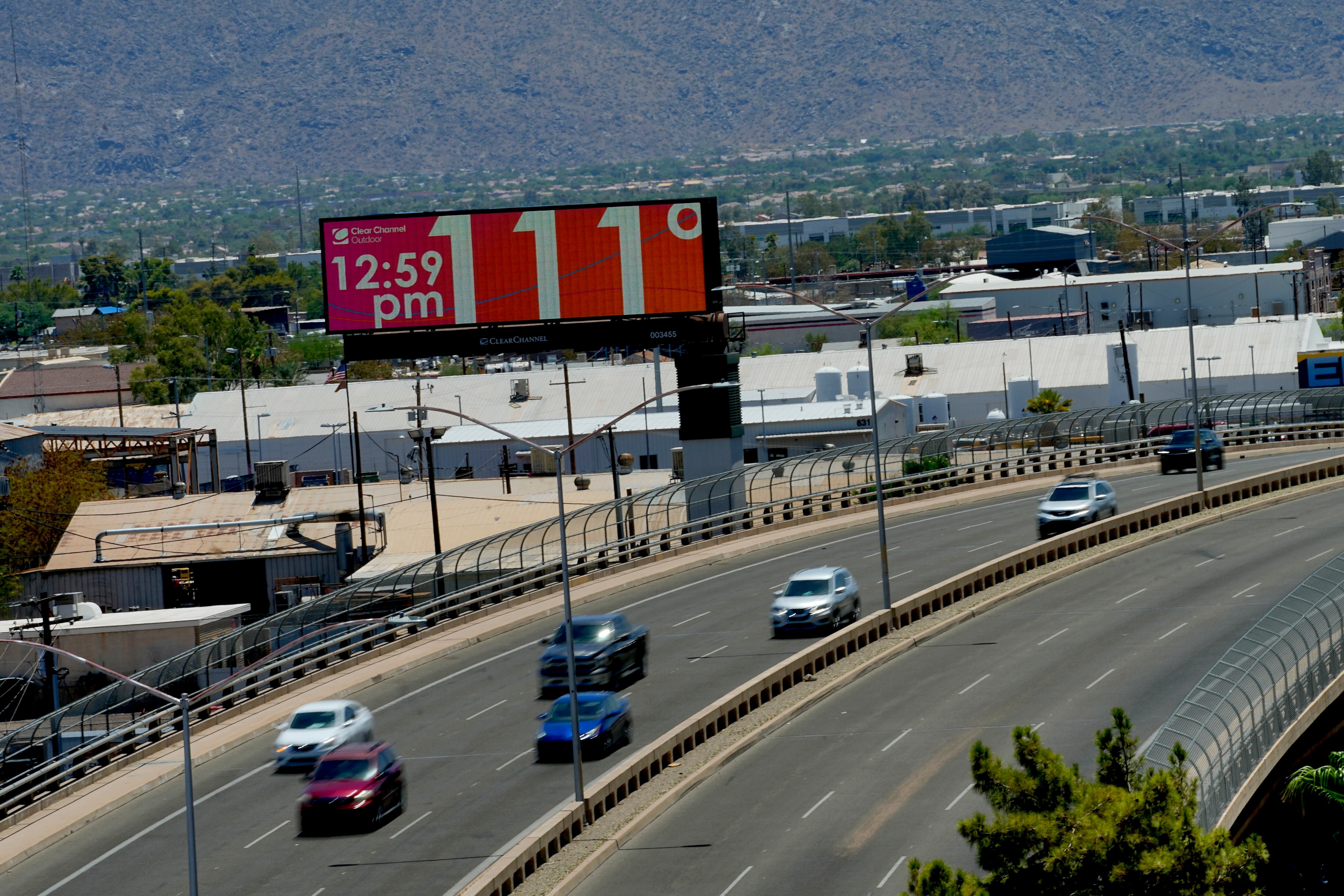
Climate change’s sweaty fingerprints are all over the July heat waves gripping much of the globe. A new study finds these intense and deadly hot spells in the American Southwest, southern Europe and CHINA could not have occurred without it.