Hanneke Weitering, staff writer for Space.com, explains what makes the super moon so special. Wednesday's super moon was also an eclipse moon, a blood moon, and a blue moon, the first of its kind in North America since 1866.
Weitering explains super moons happen whenever the moon is closest to earth and the moon is full. A blood moon can only happen when the moon is in total eclipse. It appears reddish in color because it's illuminated by sunlight filtered and refracted by the Earth's atmosphere.
Weitering says the next lunar eclipse will take place in July, but people in North America will not be able to see it.
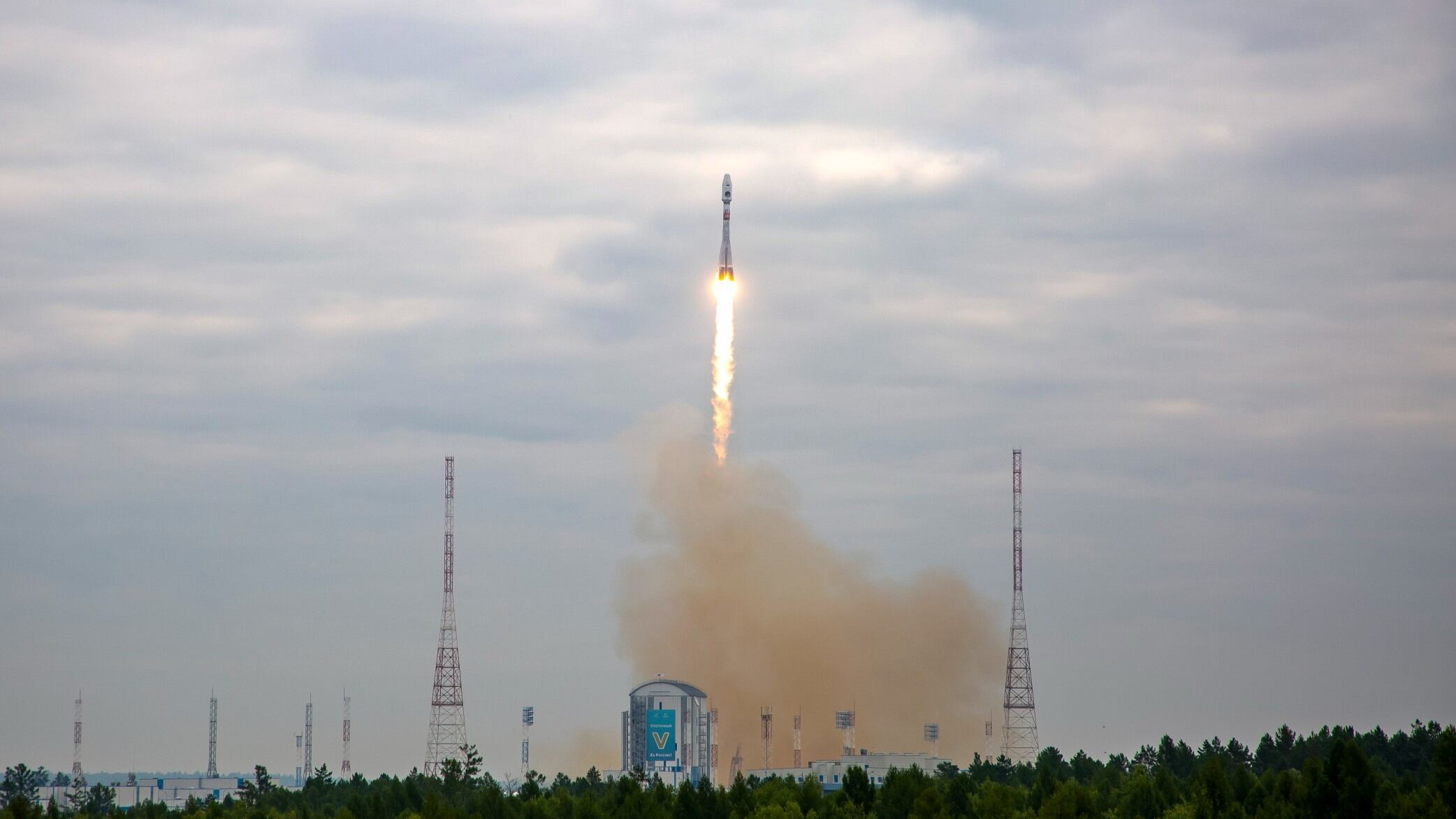
The head of Russia's space agency said Monday that the Luna-25 spacecraft crashed into the moon after its engines failed to shut down correctly, and he blamed the country's decades-long pause in lunar exploration for the mishap.
The managers of the Panama Canal said they expect income from the waterway to drop after authorities were forced to limit the number of ships passing through each to 32 due to a lack of rainfall.
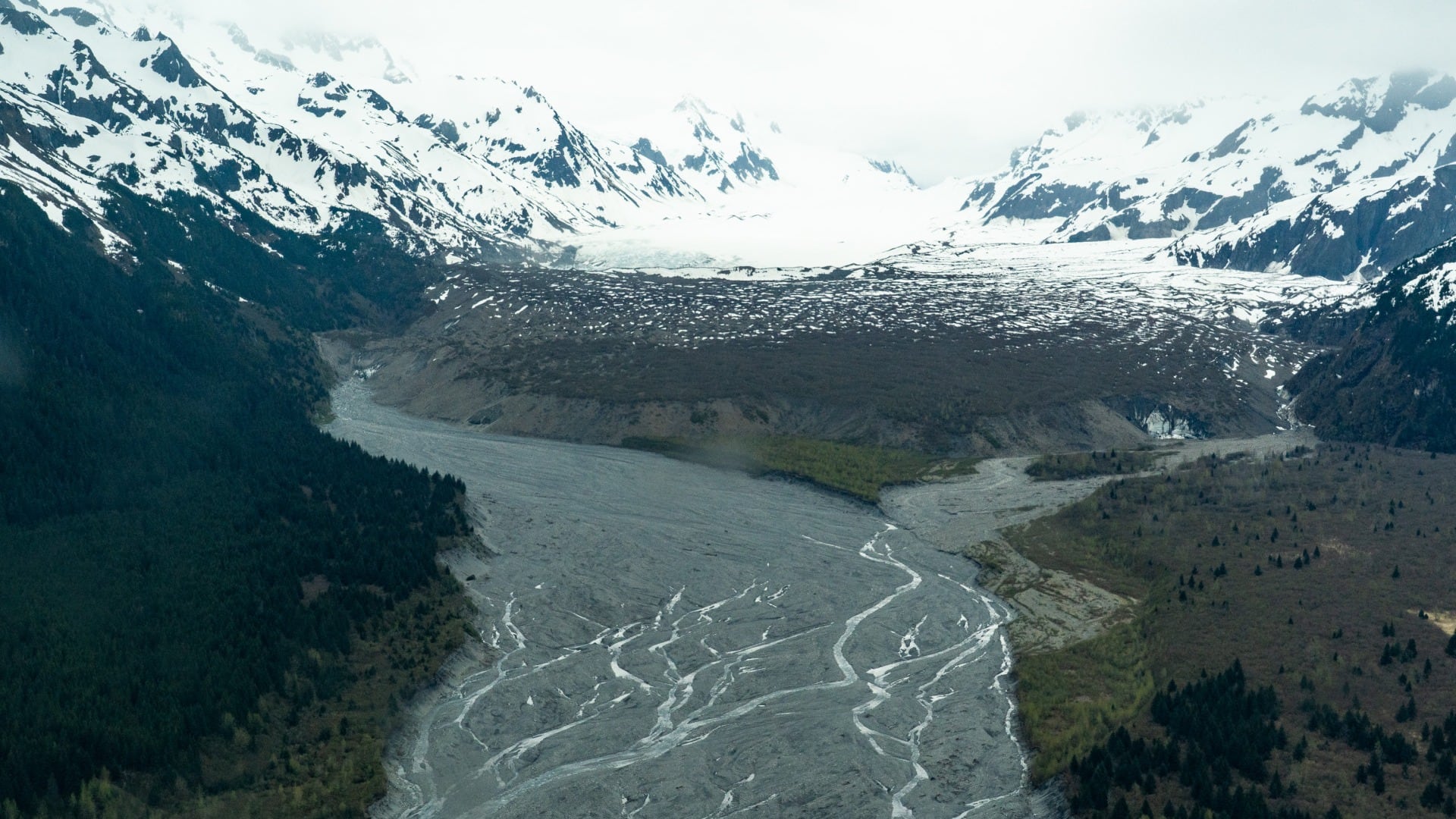
A new scientific study published Thursday suggests the world should start preparing to protect the ecosystems that emerge from under the disappearing ice, as a warming planet is inevitably causing glaciers to melt.
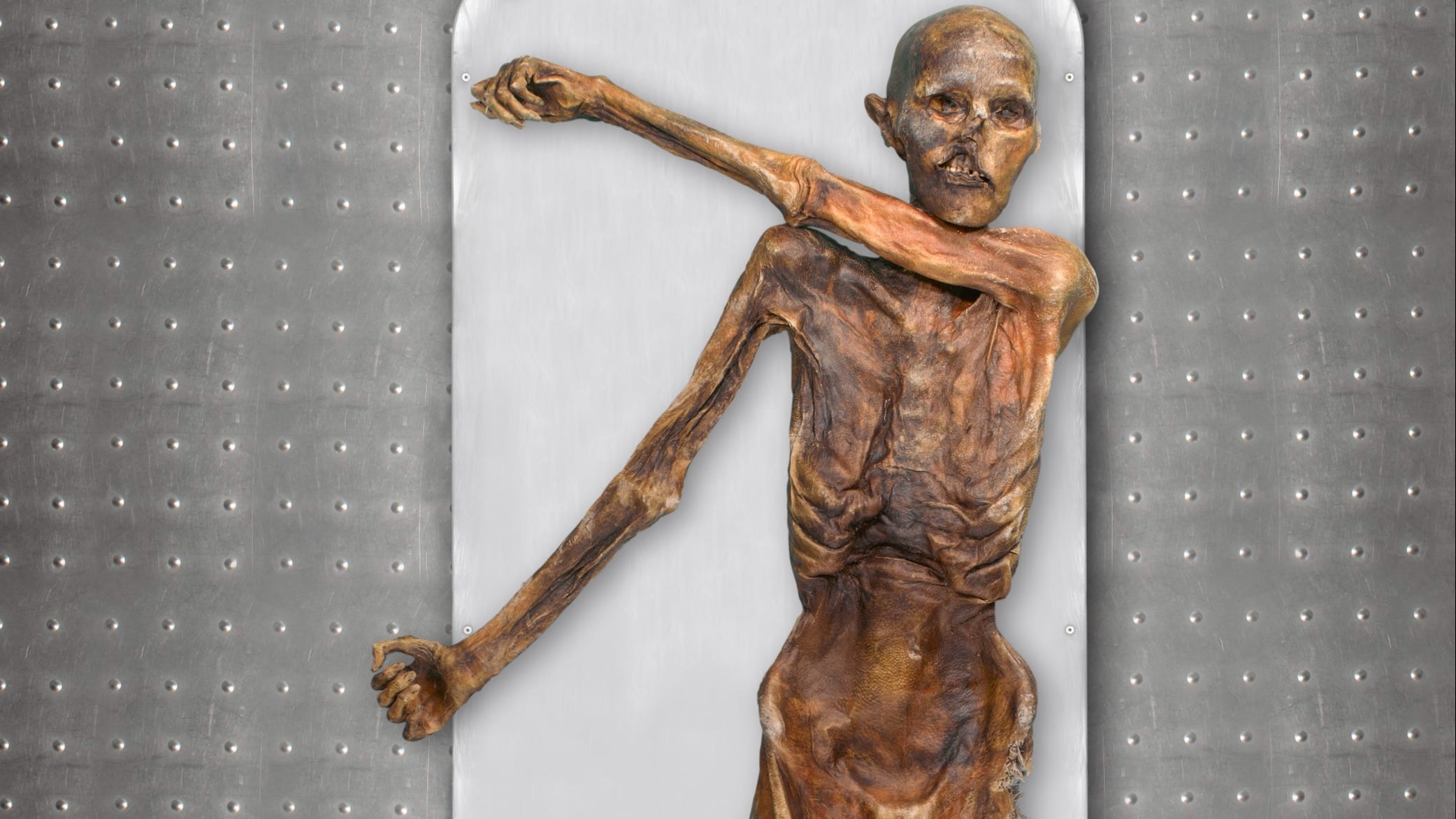
Oetzi the Iceman has a new look. Decades after the famous glacier mummy was discovered in the Italian Alps, scientists have dug back into his DNA to paint a better picture of the ancient hunter.