Hanneke Weitering, staff writer for Space.com, explains what makes the super moon so special. Wednesday's super moon was also an eclipse moon, a blood moon, and a blue moon, the first of its kind in North America since 1866.
Weitering explains super moons happen whenever the moon is closest to earth and the moon is full. A blood moon can only happen when the moon is in total eclipse. It appears reddish in color because it's illuminated by sunlight filtered and refracted by the Earth's atmosphere.
Weitering says the next lunar eclipse will take place in July, but people in North America will not be able to see it.
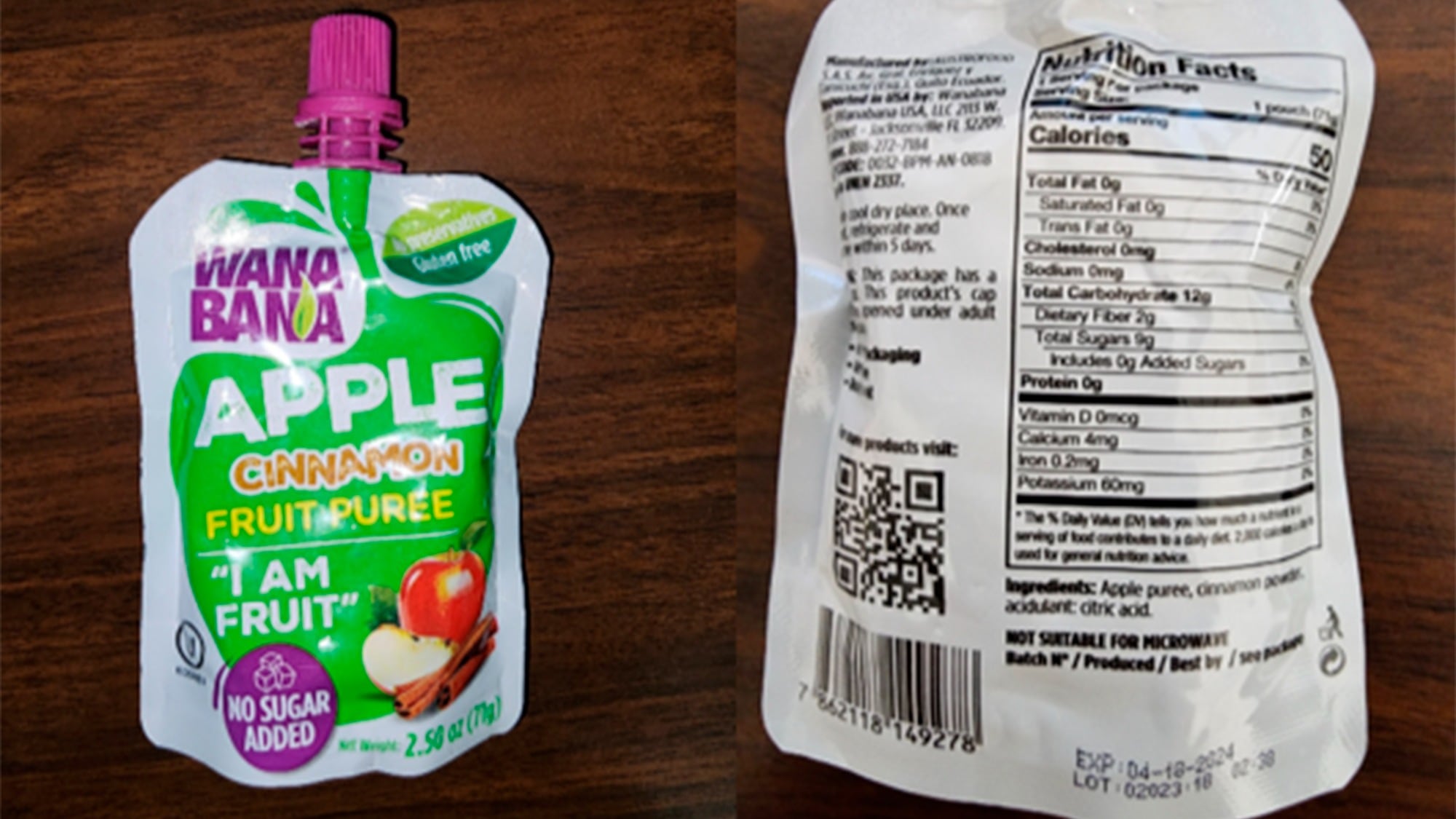
Federal health officials are expanding an investigation into potentially lead-tainted pouches of apple cinnamon fruit puree marketed for children amid reports of more illnesses and additional product recalls.
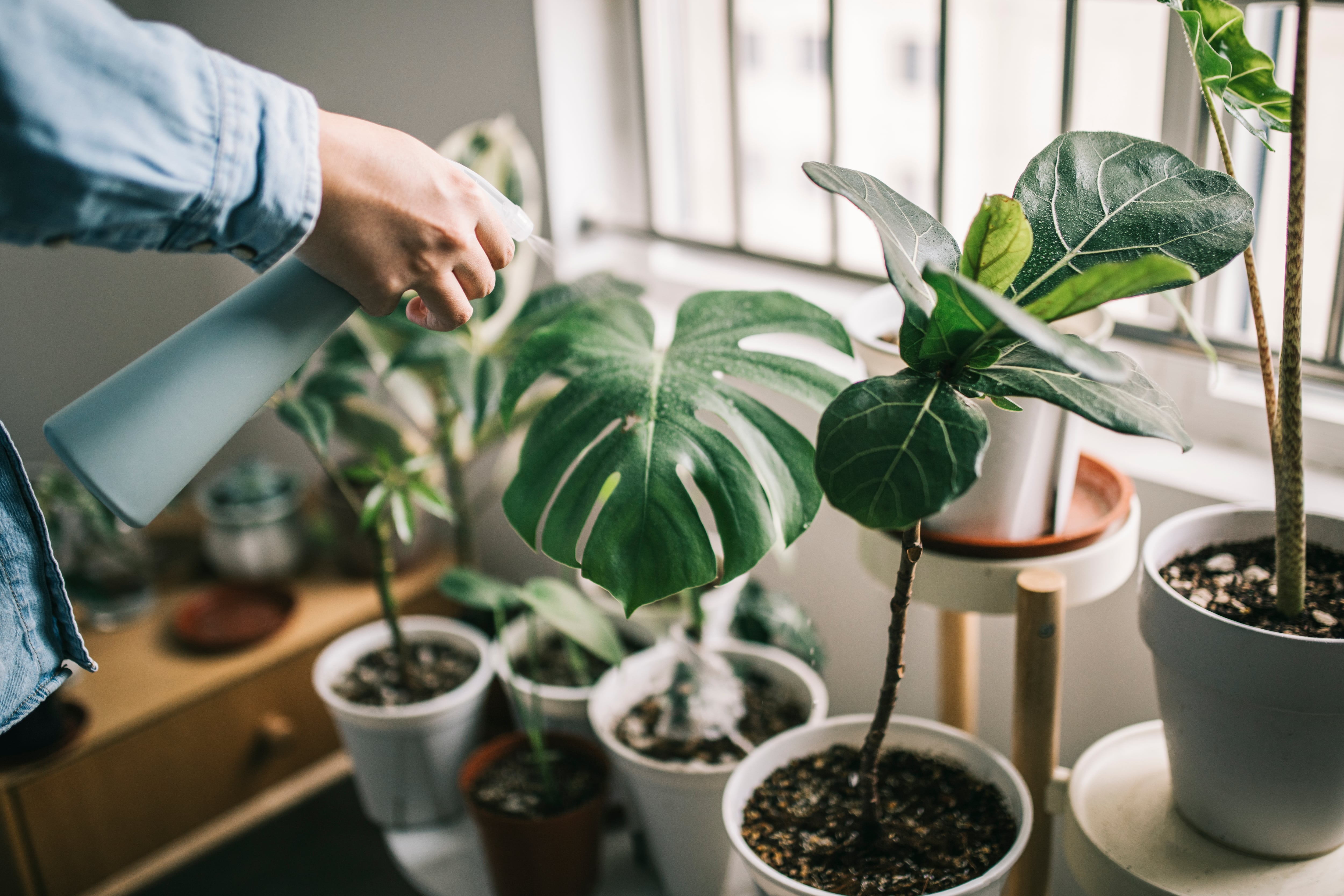
Kamili Bell Hill, author of "Happy Plants, Happy You: A Plant-Care & Self-Care Guide for the Modern Houseplant Parent," explains what you can do to make your houseplants thrive.
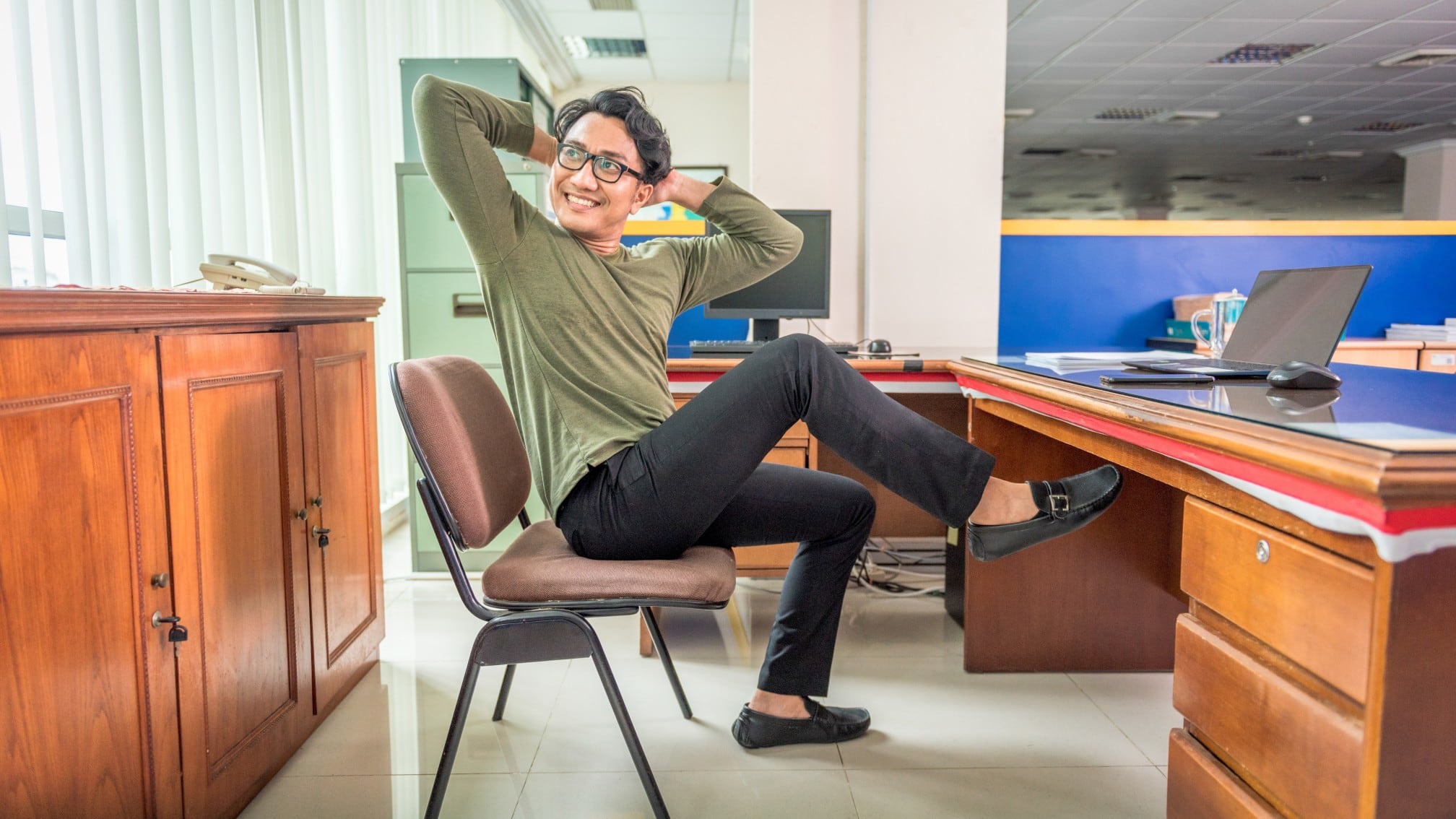
Elaine and Morace Landy of Evolution3 show off some moves to strengthen your core muscles right where you're sitting.
Marci Hopkins, recovery expert and author of "Chaos to Clarity: Seeing The Signs and Breaking The Cycles," talks about her own intergenerational experience with addiction that drove her to make changes and help others.
Biological aging may be slowed when people adopt eight behaviors.
The Centers for Disease Control and Prevention announced that it will expand its infectious disease surveillance programs at major airports around the country.
Cheddar News checks in with your coast-to-coast weekend weather forecast for Friday, Nov. 3, 2023.
Astronaut Thomas Kenneth Mattingly, who helped bring the crew of Apollo 13 back to earth after an explosion threatened their lunar mission, has died at 87.
Fewer high school students are vaping this year, the government reported Thursday.
How to save while going vegan.