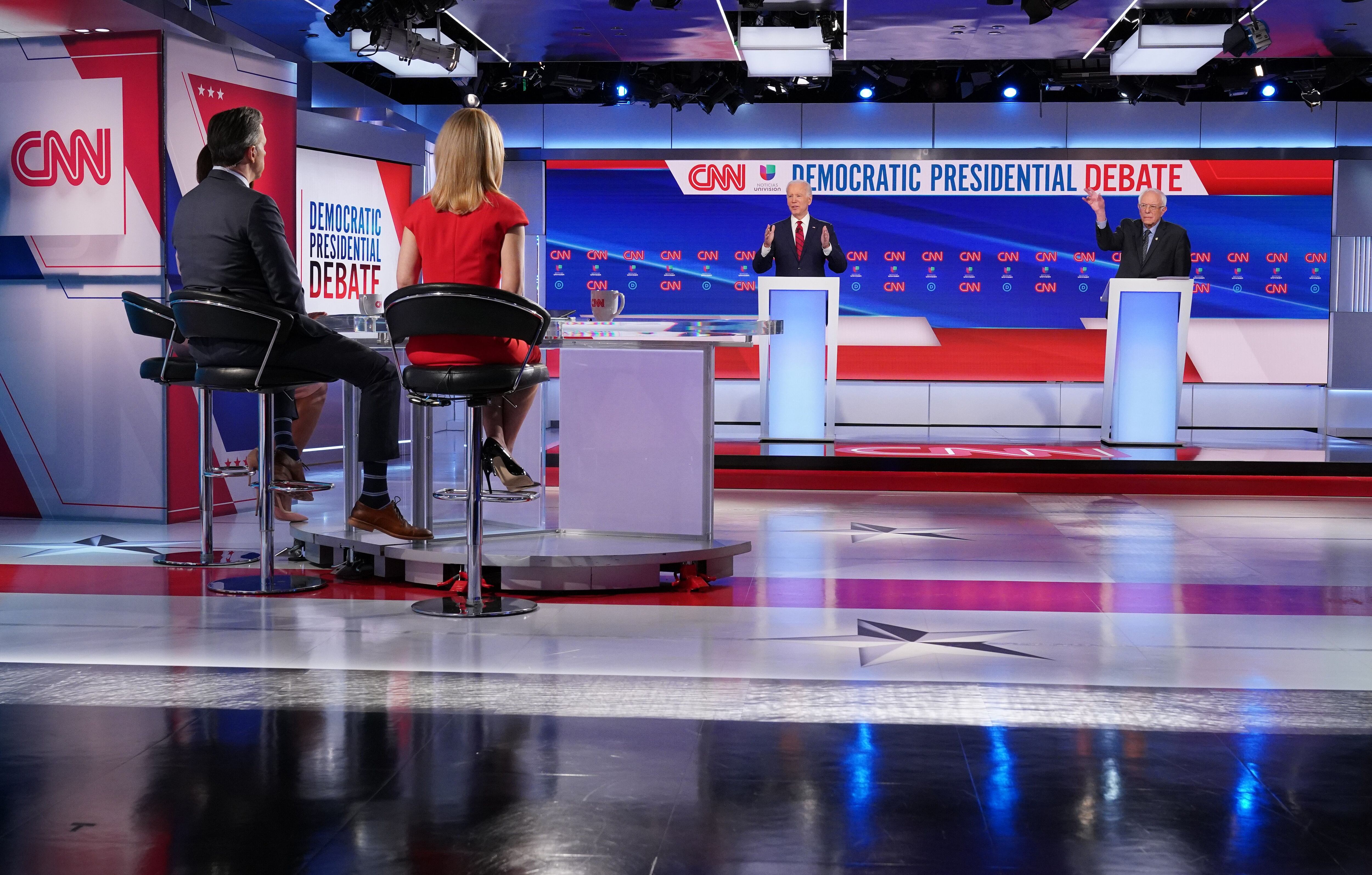
California Sen. Kamala Harris and South Bend Mayor Pete Buttigieg are the most formidable of the two dozen Democratic presidential candidates, according to Anthony Scaramucci.
Harris is a “very gifted person ... she has a very good track record to run on,” Scaramucci told Cheddar on Tuesday, noting the she has the ability to rebuild the coalition of voters that elected President Obama.
Better known as the Mooch, Scaramucci also praised Buttigieg’s calculated approach to politics and his sober responses to attacks from President Trump.
Buttigieg has “never once taken President Trump’s bait,” Scaramucci said. “The more successful way to counteract some of the president’s media onslaught and his deft skills at criticizing people is not necessarily go in the mud with him.”
He said that a presidential ticket with Harris and Buttigieg — or Buttigieg and Harris — was a winning strategy. “I’m not a democratic strategist but I would go in that direction,” he said.
Scaramucci is a prominent New York investment banker and the founder of Skybridge Capital. He also served a brief stint as White House Communications Director in 2017, which gave him what he called an “11-day PhD” on Washington culture. His tenure was cut extremely short after he gave an interview to The New Yorker in which he criticized other members of the administration with expletives and derogatory language.
Scaramucci added that Democrats do better in elections with younger nominees — a reality that does not bode well for former Vice President Joe Biden despite his strong polling numbers.
“If they go with Joe Biden … the president will be able to run against his 50 years of sedimentary record inside the Washington establishment,” he said.
Scaramucci also lauded Massachusetts Sen. Elizabeth Warren’s fundraising capabilities and impressive staffing in key states, but predicted that she would lose in a general election against Trump.
“She just has the wrong ideas and the wrong policy solutions for where the American people are right now,” he said.
The U.S. Senate Committee on Banking, Housing and Urban Affairs introduced legislation Tuesday requiring banks to maintain “digital dollar wallets” for coronavirus stimulus payments to consumers.
New York Governor Andrew Cuomo Wednesday afternoon said the greatest strain on the state’s health care system from the coronavirus could come in approximately 21 days, while also providing early indications about steps the state might eventually take to restart the economy.
One of the most influential industries on Capitol Hill was left out of the package that advanced early Wednesday, an apparent setback for a sector that had expected to easily secure $3 billion to fund the purchase of oil to fill the Strategic Petroleum Reserve (SPR).
The Senate will reconvene later Wednesday to vote on the package. But that does not mean the bill is guaranteed to land on President Donald Trump’s desk. The House of Representatives has to pass it, and that may not be an easy feat.
The White House and Senate leaders of both major political parties announced agreement early Wednesday on an unprecedented $2 trillion emergency bill to rush sweeping aid to businesses, workers and a health care system slammed by the coronavirus pandemic.
Stocks are moving tentatively higher in early trading on Wall Street Wednesday after Congress and the White House reached a deal to inject nearly $2 trillion of aid into an economy ravaged by the coronavirus.
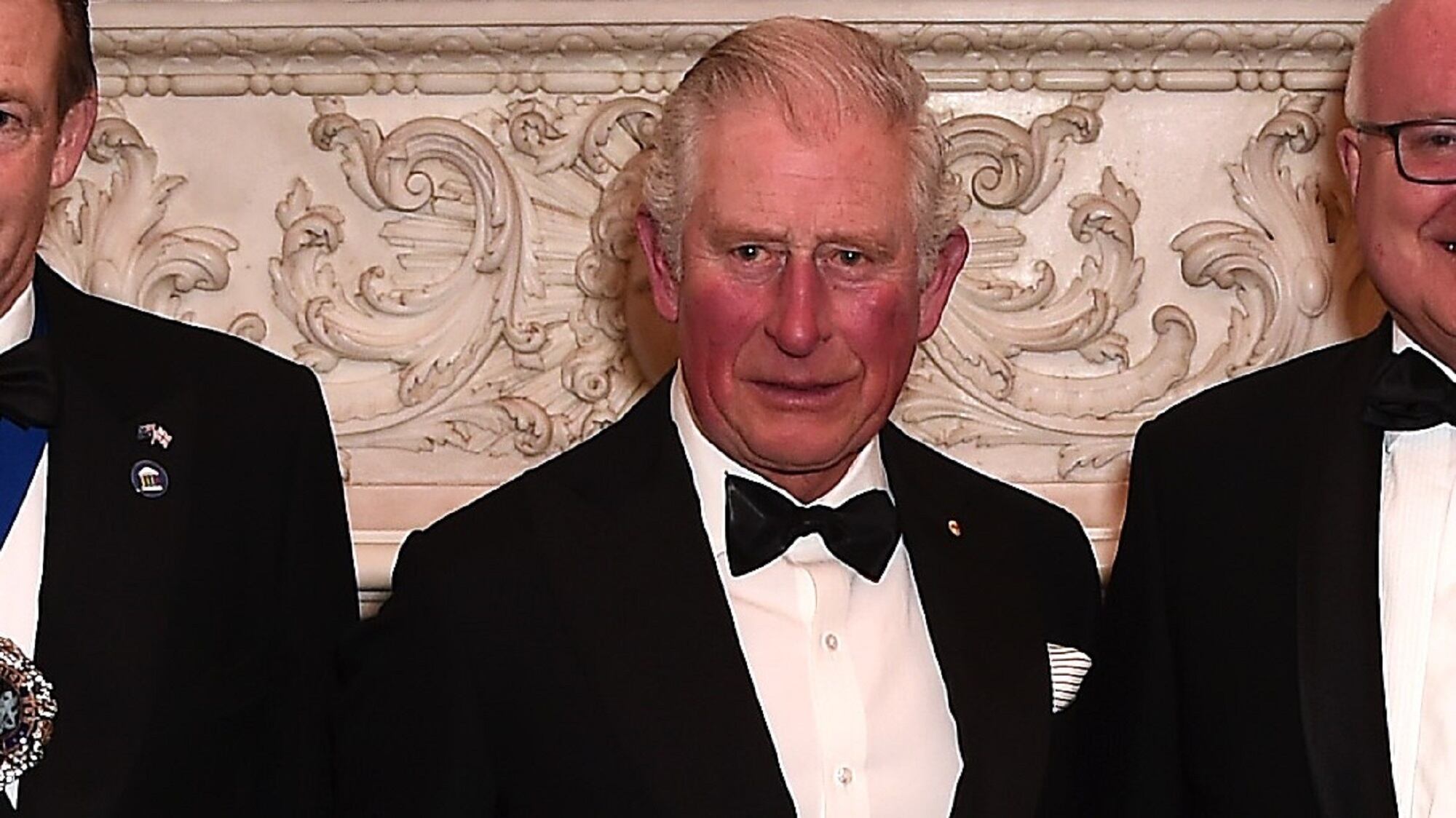
The death toll in Spain from the coronavirus shot up by more than 700 on Wednesday, surpassing China and is now second only to Italy as the pandemic spread rapidly in Europe, with even Britain’s Prince Charles testing positive for the virus.
Each piece of legislation is long: 247 pages for the Senate bill and a whopping 1,404 pages for the House bill. While we cannot distill every provision, here’s a look at some of the major differences between the two pieces of legislation.
Stocks are jumping in midday trading on Wall Street Tuesday amid expectations that Congress is nearing a deal on a big coronavirus relief bill. That would follow more aggressive steps from the Federal Reserve announced a day earlier to support lending and bond markets.