Anthony Scaramucci, the outspoken investment banker and former White House Communications Director, criticized the Trump administration's enduring trade disputes, arguing the tariffs ultimately hurt the American people.
"The current trade war and the strategy of using tariffs is a flawed strategy," Scaramucci told Cheddar on Tuesday.
Scaramucci said that tariffs, which are essentially taxes, especially hurt Americans making less that $100,000 annually. "They eat up their living standards," he said.
Scaramucci is a prominent New York financier and the founder of Skybridge Capital. He served a brief stint as White House Communications Director in 2017, which gave him what he called an "11-day PhD" on Washington culture. His tenure was cut extremely short after he gave an interview to The New Yorker in which he criticized other members of the administration with expletives and derogatory language.
"By using the tariffs, you have this effect of slowing down the economy and creating a level of unpredictability for CEOs large and small around America," Scaramucci said.
Since taking office, Trump has threatened punitive tariffs against several countries ranging from Mexico to India. The White House most notably implemented tariffs on $250 billion worth of Chinese imports in 2018, and has threatened to levy more on an addition $300 billion worth of goods.
Did you happen to watch the series The Bear? The show follows a struggling small business owner in Chicago who is trying to save his business. It's a story a lot of small business owners in the U.S. can relate to. To help out these struggling entrepreneurs, Cheddar News brought on an expert here to help take your company from stressful to successful.
The sticker prices for Ford's F-150 Lightning electric pickup trucks are being lowered by thousands of dollars across the board, the company said Monday, due to increased plant capacity, falling costs for battery raw materials and internal efforts to scale production by the Detroit automaker.
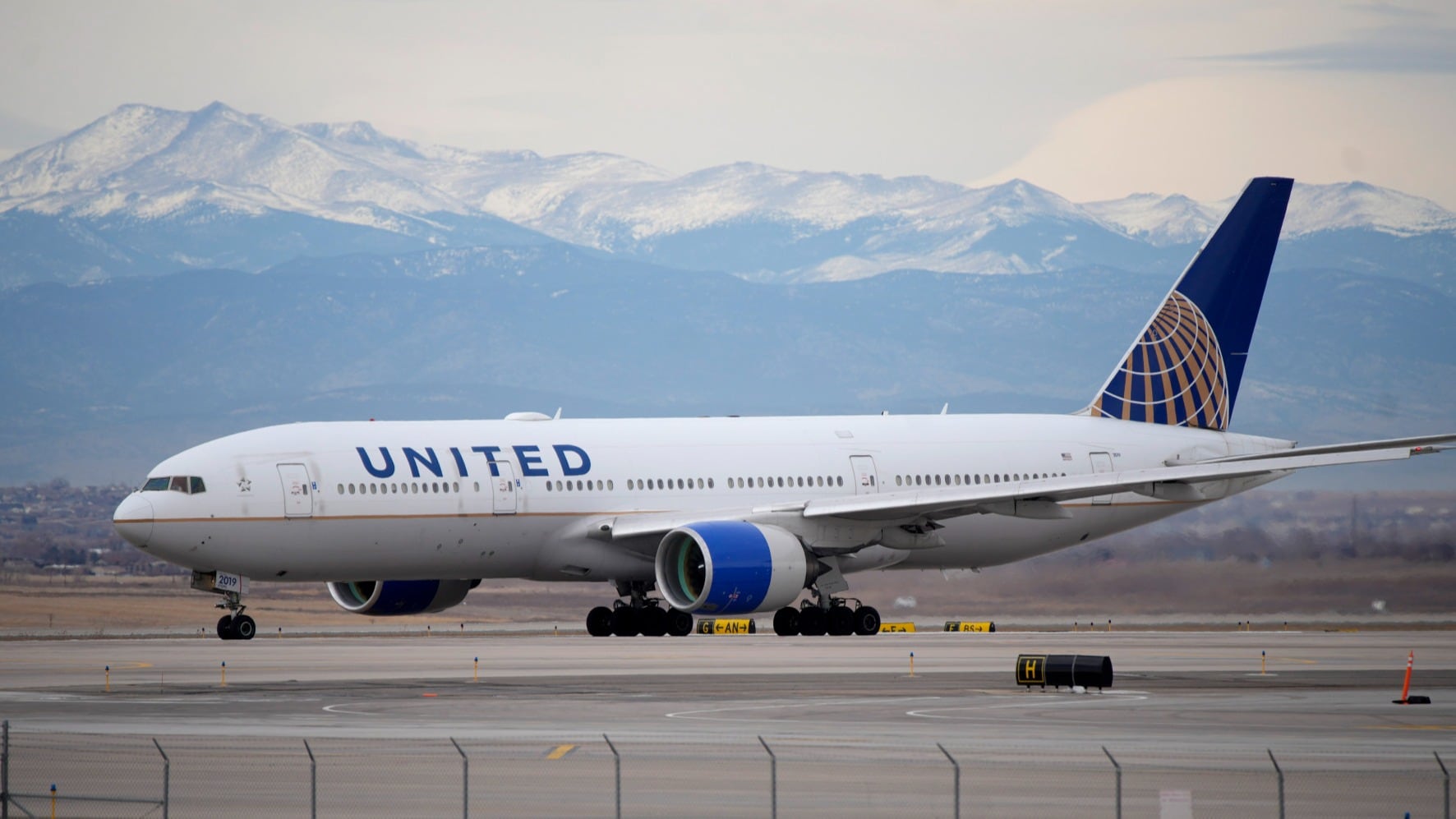
United Airlines and the union representing its pilots said Saturday they reached agreement on a contract that will raise pilot pay by up to 40% over four years.
The court’s ruling applies to higher education institutions and other entities that receive federal funding and doesn’t directly change private employer obligations, but business leaders might pull back diversity, equity and inclusion programs to avoid lawsuits.
The Week's Top Stories is a guided tour through the biggest market stories of the week, from winning stocks to brutal dips to the facts and forecasts generating buzz on Wall Street. Up this week: Meta, Disney & Microsoft-Activision Blizzard.