The #MeToo Movement May Have Started in Silicon Valley
Silicon Valley’s gender inequality problem is no secret.
But the situation can be fixed, according to Emily Chang author of the book “Brotopia” and host of Bloomberg Technology.
“The #MeToo movement started in Silicon Valley,” she says.
Years before the reckoning in Hollywood, women like venture capitalist Ellen Pao and Uber’s Susan Fowler spoke out about harassment and discrimination. Their efforts, Chang says, made it “safer for more women to come forward.”
“That’s part of why I wrote the book,” says Chang. “To keep that conversation going and not lose the momentum that some of these courageous women have ignited.”
According to Chang, the gender pay gap in Silicon Valley is five times the national average. In the traditionally male-dominated tech industry, too many find themselves “the only women in the room.”
And there are cultural issues as well. Chang’s book takes an inside look at the social scenes of powerful executives, investors, and entrepreneurs, which include things like “sex parties” and a range of other similarly inappropriate activities.
“All of this perpetuates an uncomfortable environment for women and a power dynamic that is completely lopsided.”
Silicon Valley hasn’t always been this skewed.
“Women actually played vital roles in the computer revolution [in the 40s and 50s],” Chang says. “They were programming computers for the military and programming computers for NASA. Think ‘Hidden Figures’, but really industrywide.”
The U.S. Department of Agriculture is proposing a new rule to narrow what products qualify for a "Product of USA” or “Made in the USA” label. Now only meat, poultry and egg products from animals "born, raised, slaughtered, and processed in the United States" will make the grade.
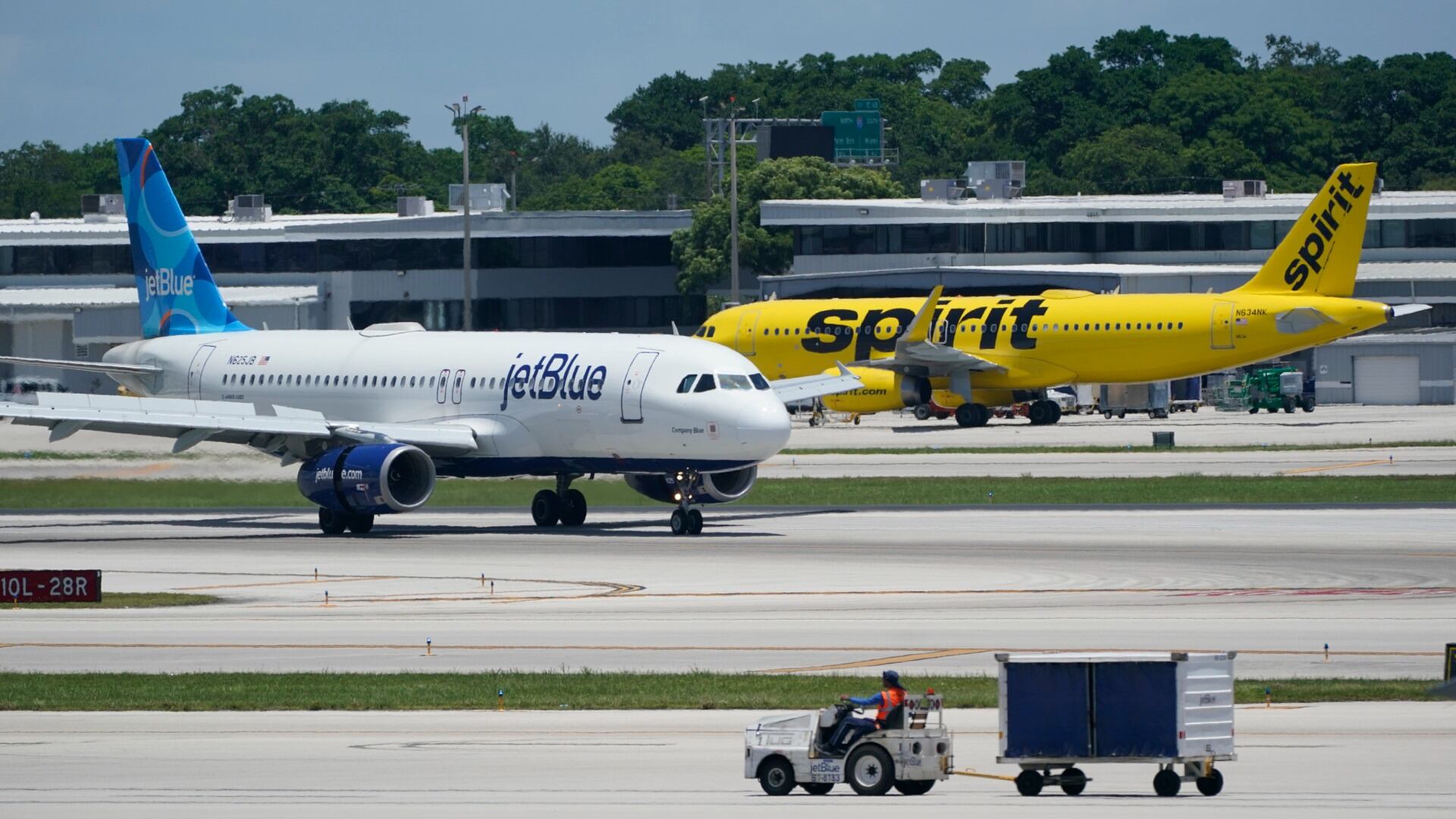
The Biden administration sued to block JetBlue Airways' $3.8 billion purchase of Spirit Airlines, saying Tuesday that the deal would reduce competition and drive up air fares for consumers.
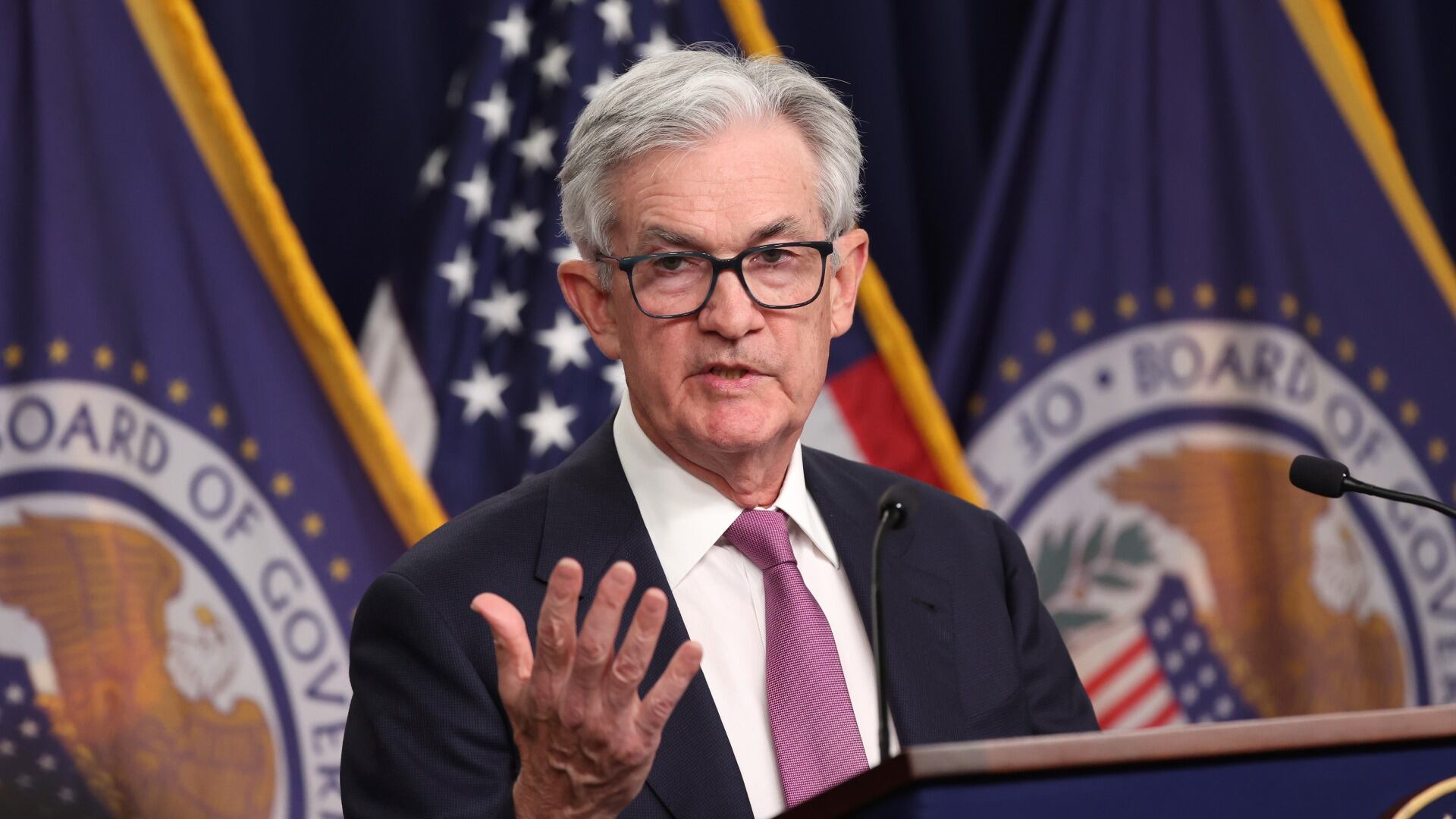
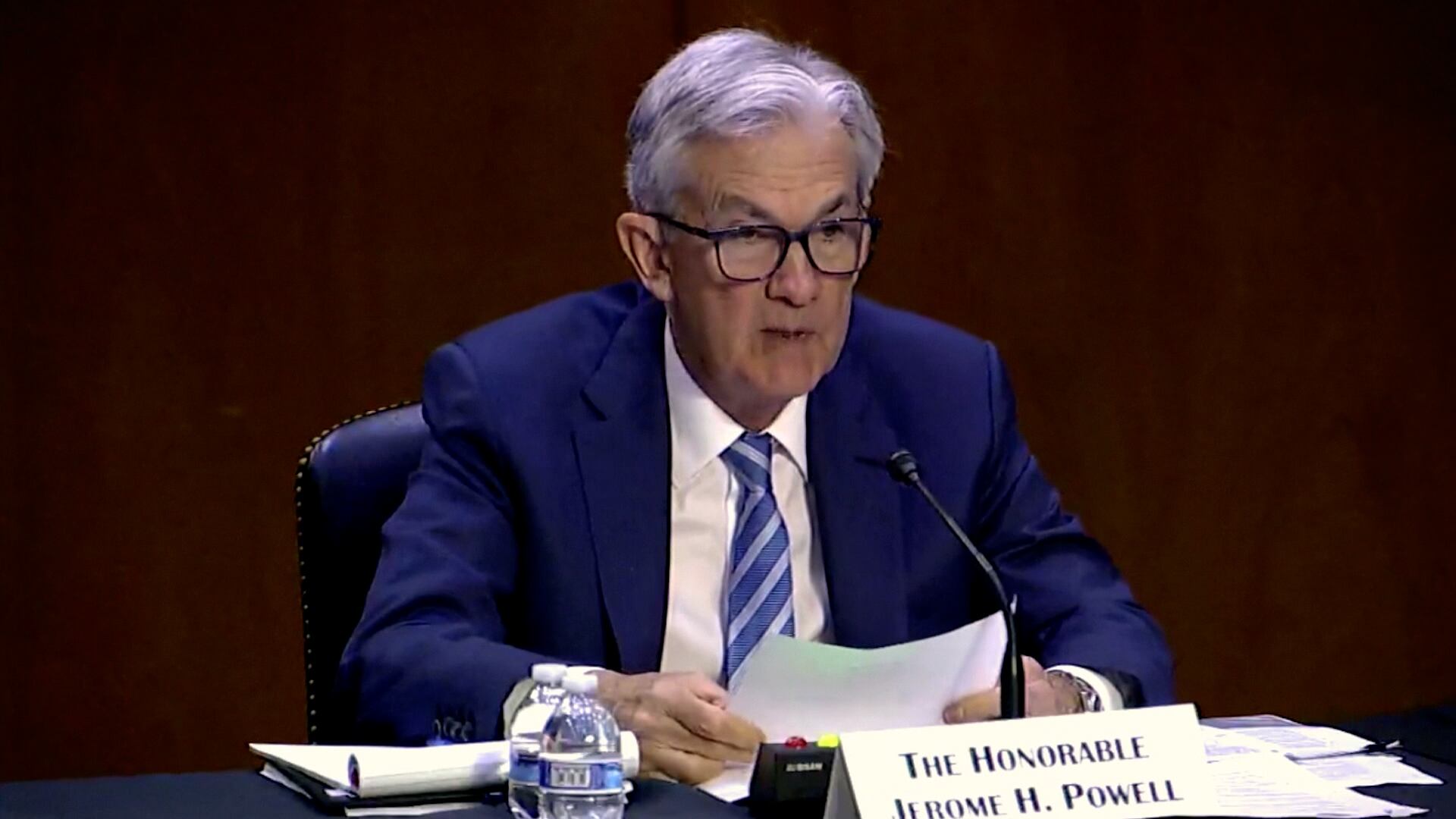
Federal Reserve Chair Jerome Powell will hint that the central bank could increase the pace of interest rate hikes if data indicate price pressures continuing.
Stocks sank on Wall Street after the head of the Federal Reserve warned it could speed up its economy-rattling hikes to interest rates if pressure stays high on inflation.
If measures of the U.S. economy keep coming in hot, as they did in January, the Federal Reserve will likely have to raise interest rates even higher than it has already signaled — and keep them there longer — Chair Jerome Powell will likely warn in testimony to Congress on Tuesday.