The #MeToo Movement May Have Started in Silicon Valley
Silicon Valley’s gender inequality problem is no secret.
But the situation can be fixed, according to Emily Chang author of the book “Brotopia” and host of Bloomberg Technology.
“The #MeToo movement started in Silicon Valley,” she says.
Years before the reckoning in Hollywood, women like venture capitalist Ellen Pao and Uber’s Susan Fowler spoke out about harassment and discrimination. Their efforts, Chang says, made it “safer for more women to come forward.”
“That’s part of why I wrote the book,” says Chang. “To keep that conversation going and not lose the momentum that some of these courageous women have ignited.”
According to Chang, the gender pay gap in Silicon Valley is five times the national average. In the traditionally male-dominated tech industry, too many find themselves “the only women in the room.”
And there are cultural issues as well. Chang’s book takes an inside look at the social scenes of powerful executives, investors, and entrepreneurs, which include things like “sex parties” and a range of other similarly inappropriate activities.
“All of this perpetuates an uncomfortable environment for women and a power dynamic that is completely lopsided.”
Silicon Valley hasn’t always been this skewed.
“Women actually played vital roles in the computer revolution [in the 40s and 50s],” Chang says. “They were programming computers for the military and programming computers for NASA. Think ‘Hidden Figures’, but really industrywide.”
The saga of Adidas' high-profile break-up with Ye, formerly known as Kanye West, continues. Investors have filed a class action lawsuit alleging that executives were aware of Ye's behavioral issues well before Adidas ended its relationship with him last October.
The top financial concern for Americans in 2023 is inflation. Sudha Chandrasekharan, SVP, of Global E-Commerce at Auctane, joins Cheddar News to discuss how this outlook will change consumer spending habits, and why e-commerce is playing a vital role in the economy.
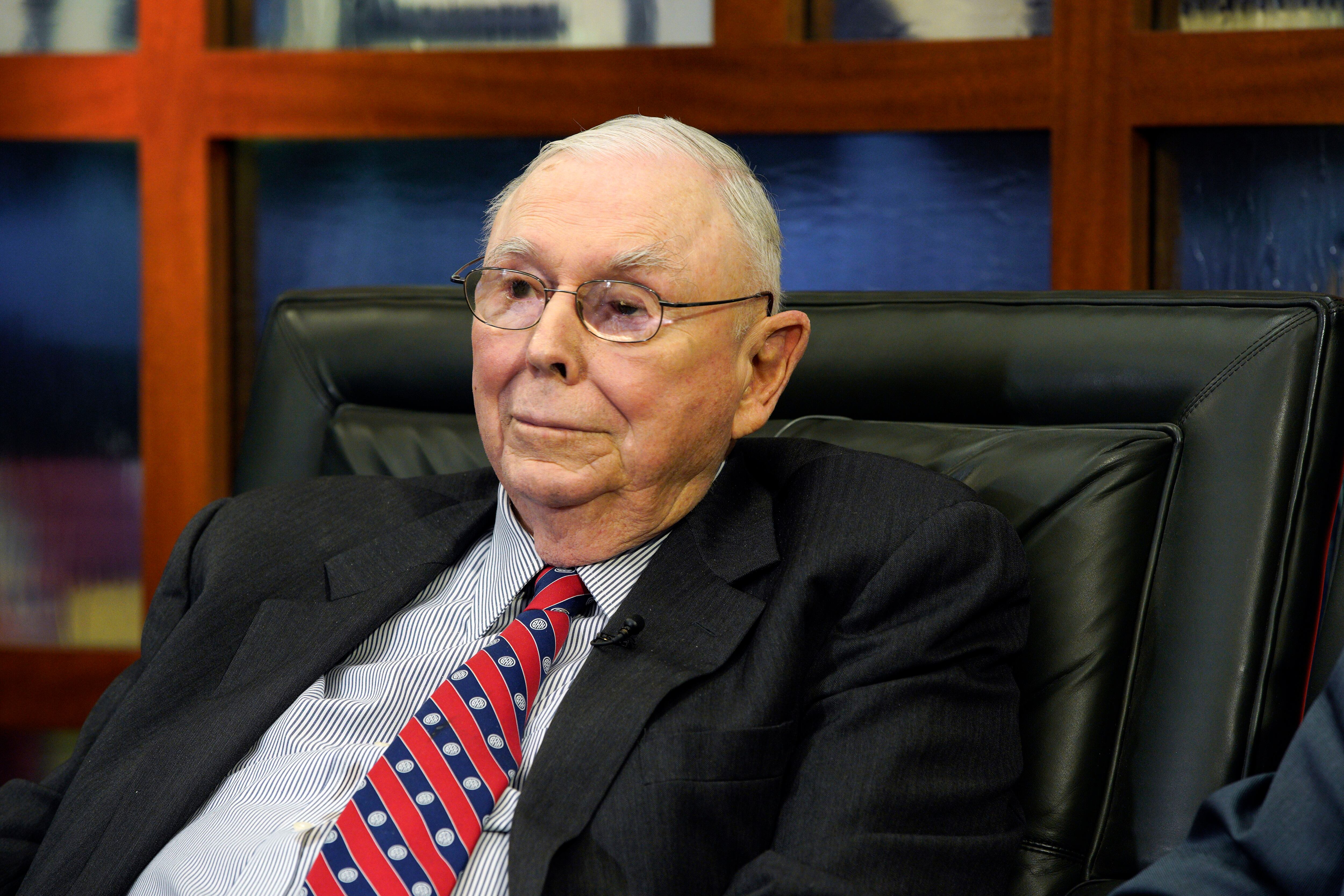
Charlie Munger, vice chairman of Berkshire Hathaway, told the Financial Times that the U.S. commercial property market is in trouble. “It’s not nearly as bad as it was in 2008,” he said. “But trouble happens to banking just like trouble happens everywhere else.”
Labor strife is coming to a head in the entertainment industry, as the Writers Guild of America (WGA) said it's prepared to strike at midnight Tuesday if it doesn't come to terms with the Alliance of Motion Picture and Television Producers (AMPTP).
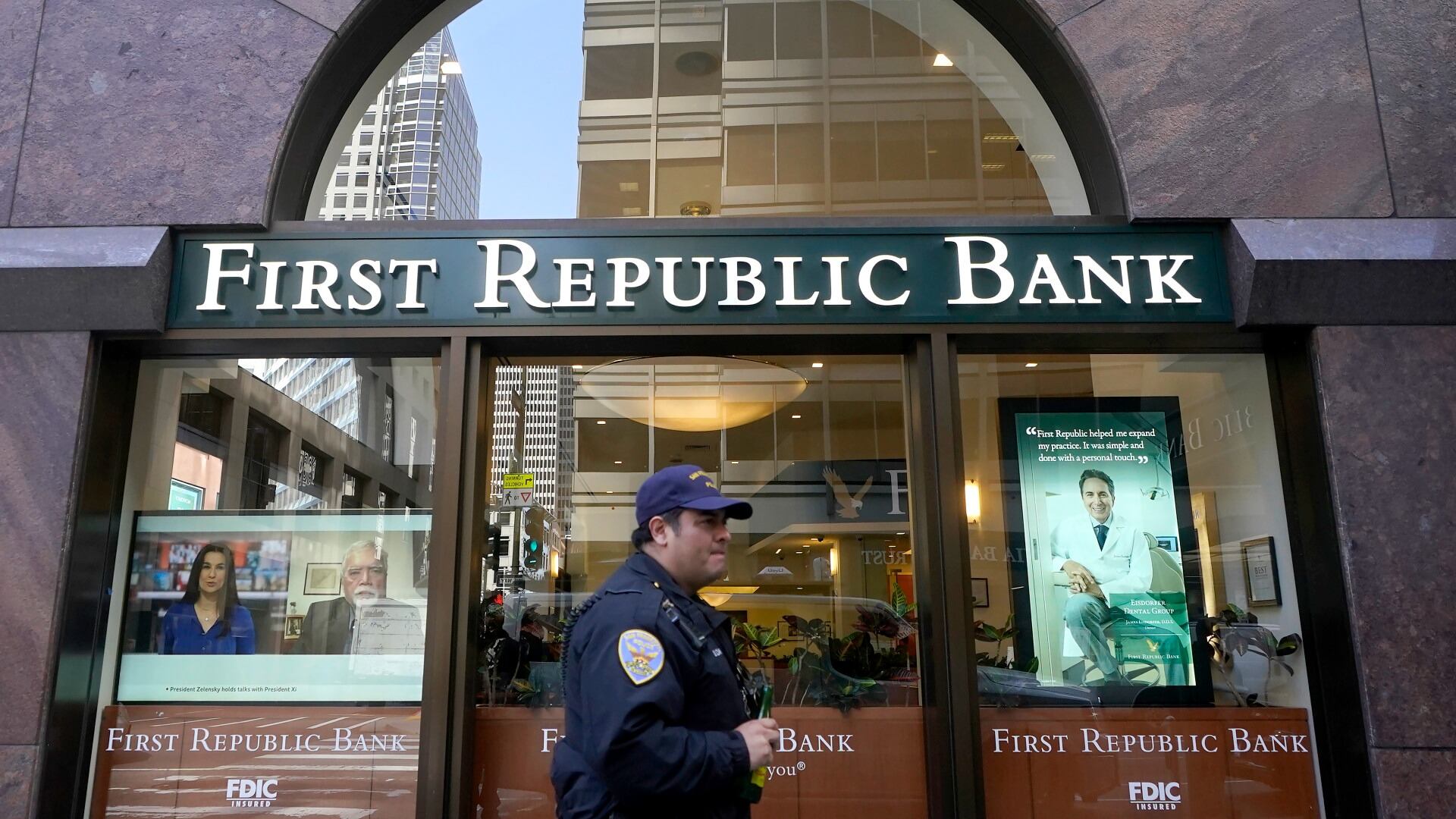
Regulators seized troubled First Republic Bank early Monday, making it the second-largest bank failure in U.S. history, and promptly sold all of its deposits and most of its assets to JPMorgan Chase.