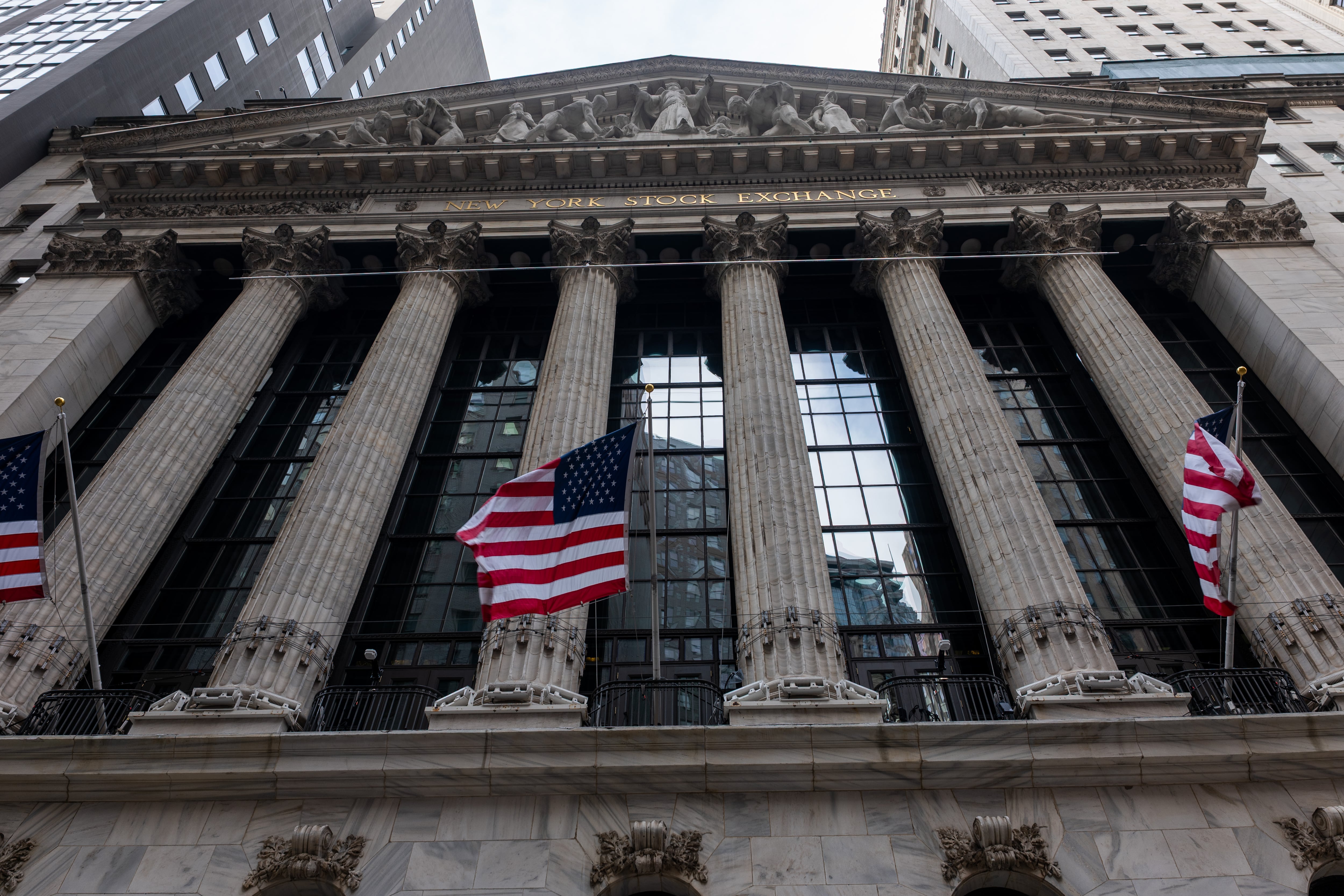
The major U.S. indexes swung like a pendulum Wednesday, starting deep in the red and ending the day erasing their losses and then gaining more ground. The Dow opened more than 500 points down then made a 700-point turn, ending the day up by 230 points. The S&P 500 and the Nasdaq both started the day almost 2 percent down. At the closing bell, both indexes had climbed back up to clock in gains of more than one percent. But not all market watchers were fazed by the swing. “We have been spoiled for the last five years of low levels of volatility,” said Omar Aguilar, Chief Investment Officer for Equities at Charles Schwab Investment Management. “These swings in the market are not very atypical. [But] the long term trajectory of the market is very positive. The economy’s good, earnings are good, and overall the global recovery is still in the same place.” Much of the initial sell-off was spurred by China’s overnight announcement of new tariffs on over 100 U.S. products, including soybeans, corn, and orange juice. China’s decision was motivated by the Trump administration’s announcement that it had intended to tax $50 billion worth of Chinese products. The tariff announcements rattled both investors and industry leaders, who worried that the tit-for-tat actions were bringing the two largest economies in the world closer to a no-holds barred trade war. “We’ve been strongly supportive of the Trump administration doing this investigation [into China’s trade policies],” said Josh Kallmer, Senior Vice President for Global Policy at the Information Technology Industry Council that represents the interests of the tech world. “That said…tariffs are not the remedy,” said Kallmer, pointing out that the consumer would be the one caught in the crosshairs. But Larry Kudlow, President Trump’s new chief economic advisor, managed to quell most of the market worry after saying the Trump’s tariff announcement could be just a negotiating tactic Wednesday. "It's part of the process,” he said. "You know, there are carrots and sticks in life, but he is ultimately a free trader. For full interview, [click here](https://cheddar.com/videos/market-movers-boeing-drags-down-index-on-concerns-of-trade-war).