The controversial financial product known as XIV is shouldering a lot of the blame for the recent flash crash that saw the Dow slump more than 6% in a span of six minutes. Dave Mazza, Head of ETF Investment Strategy at OppenheimerFunds, was with us to break down the theory that volatility-based products fueled the market meltdown.
The XIV is meant to produce the opposite returns of the volatility index, which spiked 118% Monday. Mazza explained that 2017 was a great year for stocks with record-low volatility. Due to this low volatility, many investors were feasting on these financial products, looking to benefit from volatility going lower. When the exact opposite happened, those investors dealt with the consequences.
"A lot of people like to point the finger at computerized trading for sharp movements in stocks," said Mazza. He said it's only one piece of the story. Mazza highlighted that fundamentals are important to watch and there are many variables that influence stock movement.
Apple has rolled out an update to its operating system this week with a feature called Stolen Device Protection. It makes it a lot harder for phone thieves to access key functions and settings, and users are being urged to turn it on immediately.
The U.S. economy grew at an unexpectedly brisk 3.3% annual pace from October through December as Americans showed a continued willingness to spend freely despite high interest rates and frustrating price levels.
Alan Becker, CEO and Investment Adviser Representative at Retirement Solutions Group and RSG Investments, shares his thoughts on the latest GDP data plus why he's not sold cryptocurrency as a long-term asset.
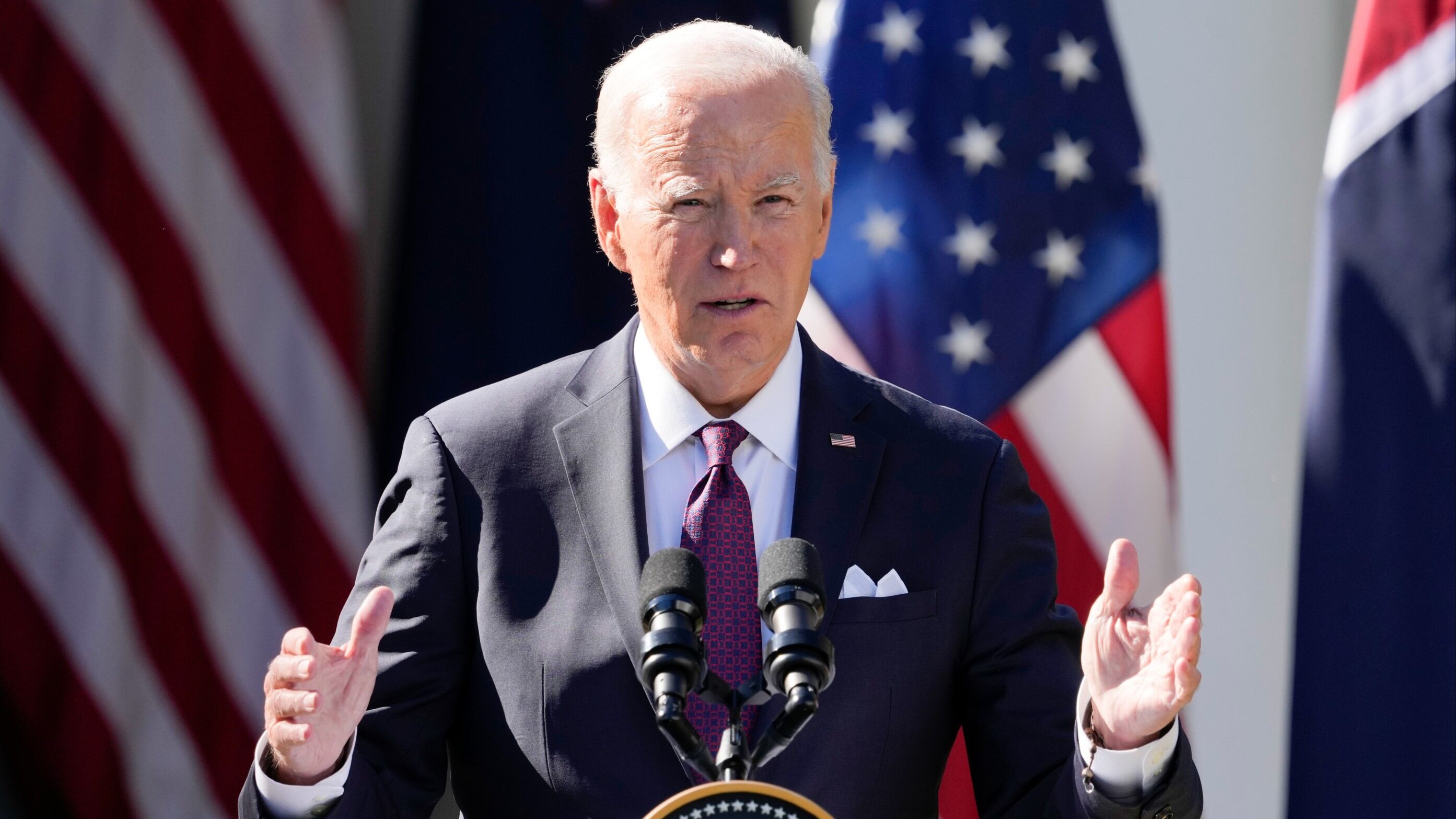
The Biden administration wants to ban another type of bank “junk fee," targeting fees that are typically charged by banks when a transaction is declined in real time.
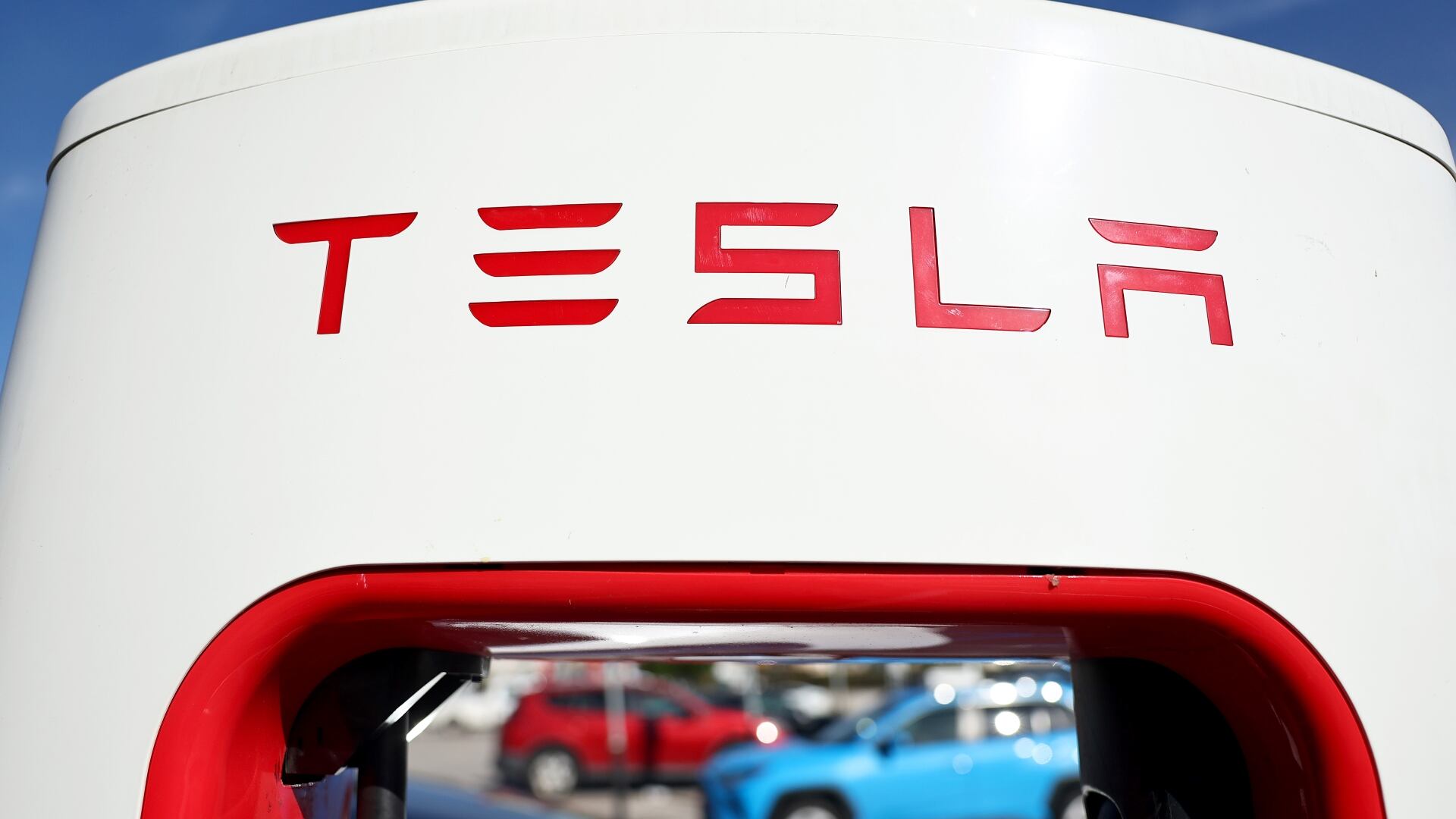
Al Root, senior writer at Barron’s, breaks down everything expected from Tesla’s earnings report, from Elon Musk’s demands from the board to why the market has been looking for affordable EV options.
Online retailer eBay Inc. will cut about 1,000 jobs, or an estimated 9% of its full-time workforce. The announcement follows similar moves by other tech companies that ramped up hiring during the pandemic while people spent more time and money online.