The Key to U.S. GDP Growth is Women, Says S&P Global Economists
It's no secret that the financial industry used to be dominated by men, but there are a few women who are breaking the mold and rising through the ranks. Beth Ann Bovino, S&P Global's Chief Economist, was with us to explain how important women are to not only the workforce, but the economy.
Bovino shares the keys for women to overcome obstacles and climb the corporate ladder. One of the biggest burdens women face, she said, is that they don't pursue opportunities because they are held back by the responsibility of childcare. Bovino said companies have been taking steps in the right direction with benefits such as paying for maternity leave and family care. She does think an area of improvement would be "flex time."
In her recent report titled "The Keys to Unlocking U.S. GDP Growth? Women," Bovino highlights the positive impact of female participation in the labor force. If the U.S. had a similar female workforce to Norway, for example, its economy would be $1.6 trillion larger than it is today, according to S&P Global economists.
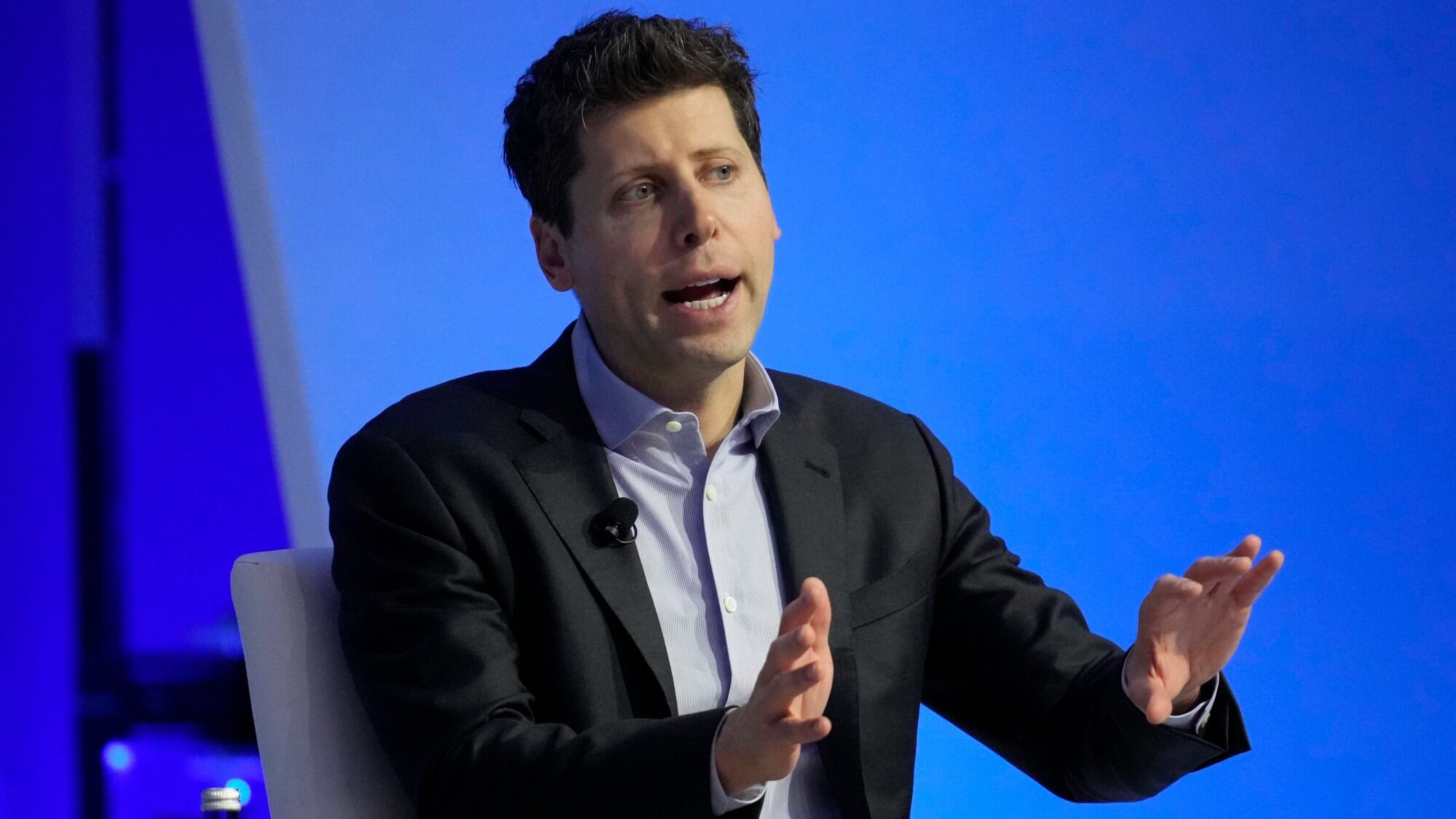
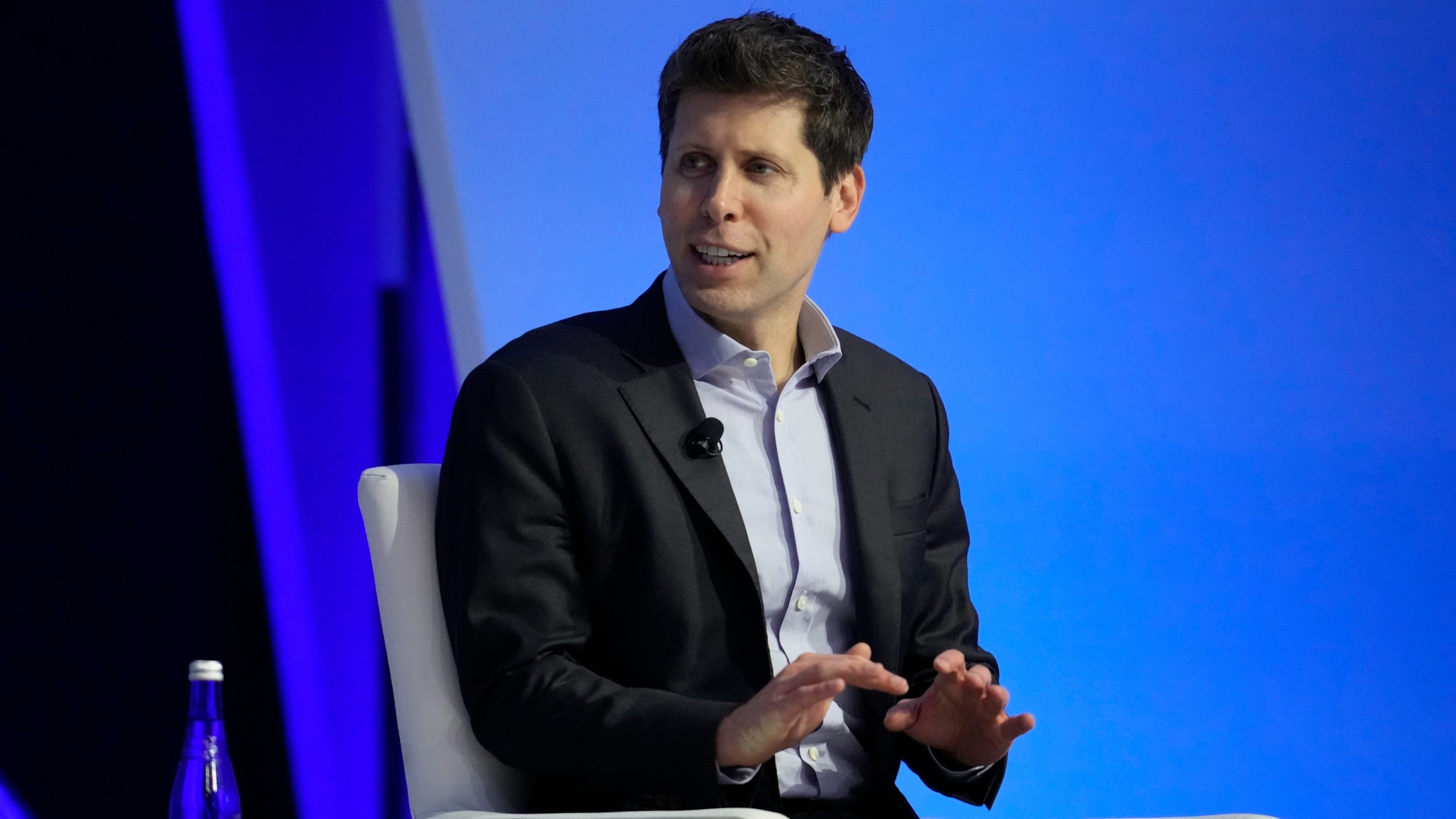
Microsoft has announced that it's hired Sam Altman and another co-founder of ChatGPT maker OpenAI after they unexpectedly departed the company days earlier in a corporate shakeup that shocked the artificial intelligence world.
Many factors lie behind the disconnect, but economists increasingly point to one in particular: The lingering financial and psychological effects of the worst bout of inflation in four decades.
Advertisers are fleeing social media platform X over concerns about their ads showing up next to pro-Nazi content, hate speech on the site in general or billionaire owner Elon Musk’s own posts endorsing an antisemitic conspiracy theory.
Big Business This Week is a guided tour through the biggest market stories of the week, from winning stocks to brutal dips to the facts and forecasts generating buzz on Wall Street.
The board of ChatGPT-maker Open AI said Friday it has pushed out its co-founder and CEO Sam Altman after a review found he was “not consistently candid in his communications” with the board.