The Key Factor Spooking Investors and Sending Stocks Into Freefall
The Dow suffered its worst point drop in history, closing down over 1,000 points. Riva Gold, Markets Reporter at WSJ joined to break down the factors spooking investors.
Gold emphasized that the big scare in the market was triggered by the wage growth in the jobs report. She added that it brought worries of inflation and rates hikes back into the spotlight. Gold said the fundamental backdrop for stocks hasn’t really changed. She points to corporate earnings and credit market as indicators that the market could be in good shape.
Gold said the biggest factor dragging down market is fear of fed raising rates. She thinks it's a a wake-up call for the equity markets that inflation will accompany growth. This means corporations will have to pay employees more, which ultimately weighs on profits, Gold added.
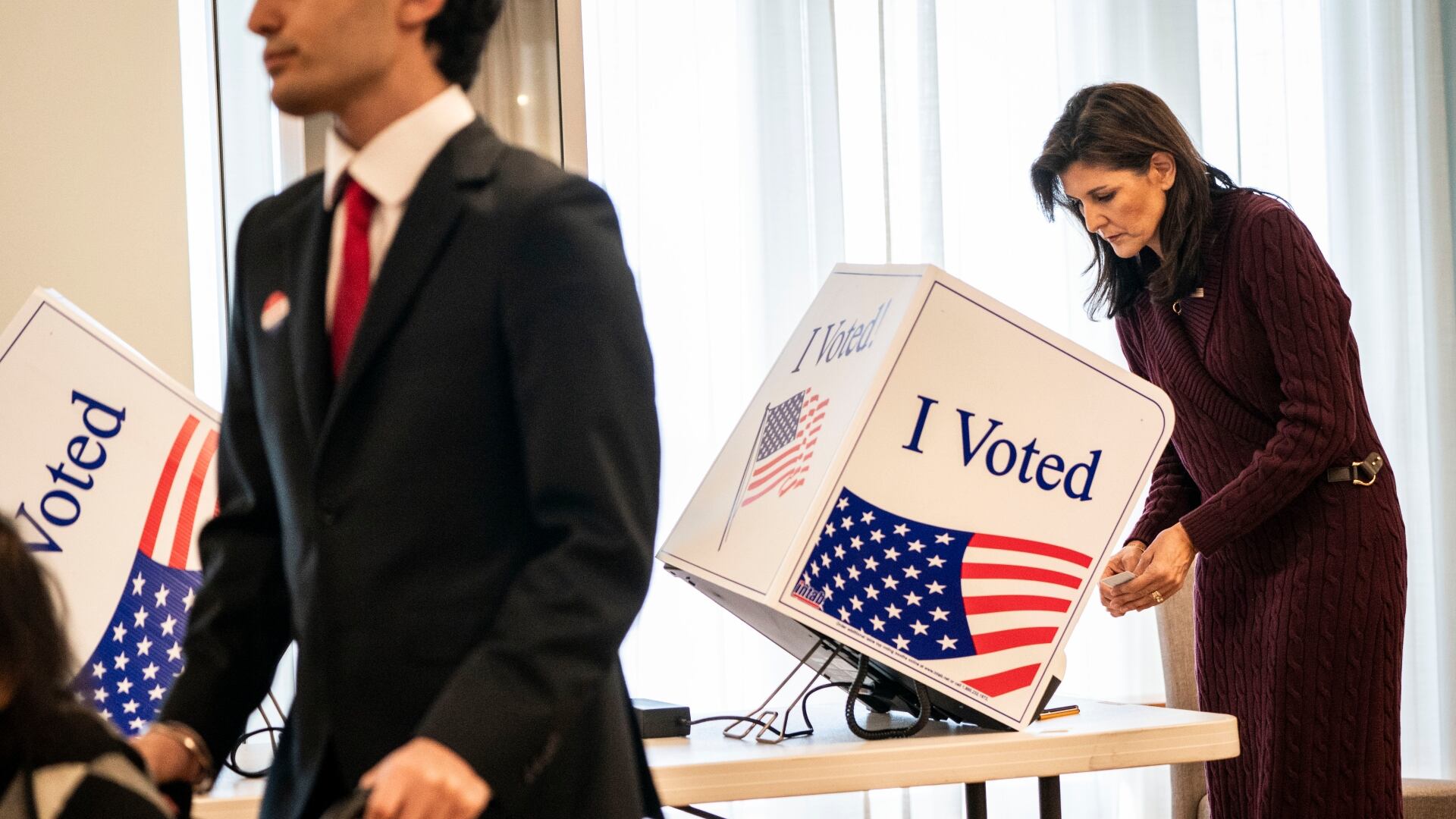
Axios reporter Erin Doherty breaks down the results from the South Carolina primary as former President Trump gets closer to winning the GOP nomination.
Jay Woods of Freedom Capital Markets shares thoughts on how the latest inflation report will impact the market, and why he expects a ‘cascade’ of IPOs if Reddit’s public debut goes well.
During AT&T's widespread outage Thursday, landline phones were a working alternative — which most of the U.S. does not have. Over half of Americans are estimated to have ditched landlines altogether.
Jade Kearney Dube, Founder & CEO of She Matters talks the Symptom Tracker app, cultural competency for healthcare providers, and being a Black woman CEO looking for funding.
Ahead of April’s planned BitCoin halving, Bitfarms CEO Geoff Morphy shares why he thinks the crypto rally will continue, plus why you’ll see a broader adoption of clean energy for mining.
Did you know there's a big difference between a dude ranch and a working cattle ranch? Check out the new generation of ranches, and live out your cowboy dreams.
Lara Rhame, FS Investments chief U.S. economist, discusses the recent market highs, how the job market is in a ‘good place,’ and why rates staying higher for longer might not be a bad thing.