The Justice Department Will Appeal AT&T-Time Warner Deal
*By Alisha Haridasani*
The Justice Department will appeal the $85 billion AT&T-Time Warner mega-merger a month after a federal judge gave it his blessing.
That's according to court papers reportedly filed on Thursday, which challenge Judge Richard Leon's ruling that the government did not sufficiently prove a deal would hurt competition in the industry.
At the time, Leon also tried to dissuade the DoJ from filing an appeal.
“A stay pending appeal would be a manifestly unjust outcome in this case,” wrote Judge Richard Leon. “I do not believe that the government has a likelihood of success on the merits of an appeal.”
Since receiving the green light, AT&T completed its acquisition of Time Warner and created a new company called WarnerMedia, which started offering skinny bundles for consumers leveraging on content from CNN, TBS, and TNT.
But while the companies promised the deal would not raise prices for consumers, AT&T earlier this month hiked the monthly rate for most of its DirecTV Now video streaming plans. Amazon Studios' former head of strategy Matthew Ball [pointed out](https://twitter.com/ballmatthew/status/1017507315266785280) that may have been a bad move.
AT&T shares fell by more than 1 percent on the news in after hours trading.
Stocks closed mixed Monday as a broader tech sell-off continued, leading the Nasdaq to close down 0.58%. Investors are keeping an eye on earnings, and also looking ahead to Thursday's CPI data, which will give an idea of how hot inflation could still be running. Steve Sosnick, Chief Strategist at Interactive Brokers, joins Closing Bell to discuss today's close, the Federal Reserve's plans to raise interest rates and taper asset purchasing, his 2022 market outlook, and more.
The global chip shortage continues to weigh on the automotive industry. For example, Ford says it is suspending or cutting production at eight of its factories in North America through next week due to the shortage. Balu Balakrishnan, President and CEO of Power Integrations, joins Cheddar News' Closing Bell, where he elaborates on why the chip shortage has dragged into 2022.
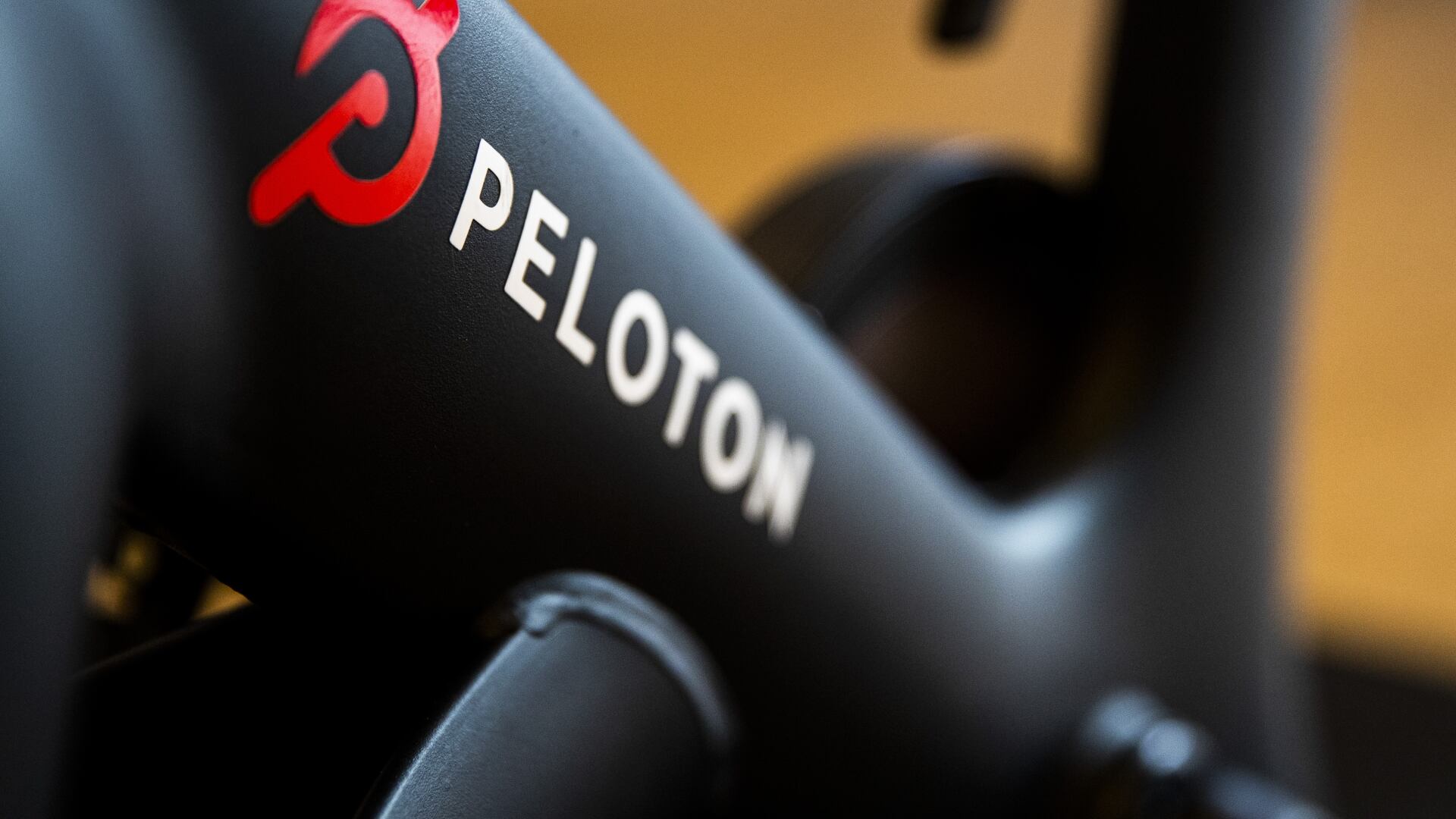
Peloton has weathered a seemingly never-ending storm the past few months: PR blunders, sinking customer demand, and in recent weeks, reported cost-cutting and potential layoffs. Now, several companies are said to be in the mix as potential buyers: Amazon, Netflix, Disney, and Apple. How likely is it that one of these companies pursues a deal — and how likely is it that it will be Apple who buys Peloton? Dan Ives, Managing Director of Equity Research at Wedbush Securities, joins Closing Bell to discuss his thoughts about Apple pursuing a Peloton takeover,
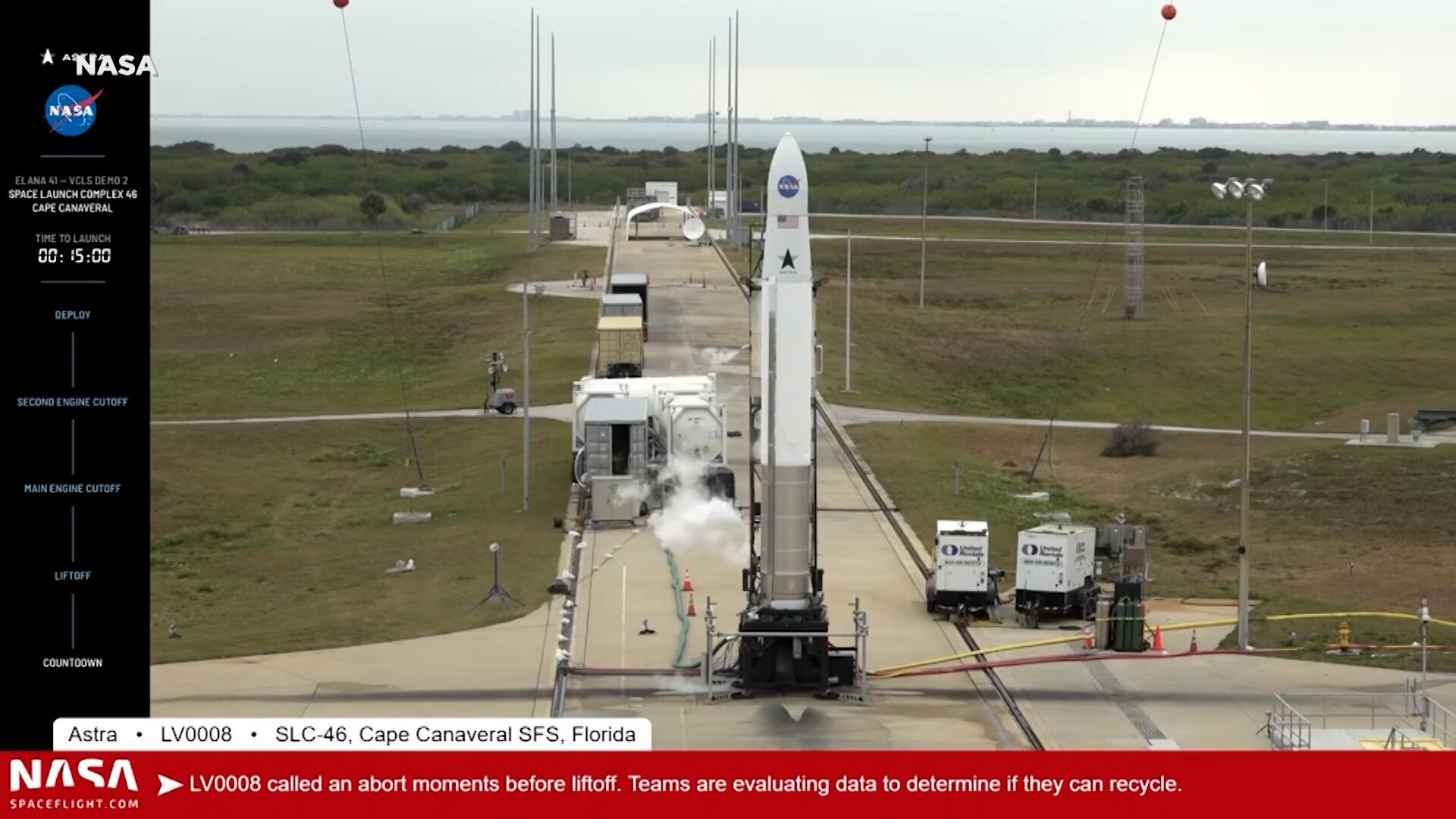
Astra aborted the launch for NASA ELaNa 41 Mission out of Cape Canaveral on Monday due to what was described as a minor issue, but the company's stock fell nearly 14 percent following the news. Jim Cantrell, CEO and co-founder of Phantom Space, which builds and launches spacecraft of its own, joined Cheddar to discuss the scrubbed mission. “The last thing you want is for this to go wrong, you're better to err on the side of safety expectations,” Cantrell explained, noting that the mission delay was a normal event.
Dating app Bumble announced its first acquisition, expanding into Europe by picking up Fruitz, a French Platform. The Fruitz app allows its users to convey dating preferences through fruit metaphors.
Meat production giant Tyson Foods reported a beat on its Q1 earnings. In spite of obstacles posed by supply chain issues and inflation, the company exceeded expectations on earnings per share and revenue.
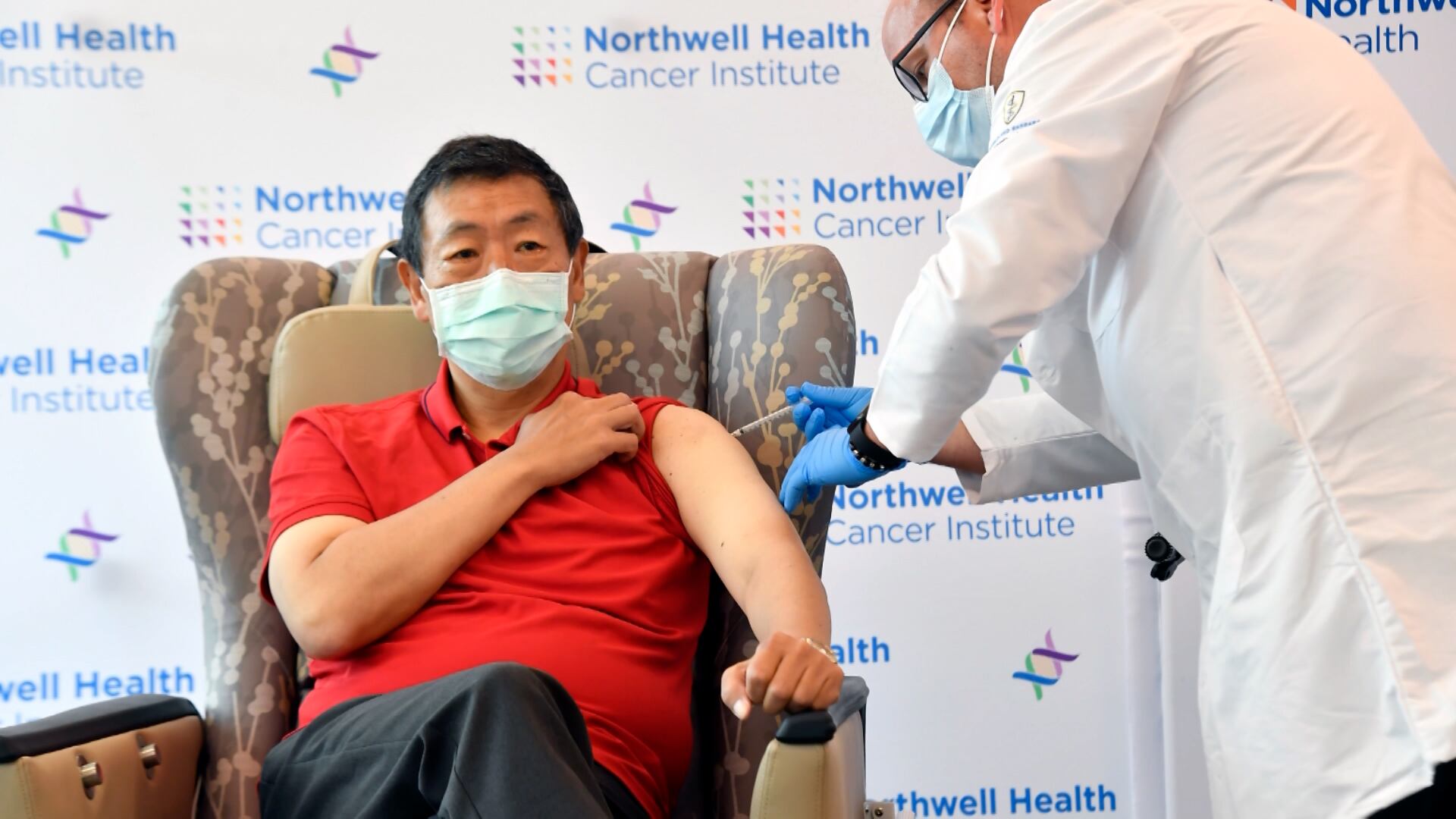
TC BioPharm, a biopharmaceutical company focused on developing cell therapy products targeting, went public on the Nasdaq in January. CEO Bryan Kobel joined Cheddar to talk about the company's IPO launch, its cancer-fighting therapeutics tech, and its potential for using its research to treat COVID-19. "The opportunity here for us is to really get safety data and covid and expand into other areas," Kobel said. "So from COVID, where we hope to treat patients, hopefully maybe the elderly population, populations that that really can't handle the antivirals because they're too hard in the system, well then we'll expand out into maybe severe influenza Ebola, other viral and viral infections where we think we can be helpful."