The Justice Department Will Appeal AT&T-Time Warner Deal
*By Alisha Haridasani*
The Justice Department will appeal the $85 billion AT&T-Time Warner mega-merger a month after a federal judge gave it his blessing.
That's according to court papers reportedly filed on Thursday, which challenge Judge Richard Leon's ruling that the government did not sufficiently prove a deal would hurt competition in the industry.
At the time, Leon also tried to dissuade the DoJ from filing an appeal.
“A stay pending appeal would be a manifestly unjust outcome in this case,” wrote Judge Richard Leon. “I do not believe that the government has a likelihood of success on the merits of an appeal.”
Since receiving the green light, AT&T completed its acquisition of Time Warner and created a new company called WarnerMedia, which started offering skinny bundles for consumers leveraging on content from CNN, TBS, and TNT.
But while the companies promised the deal would not raise prices for consumers, AT&T earlier this month hiked the monthly rate for most of its DirecTV Now video streaming plans. Amazon Studios' former head of strategy Matthew Ball [pointed out](https://twitter.com/ballmatthew/status/1017507315266785280) that may have been a bad move.
AT&T shares fell by more than 1 percent on the news in after hours trading.
EV charging solution eDRV recently announced it closed a seed funding round. Bhaskar Deol, co-founder and CEO of eDRV, joined Cheddar News to explain how his company helps to launch and manage charging networks.
The Week's Top Stories is a guided tour through the biggest market stories of the week, from winning stocks to brutal dips to the facts and forecasts generating buzz on Wall Street.
Mass layoffs continue to still be announced so far this year. Julie Bauke, chief career strategist with The Bauke Group, joined Cheddar News to provide tips on how to look for your next job after being laid off.
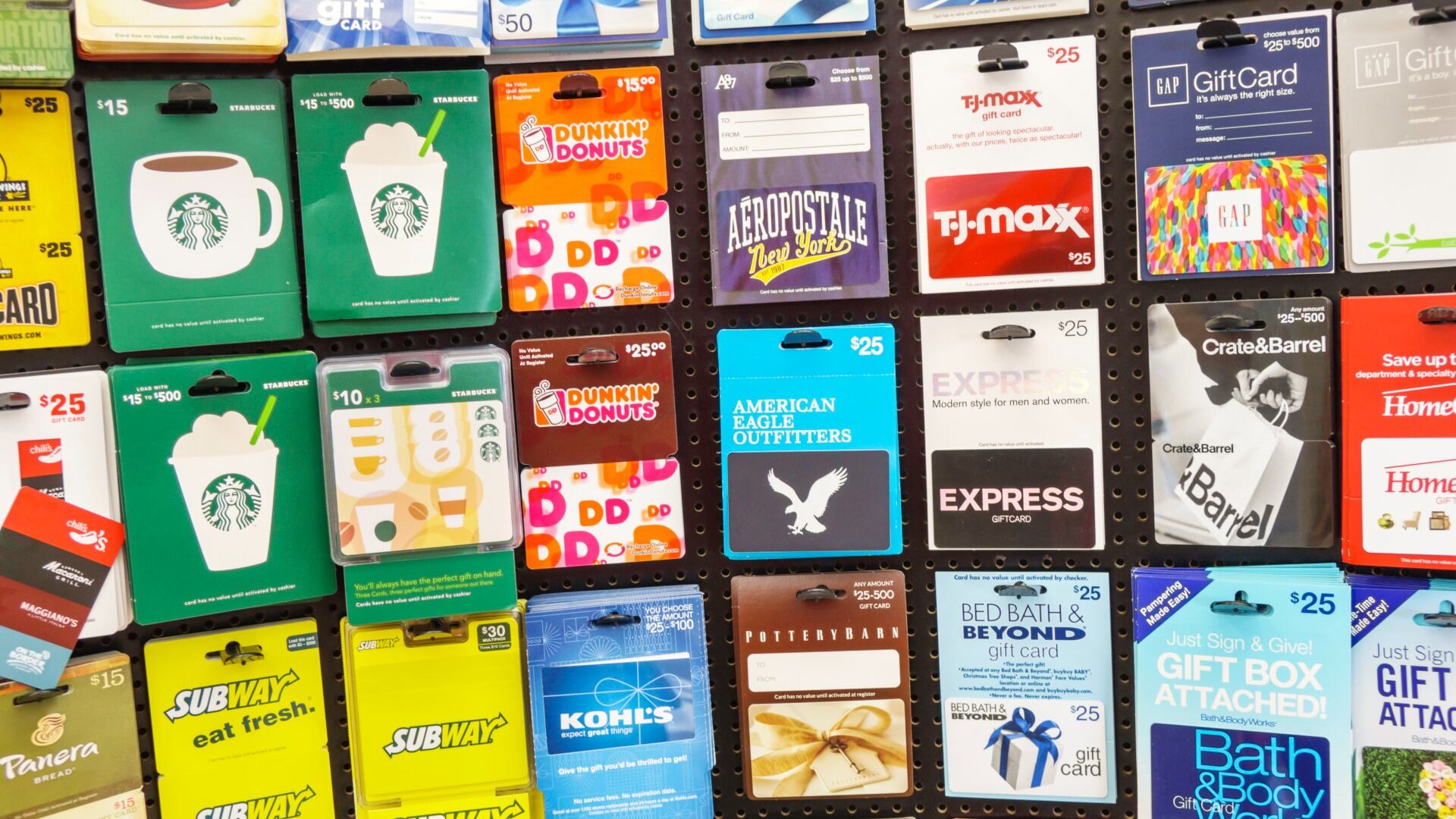
A report from financial services website Credit Summit found that 90 percent of Americans say they enjoy receiving gift cards but a staggering $21 billion locked inside them have gone unspent.