2018 was initially anticipated to be a "monster" IPO year. However, some of the companies investors were most excited to have go public like Uber, AirBnB, and Pintrest, have already announced they will not go public in 2018. But not all hope is lost. Spotify and Dropbox have filed to go public. How will 2018 measure up to 2017 for IPOs?
Barrett Daniels is the CEO of Nextstep Advisory Services and he joins Cheddar to explain why he thinks 2018 could still be a great year for tech IPOs. Daniels says investors will be looking towards Dropbox to set the tone for IPOs in 2018.
Daniels explains that investors have become more intelligent when it comes to big-name IPOs. Tech companies can no longer expect to go public with a flashy name and brand recognition. That is why Daniels is more confident in Dropbox. Daniels believes in Dropbox's strong margins and profitability.
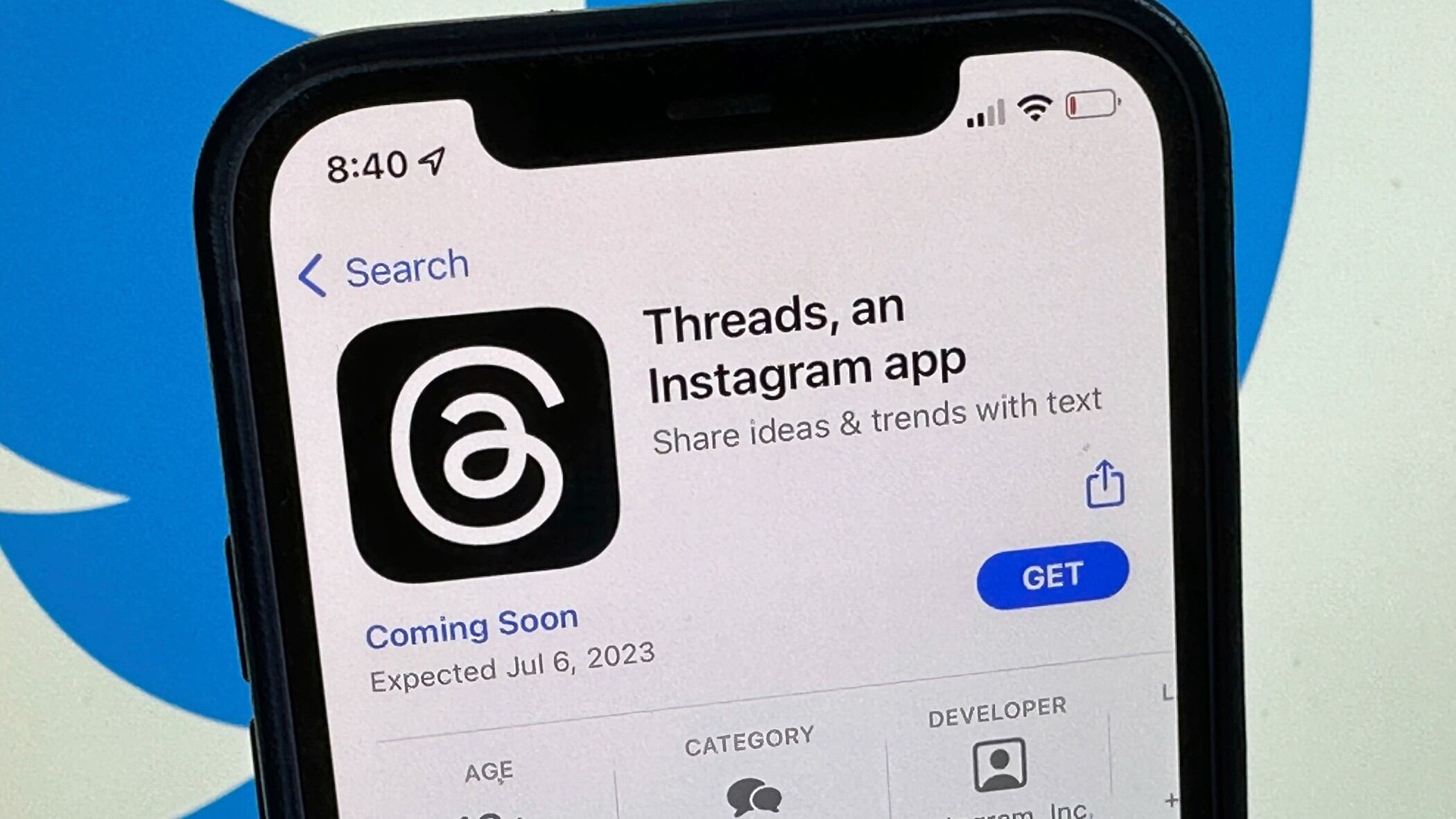
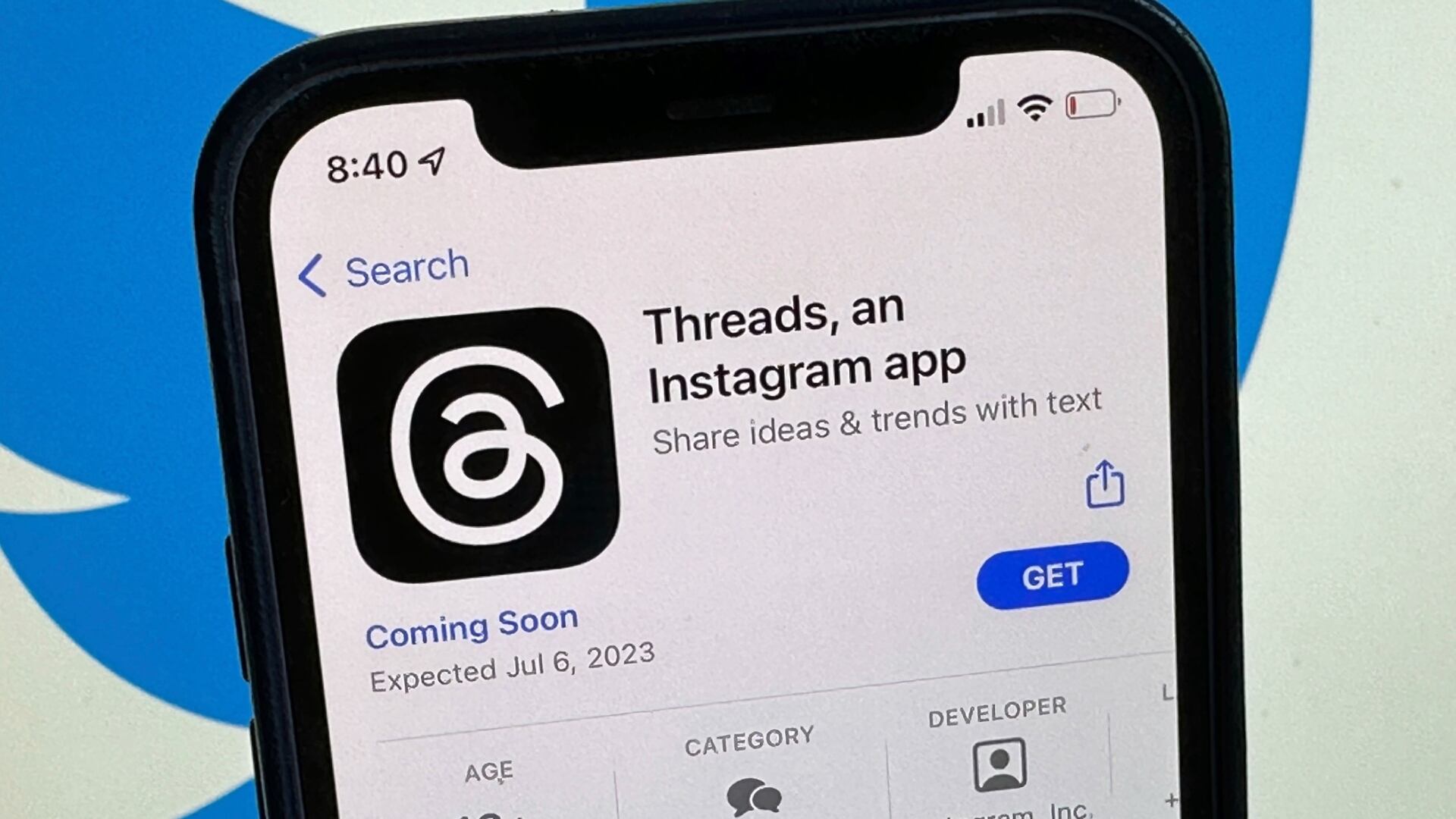
Threads could bring in $8 billion in annual revenue, according to analysis, after it reached about 100 million users days after its launch. Cheddar News explains.
Celebrities, lawmakers, brands and everyday social media users are flocking to Meta's freshly minted app Threads to connect with their followers, including many Twitter refugees tired of the drama surrounding Elon Musk’s raucous oversight of that platform.
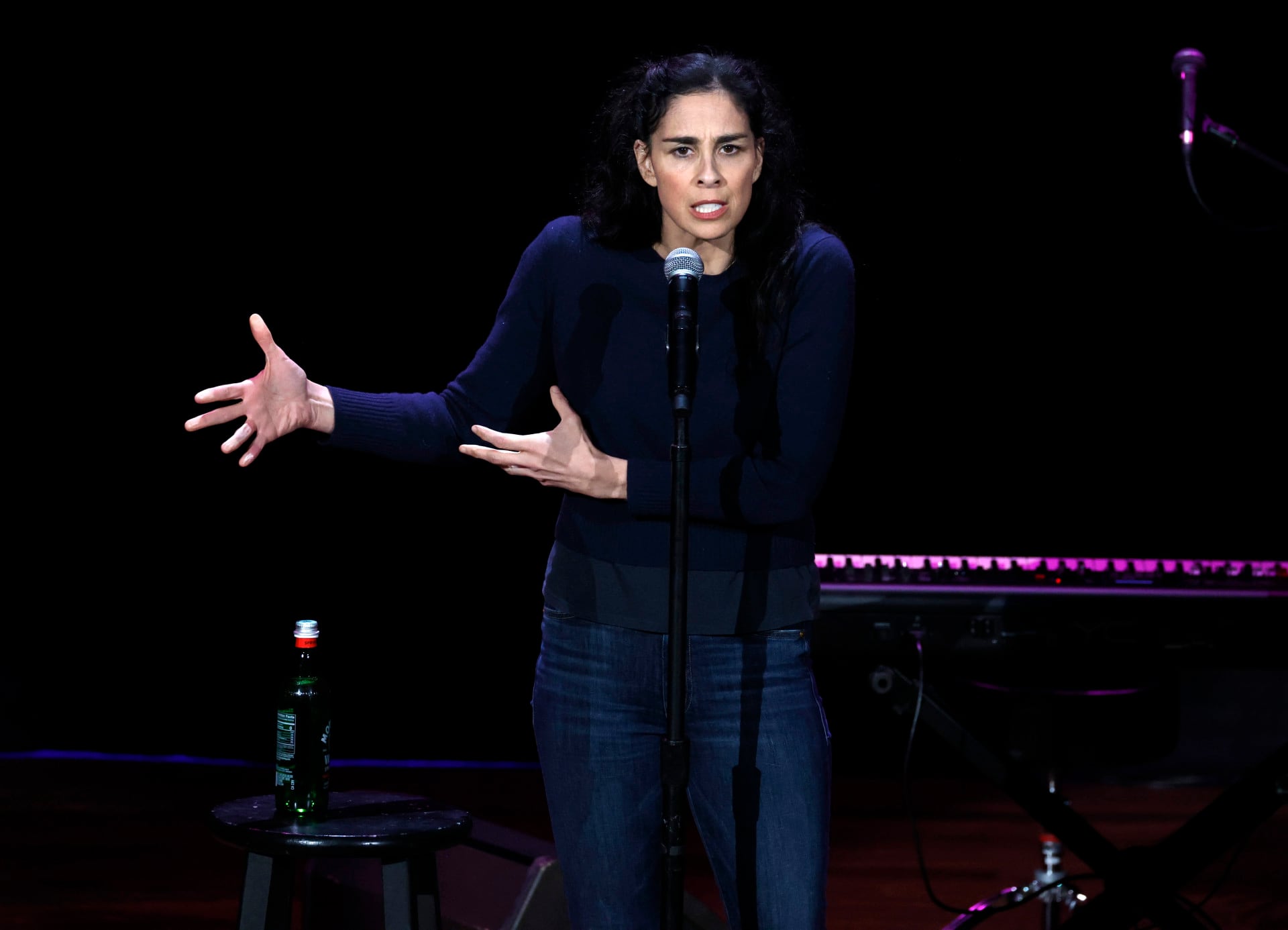
Comedian Sarah Silverman is suing OpenAI and Meta for allegedly using her copyright-protected work to help train their artificial intelligence programs.