2018 was initially anticipated to be a "monster" IPO year. However, some of the companies investors were most excited to have go public like Uber, AirBnB, and Pintrest, have already announced they will not go public in 2018. But not all hope is lost. Spotify and Dropbox have filed to go public. How will 2018 measure up to 2017 for IPOs?
Barrett Daniels is the CEO of Nextstep Advisory Services and he joins Cheddar to explain why he thinks 2018 could still be a great year for tech IPOs. Daniels says investors will be looking towards Dropbox to set the tone for IPOs in 2018.
Daniels explains that investors have become more intelligent when it comes to big-name IPOs. Tech companies can no longer expect to go public with a flashy name and brand recognition. That is why Daniels is more confident in Dropbox. Daniels believes in Dropbox's strong margins and profitability.
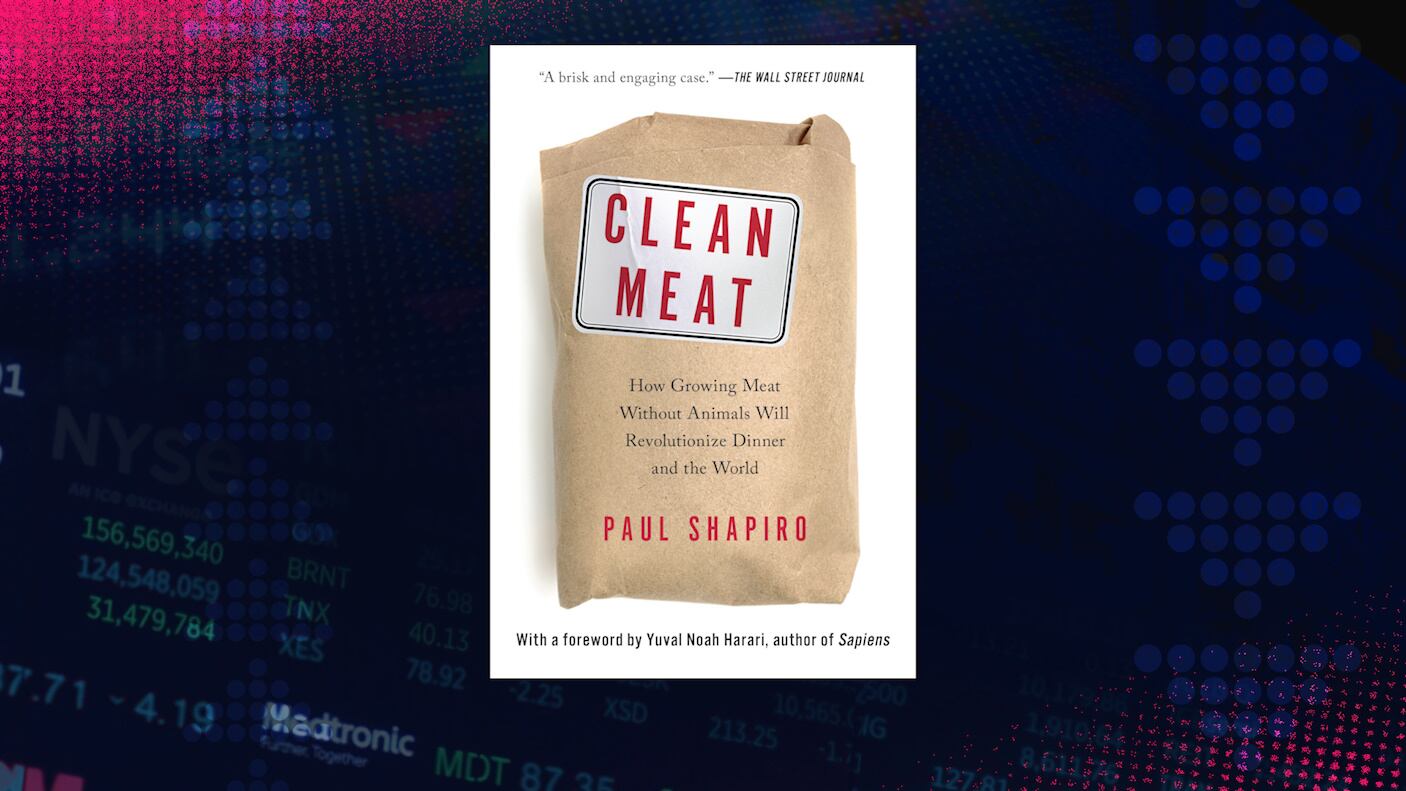
Author of 'Clean Meat,' Paul Shapiro joins Cheddar to discuss how the cellular agricultural revolution helps lower rates of foodborne illness and greatly improves environmental sustainability. Plus, how his company The Better Meat Co. is bringing healthier food options to the table.
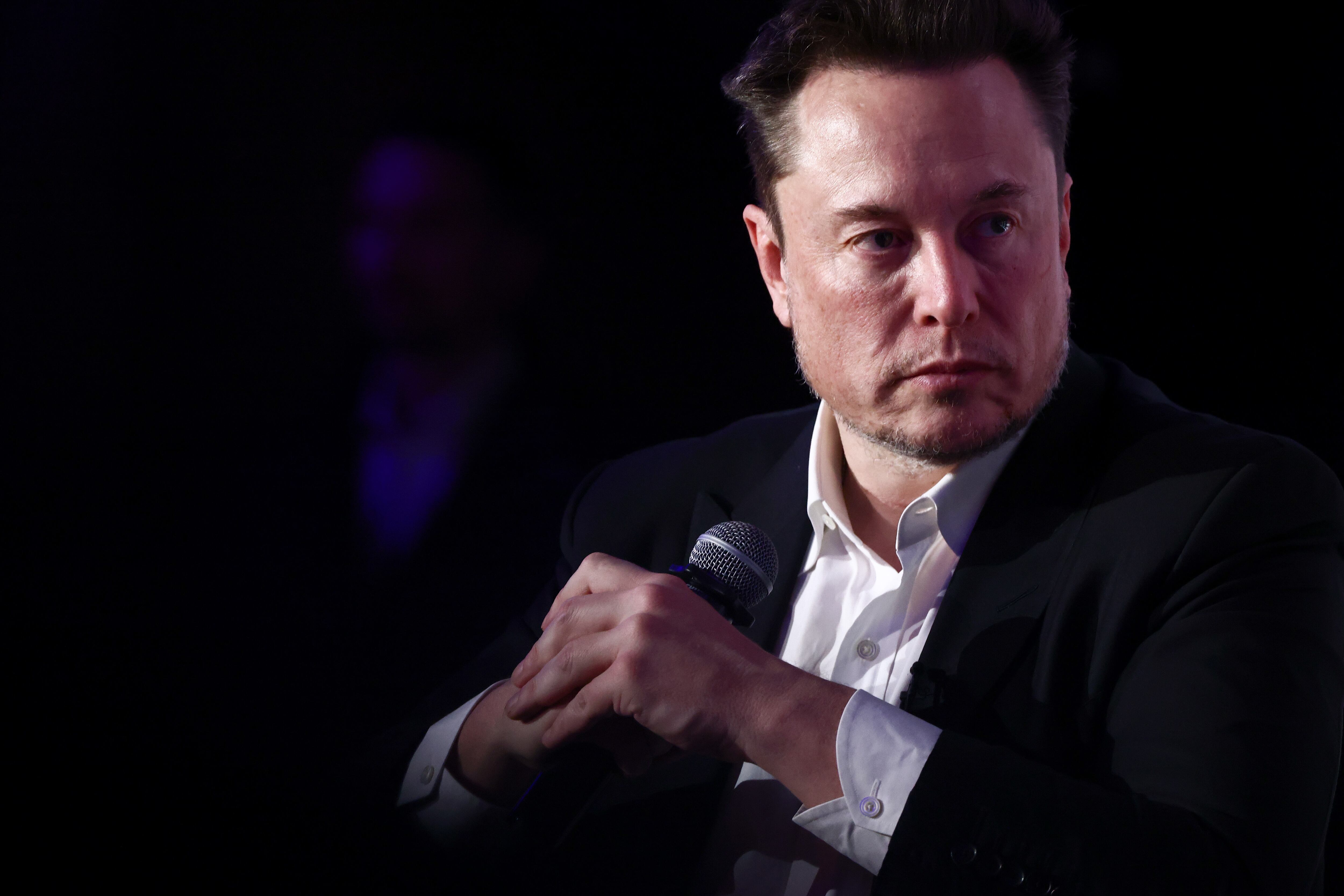
In an interview Monday with Nicolai Tangen, CEO of Norges Bank Investment Management, Musk went on to predict AI will exceed all human intelligence within the next five years.
Nearly half of teenagers admit to using ChatGPT on their assignments. App Sizzle AI wants to give artificial intelligence a better reputation by actually helping them learn.
Barney Hussey-Yeo, CEO of Cleo, discusses why the financial services app’s A.I. assistant roasts its users with love, plus why Gen Z’s spending habits might surprise you.