The internet of things is everywhere, even if you don't realize it. The self-cleaning coffee machine, the vacuum that cleans your house when you're away--it's all connected through IoT. Susan Galer, SAP Marketing and Thought Leadership Director, joins Cheddar to discuss the challenges, applications, and future of IoT.
Galer explains how industries such as smart cities and transportation will start using IoT to flourish. In terms of creating a smart house, she says IoT can apply to any household appliance from the stove, to a refrigerator, to the heating system. Coupled with machine learning, IoT allows items to keep track of appliances and automatically share problems with the designated party. Plus, it allows the user to save money by providing maintenance when needed.
Additionally, Galer talks about the future of IoT-enabled products with smartphone activation. By 2020, she says IoT technology will be in 95% of electronics for new product designs.
Ride share competitors Uber and Lyft both posted their fourth quarter earnings days apart from each other. Both companies have been trying to get back on their feet after taking some pandemic-related hits, but the Omicron variant had other ideas as the year came to a close, with each company taking a hit in ridership in December. Lance Ippolito, head trader at The Future of Wealth explains how Uber and Lyft measured up this earnings period and why Uber may still have an edge over the competition.
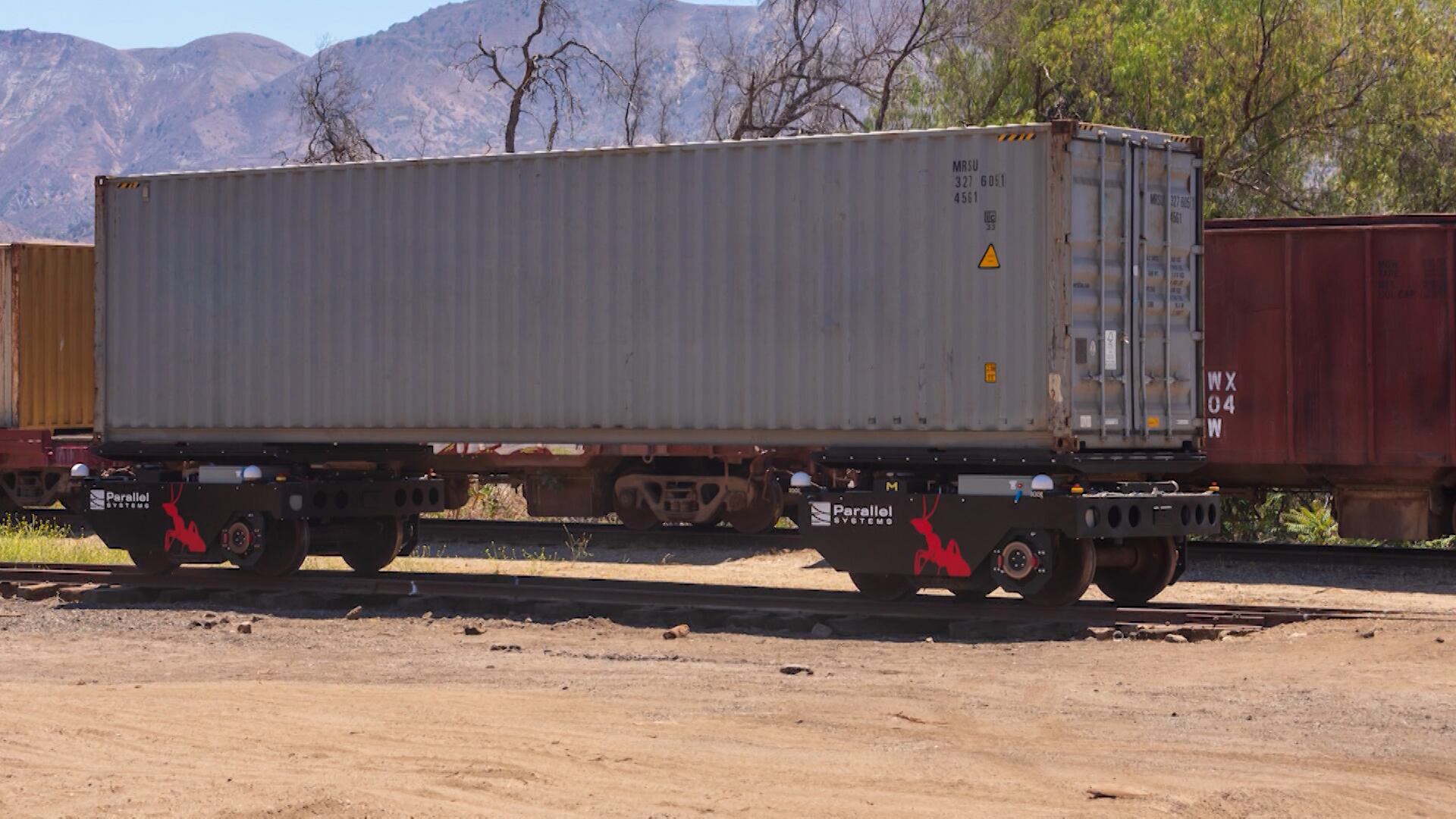
Parallel Systems has been selected to receive $4.5 million from the Department of Energy for an advanced testing program of its autonomous, battery-electric rail vehicles. The startup, which has raised more than $53 million to date, was founded by former SpaceX engineers to reimagine the rail system by creating a more efficient, decarbonized freight network. Matt Soule, Co-founder & CEO of Parallel Systems, joined Cheddar's Opening Bell to discuss what the company hopes to achieve.