The Hotel That Lets You Book a Room Based on Feelings
*By Samantha Errico*
A new luxury hotel in St. Louis, Missouri has a room to suit your mood.
The Angad Arts Hotel is a boutique hotel in the Arts District of St. Louis and features a slate of rooms colored to compliment guests' moods ー green for rejuvenation, yellow for happiness, red for passion, blue for tranquility.
"Traditionally, hotels are designed to meet everyone's needs so they are in neutral colors. We thought rather than be neutral colors, lets really saturate the rooms in color," Steve Smith, CEO of The Lawrence Group, told Cheddar Friday.
Along with choosing the color, guests are able to select the size of their rooms ー S, M, L, XL, and XXL.
Smith renovated a historic theater building, which was originally home to the iconic Rockettes before they relocated to Radio City Music Hal in Manhattan, N.Y.
The colors aren't the only quirk: the hotel's lobby is located on the 12th floor and the front door leads to the back of the building.
According to Smith, the space was also designed to showcase digital art installations constructed by local talent.
"We think about art in seeing the world in a different way and so we challenged ourselves with every design aspect of this hotel," Smith said.
For full itnerview [click here](https://cheddar.com/videos/the-angad-arts-hotel-lets-you-chose-a-room-based-on-your-mood).
Soundhound AI co-founder, president, and CEO Keyvan Mojaver discusses bringing its audio tools to cars and drive-thrus, plus why smaller companies may benefit from the A.I. boom.
Deiya Pernas, co-founder of Pernas Research, breaks down Nvidia’s blockbuster earnings, why energy is a sector to watch, and why the A.I. trend is far from over.
The NBA is organizing its next media rights deal to figure out which networks and streaming services will show their games for the next decade. Last time, most of the prominent streaming services didn't exist yet.
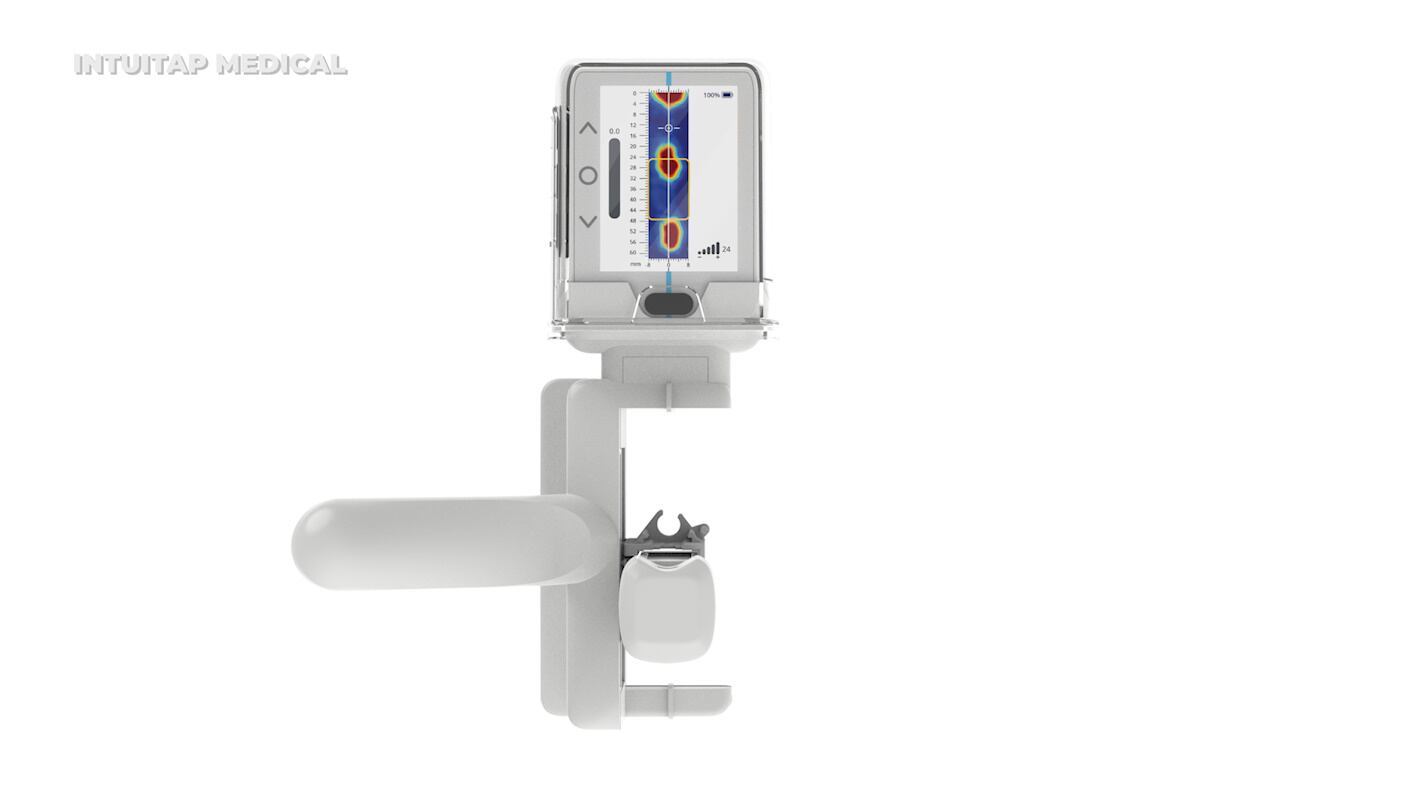
Jessica Traver Ingram, CEO and co-founder of IntuiTap Medical, discusses developing the company's Ver Touch device, the crucial FDA approval it just won, and why innovation in spinal blocks and epidurals is long overdue.
Matt Stucky, Chief Portfolio Manager of Equities at Northwestern Mutual Wealth Management chats why Nvidia has been unsteady leading up to its latest earnings results, plus what’s to come for the so-called ‘Magnificent 7.’
Walmart's revenue increased last quarter because customers kept coming back again and again. Are most shoppers buying and avoid the same products as you are?