The Girl Scouts of the USA is launching its first-ever STEM education initiative for middle and high-school students. CEO Sylvia Acevedo joins Cheddar to discuss what the newly-enrolled girls will get to experience when they sign up for the program. It launches nationwide in Fall 2018 and is sponsored by Raytheon.
Then, we learn about a very special photoshoot that saw Girl Scouts honoring their women-in-STEM heroes. Acevedo explains how five NYC-area girls were transformed into the likes of American computer scientist Grace Hopper, systems engineer Margaret Hamilton, and more. One girl even dressed up as Sylvia Acevedo, a former rocket scientist in her own right.
Finally, we ask the CEO to reveal her "Yes I Will" moment where she decided she'd persevere despite the odds. She gives an inspiring answer about her time in the Girl Scouts, and how it allowed her to pursue her dreams and become a rocket scientist. Acevedo hopes girls will follow in her footsteps and chase their own STEM dreams.
Meta wants creators to make money from the metaverse, but it's going to take a large chunk of the cut. The tech giant is planning to keep nearly 50% of all digital asset sales within Horizon Worlds, the virtual reality platform that's considered an integral part of the company's unfolding metaverse. Rolf Illenberger, Co-founder and Managing Director of VRdirect, joined Cheddar to discuss why Meta is taking heat for this move, and what it could be doing as an alternative to help support creators, small businesses, and consumers.
Catching you up on what you need to know on April 18, 2022, with Russian missile attacks on the Ukrainian city of Lviv killing seven, mass shootings in South Carolina and Pittsburgh, Lucky Charms cereal under official investigation by the FDA, and more.
Lisa Whalen, Automotive and Mobility Analyst at Morning Consult, joined Cheddar News' Closing Bell to break down the famed auto show's emphasis on electric vehicles this year, reflecting a shift toward electrification in the automotive industry.
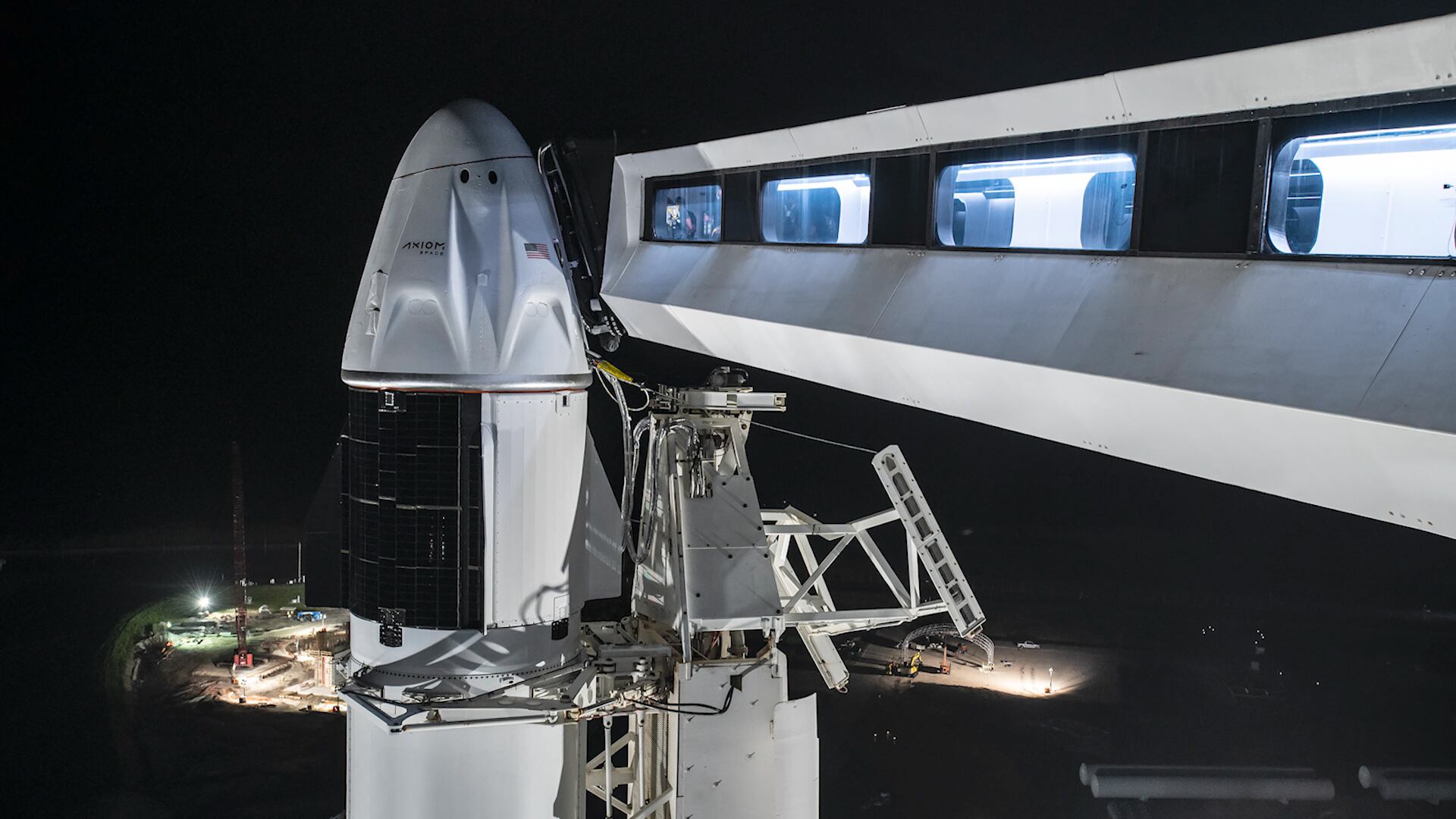
Peggy Whitson, Director of Human Space Flight, Axiom Space, joins Cheddar Innovates to discuss Axiom's involvement in the first fully-private mission to the ISS, and her experience spending 665 days in space.
On this episode of Cheddar Innovates, Peggy Whitson, Director of Human Space Flight, Axiom Space, breaks down Axiom's involvement in the first fully-private mission to the ISS, and her experience spending 665 days in space; William Li and Danielle Chang, co-founders of The Hao Life, discuss how they're shaking up the $71 billion supplement industry by putting a modern spin on traditional natural Chinese remedies; Cheddar gets a look at Curiosity Stream's 'Sagrada Familia: Gaudi's Challenge.'
On this episode of Cheddar Innovates: President of The Pillow Bar breaks down how everyone can benefit from a pillow customized to their unique way of sleeping; CEO of H2Pro explains how to bring environmentally friendly hydrogen to scale; Cheddar gets a look at Curiosity Stream's 'Suppressed Science.'