We're living in uncertain times due to the pandemic, and that means more flexible especially when we travel.
One change that may be permanent is that people are more open to unconventional travel opportunities -- as well as challenges -- when they book their vacations.
Airbnb CEO Brian Chesky explained at Skift Global Forum 2021 that before the pandemic, working, living and traveling had to be three separate activities. But with remote work now more accepted, it can be one and the same.
"This revolution really is about flexibility," Chesky said. "Suddenly, you can live anywhere, you can work anywhere."
It also means travelers are moving from being strict and rigid to being more malleable. A recent Expedia survey showed that half of global travel searches this summer were for 21 days or less. Airlines are also more open to giving refunds with cancellations, even for the cheapest tickets. Travelers, especially those looking for high-end luxury vacations, are simultaneously planning trips to ensure they go on one, a phenomenon known as "travel stacking."
https://skift.com/2021/09/15/new-research-5-trends-from-travels-2021-summer-surge/
"Flexibility is going to be huge in terms of how travel companies spur demand and then put consumer confidence back," Ali told Cheddar.
Tom Graff, Chief Investment Officer, Facet, discusses what the latest jobs report says about this ‘pretty good’ labor market and why the market should worry less about the Fed’s next decision.
Universal Music Group, which represents artists including Taylor Swift, Drake, and Ariana Grande, has removed its music from TikTok and accused the app of bullying and intimidation.
The average rate on a 30-year mortgage fell 0.06% last week. Although the rate is much higher than it was two years ago, the decline could relieve buyers already dealing with low inventory and high prices.
As millions of Americans are set to retire, John Carter, President & COO of Nationwide Financial, shares what to expect and how consumers of all ages can better prepare for their golden years.
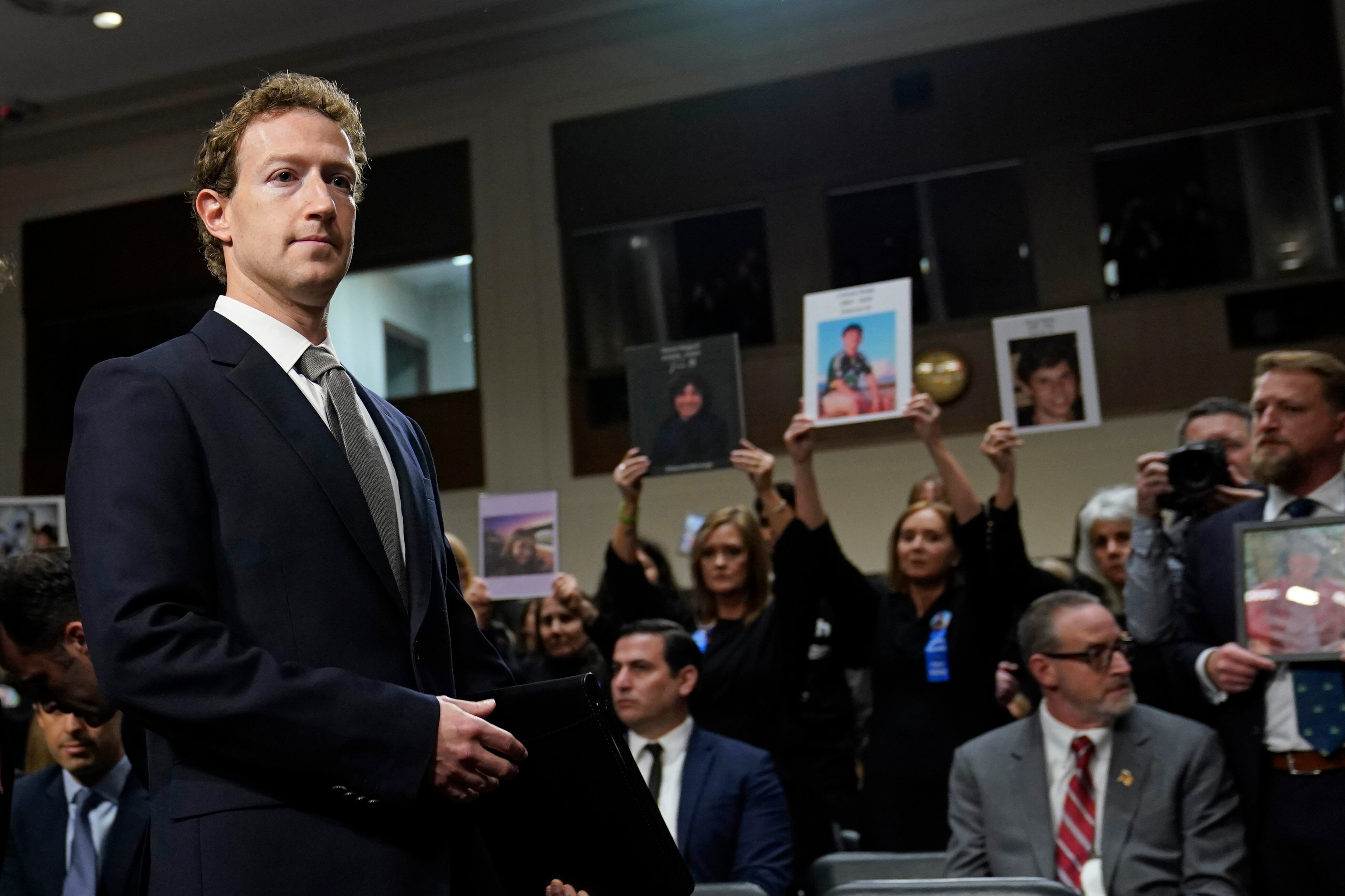
The heated hearing began with recorded testimony from kids and parents talking about being exploited on social media. Throughout the hours-long event, parents who lost children to suicide silently held up pictures of their dead kids.
Adtalem CEO Steve Beard addresses a report from Safkhet Capital taking the short position on the for-profit education giant, plus why he believes there should be financial recourse for student loan borrowers misled by their institutions.
CEO of Americares Christine Squires shares how the organization is helping provide medical assistance in a time of increasing instability, war, and climate-related disaster.