We're living in uncertain times due to the pandemic, and that means more flexible especially when we travel.
One change that may be permanent is that people are more open to unconventional travel opportunities -- as well as challenges -- when they book their vacations.
Airbnb CEO Brian Chesky explained at Skift Global Forum 2021 that before the pandemic, working, living and traveling had to be three separate activities. But with remote work now more accepted, it can be one and the same.
"This revolution really is about flexibility," Chesky said. "Suddenly, you can live anywhere, you can work anywhere."
It also means travelers are moving from being strict and rigid to being more malleable. A recent Expedia survey showed that half of global travel searches this summer were for 21 days or less. Airlines are also more open to giving refunds with cancellations, even for the cheapest tickets. Travelers, especially those looking for high-end luxury vacations, are simultaneously planning trips to ensure they go on one, a phenomenon known as "travel stacking."
https://skift.com/2021/09/15/new-research-5-trends-from-travels-2021-summer-surge/
"Flexibility is going to be huge in terms of how travel companies spur demand and then put consumer confidence back," Ali told Cheddar.
The pandemic yielded government financial support and (eventually) a surprisingly strong job market — but racial wealth disparities grew. Why is it so difficult to close the wealth gap?
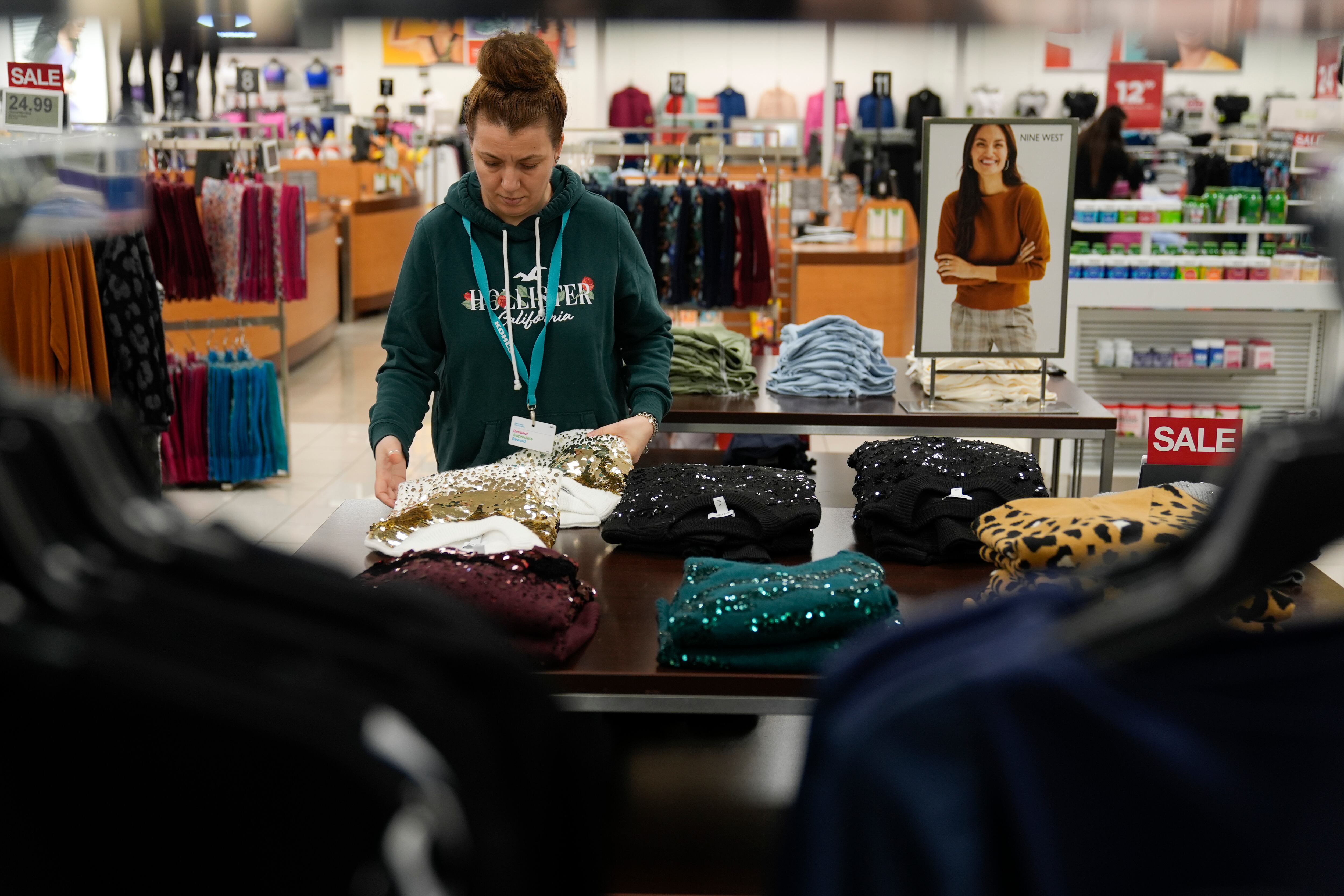
Plenty of retailers and suppliers are reducing the variety of their offerings to focus instead on what they think will sell best. Many businesses have decided less is better, justifying their limited selection by asserting shoppers don’t want so much choice.
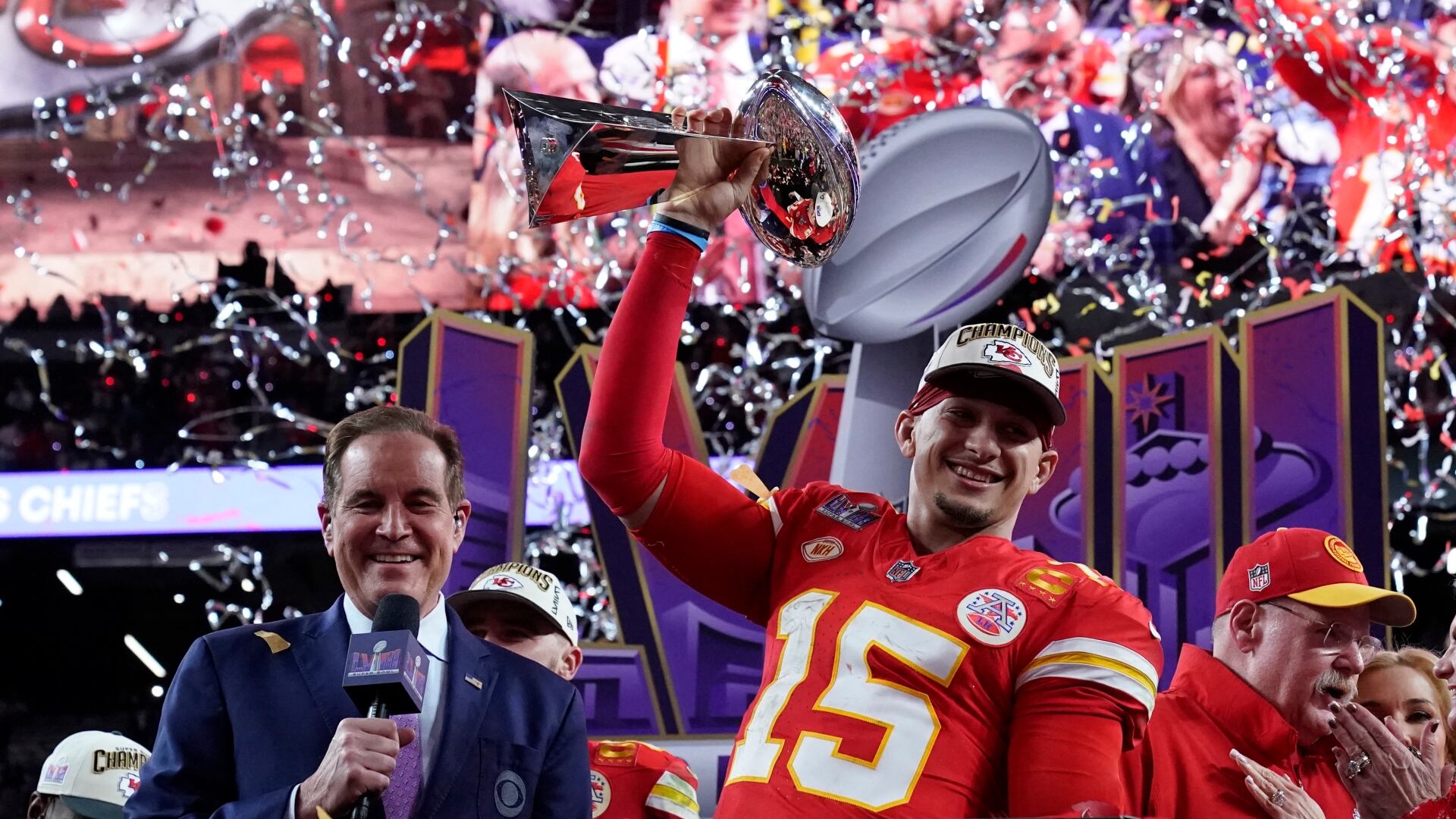
Joe Pompliano, author of the Huddle Up newsletter, breaks down the biggest moments from Super Bowl LVIII, from potentially record-breaking viewership to Taylor Swift’s highly anticipated appearance.
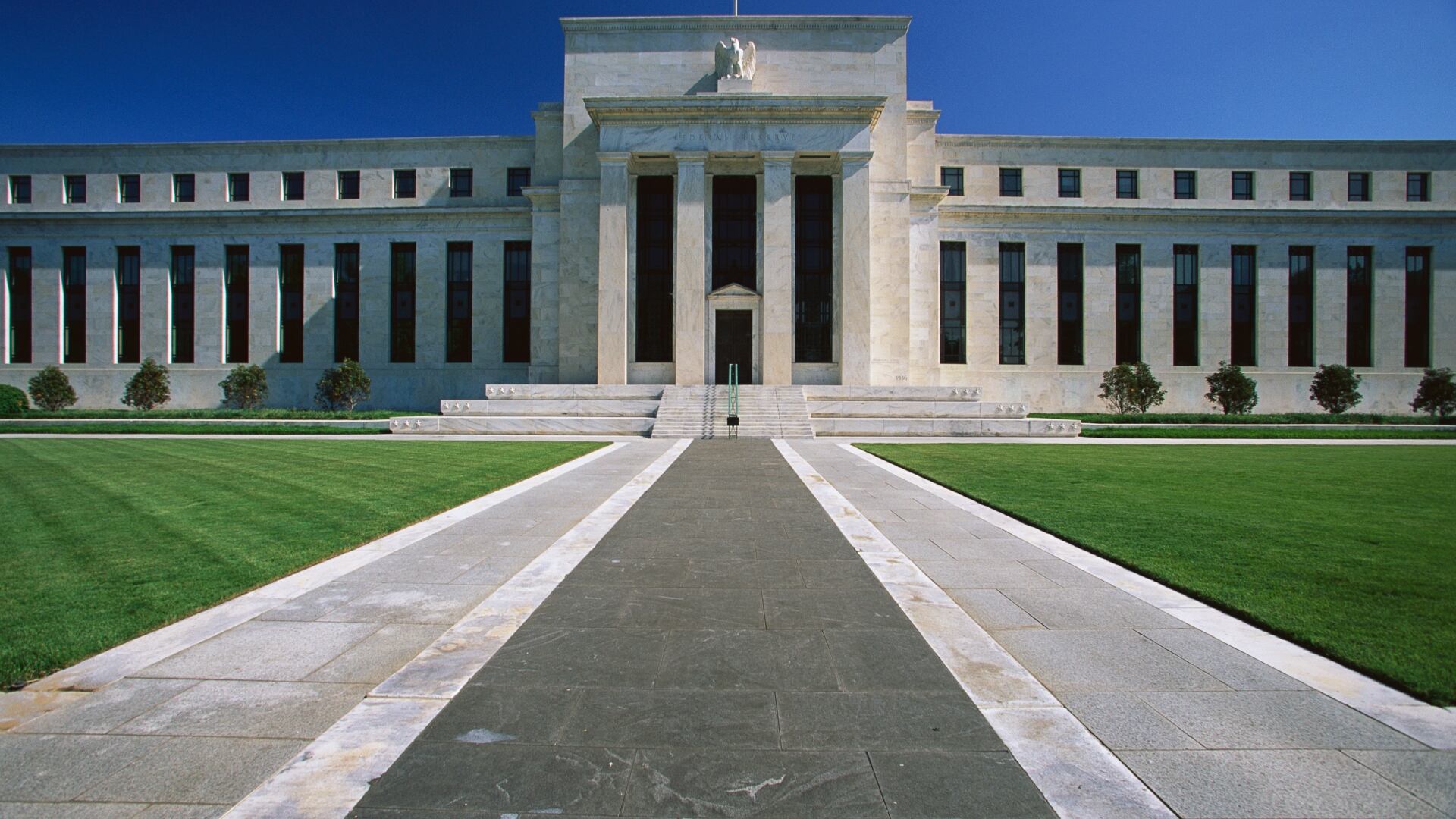
David Wright, President and owner of Wright Financial Group, shares his thoughts on why the Federal Reserve seems hesitant to cut rates, and why regional bank stocks could help move the needle.
Disney and Fortnite-maker Epic Games will collab on making new video games with Disney characters. Hopefully it will be more than Mickey Mouse hitting the Griddy.
Hershey is cautioning on its 2024 profit growth as the company contends with rising cocoa costs, leading to increased prices for chocolate. The company anticipates its full-year earnings per share being relatively flat, partly due to higher cocoa and sugar costs.
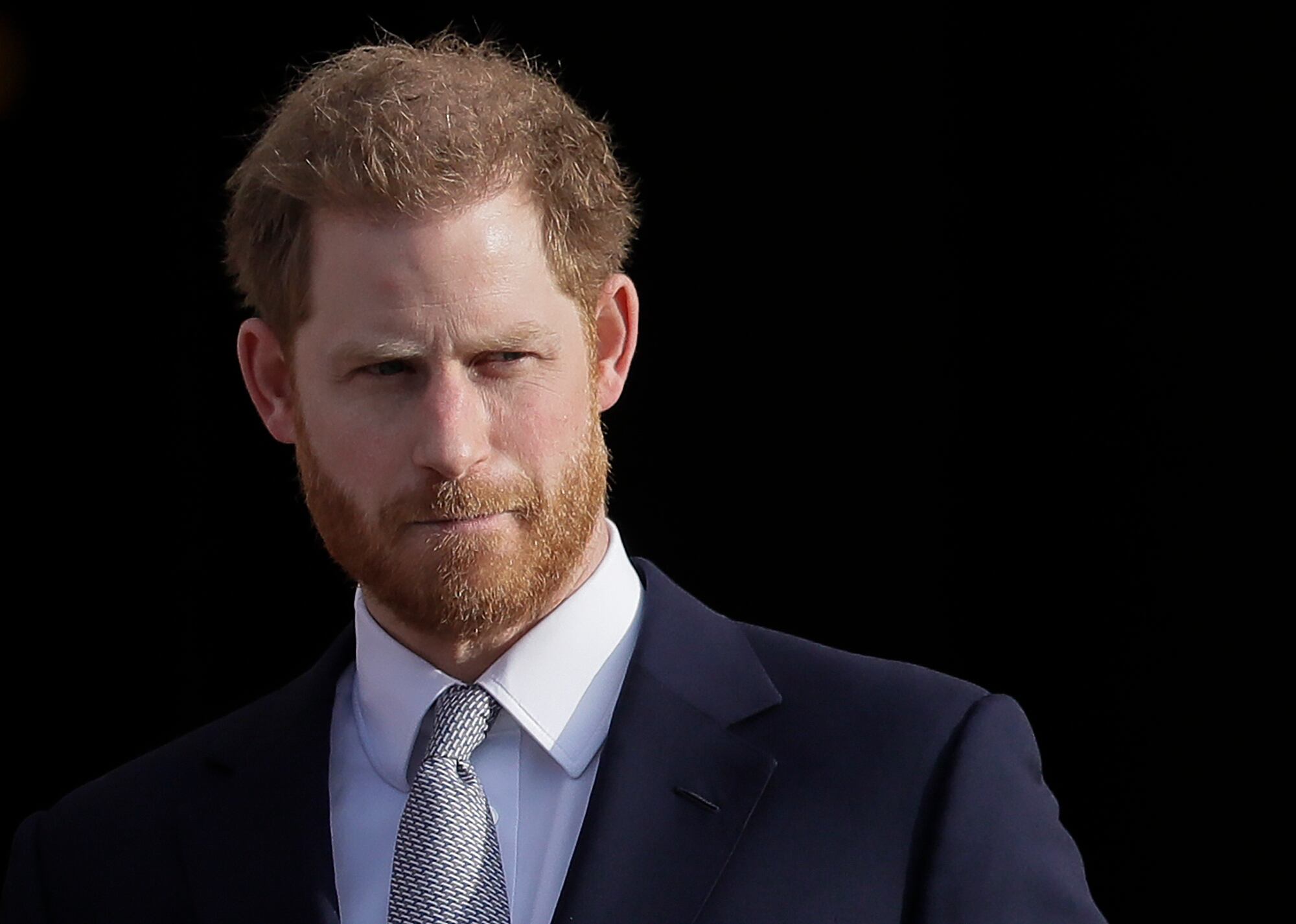
Prince Harry has reached an out-of-court settlement with a tabloid newspaper publisher that invaded his privacy with phone hacking and other illegal snooping. Attorney David Sherborne said that Mirror Group Newspapers had agreed to pay Harry’ “substantial” costs and damages.
An attorney representing passengers of an Alaska Airlines flight that lost a door plug in midair says a “whistling sound” was heard on a previous flight of the same Boeing 737 Max 9.