We're living in uncertain times due to the pandemic, and that means more flexible especially when we travel.
One change that may be permanent is that people are more open to unconventional travel opportunities -- as well as challenges -- when they book their vacations.
Airbnb CEO Brian Chesky explained at Skift Global Forum 2021 that before the pandemic, working, living and traveling had to be three separate activities. But with remote work now more accepted, it can be one and the same.
"This revolution really is about flexibility," Chesky said. "Suddenly, you can live anywhere, you can work anywhere."
It also means travelers are moving from being strict and rigid to being more malleable. A recent Expedia survey showed that half of global travel searches this summer were for 21 days or less. Airlines are also more open to giving refunds with cancellations, even for the cheapest tickets. Travelers, especially those looking for high-end luxury vacations, are simultaneously planning trips to ensure they go on one, a phenomenon known as "travel stacking."
https://skift.com/2021/09/15/new-research-5-trends-from-travels-2021-summer-surge/
"Flexibility is going to be huge in terms of how travel companies spur demand and then put consumer confidence back," Ali told Cheddar.
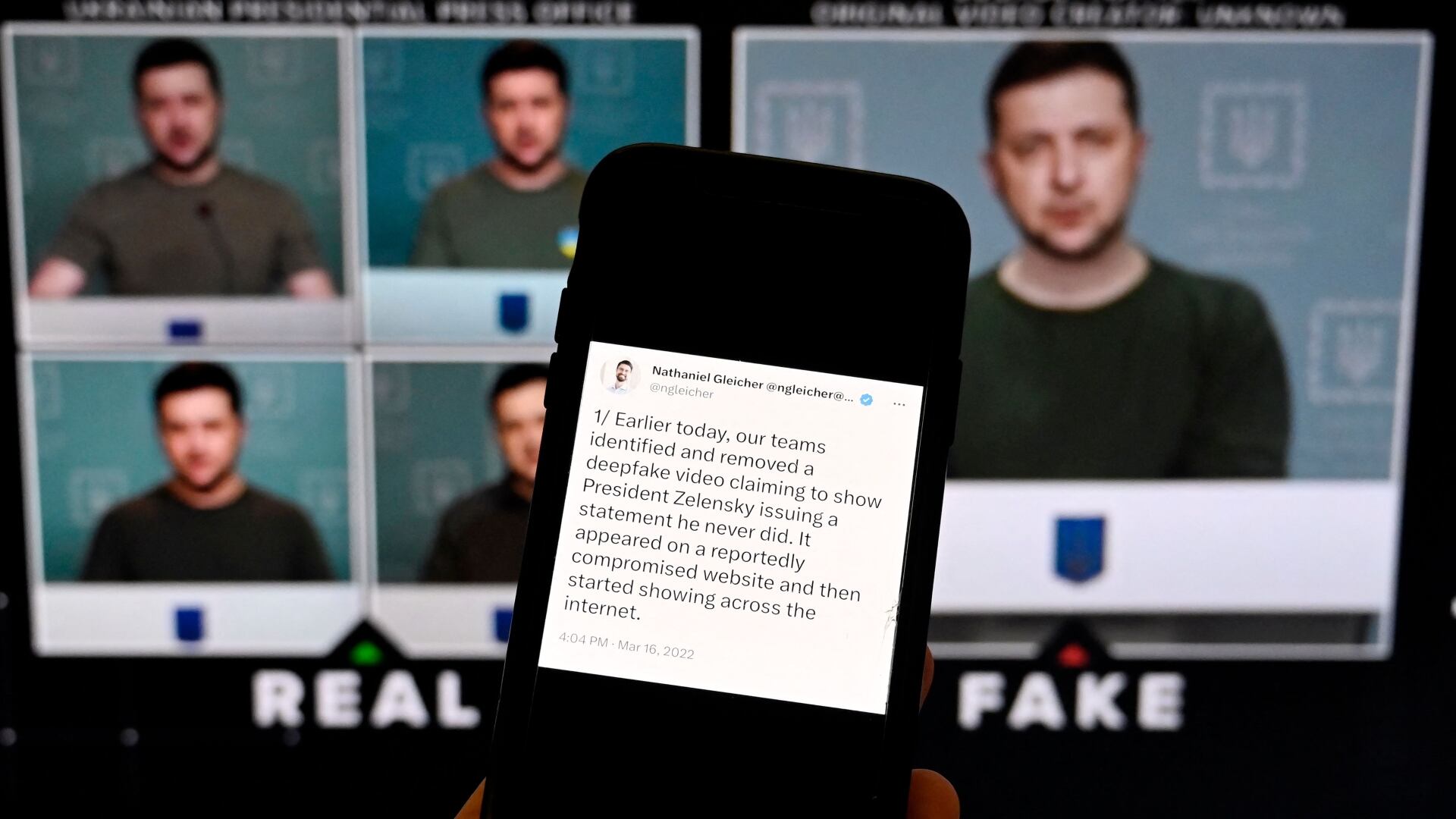
Pete Nicoletti, Global CISO at Check Point, explains why it’s so difficult to legislate against A.I. disinformation and why it’s a concern going into the 2024 election.
Michelle Freyre, Clinique Global Brand President, discusses the company's latest ventures and why skin advice should always come from a trusted source.
Jason Tartick, small business expert and TurboTax Live Partner (who you may recognize from 'The Bachelorette'), shares his tips for making sure your taxes are flawless this year.
Christine Short, Head of Research, Global Corporate Events at Wall Street Horizon, a TMX Company, breaks down the biggest takeaways from companies’ quarterly results.
TikTok once again finds itself in a precarious position as lawmakers in Washington move forward with a bill that could lead to a nationwide ban on the platform.
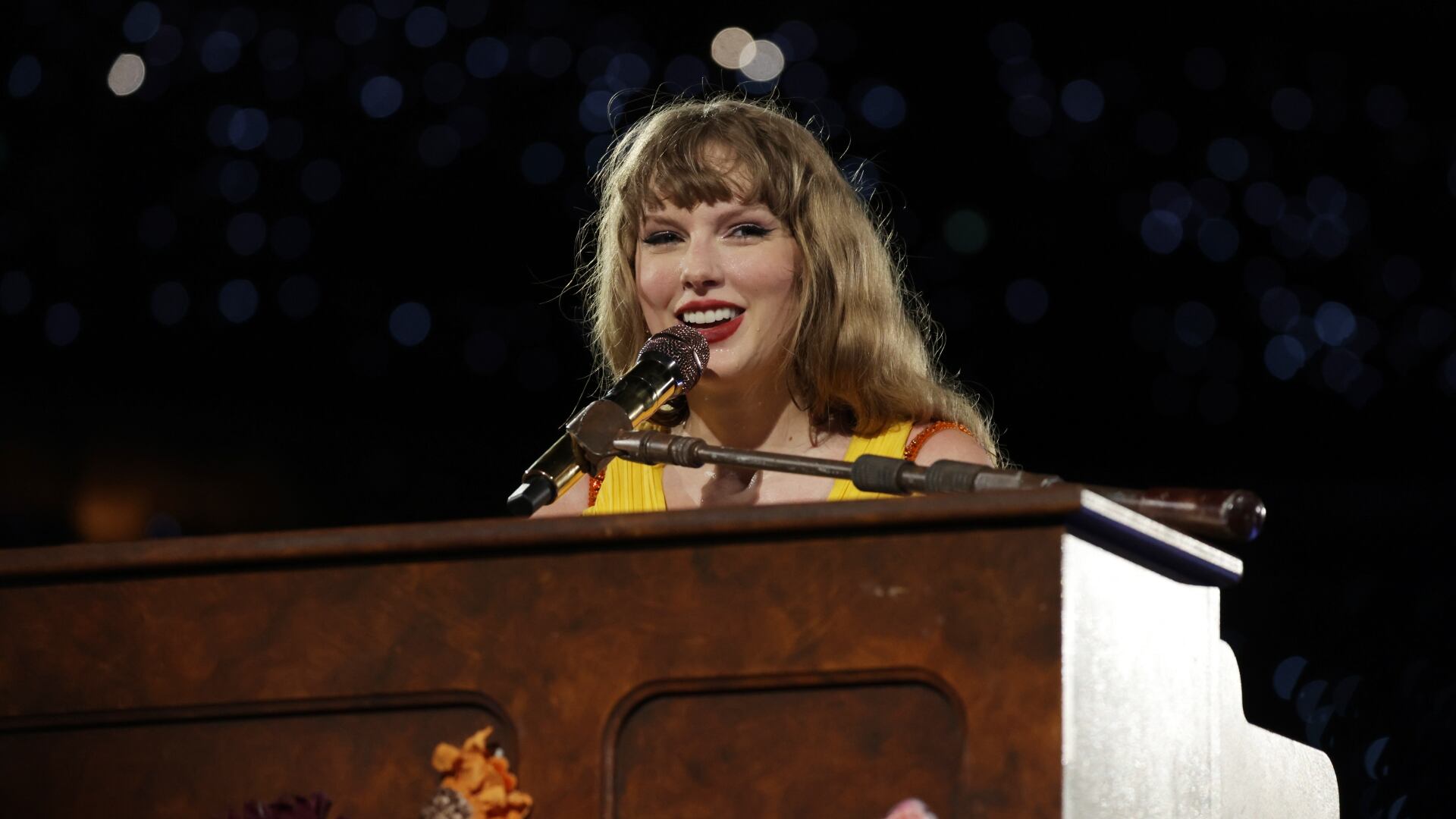
Bryan West, Gannett’s Taylor Swift reporter, recaps the many, many, theories and Easter eggs Swifties are debating as her ‘Eras Tour’ film comes to Disney+.
‘Our Biggest Fight’ author and Project Liberty founder Frank McCourt, Jr. explains his problem with the internet – and why this Tiktok bill is just a starting point.