Brands are increasing their efforts in using influencer marketing to reach tech tech-savvy consumers. Fownders CEO and founder Gerard Adams joins us with a look at what the future of brand influence might look like. The man they call "The Millennial Mentor" says its more important than ever to leverage social channels to spread brand messaging and marketing campaigns.
Adams gives an update on his role in Sprint's #LiveUnlimited campaign. He says it aims at using successful millennial entrepreneurs to target valuable young demographics. He also gives us his do's and don'ts for influencer marketing strategies.
Finally, we learn about Adams' mentorship work with his company, Fownders. He shares his top lessons for success heading into 2018. The entrepreneur stresses the importance of finding a mentor and staying persistent into the new year.
Suzy Batiz, founder and CEO of ~Pourri, discusses creating Poo-Pourri, building out multiple businesses, and why she believes any problem can be overcome.
Fresh off his unanimous appointment as interim CEO, Dax Dasilva shares his strategy for Lightspeed and why growth and profitability are his biggest focus.
Eddie Ghabour, co-founder and owner of KEY Advisors Wealth Management, explains why he’s investing in India, what could happen if inflation rises again, and the long-term ‘debt bubble’ looming.
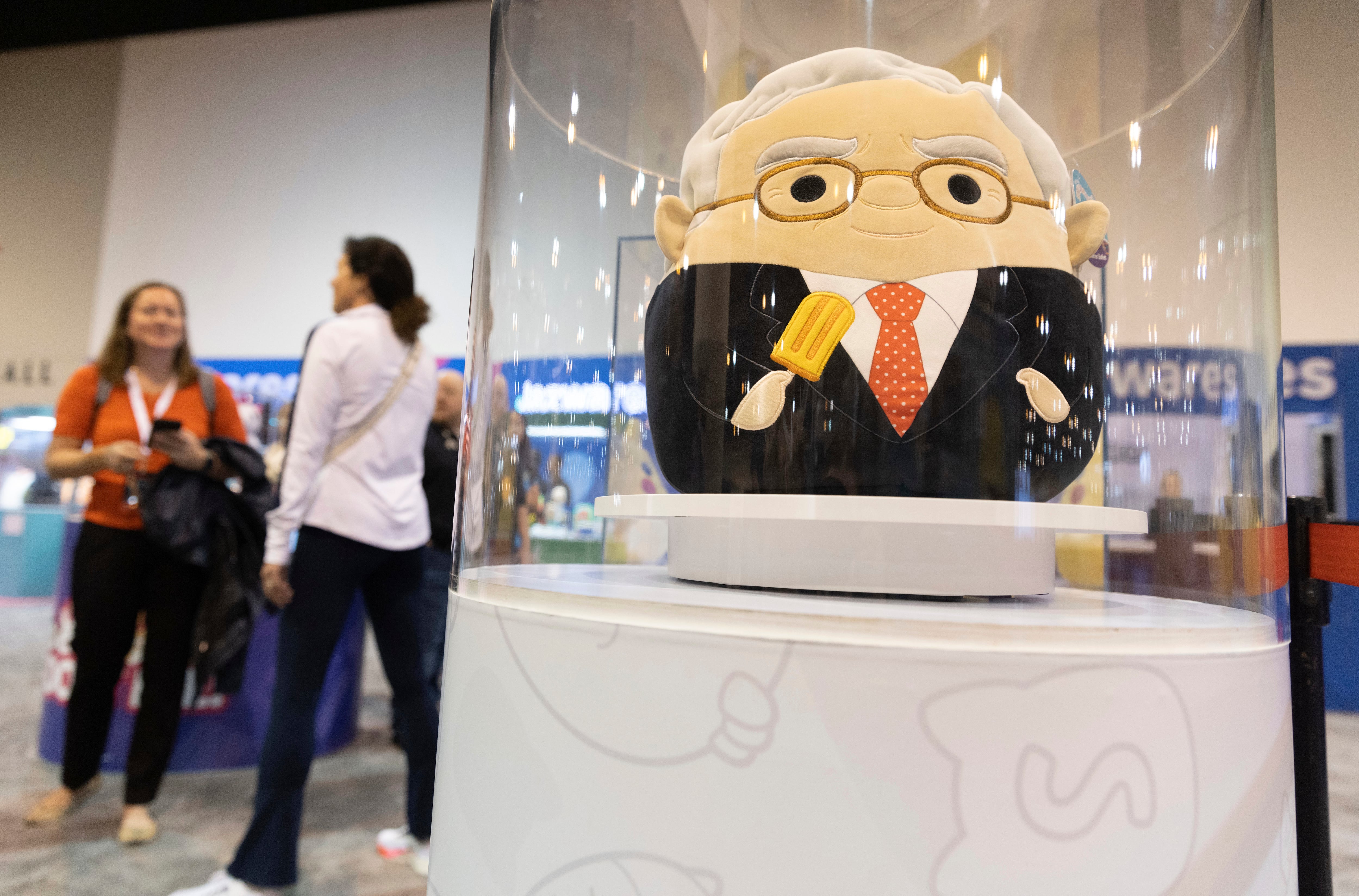
The company behind Squishmallows says Build-A-Bear's new Skoosherz toys are a copy of their own plushies. Build-A-Bear filed their own suit basically responding, "No they're not!"
While tech employees worry about artificial intelligence taking over their jobs, Microsoft says Iran, North Korea, and more U.S. adversaries are beginning to use AI in cyber spying.
The self-proclaimed "only Post who worked at Kellogg" was a military veteran who fought in World War II before inventing everyone’s favorite fruit-filled breakfast ravioli.
Kevin Gordon, Senior Investment Research Manager at Charles Schwab, shares his thoughts on how investors can take advantage of the current bull market while keeping in mind the impacts of Fed policy and inflation.
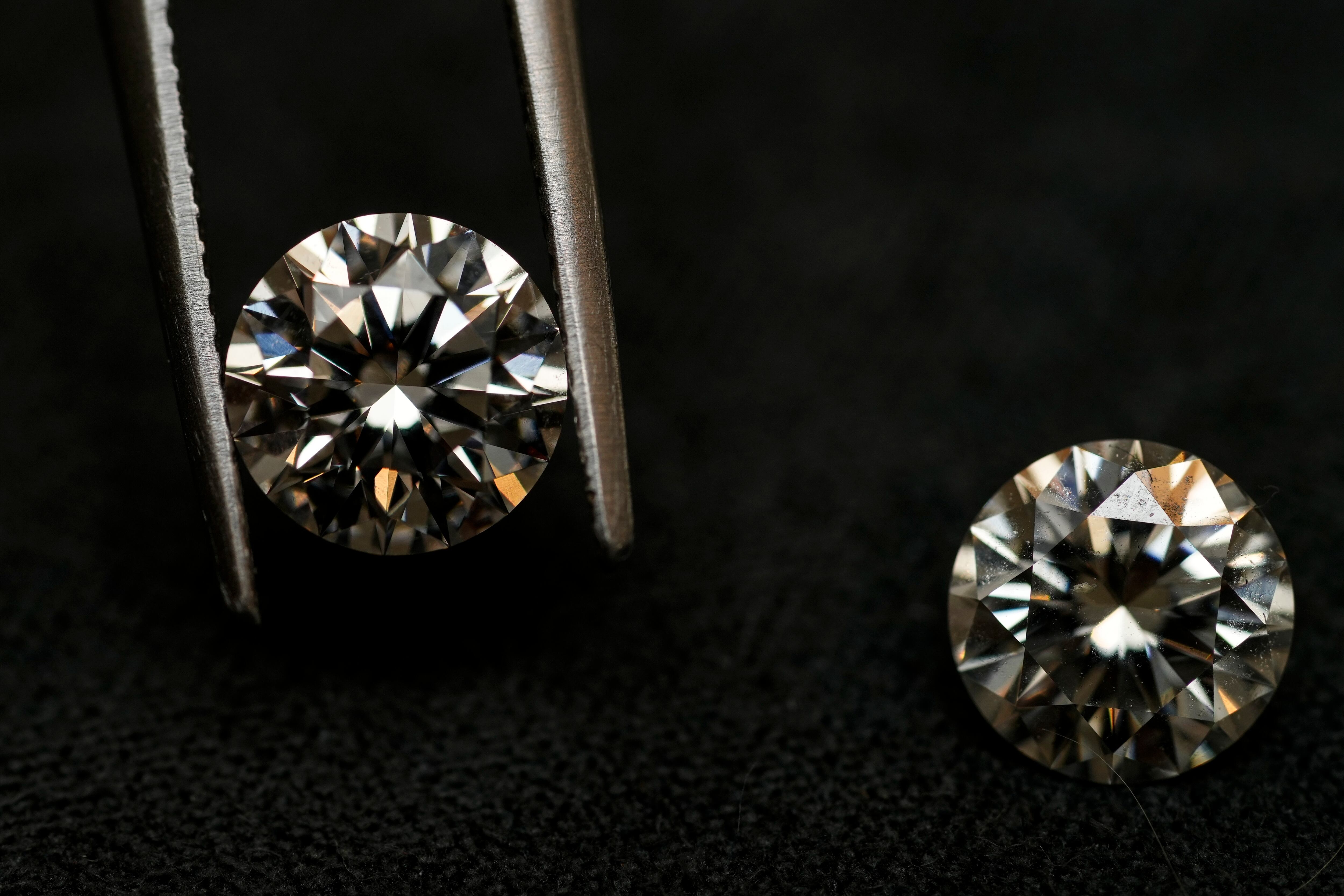
Lab-created diamonds come with sparkling claims: that they are ethically made by machines running on renewable energy. But many don't live up to these claims or don't respond to questions about their electricity sources, and lab diamonds require a lot of electricity.