Before the 2016 presidential election, writer/director Andrew Bujalski didn’t think his film about the workers at a roadside sports bar was very relevant.
But after President Trump got elected, the man behind “Support the Girls” thought it was the perfect time to tell the stories of Americans who often go overlooked.
“It’s not an advocacy movie though,” Bujalski said in a recent interview. “It’s really just about these characters, these people, their feelings, what they’re going through.”
"Support the Girls" stars Regina Hall as an optimistic manager of a “bar with curves”. The film explores her relationship with her husband, her boss, and her female employees. The women become like a family as the story unfolds.
Hall told Cheddar that she admires how Bujalski was able to make the cast relatable.
“Everyone was different, but kind of united in that familial situation, all really human,” she said during the interview. “They’re people like us, with the same needs, wants, desires, disappointment, frustrations, everything.”
"Support the Girls" premiered at the South by Southwest Festival in Austin, Tex. this past weekend. It was the first film to secure a distribution deal at the event, with Magnolia Pictures getting on board.
For the full interview, [click here](https://cheddar.com/videos/how-this-comedy-landed-sxsws-first-major-distribution-deal).
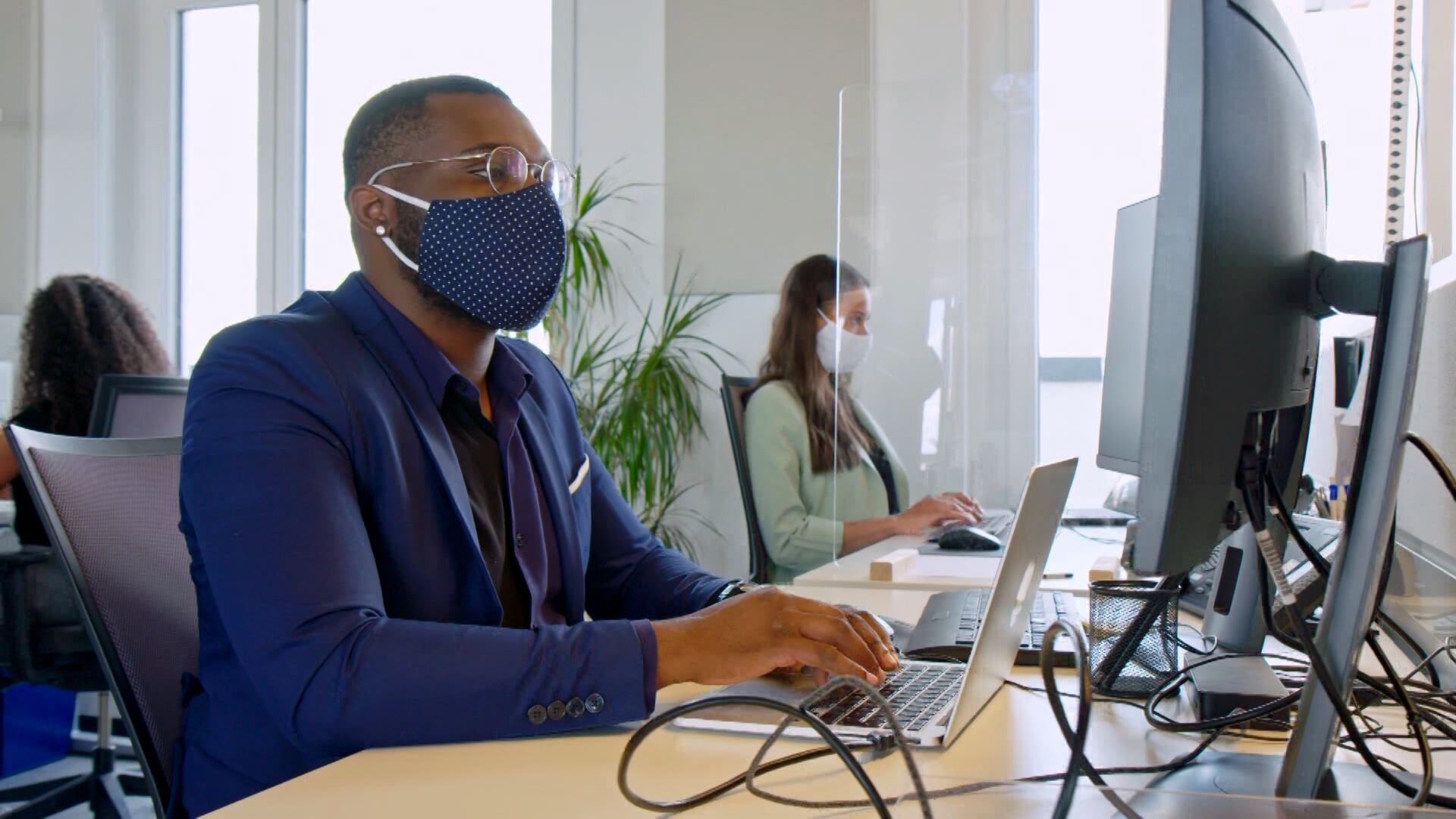
Business communication platform Slack, recently released its fifth wave of results from its global workplace survey from its Future Forum consortium, showing that the workforce has already moved to a split between working from home and going to the office. “We are now officially in the hybrid era of work,” Slack Future Forum VP Sheela Subramanian said when discussing the findings. "Hybrid is a work model where people can come into the office as well as work remotely, and what we're seeing is that the majority of knowledge workers are now in this arrangement — and that number is set to grow."
Alex Soojung-Kim Pang, founder of Strategy + Rest,
joins Cheddar News to discuss UK's pilot four-day workweek and its impact on workers' mental health.
Ed Gaussen, co-founder and CEO of Mantra Health, and Matt Kennedy, co-founder and COO of Mantra Health, joined Cheddar News to discuss the digital mental health startup's latest funding round and plans for the future.
Charles Platkin, executive director at Hunter College NYC Food Policy Center, joins Cheddar News to discuss how food insecurity affects our mental health.
Actor Sydney Sweeney, who plays Cassie Howard on HBO's "Euphoria, recently addressed how she feels about the stigma attached to nudity in acting for women versus men. Sweeney noted she also made a request to avoid doing unnecessary nude scenes, which was supported by series creator Sam Levinson.
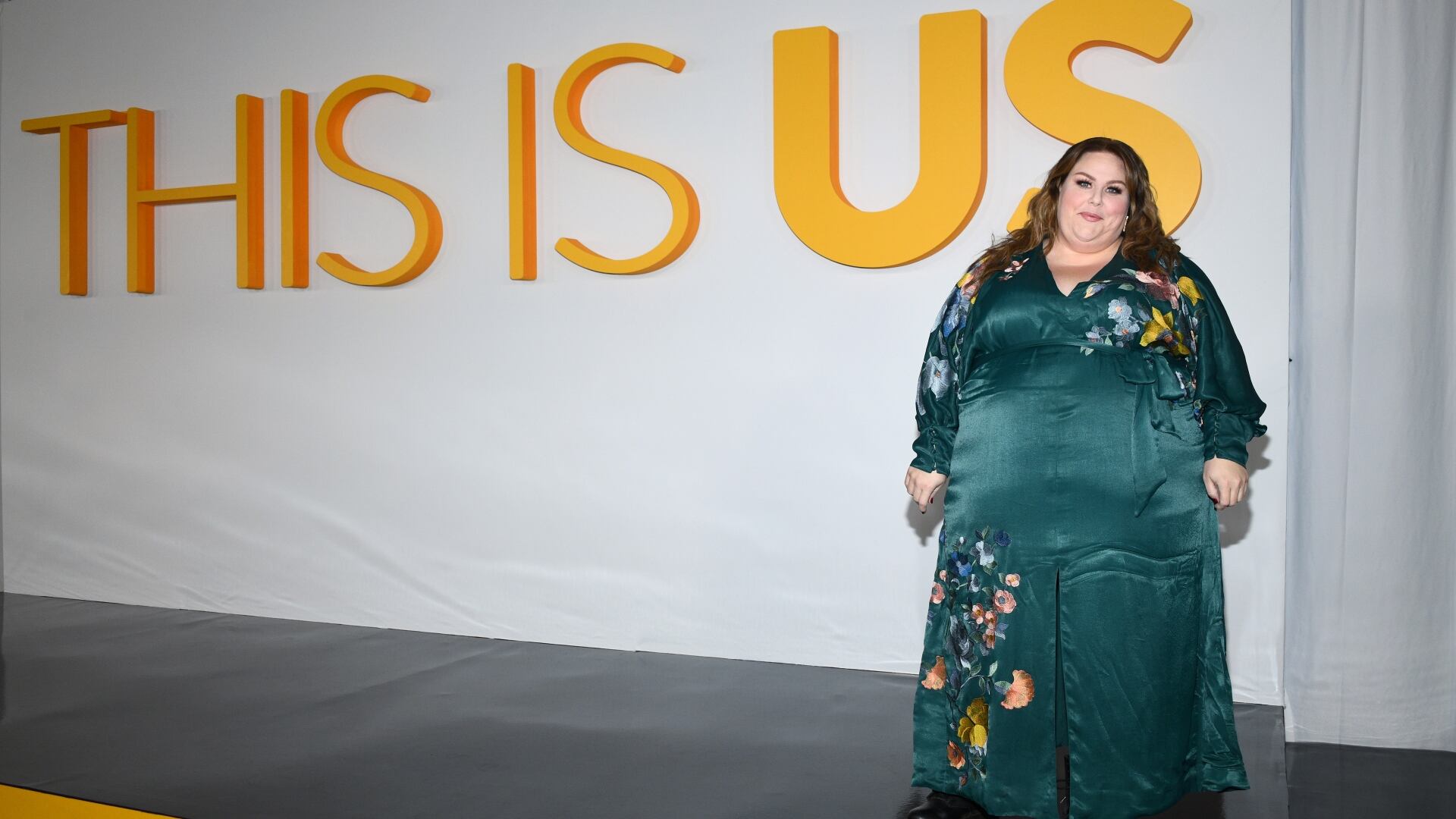
Actor and singer Chrissy Metz, who stars as Kate Pearson in "This Is Us," is partnering with Capital One Auto Navigator to share her story of purchasing her first car to help make car buying easier for others. "For me, I know a car was so important because of course it took me to the auditions to get me to the place I have today," she said. "But it also means empowerment and freedom and accessibility, and I think everybody is deserving and in need of that." Metz also discussed the final season of her hit show, noting that expectations for the finale "will probably be exceeded."
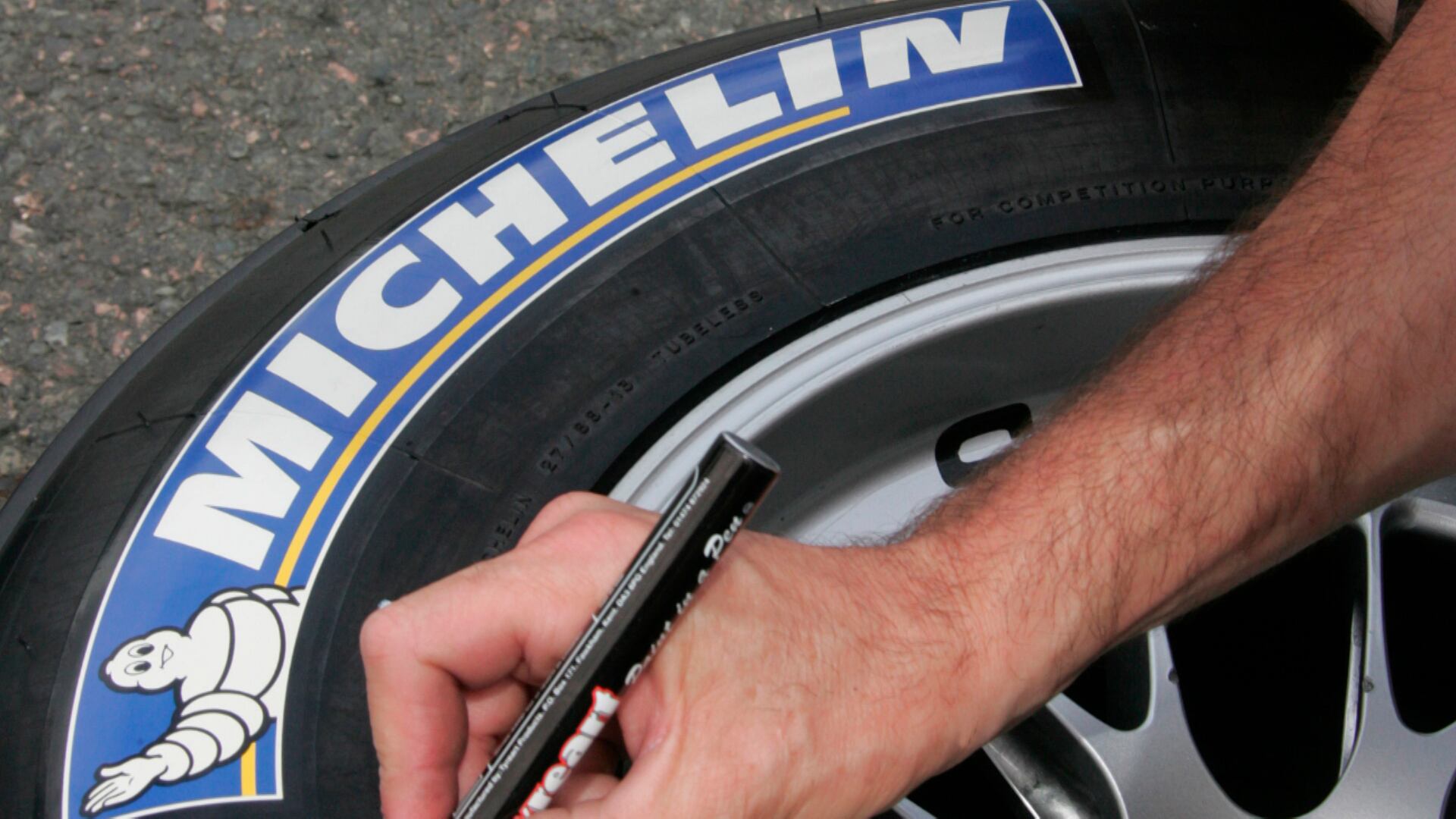
Tire manufacturer Michelin is partnering with the popular video game "The Sims FreePlay" in order to meet teens where they are to promote driving safety. Michelin North America Chairman and President Alexis Garcin joined Cheddar News to discuss how the #GoldenGauge program integrates with the game. "If you're a gamer yourself or your kids, then while you're driving and moving on the application, you will find a Michelin billboard, and if you engage with that billboard, then you will get some advice about how tires are critical for your safety on the road," Garcin explained. *Updated with the full title of 'The Sims FreePlay' and a typo fix in the name of Alexis Garcin.*
The video game industry has come a long way from the first commercialized 3D video game in 1980, but it still has a long way to go. Video game creators have recently been called out for not having realistic Black hairstyles in their games and graphic artists are now taking matters into their own hands by creating The Open Source Afro Hair Library. Jovan Wilson, 3D artist and resident for The Open Source Afro Hair Library, joined All Hands to discuss.