The Federal Communications Commission just killed net neutrality. The agency voted to repeal regulations that make the future of the internet and the way consumers use it a lot murkier. Andrew McCollum, CEO of Philo, an internet television company that recently introduced a streaming live TV service, joined us to share why he is worried about a world without net neutrality.
The FCC voted to reverse a 2015 decision by the Obama Administration that aimed to protect Americans on the internet. McCollum is concerned that without the regulations, services like Philo become prone to "unfair prioritization by internet providers." It's not only a loss for companies. He believes strong net neutrality rules also protect the consumer.
As a co-founder of Facebook, McCollum says he got a glimpse of how difficult it would be for companies to innovate in a world without protections for net neutrality. He shares that colleges that did not like Facebook would block students from gaining access because they acted as the internet providers. With such limitations, he questions whether an era of internet innovation is coming to a halt.
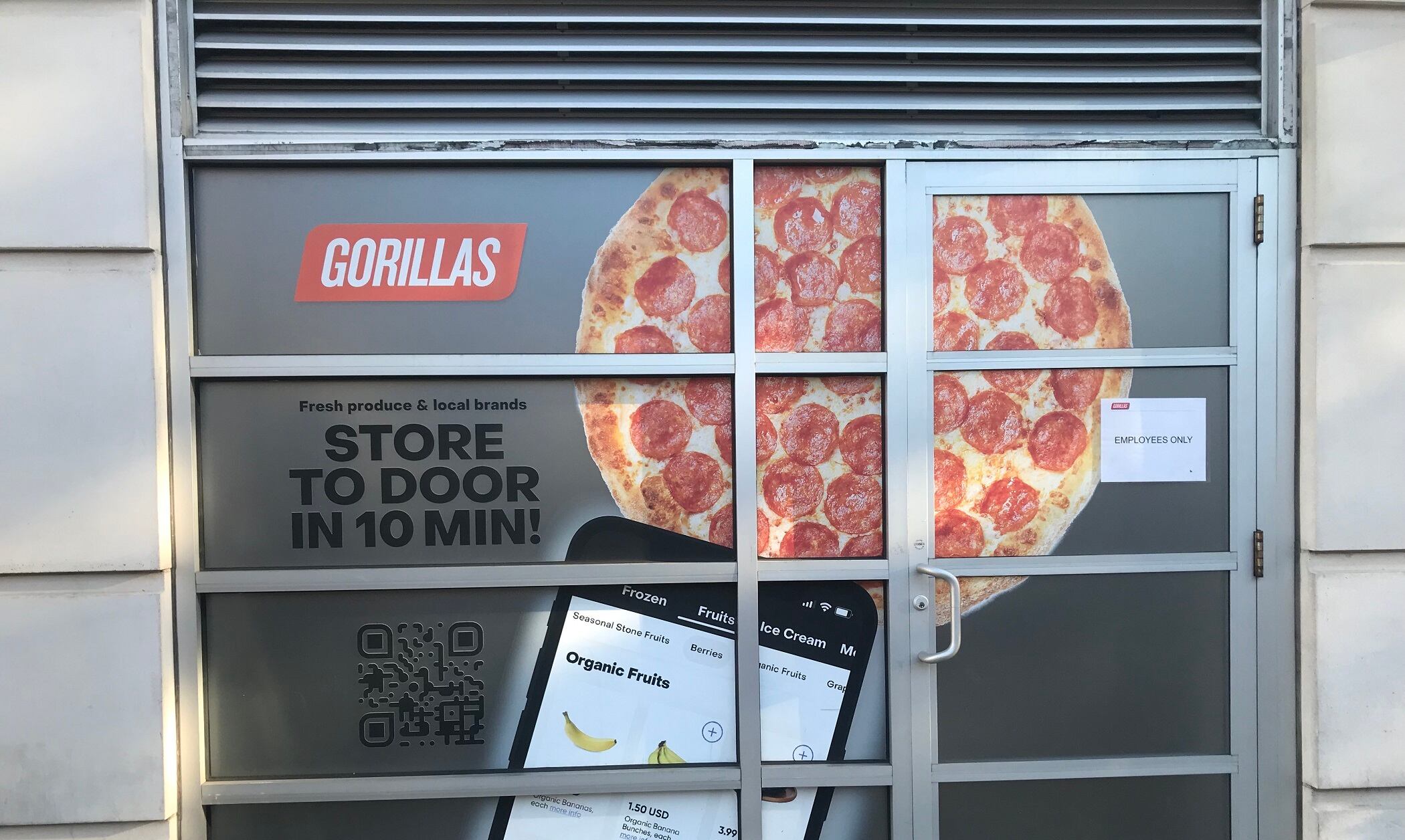
New York City has become a testing ground for super-fast grocery delivery services like Gorillas, offering instant gratification in the 10 to 15 minutes.
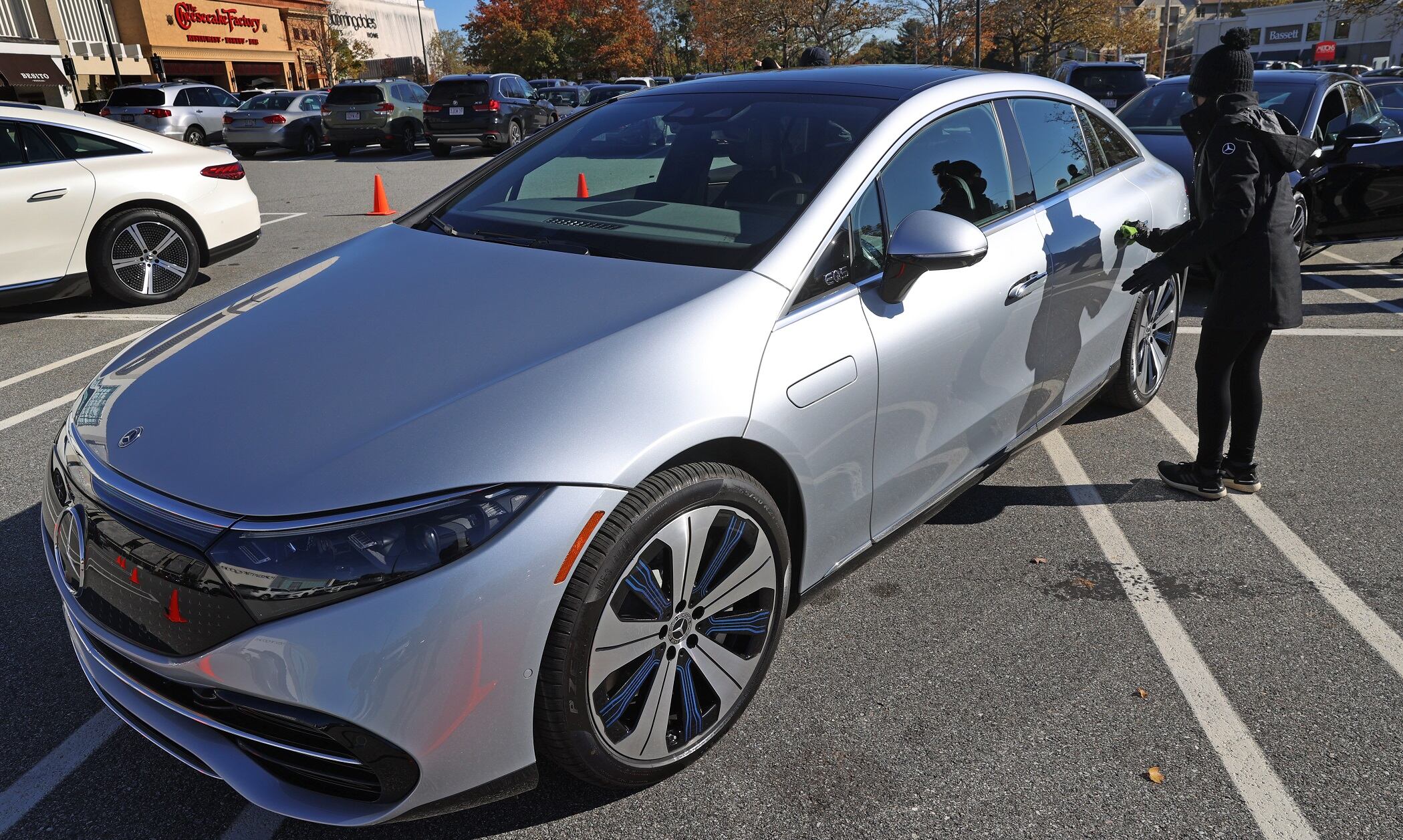
Mercedes-Benz is bringing its first all-electric luxury vehicle brand, EQS, to the United States. Cheddar's Chloe Aiello takes a spin and reports.
From Wall Street to Silicon Valley, these are the top stories that moved markets and had investors, business leaders, and entrepreneurs talking this week on Cheddar.
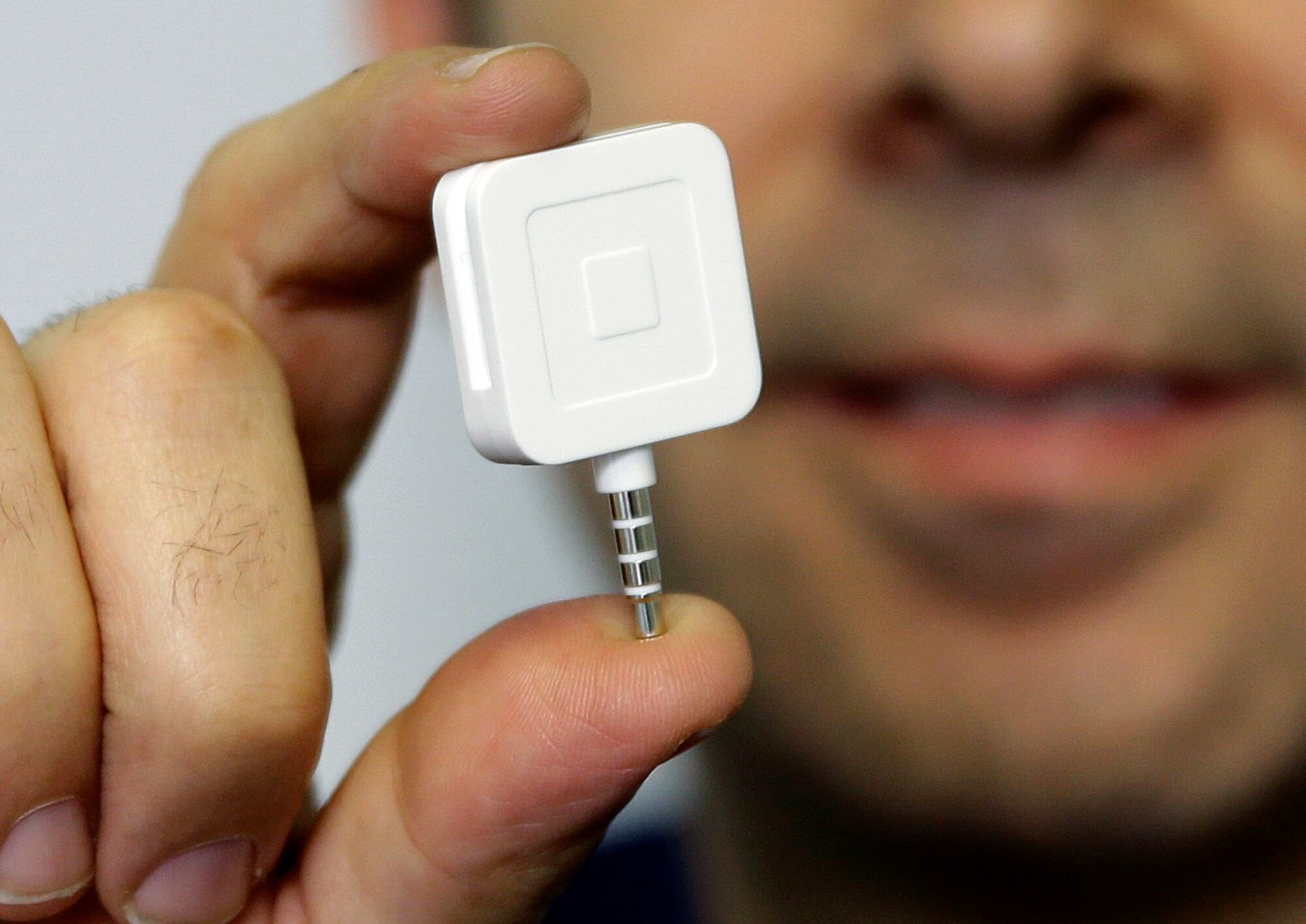
A month after Facebook changed its name to Meta, Square Inc. is changing its name to Block.
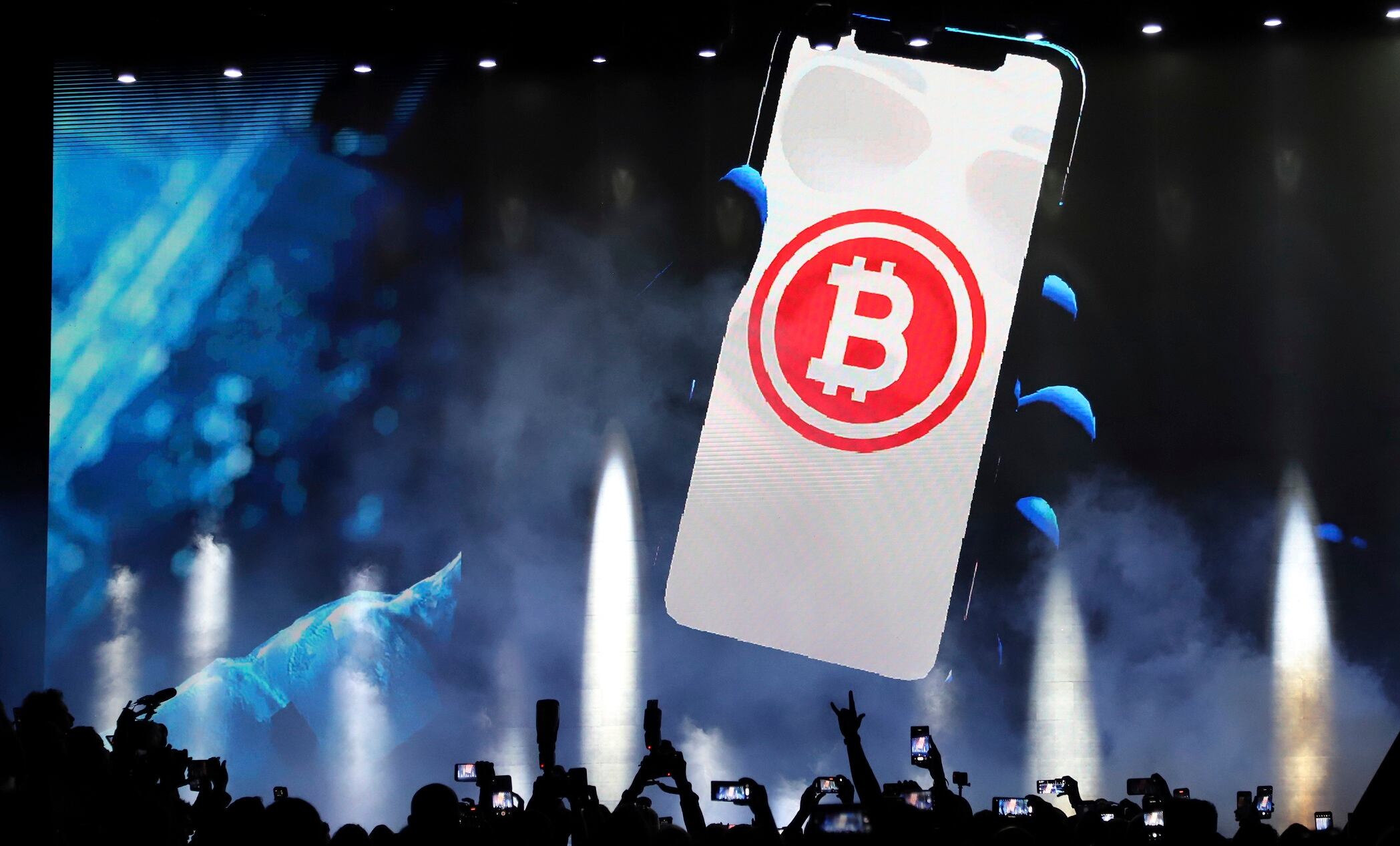
President Nayib Bukele announced last week that the Central American country plans to issue the world's first "Bitcoin bond" early next year.
Twitter says co-founder Jack Dorsey will step down as CEO of the social media platform.
The Treasury Department pushed for the requirement to help close the tax gap in the crypto industry by forcing better IRS reporting, but legislators on both sides of the aisle argue that the language is too broad and could curb innovation in the space.
Samsung said it plans to build a $17 billion semiconductor factory in Texas amid a global shortage of chips used in phones, laptops, cars and other electronic devices.
Businesses are turning increasingly to virtual items as gift options this holiday season, especially as shipping delays and shortages make some physical items less available.
Good Morning America co-host Michael Strahan will be among the crew on Blue Origin’s next flight to space.