The Federal Communications Commission just killed net neutrality. The agency voted to repeal regulations that make the future of the internet and the way consumers use it a lot murkier. Andrew McCollum, CEO of Philo, an internet television company that recently introduced a streaming live TV service, joined us to share why he is worried about a world without net neutrality.
The FCC voted to reverse a 2015 decision by the Obama Administration that aimed to protect Americans on the internet. McCollum is concerned that without the regulations, services like Philo become prone to "unfair prioritization by internet providers." It's not only a loss for companies. He believes strong net neutrality rules also protect the consumer.
As a co-founder of Facebook, McCollum says he got a glimpse of how difficult it would be for companies to innovate in a world without protections for net neutrality. He shares that colleges that did not like Facebook would block students from gaining access because they acted as the internet providers. With such limitations, he questions whether an era of internet innovation is coming to a halt.
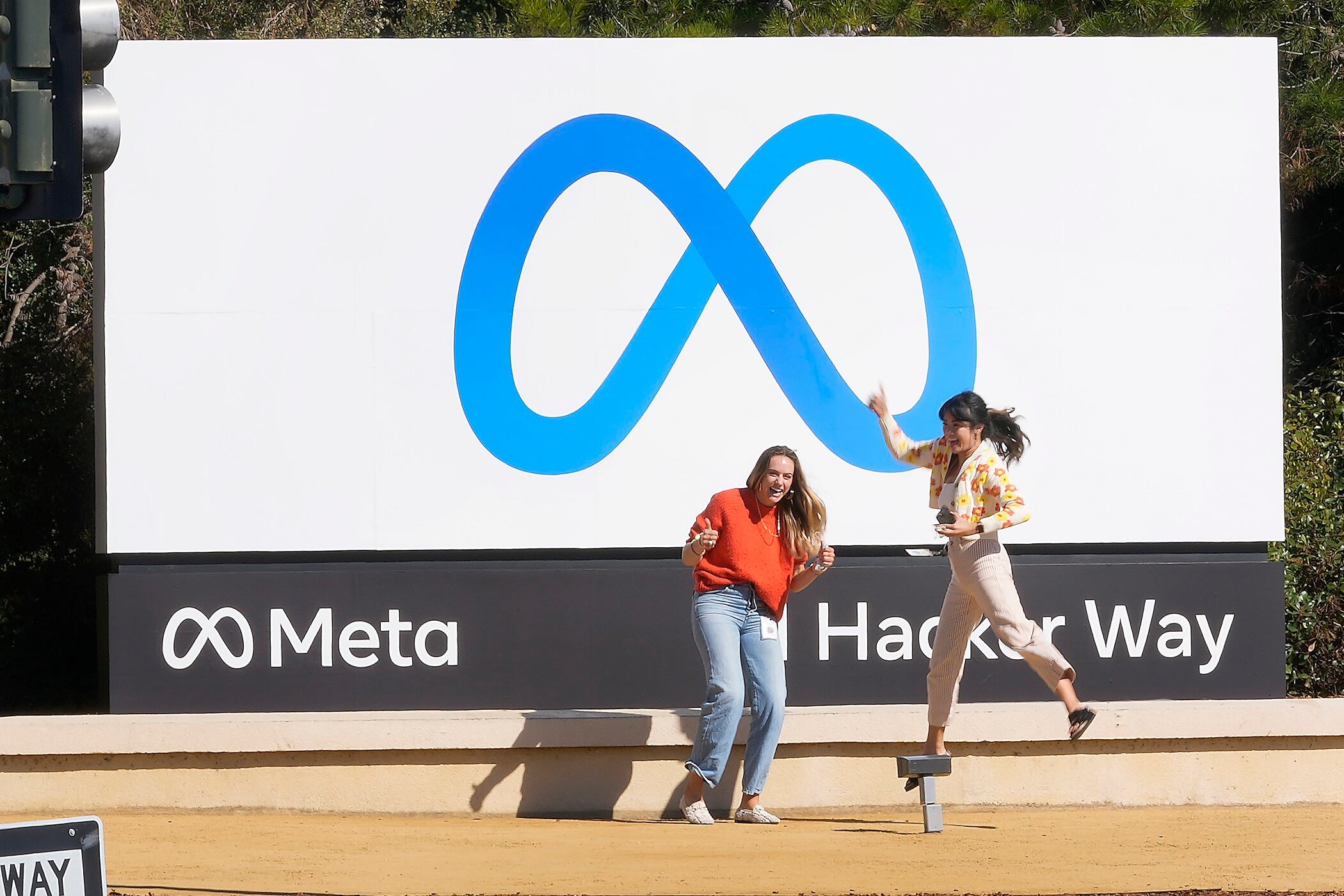
Facebook's parent company Meta says it has created what it believes is among the fastest artificial intelligence supercomputers running today.
The administrators of the SAT say the exam will move from paper and pencil to a digital format.
They say life is about the journey, not the destination — and how you get there makes all the difference. Americans shunned train stations, roadways, and airports amid the coronavirus pandemic, never realizing things could be fundamentally different when they return. In this episode, we're exploring the evolving world of transportation, from how we get around to how goods get to us.
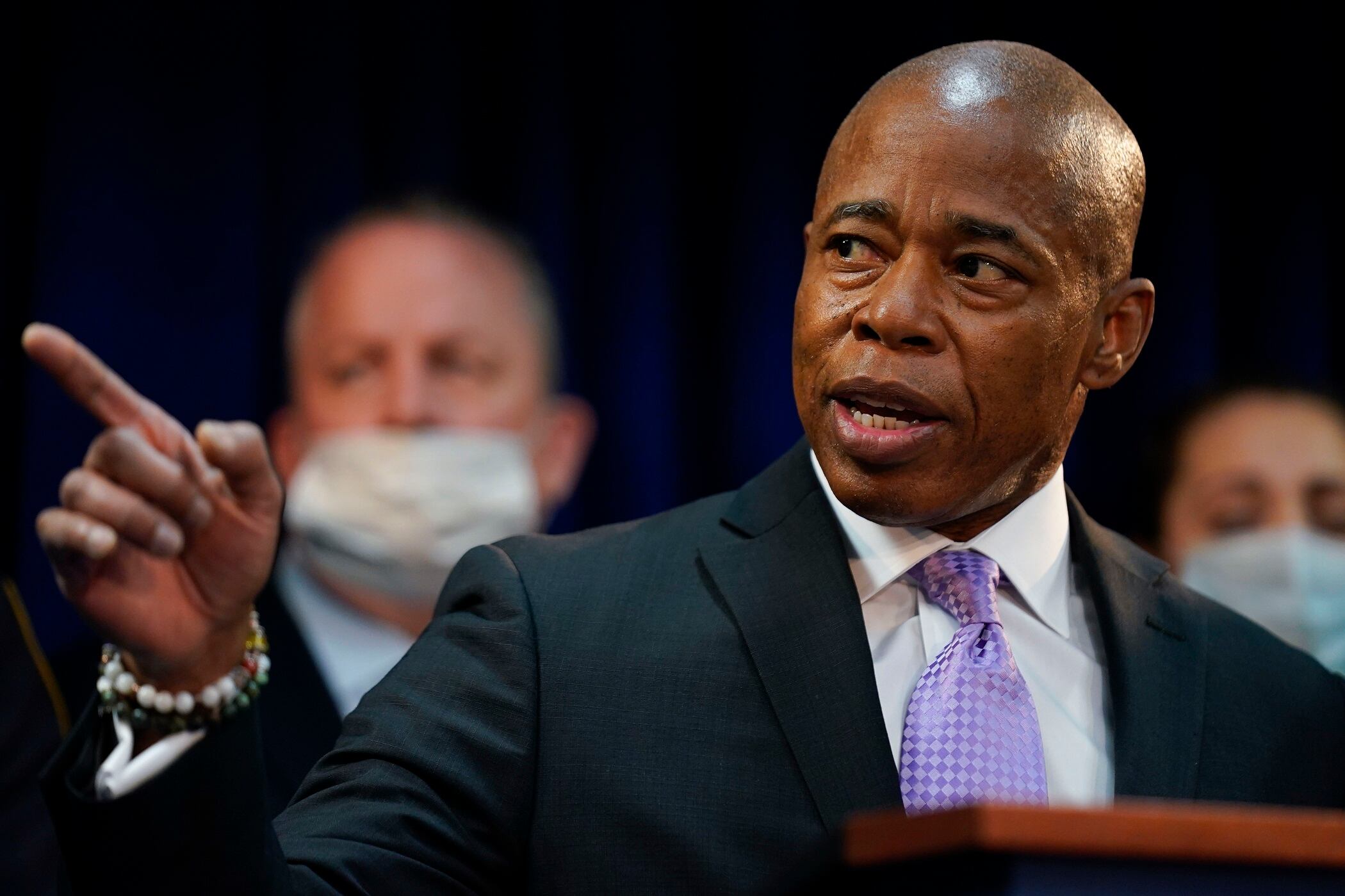
New York City Mayor Eric Adams plans to convert his first paycheck this week into two cryptocurrencies.
Intel will invest $20 billion in a new computer chip facility in Ohio amid a global shortage of microprocessors used in everything from phones and cars to video games.
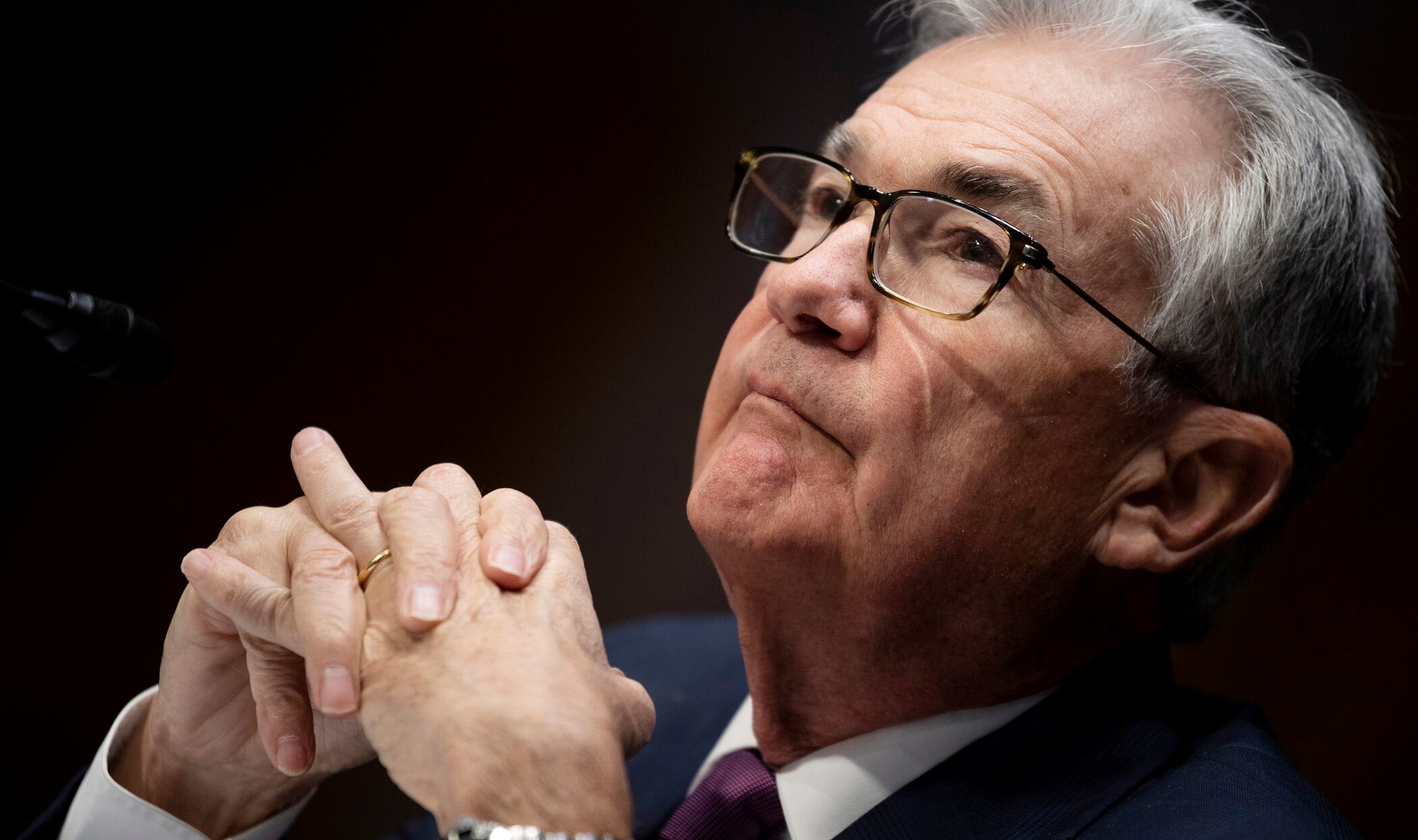
The 40-page paper was widely seen as the first step in doing just that, but the document provides only partial hints as to if the Fed is supportive of a central bank digital currency.
The People's Bank of China (PBOC) announced on Tuesday that 261 million individuals, or about a fifth of the country's population, have now set up digital yuan wallets.
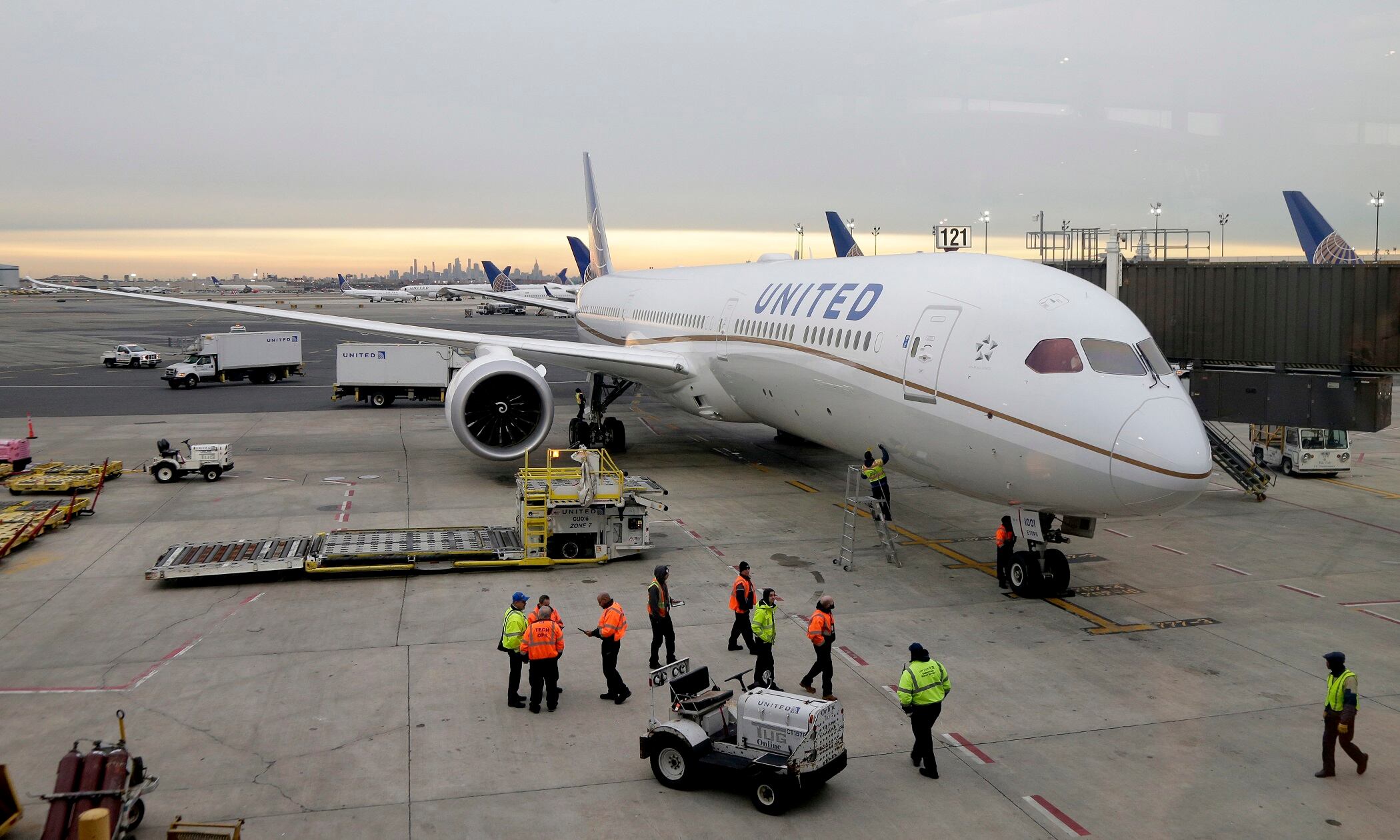
AT&T and Verizon say they will delay some new 5G wireless service after the airline industry raised alarms about potential interference with important systems on planes.
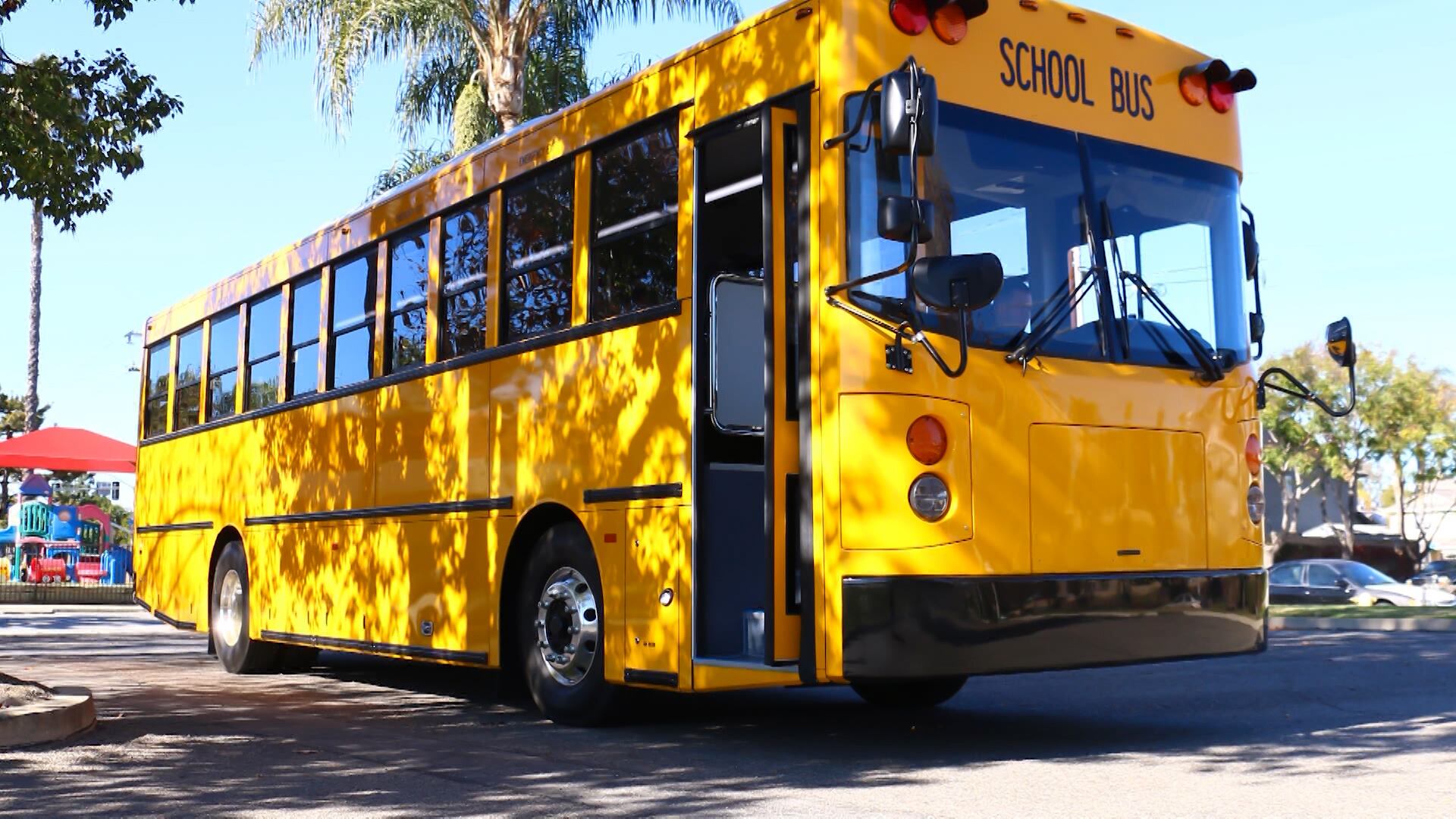
GreenPower Motor Company CEO Fraser Atkinson joined Cheddar News to discuss Gov. Jim Justice's plan for West Virginia to reduce carbon emissions in 2022 by adding a school bus fleet of B.E.A.S.T.s — or battery-electric automated school transportation. Atkinson discussed why the state was perfect for manufacturing electric buses, and the economic impact its facilities will have on the region. He also noted a health impact the new vehicles could have, citing research that children from kindergarten to sixth grade are most at risk for cancers and respiratory illnesses due to exhaust pollution.
Two of the biggest names in crypto had a public spat this week over whether stablecoin issuers should have to reveal to the general public what's in their reserves.