The Federal Communications Commission just killed net neutrality. The agency voted to repeal regulations that make the future of the internet and the way consumers use it a lot murkier. Andrew McCollum, CEO of Philo, an internet television company that recently introduced a streaming live TV service, joined us to share why he is worried about a world without net neutrality.
The FCC voted to reverse a 2015 decision by the Obama Administration that aimed to protect Americans on the internet. McCollum is concerned that without the regulations, services like Philo become prone to "unfair prioritization by internet providers." It's not only a loss for companies. He believes strong net neutrality rules also protect the consumer.
As a co-founder of Facebook, McCollum says he got a glimpse of how difficult it would be for companies to innovate in a world without protections for net neutrality. He shares that colleges that did not like Facebook would block students from gaining access because they acted as the internet providers. With such limitations, he questions whether an era of internet innovation is coming to a halt.
Online tickets marketplace Vivid Seats CEO Stan Chia joined Cheddar’s "Opening Bell" to discuss the decision behind launching an IPO via a SPAC merger with Horizon Acquisition Corporation. According to Chia, it was the best route for the company as it looked to partner with a proven track record to strategize for the future. He also noted that pent-up demand for live events is as high as it's been in five years due to the pandemic. Shares are listed on the Nasdaq under the symbol SEAT.
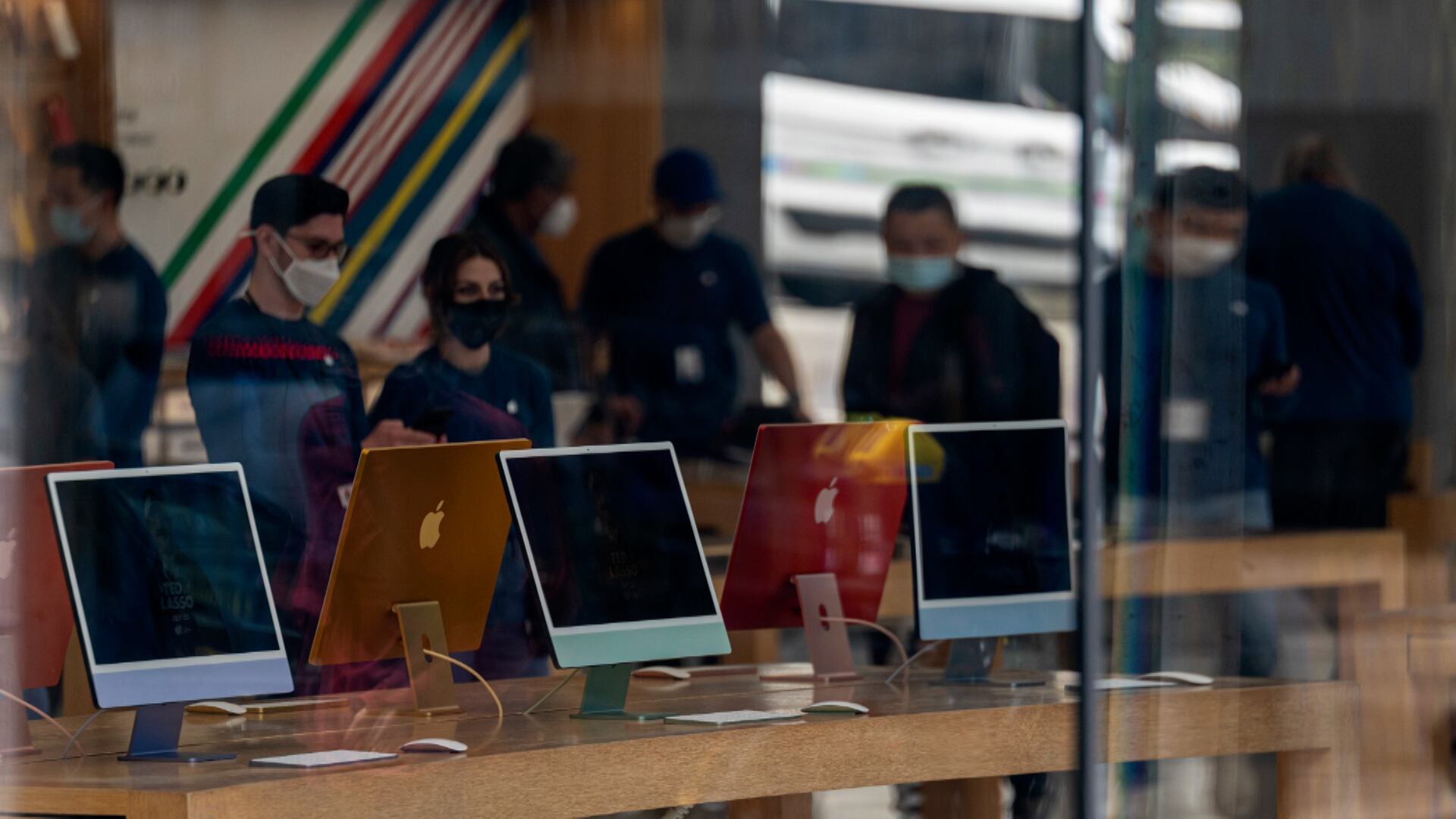
Apple is expected to unveil a redesigned MacBook Pro, Mac Mini and the long-awaited AirPods 3 at its "Unleashed" event. We are also anticipating more information on Apple's own chip, as the chip shortage continues to ravage the tech industry. John Biggs, a writer and editor, gives a preview of the event and what we can expect from the new and improved devices.
Toyota is pledging to invest $3.4 billion into developing hybrid car batteries in the United States through 2030. The Japanese carmaker plans to establish a U.S. factory by 2025 and expects to create 1,750 jobs.