The Federal Communications Commission just killed net neutrality. The agency voted to repeal regulations that make the future of the internet and the way consumers use it a lot murkier. Andrew McCollum, CEO of Philo, an internet television company that recently introduced a streaming live TV service, joined us to share why he is worried about a world without net neutrality.
The FCC voted to reverse a 2015 decision by the Obama Administration that aimed to protect Americans on the internet. McCollum is concerned that without the regulations, services like Philo become prone to "unfair prioritization by internet providers." It's not only a loss for companies. He believes strong net neutrality rules also protect the consumer.
As a co-founder of Facebook, McCollum says he got a glimpse of how difficult it would be for companies to innovate in a world without protections for net neutrality. He shares that colleges that did not like Facebook would block students from gaining access because they acted as the internet providers. With such limitations, he questions whether an era of internet innovation is coming to a halt.
Spotify beat fourth quarter earnings expectations, and also reported a jump in monthly active users and in paid subscribers. The report comes as the company grapples with a new question: is it simply a streaming platform, or is it a media company responsible for the content it posts, like Joe Rogan's controversial podcast? Greg Martin, Co-Founder of Rainmaker Securities, joins Closing Bell to discuss why the stock took a hit even though earnings results were positive, how the company can move forward through the Rogan controversy, and more.
Chen Arad, Chief Operating Officer for Solidus Labs, joins Cheddar News' Closing Bell, where he explains why Wormhole was particularly vulnerable to a $320+ million crypto hack and discusses what new investors need to do in order to protect their assets.
E-commerce platform for construction and building materials RenoRun has raised $142 million in a Series B round, which the company says is the fourth largest Series B round in Canadian history. RenoRun’s platform offers same-day delivery of construction materials to job sites in Canada and the United States. The company aims to revolutionize the construction industry by maximizing productivity and efficiency. RenoRun co-founder and CEO Eamonn O’Rourke joins Cheddar News' Closing Bell to discuss.
Facebook parent company Meta reported weaker-than-expected fourth quarter earnings, and also issued disappointing guidance for Q1 2022. The tech giant is also under pressure due to Apple's iOS privacy change, as well as continued multi-billion dollar losses for its metaverse focused business unit. Angelo Zino, Tech Analyst at CFRA Research, joins Closing Bell to discuss the earnings results, how Apple's iOS privacy change will impact revenue, whether the metaverse is an underrated investment opportunity, and more.
The video game industry has seen monumental growth the past few years - with an increasing amount of companies jumping head first into the space. In January alone, Microsoft announced its plan to acquire Activision Blizzard, game publisher Take-Two agreed to buy Zynga, and most recently, Sony announced it has agreed to buy game developer Bungie for $3.6 billion. Tobias Batton, CEO and founder of Ex Populus, joined Cheddar Movers to discuss the surge in M&A activity in the gaming space.
Facebook parent Meta reported disappointing results in its first quarterly earnings report since rebranding to focus on the metaverse. The tech giant delivered mixed results with quarterly profit falling well below Wall Street expectations. Shares plunged more than 20 percent in after hours trading as a result. Martin Garner, COO of CCS Insight, joined Cheddar Movers to break down the company's results.
Super Group, the company behind leading global online sports betting and gaming businesses Betway and Spin, has landed on Wall Street. The company went public via SPAC with Sports Entertainment Acquisition Corp., and now lists on the NYSE under the ticker symbol 'SGHC.' This debut comes as the U.S. sports betting market continues to heat up with more and more states legalizing the practice. Eric Grubman, chairman of Super Group, joined Cheddar to discuss.
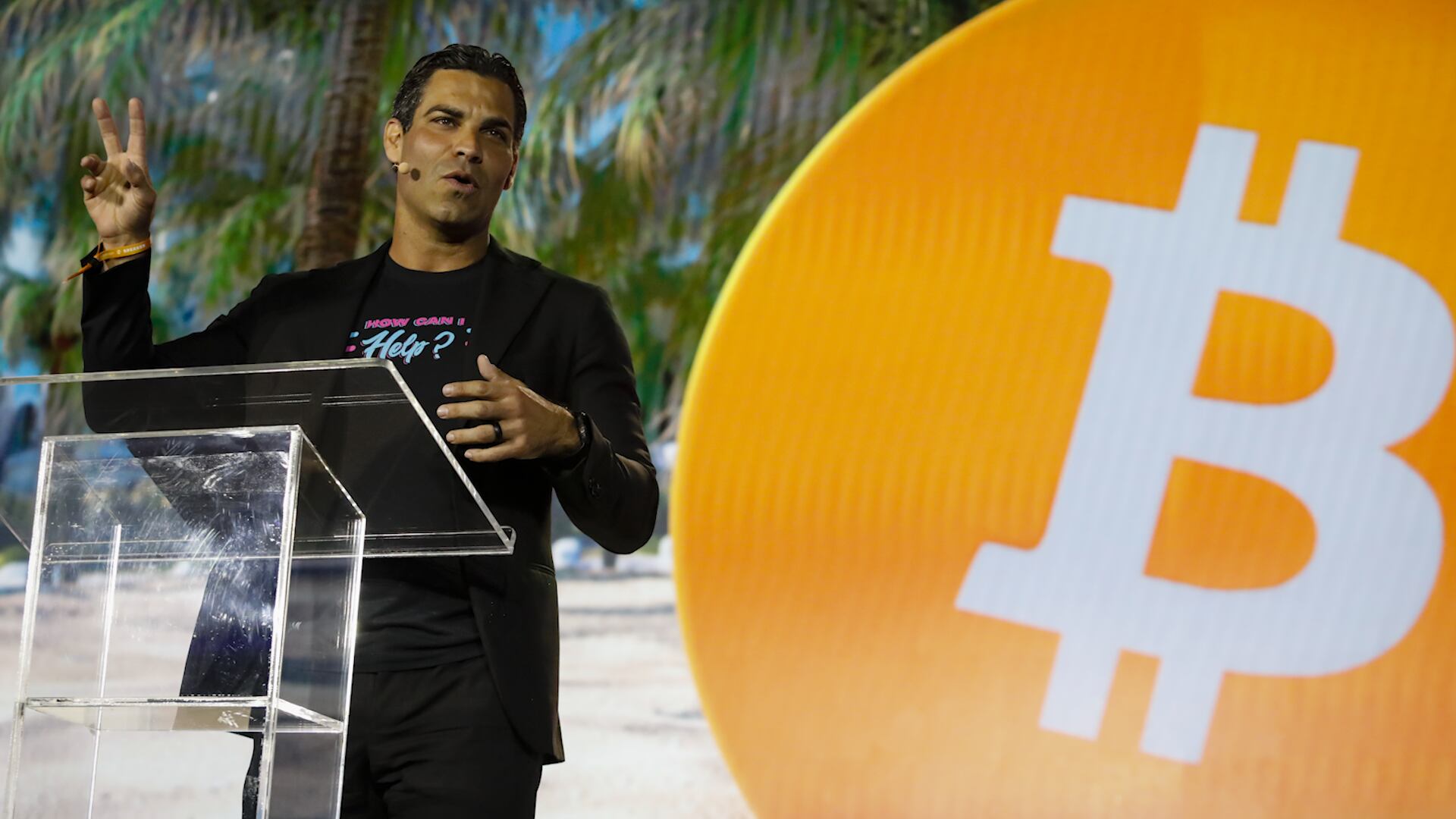
Miami wants to be the crypto capital of the world. Mayor Francis Suarez has gone all in on the blockchain, even accepting one of his first paychecks in Bitcoin, hosting one of the world's largest digital cryptocurrency conferences, and marketing Miami as a great place for tech experts to work. Maja Vujinovic, managing director of OGroupLLC, joined Cheddar's Fast Forward to discuss Miami's enthusiasm toward crypto, some of the potential risks that entails, and where the city might be heading when it comes to the crypto takeover.
Hinge users who have children can opt-in to a $100 stipend up to $25,000 for childcare. Logan Ury, the director of relationship science for the online dating platform, noted the issue as an obstacle for single parents who want to go out on dates. "We have heard that singles with children have a hard time going on dates for one of the reasons being that it's just hard to find childcare and it's hard to be able to afford it," she said. Ury also said that the hot topic among Hinge's users is mental health and the prioritizing of mental health.