The Falcon Heavy Is Set For Launch...But Will it Take Off?
The day space geeks and even casual science enthusiasts have been waiting for is almost here: SpaceX will finally launch its Falcon Heavy rocket into orbit on Tuesday.
But Phil Plait, author at “The Bad Astronomer”, told Cheddar that all the stars have to be aligned for Elon Musk’s company to give the go-ahead.
“There’s a lot going on, and a lot can go wrong,” he said. “The two side boosters are going to detach, they’ll land back on land at Cape Canaveral. The other booster will then push the payload up into orbit, and it will land on a floating drone ship in the Atlantic. Then the upper stage will boost the car and its passenger out into interplanetary space.”
“Elon Musk has been downplaying the odds of this thing working. And he said this will be spectacular, one way or another”
SpaceX’s CEO introduced the concept for the Falcon Heavy back in 2011, calling it the most powerful rocket in the world by a factor of two. But multiple delays pushed back the original 2013 launch target by five years. Now the rocket, comprised of three Falcon 9 vessels strapped together, may be ready for prime time.
The Falcon Heavy will carry Musk’s original red Tesla Roadster and “Starman,” a pressure suit sitting in as a driver, for its first mission.
Ultimately SpaceX hopes the Heavy will drastically cut the cost of space travel, making it possible to eventually send people to Mars, though Plait acknowledges that is far in the future.
The rocket costs about $95 million per flight, compared to $350 million for other missions.
Blame geography for the U.S. getting hit by stronger, costlier, more varied and frequent extreme weather than anywhere on the planet, several experts said. But that's only part of it.
Residents across a wide swath of the U.S. raced Sunday to assess the destruction from fierce storms that spawned possibly dozens of tornadoes from the South and the Midwest into the Northeast.
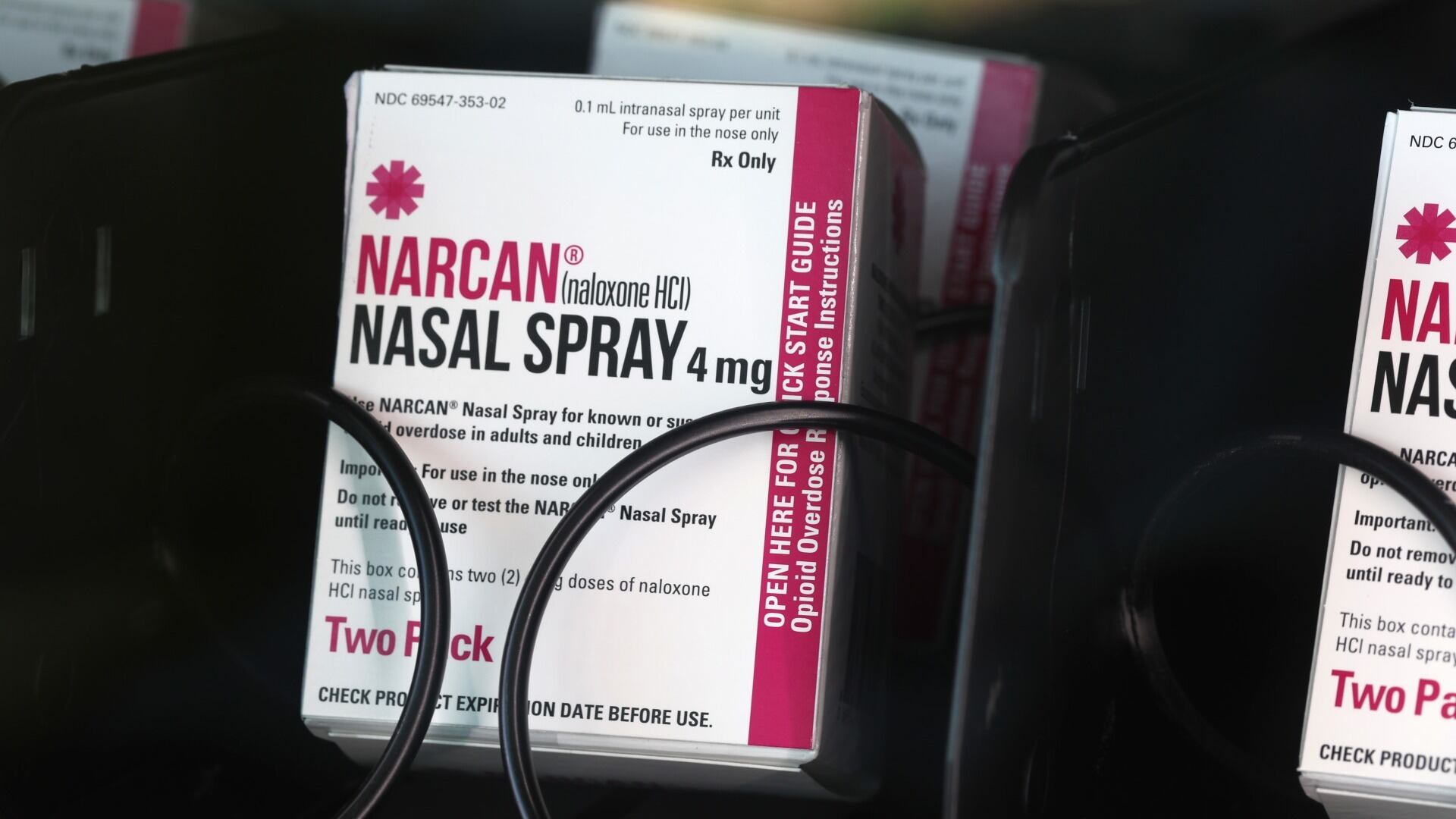
The U.S. Food and Drug Administration has approved selling overdose antidote naloxone over-the-counter, marking the first time a opioid treatment drug will be available without a prescription.
Millions of Americans could lose access to Medicaid on April 1, and Joe Dunn, senior vice president of public policy at the National Association of Community Health Centers, joined Cheddar News' anchor Shannon LaNier to discuss what this means for public health.
One third of Americans don't have access to primary care providers in their communities, according to a study from the National Association of Community Health Centers published last month.
Neuralink, Elon Musk's brain implant venture, is reaching out to major U.S. neurosurgery centers to potentially begin testing its devices on humans, according to a Reuters report.