The Falcon Heavy Is Set For Launch...But Will it Take Off?
The day space geeks and even casual science enthusiasts have been waiting for is almost here: SpaceX will finally launch its Falcon Heavy rocket into orbit on Tuesday.
But Phil Plait, author at “The Bad Astronomer”, told Cheddar that all the stars have to be aligned for Elon Musk’s company to give the go-ahead.
“There’s a lot going on, and a lot can go wrong,” he said. “The two side boosters are going to detach, they’ll land back on land at Cape Canaveral. The other booster will then push the payload up into orbit, and it will land on a floating drone ship in the Atlantic. Then the upper stage will boost the car and its passenger out into interplanetary space.”
“Elon Musk has been downplaying the odds of this thing working. And he said this will be spectacular, one way or another”
SpaceX’s CEO introduced the concept for the Falcon Heavy back in 2011, calling it the most powerful rocket in the world by a factor of two. But multiple delays pushed back the original 2013 launch target by five years. Now the rocket, comprised of three Falcon 9 vessels strapped together, may be ready for prime time.
The Falcon Heavy will carry Musk’s original red Tesla Roadster and “Starman,” a pressure suit sitting in as a driver, for its first mission.
Ultimately SpaceX hopes the Heavy will drastically cut the cost of space travel, making it possible to eventually send people to Mars, though Plait acknowledges that is far in the future.
The rocket costs about $95 million per flight, compared to $350 million for other missions.
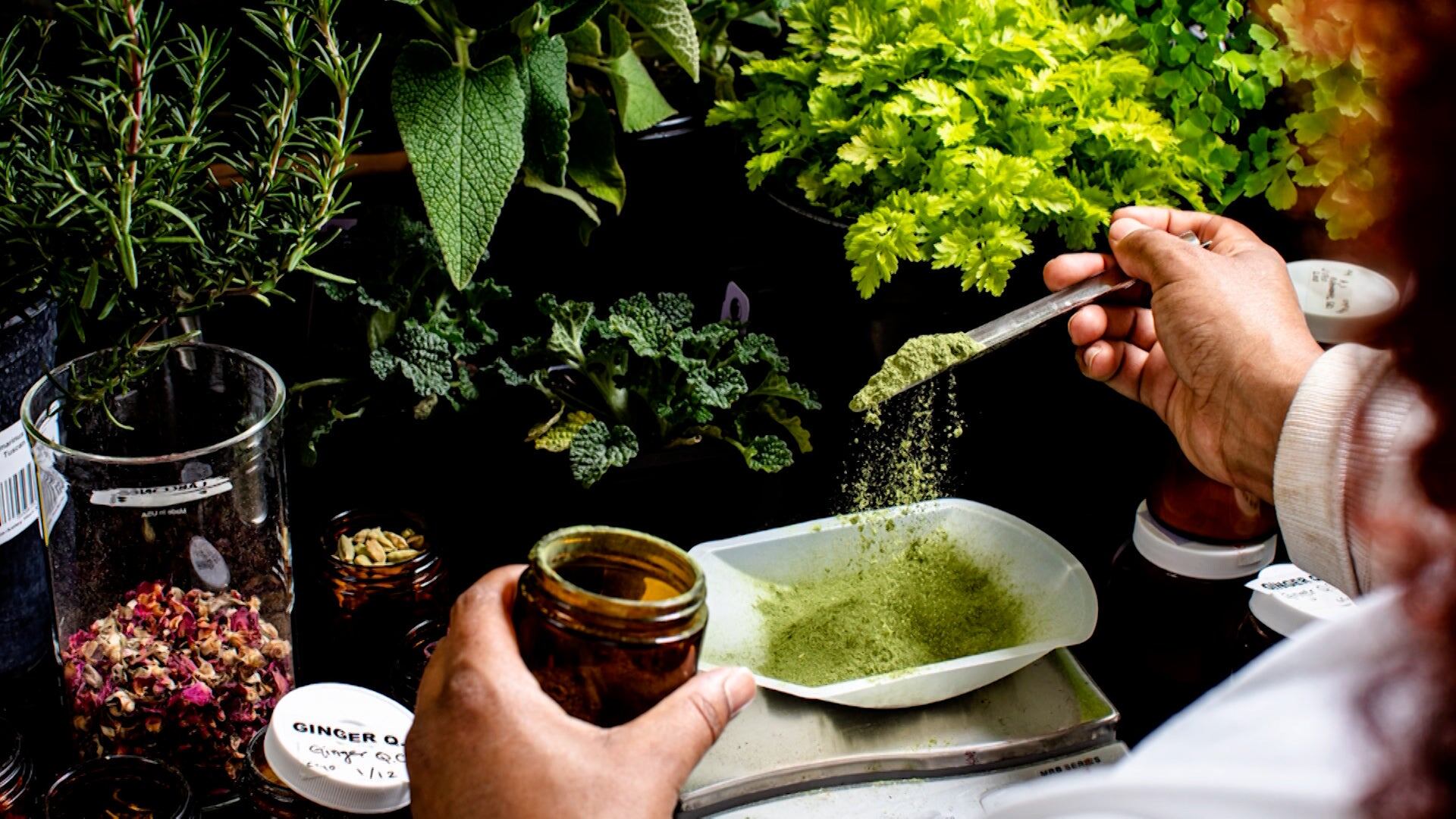
Brightseed Co-Founder Sofia Elizondo breaks down what plant bioactives are, and how they're using the latest technology to study human's biological connections with plants.
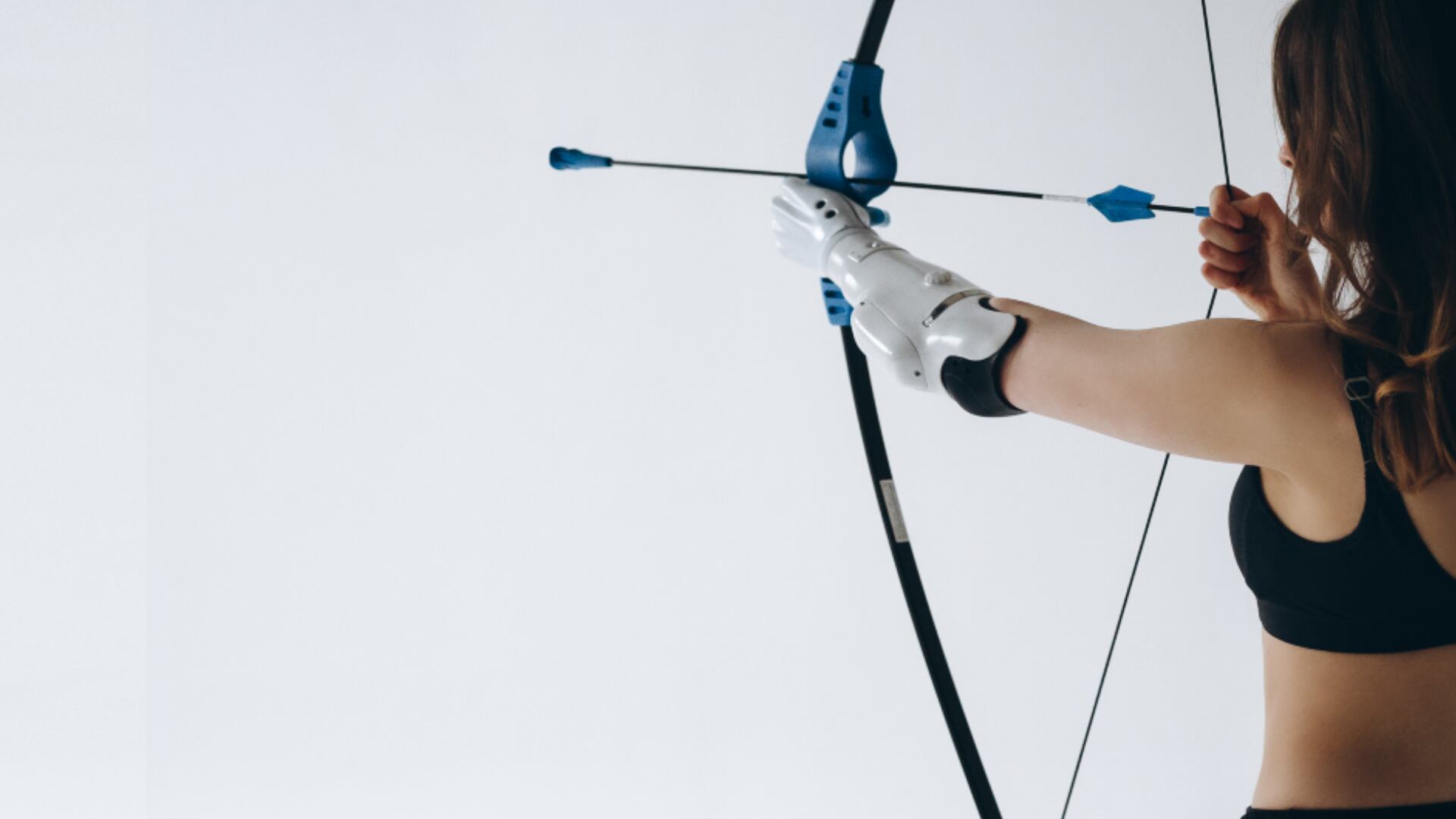
On this episode of Cheddar Innovates: Brightseed Co-Founder breaks down what plant bioactives are, and how they're using the latest technology to study human's biological connections with plants; Esper Bionics CEO breaks down how they re creating a mind-controlled bionic hand that guest smarter the more you use it; Cheddar gets a look at Curiosity Stream's 'Capturing A Black Hole In Our Milky Way.'
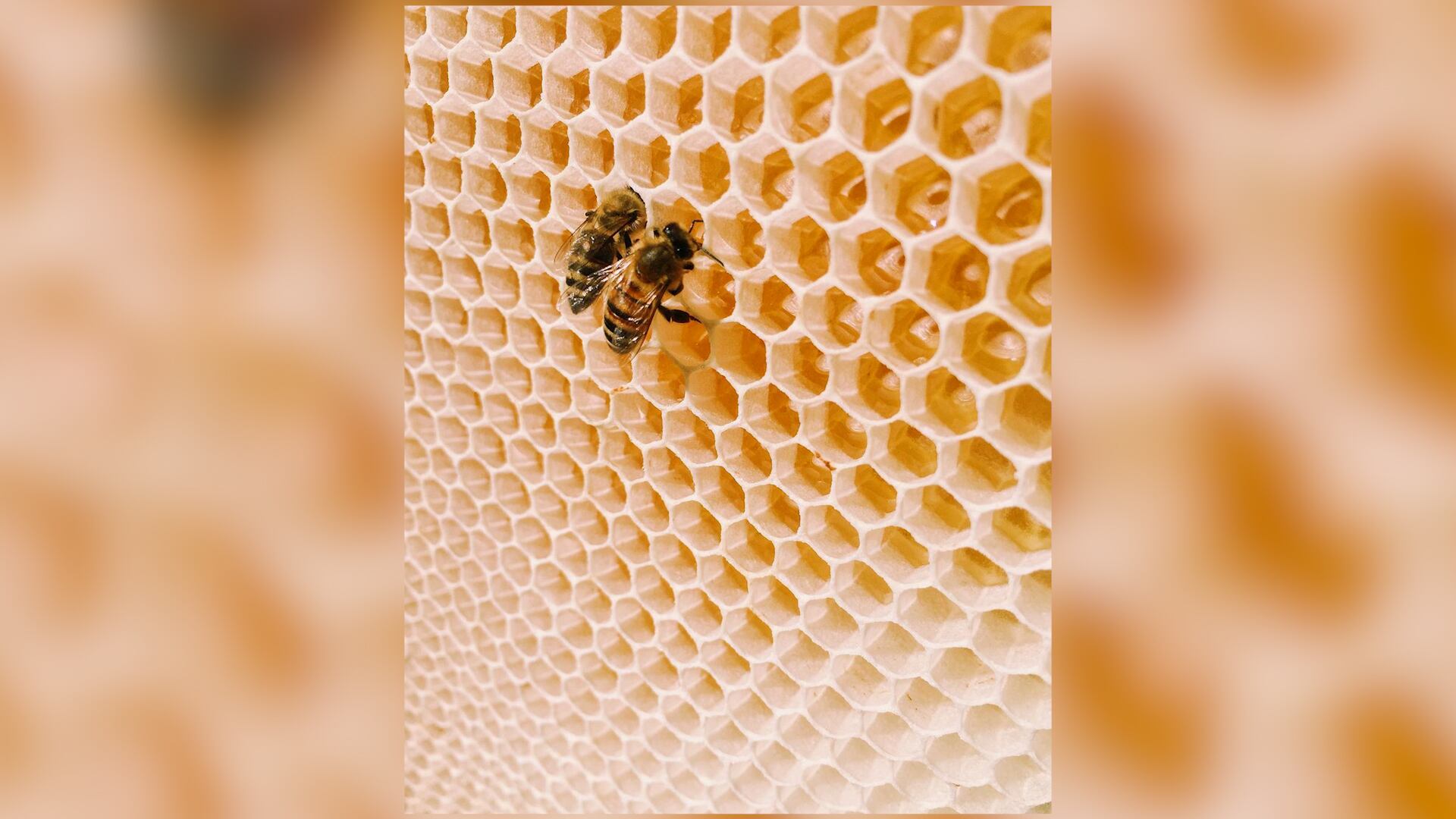
Hilary Kearney, Founder of Girl Next Door Honey, joined Closing Bell to discuss her partnership with Comvita to save the important pollinators, as bee colonies are on the decline across the United States.
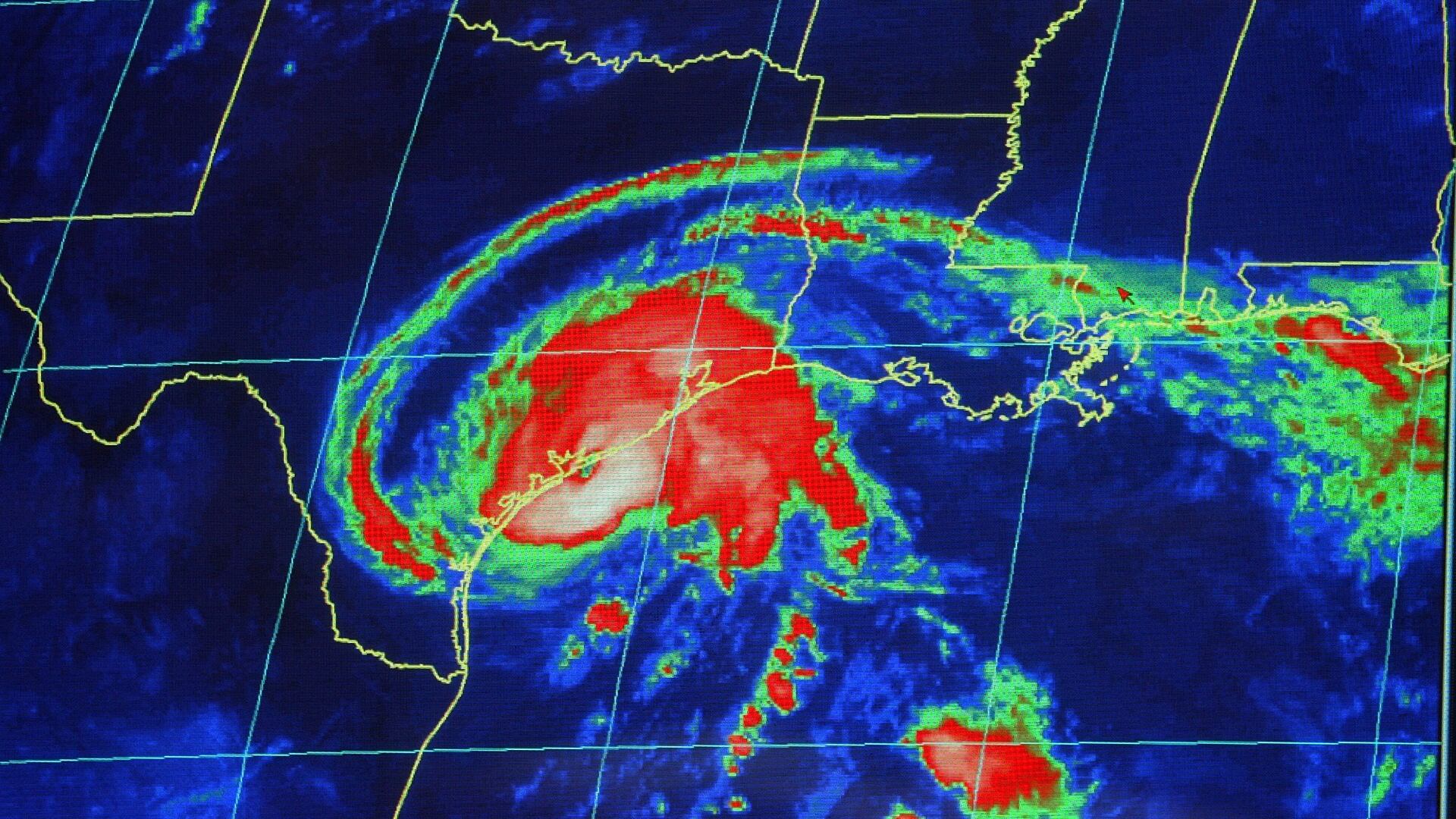
Hurricane climatologist Jill Trepanier joined Cheddar News to discuss NOAA's announced prediction for an above-normal hurricane season and what it might mean for people in the United States. "I think it's important that people who maybe haven't been used to having extreme weather events related to say tropical cycles and tropical systems, like thinking New Jersey, Northeastern seaboard, that area may get more action than they're used to in the past," she said.
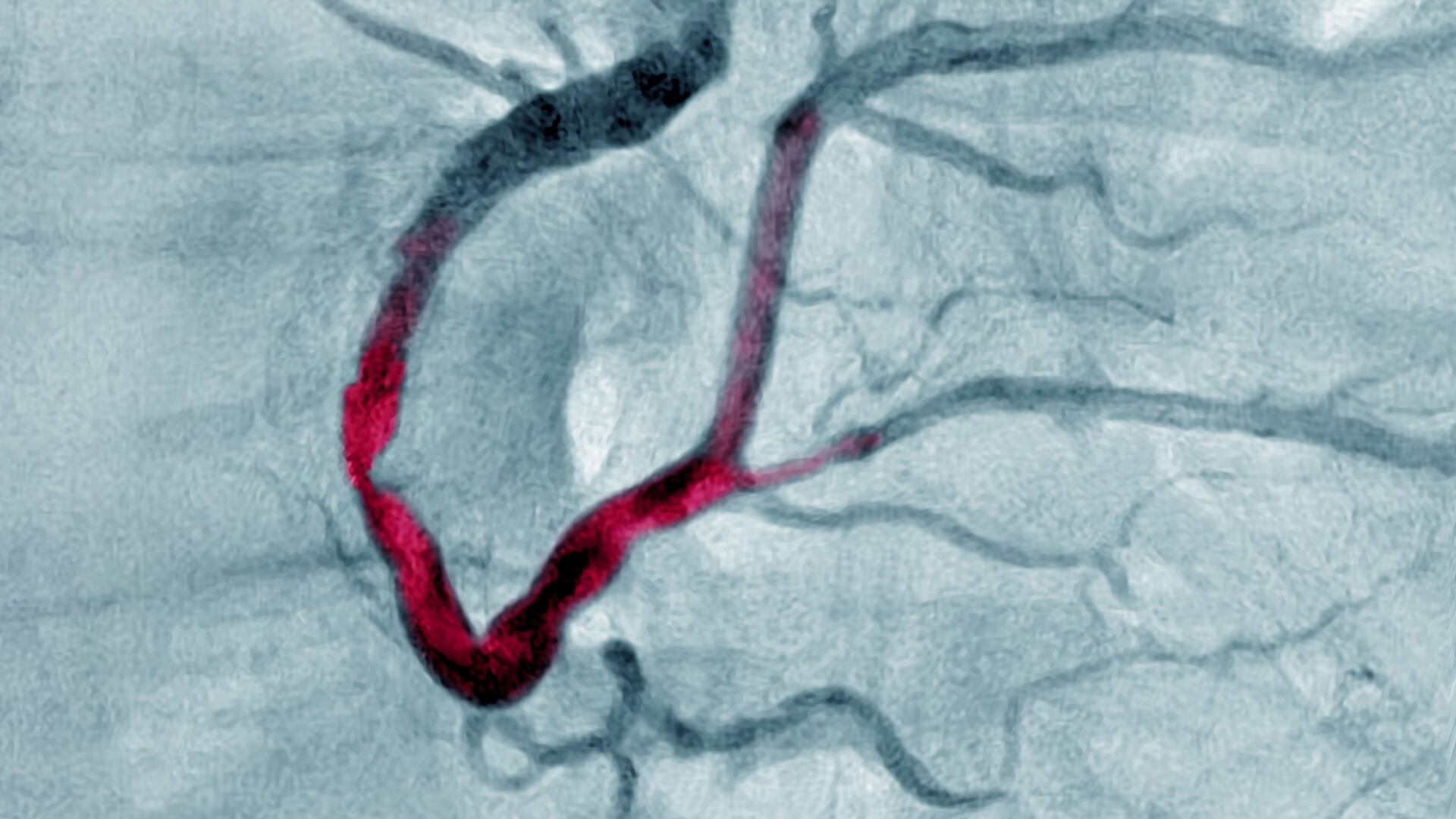
Dr. Jarrad Aguirre, Co-Founder and CEO of Miga Health, joins Cheddar News' Closing Bell, where he says his company is looking to establish the future of heart health and points to how 80% of premature heart attacks and strokes are preventable.
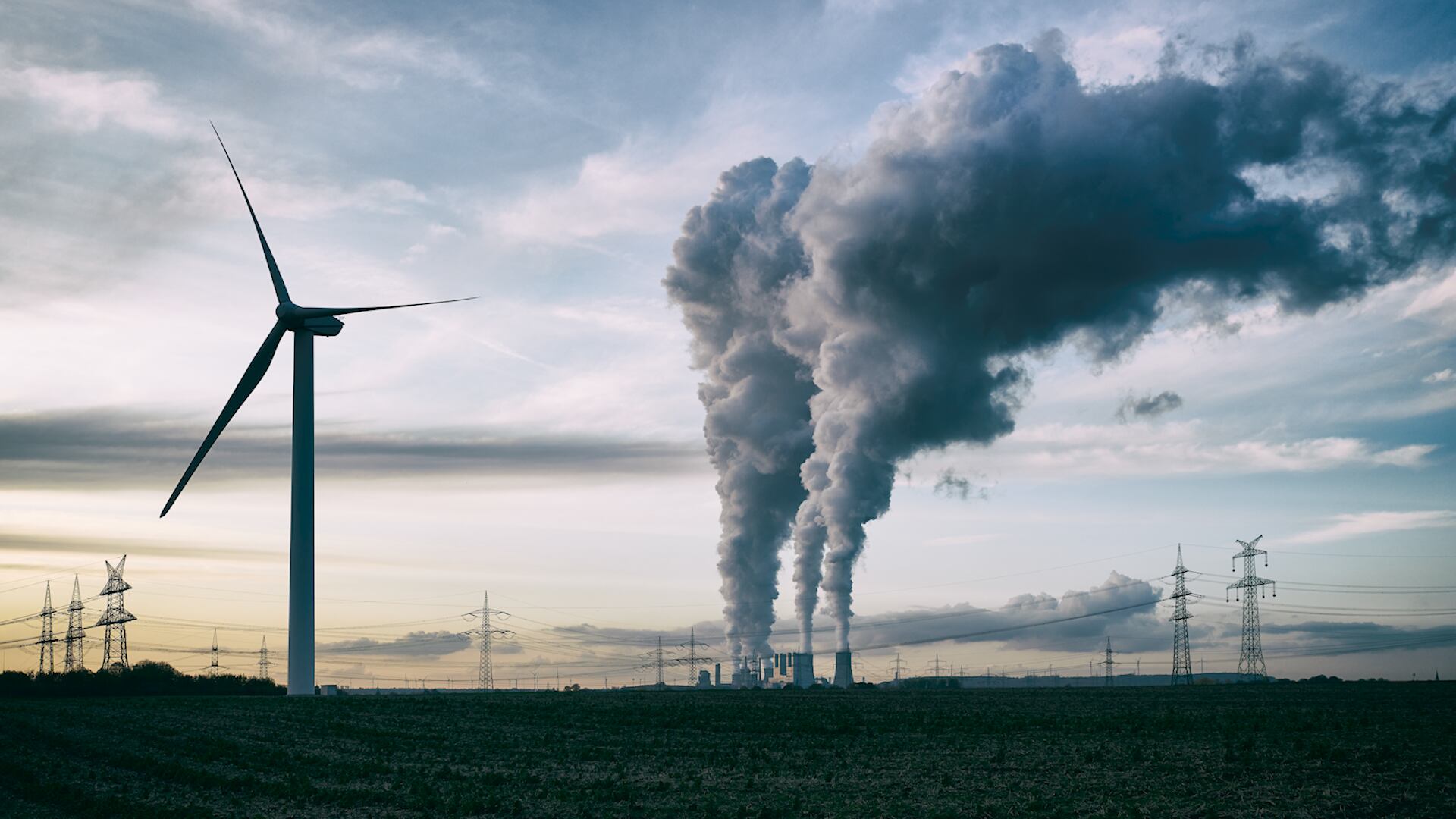
On this episode of Cheddar Reveals, David Keith, Professor of Applied Physics at the Harvard School of Engineering and Applied Sciences and Professor of Public Policy at the Harvard Kennedy School, and founder of Carbon Engineering outlines the viability of solar geoengineering as a solution to help reverse the effects of global warming; Lena Geraghty, Sustainability & Urban Innovation Director at National League of Cities, discusses which U.S. cities are safest from global warming and how the real estate market will be impacted from the effects of climate change; Cheddar gets a look at Curiosity Stream's 'Changing Ocean Asia.'
David Keith, Professor of Applied Physics at the Harvard School of Engineering and Applied Sciences and Professor of Public Policy at the Harvard Kennedy School, and founder of Carbon Engineering joins Cheddar Reveals to outline the viability of solar geoengineering as a solution to help reverse the effects of global warming.
Lena Geraghty, Sustainability & Urban Innovation Director at National League of Cities, joins Cheddar News to discuss which U.S. cities are safest from global warming and how the real estate market will be impacted from the effects of climate change.
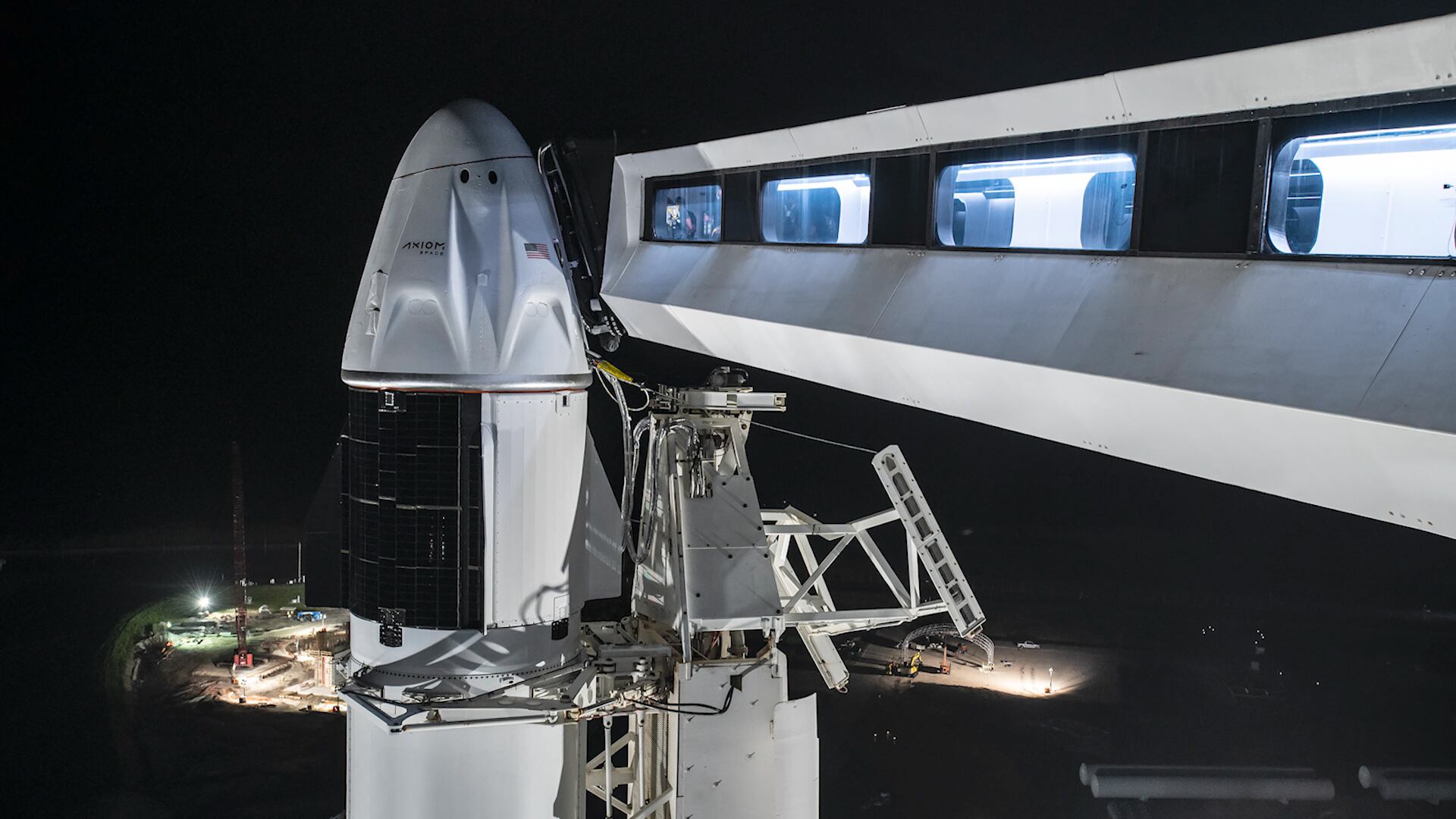
Peggy Whitson, Director of Human Space Flight, Axiom Space, joins Cheddar Innovates to discuss Axiom's involvement in the first fully-private mission to the ISS, and her experience spending 665 days in space.
On this episode of Cheddar Innovates, Peggy Whitson, Director of Human Space Flight, Axiom Space, breaks down Axiom's involvement in the first fully-private mission to the ISS, and her experience spending 665 days in space; William Li and Danielle Chang, co-founders of The Hao Life, discuss how they're shaking up the $71 billion supplement industry by putting a modern spin on traditional natural Chinese remedies; Cheddar gets a look at Curiosity Stream's 'Sagrada Familia: Gaudi's Challenge.'