The Cryptocurrency Backed by VC Giant Andreessen Horowitz
Stability is what the cryptocurrency world needs right now, says Rune Christensen, founder of MakerDAO.
That’s why his company’s Dai token has attracted major backers like venture capital firm Andreessen Horowitz.
“A stable cryptocurrency really is one of those really fundamental building blocks that every other application needs [in order] to function,” says Christensen.
The Dai, which launched in December 2017 and is the first decentralized cryptocurrency on the Ethereum blockchain, gets rid of volatility by pegging itself to the U.S. dollar. That means one Dai is always worth $1. It is also backed by centralized assets.
Unlike other cryptocurrencies, the Dai isn’t for speculative investments. Holders can easily convert it into fiat currency and send it to each other.
For the full interview, [click here](https://cheddar.com/videos/the-no-volatility-cryptocurrency).
TikTok once again finds itself in a precarious position as lawmakers in Washington move forward with a bill that could lead to a nationwide ban on the platform.
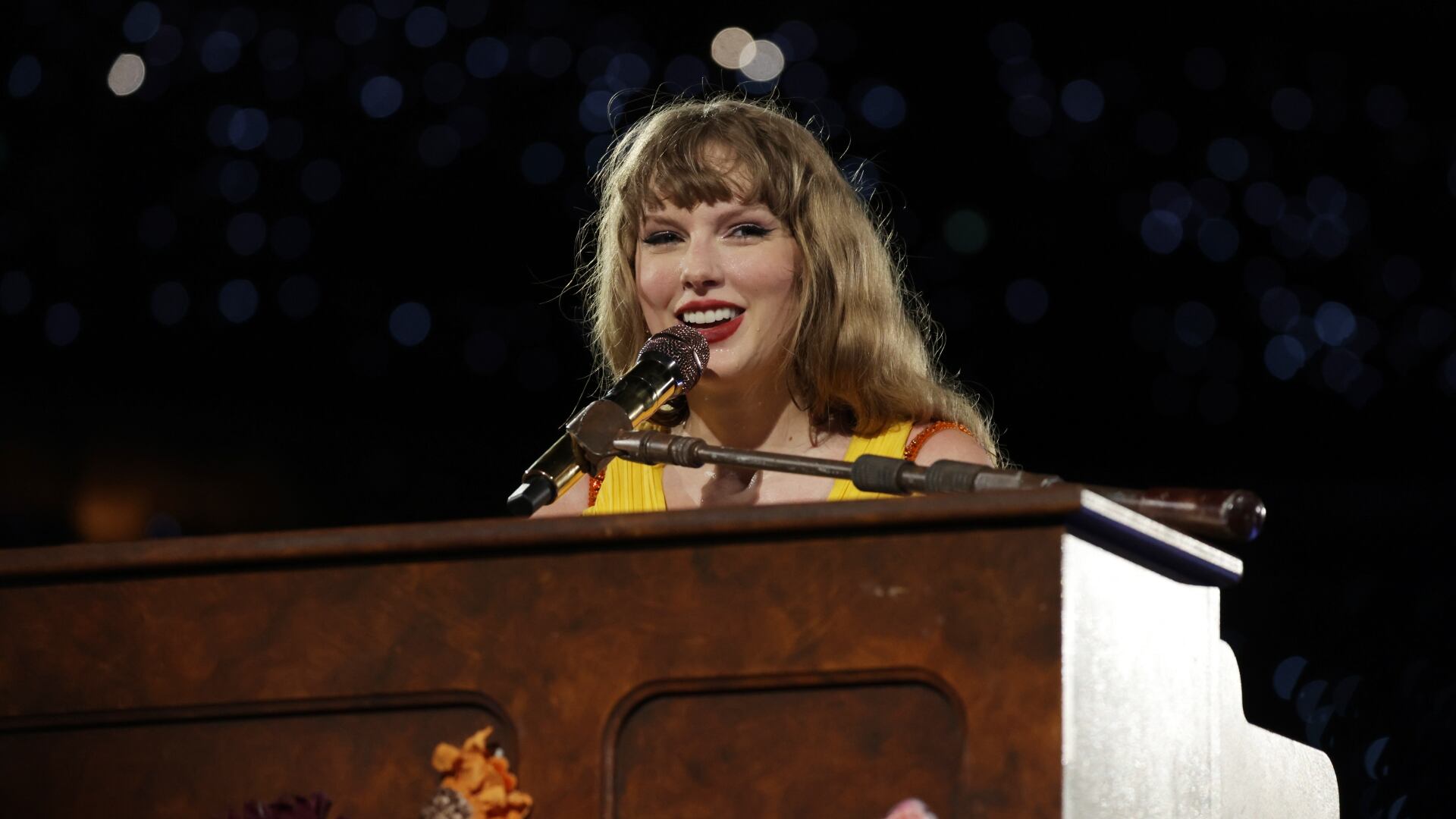
Bryan West, Gannett’s Taylor Swift reporter, recaps the many, many, theories and Easter eggs Swifties are debating as her ‘Eras Tour’ film comes to Disney+.
‘Our Biggest Fight’ author and Project Liberty founder Frank McCourt, Jr. explains his problem with the internet – and why this Tiktok bill is just a starting point.
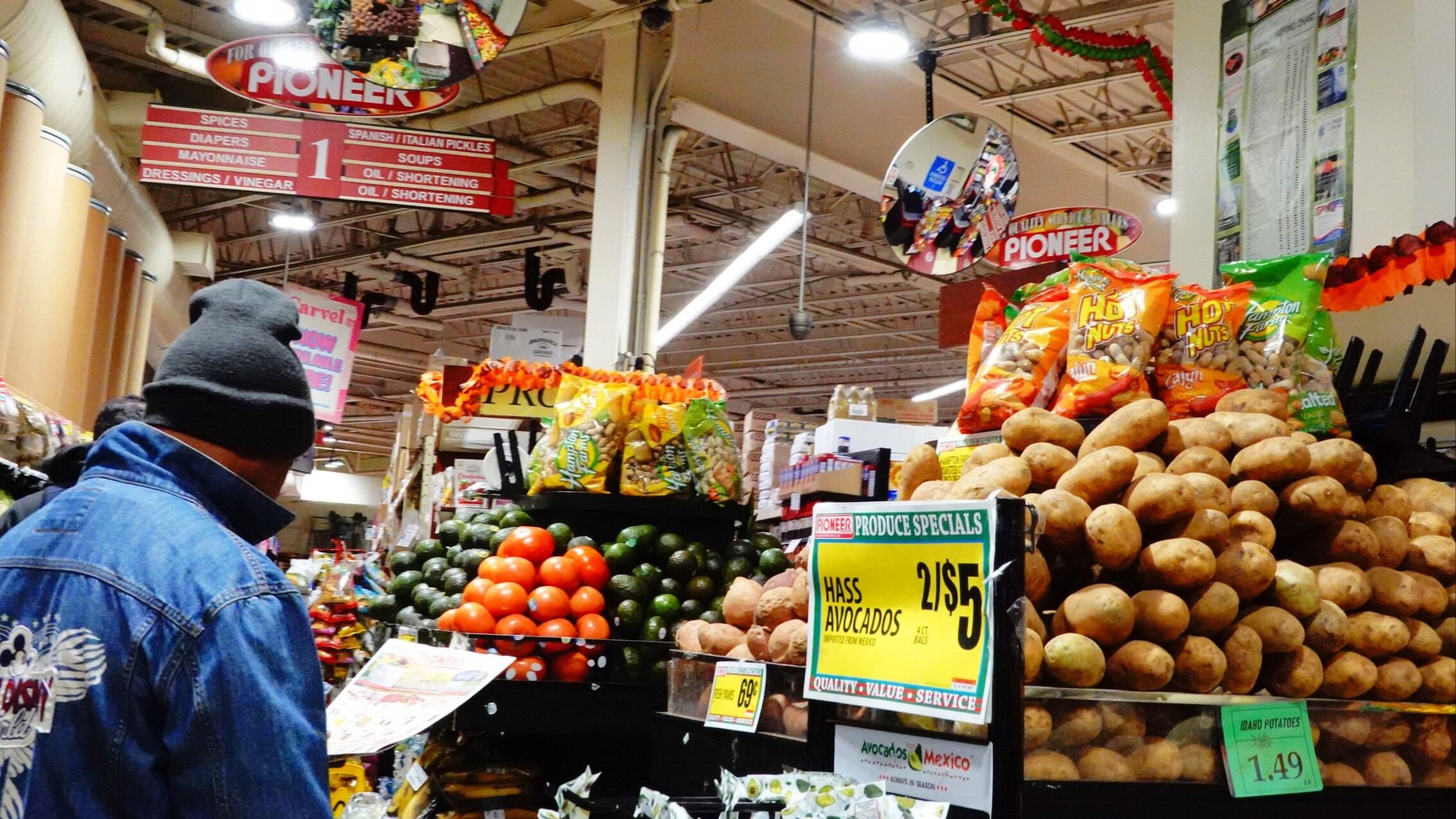
Consumer prices in the United States picked up last month, a sign that inflation remains a persistent challenge for the Federal Reserve and for President Biden.
Jayesh Govindarajan, head of A.I. at Salesforce, explains the company's new Einstein copilot, plus other ways it is investing in artificial intelligence.
Altro founder and CEO Michael Broughton shares how his company is bringing both expanded credit access and financial wellness to underserved consumers, plus netting early investments from Tinashe, Quavo, and Jay Z’s Marcy Ventures.
Portillo’s CEO Michael Osanloo discusses the company’s decades of profitability, opening restaurants in new markets, and why it doesn’t need trends like dynamic pricing.