Americans are expected to spend a near-record $20 billion this Valentine's Day, but what are they shelling out all that money for? Lisa Rowan, Writer at The Penny Hoarder, joins Your Cheddar to discuss how you can keep the love in your wallet this Valentine's Day.
If you can believe it, Americans will spend $4.7 billion on jewelry, $3.7 billion on an evening out, $2 billion on flowers and $1.8 billion on candy! But because of supply and demand, a lot of the usual Valentine's Day gifts go up in price. Rowan says you may want to avoid going to a restaurant or booking a hotel room for a romantic evening because prices could increase up to 30%.
So what should you do if you don't want to break the bank but still want to give your partner a little something? Rowan suggests thinking about what their hobbies are and aligning with something they love to do. Maybe its a smaller gesture, but it will mean more than flowers or candy.
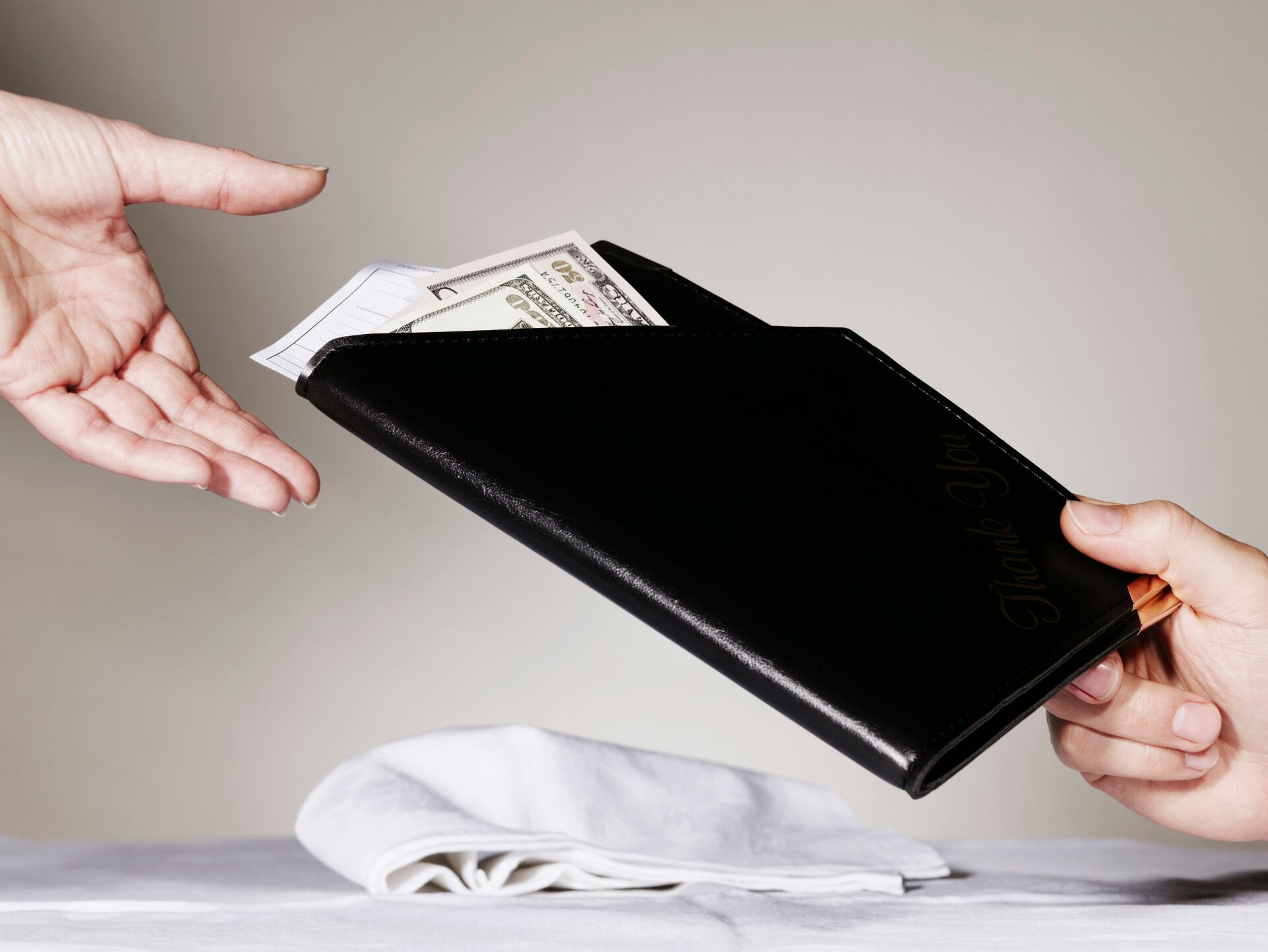
It appears that people are cutting back on tipping with gratuity requests spreading far beyond bars and restaurants.
New data is showing rent prices are on the decline.
If you qualify for the student loan interest deduction, you can deduct up to $2500 a year in interest paid on education debt.
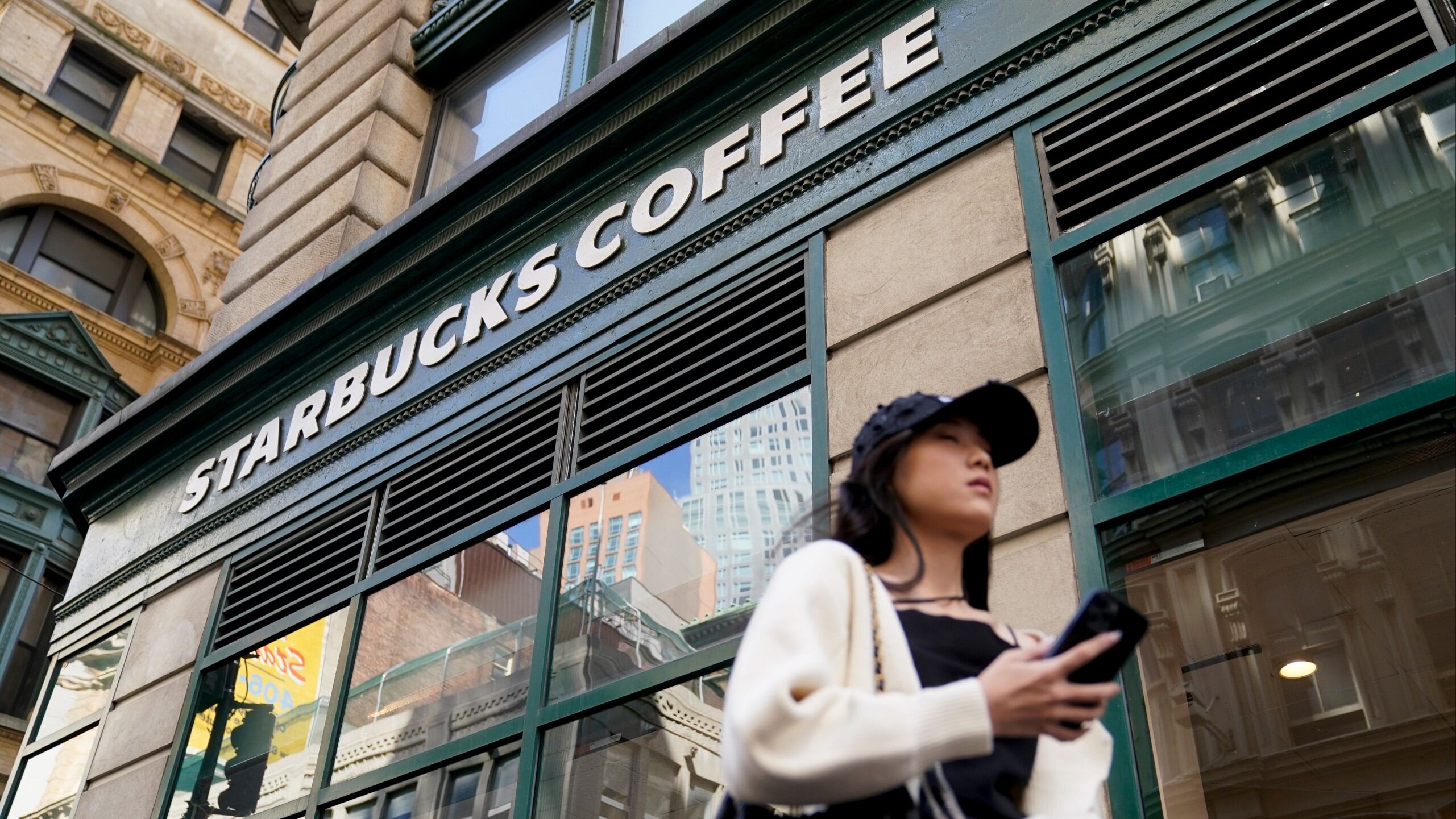
The U.S. labor agency is trying to force Starbucks to reopen 23 stores that it closed allegedly to discourage a nationwide union campaign
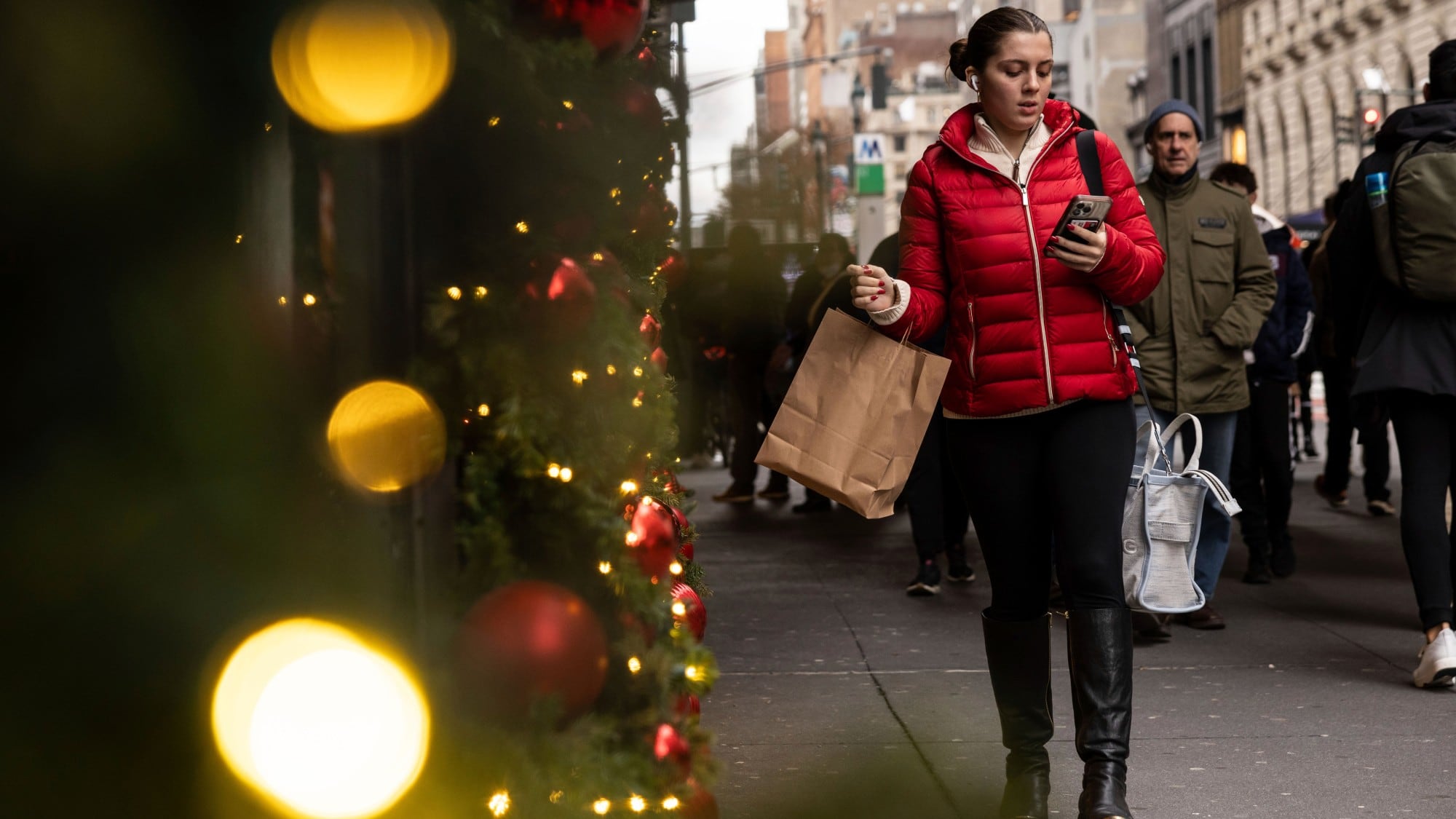
A surge in holiday spending could help combat inflation worries.
Peacock shared the trailer for the second season of the celebrity competition show, 'The Traitors.'
Darden, the parent company of chain restaurants like Olive Garden and Ruth's Chris Steakhouse, beat Wall Street estimates in its latest earnings report.
A former Facebook executive pled guilty to stealing more than $4 million from the company while she was employed there.
Rising safety concerns over water bead products marketed to kids have prompted major retailers like Amazon, Target and Walmart to pull some toys off their shelves.
The Congressional Budget Office said Friday it expects inflation to nearly hit the Federal Reserve's 2% target rate in 2024, as overall growth is expected to slow and unemployment is expected to rise into 2025, according to updated economic projections for the next two years.