Snap and Disney report earnings after the bell Tuesday and both companies have a lot to talk about. Chris Versace, Chief Investment Officer at Tematica Research and John Petrides, Managing Director & Portfolio Manager at Point View Wealth Management join The Long and The Short to discuss what they expect from each company's call.
The main aspect Snap investors will be looking at is active user growth and revenue per user. Spiegel has said in the past that this company may never be profitable, so what number does it have to hit in order to keep investors interested in its future? Petrides is unsure if Snap will get to the point where it can call itself a successful company.
Plus, Disney reporting earnings for the first time since announcing its acquisition of 21st Century Fox. Will that be the main focus of the call? In the past, investors have been worried about subscriber loss within its ESPN property, but this purchase could overshadow that. Ives said a lot of time will be spent asking CEO Bob Iger about the future of its new streaming platform and how it sees the integration of movies from 21st Century Fox.
Ian Rogers, Chief Experience Officer, Ledger, joins Cheddar News to discuss innovation in crypto security, and why a hardware wallet is a critical tool for protecting digital assets.
Carlo and Baker cover the latest developments after a devastating tornado outbreak over the weekend, plus an eye on Omicron and inflation, and not even Spielberg can save the box office.
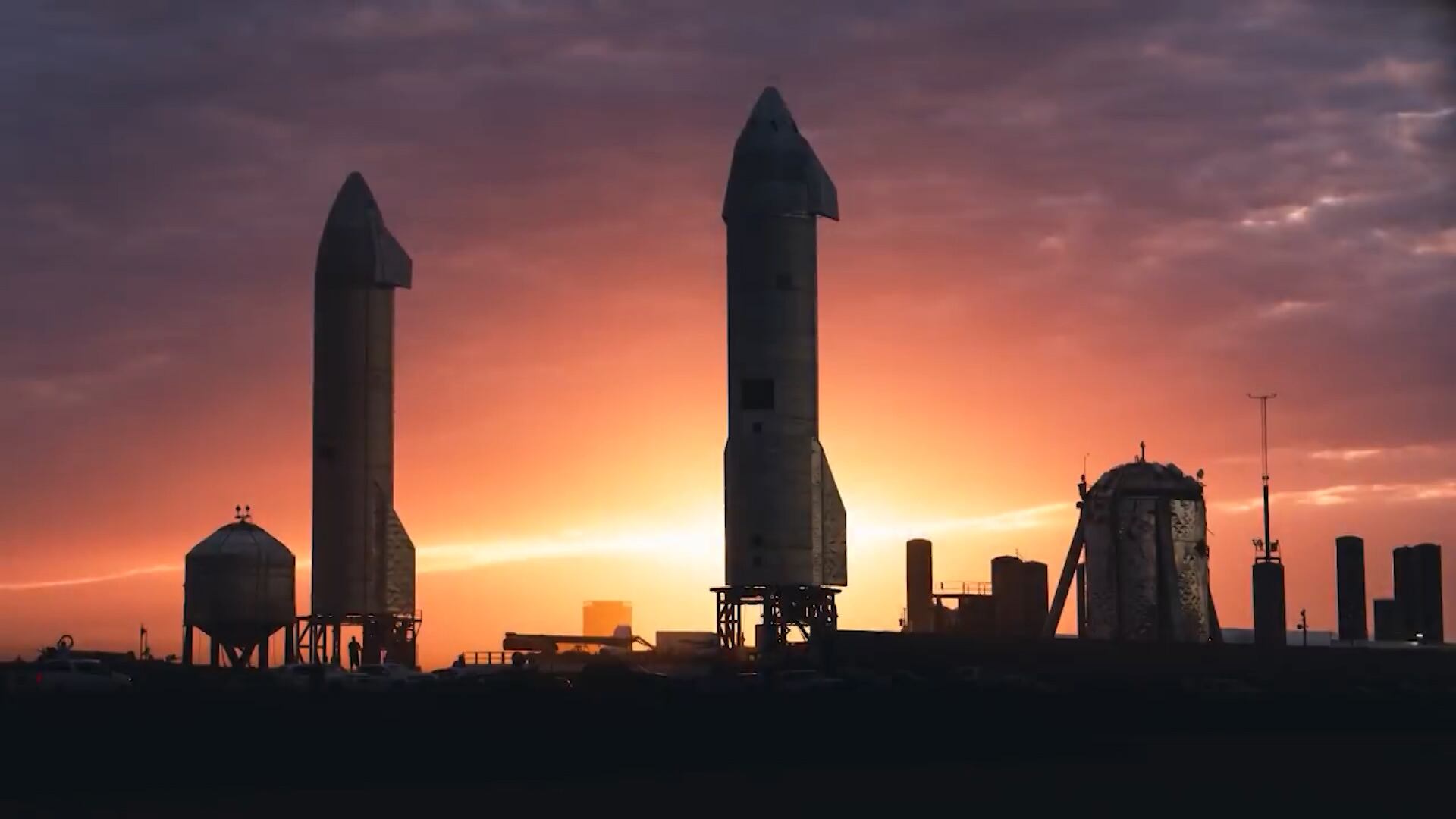
Reusable rocket developer Stoke Space Technologies raised $65 million in a Series A round led by Breakthrough Energy Ventures, a firm founded by Bill Gates. Stoke says its reusable rockets provide the satellite industry with low-cost, on-demand access to and from orbit. As companies like SpacX and Blue Origin are also making commitments to rocket reusability, Stoke says it is taking a different approach with a system designed to be 100% reusable, comprised of rockets designed to fly daily, like an airplane. Stoke co-founder and CEO Andy Lapsa joins Cheddar News' Closing Bell to discuss.
Humans are set to return to a place we have not been in nearly 50 years: the moon. NASA's Artemis program is expected to have astronauts back on the lunar surface by 2025. NASA says it will use what it learns on the moon to take the next giant leap - sending the first astronauts to Mars. The Artemis program also includes contributions from private companies like SpaceX, as well as academic research institutions like Georgia Tech. Georgia Tech professor of practice and former NASA astronaut Sandra Magnus joins Future of Space: Humankind's Leap Forward to discuss.